Are we leaving a Transformational Inheritance?

Photo by BBH Singapore on Unsplash
Article originally posted here by Paradiem
Eric tells about how his grandmother was an amazing woman who understood how to leave a Transformational Inheritance…
Are You Asking the Right Questions?

Photo by Rohit Farmer on Unsplash
At Kingdom Advisors, we believe that knowing what questions to ask a client is key to unlocking the conversations that will facilitate life impact. The goal of making deep and lasting connections can be realized through exploring shared values.
Here are three discovery questions that will uncover your clients’ past, current transitions, and passions.
Question #1: “Where are you from and what was money like growing up?” This question gets at the heart of their story and seeks to reveal the blueprint for why they make the financial decisions they make.
Question #2: “Is there anything happening in your life, right now, that could have a major impact on your financial future?” This will deduce opportunities, plans, challenges, family dynamics, extenuating circumstances, transitions, etc. You can then help insulate them from harm that might result from decisions made in times of chaos.
Question #3: “If you already had all of the money you ever wanted, what would you do differently?” This will help you understand how to avoid defining your client by a number. Being rich is defined by having passion and purpose in our lives, so this question will help you understand what drives your client at this level.
Article originally posted here by Kingdom Advisors
Are you for us or for our enemies?

Photo by Snowscat on Unsplash
At the end of every podcast recording, we like to ask our guest where God has them in this season. This is what Jason Illian shared with us.
Joshua 5
13 Now when Joshua was near Jericho, he looked up and saw a man standing in front of him with a drawn sword in his hand. Joshua went up to him and asked, “Are you for us or for our enemies?”
14 “Neither,” he replied, “but as commander of the army of the Lord I have now come.” Then Joshua fell facedown to the ground in reverence, and asked him, “What message does my Lord[e] have for his servant?”
15 The commander of the Lord’s army replied, “Take off your sandals, for the place where you are standing is holy.” And Joshua did so.
You know, I think all of us, anybody listening to the podcast and ourselves included, 12 months ago or so, we did not know we were going to be hit by something like covid, which I think changed all of our lives in various ways. On top of that, we went through one of the toughest election cycles that I can ever remember. I feel like we have a country that feels very divided. We have racial tensions. We have all sorts of challenges that as believers and as the church, we need to step up and lead through. Right.
A lot of where God has been moving on my heart are just things like Joshua five. When Joshua is sitting there in the Angel of the Lord appears to him and he says, hey, which side are you here for? Thinking like if you’re with me, we’re saying, if you’re for our enemies, we’re in trouble. And the angel replies, Neither. I’m here for the Army of the Lord, saying, I’m here on behalf of God. I’m not taking sides. I’m coming to take over. Right. I’m coming to take over. So that’s when he bowed down and realizes my first thing is to worship God. Right. My first thing to be at his feet. And that’s reflected again in the second chronicles where, you know, Solomon could have asked for anything and he could have asked for anything to you could ask for wisdom. He could have asked for riches. He could ask for anything. And what he really asked for is, God, give me wisdom to lead your people. How great are your people? And I need the wisdom discernment to lead them well. And because of that, everything else was a symptom of that primary ask because he desired in his heart to lead God’s people well. And that’s the same desire I want to have. I just want to have this desire to lead God’s people well, not that I’m leaving a legacy of money or how many deals that I’ve done or how successful. Hopefully, those will be great symptoms because I lived my life appropriately.
Matthew 5
Blessed are the meek,
for they will inherit the earth.
And it comes back to just the Sermon on the Mount of where you said, you know, blessed are the meek.
I’m doing a Bible study with my kids every night. So we do a devotional every night together. And so we have to read over something again that you read over a thousand times. It makes you stop and reflect upon it. And we’re so blessed are the meek for they inherit the earth. I ask my kids, what is meek mean? And then I thought to myself, I don’t know if I know it. Right. And as we started talking about this and looking it up and what really it is, it’s power under control. It’s power under control. Right. And what we need is we need men and women that are willing to worship and recognize God is who he is. And Joshua to ask for wisdom, to lead God’s people well and then be meek. We don’t need to be shouting from the rooftops. We don’t need to be screaming on social media. We just need to know what we believe into Henry’s point early to build relationships with those people. Right. The outcome is going to be based on how the Lord wants that. I’m not in charge of the outcome any more than I was in charge of winning every TCU football game. I had a role to play. And if I caught passes and made blocks and hopefully at the end of the game, the score was in my favor. But when it wasn’t in my favor, then I got to walk away with something to learn. And in my house, my kids learned through the sports that they’re in. We either win or we learn those are our options. And so every day, just meditating on those scriptures, bringing them to the office, knowing that I’m going to have a dozen amazing potential entrepreneurs and people I get to interact with, how can I help make their lives better and value them so that they will go out there and do that to others and that virtuous cycle will continue to replicate itself. And if it does, I happen to believe lives will be changed. We’ll make money doing it right. New technologies will make this world a better place and overly hopefully it will bring us all together and make us realize that these differences that we’re fighting about, some of them are completely perceived and the other ones aren’t as wide. We think they are we just need to be able to sit at the table and have a civil discourse on most of them.
Are You Prepared for Tomorrow’s World?

by David Snyder
There is a battle being fought for Tomorrow’s World. Irish Priest Dwight Longenecker said, “First we overlook evil. Then we permit evil. Then we legalize evil. Then we promote evil. Then we celebrate evil. Then we persecute those who still call it evil.”
Faith-driven stewards, entrepreneurs, and leaders are an integral and critical part of how God will be able to work in the lives of people who live in Tomorrow’s World. I submit that we must fight this battle with leadership and intentional living.
“Leadership – Seeing the consequences of our actions further into the future than those around us.”
– Dave Snyder
“Intentional Living – Only by managing my thinking and shifting my thoughts from desire to deeds would I be able to bring about positive change. I need to go from wanting to doing.”
– John Maxwell
~ We must Prepare for Tomorrow’s World.
~ We must Invest in Tomorrow’s World.
~ We must Help to Create Tomorrow’s World.
Prepare for Tomorrow’s World
Prepare for Tomorrow’s World, which is constantly changing, by ensuring that the Christian Stewards, the assets they manage, and the people they work with are ready for the heightened pressures, growing responsibilities, and new opportunities in the markets of tomorrow, so that Christendom consistently performs and flourishes through the cycles of the future.
To prepare for Tomorrow’s World, we need to invest thought and effort into understanding the changes that tomorrow may bring and how those changes will affect followers of Jesus, the businesses that they steward, and the churches that they attend.
The Church and its Christ followers need to understand the demographic challenges and opportunities of Tomorrow. Boomers are traveling more and require more health care; Millennials are now the largest generation and are more mobile and less committed to structure. Gen Z is very close behind and will replace the millennials in numbers and spending power in the next 10 years.
-
How does the church support and interact with more mobile generations? Church loyalty is no longer defined by one’s physical presence.
-
How do we individuals change our methods of ministry? It is not just meeting at the coffee shop anymore, but phone calls, zoom calls, Text, and Twitter, etc.
-
Can we learn to be spiritually sensitive to others without being in their presence? Can the Holy Spirit lead me to minister to others over Zoom and the occasional phone call?
-
Tomorrow’s neighbors will be starved for relationship and affection which will be an excellent opportunity for Christ followers everywhere to interact electronically and personally.
-
Demographic changes will affect us all personally, professionally, and in our ministry:
-
We have to recognize both homeowners and renters in our lives. 37% of US households are renters, and the number is growing. Their needs are often different than homeowners. Nine million new Rent Households have been created in the US over the past decade.
-
Homeownership is 63% in the US, and the demand and the pricing are escalating more than at any time in our history. Affordability and money management are a prime topic with all generations, and Christians have an amazing opportunity to mentor and educate others in biblical financial principles, often using the tools provided by Crown Financial and CEF.
-
Professionals and workers are encompassing 3–4 generational demographics. How do we influence these people as Catalytic Christians and enhance their lives? We need to be relevant to Boomers, Millennials, Gen Zs, etc., with our ministry programs and our personal communication.
Invest in Tomorrow’s World
Invest in Tomorrow’s World, which is currently at stake, with investment strategies focused on opportunities that safeguard and enhance value for Christian Stewards, whilst making a lasting and positive difference in the cities of tomorrow in our effort to carry out the will of the Lord.
-
What church programs should we be funding to help shape Tomorrow’s World?
-
On-line church and communication. Should we be embracing this post-covid phenomena? Do we need to consider personnel and pastors that are primarily dedicated to establishing and growing the on-line presence of the church?
-
Multi-family ministry programs. We have an opportunity to create programs for singles and families that live in our neighborhood multi-family communities. Mentoring programs, Mom’s Day Out programs, Service programs (auto maintenance, in-home visitation, and mentoring)
-
Neighborhood house church establishment and support
-
Social activity events on a neighborhood basis
-
How do you personally invest in Tomorrow’s World?
-
What social/spiritual programs are you willing to support with your time and money?
-
Are you willing to invest in your neighbors, socially and economically?
Help to Create Tomorrow’s World
Help to Create Tomorrow’s World that supports thriving communities, businesses, and ecosystems by creating outstanding places for people in the communities of tomorrow, where community-wide prosperity is unlocked, individual spiritual growth is encouraged, and environmental systems are restored.
We established The Community Growth Foundation to execute a multi-phase approach in Helping to Create Tomorrow’s World. This foundation is a 501 (c3) non-profit that is supported by funds donated by Continental Realty Group entities, Snyder Family Trust, and individuals that choose to donate to our belief in Catalytic Christians making a difference.
-
Ownership and Development of housing assets where we can design and operate healthy communities socially and spiritually. A platform for our ministry.
-
Serving Communities through strategic partnerships and specific needs-based programming.
-
Ministry partners include:
-
Apartment Life: Personal social, ministry, and needs-based one-on-one effort to improve people’s lives in all demographics.
-
Friendsfirst.org: Teen mentoring programs on a personal level.
-
Mission 98: Personal ministry and needs-based one-on-one effort specifically geared toward lower income demographics.
-
International Community Development Efforts
-
Servants of Christ International:
-
Water well drilling in the Philippines
-
Church and school construction in various African countries
-
Program support and tractor purchase for the Neshuro Caring Center Orphanage in Zimbabwe
-
Church and pastoral housing construction in Puerto Rico following hurricane damage
-
Found Rising:
-
Clean water initiatives (new and rehabilitated sources) in Uganda
-
Technology Access support across 8 different nations
For more information on the ministry and community efforts of Community Growth Fund please go to https://www.communitygrowthfoundation.org/
Be Ready to Be Part of Tomorrow’s World
Be Ready to Be Part of Tomorrow’s World in which you and I are active and positive corporate citizens, engaged and influential in the business of tomorrow. Realizing that people today are being affected by isolation, lack of information, and logistical shortages, consider what changes you need to make to be an effective Catalytic Christian.
Individually
-
Expand your communications. Look at each phone call, email, and your preferred electronic communication as a method to intentionally have an effect on another person’s life.
-
Multiply your impact by injecting the power of habit. Your impact on a person increases exponentially when a phone call becomes a weekly phone call, meeting over a cup of coffee becomes a weekly cup of coffee, an email check-in becomes a daily email check in or note of encouragement.
-
Understand your power as a Catalytic Christian. You can make things happen in the lives of others, and you can affect change.
-
Become more disciplined about being active and participating in activities and programs that make a positive change in the lives of others. These programs may be community oriented, church sponsored, or organized by an educational institution/seminary.
-
If you want a vote in what Tomorrow looks like, you must exercise that vote by being a part of the lives of others.
God’s Church
-
Embrace the newly found “Christian Cloud Community” of today’s society. Consider committing staff and dollars to fund programs to become a part of the lives of this group.
-
Lifestyle Events. The Church has the opportunity to become the center of activity for both the in-house congregation, the Christian Cloud Community, and the unchurched. When people allow you to affect their active lifestyles, they are more willing to consider allowing Christ into their lives.
-
Social events in neighborhood locations
-
Hiking club
-
Mountain biking clubs
-
Senior activities
-
Snowboarding clubs
-
Social education events
-
Parenting classes
-
Cooking classes
-
Economic management and education for homeowners, renters, singles, etc.
The Faith-Driven Entrepreneur and Steward
-
Purpose-Driven Investing. That doesn’t mean giving your money away to underperforming people with a good heart. Purposefully find groups, organizations, and companies that have excellence in their financial function and resilient purpose in the changes they are committed to working toward. Christian Economic Forum, Faith Driven Investor, and National Christian Foundation are all good resources to identify potential partners for your God-given investment capability.
-
Purpose-Driven Giving. Be intentional in choosing what group, organization, or church you donate to. You are God’s steward, and you can change Tomorrow by giving with the expectation of accountability and fruitfulness.
-
Purpose-Driven Investment in Others. Be willing to mentor or create influential relationships with others that are willing to come under your influence. Be intentional about every relationship you make. Are you making them a better person or just taking up space and time? I know that is a harsh statement, but it holds a lot of truth.
-
Purpose-Driven Spiritual Life. You won’t effect change in Tomorrow’s World unless you intentionally allow God and His Holy Spirit to change you. Practice God’s presence, and be willing to make yourself available to the whisper of the Holy Spirit.
My life is a combination of leadership and intentional living… I hope your life is as well.
To the King!
David
Featured



Authority and Vulnerabilty
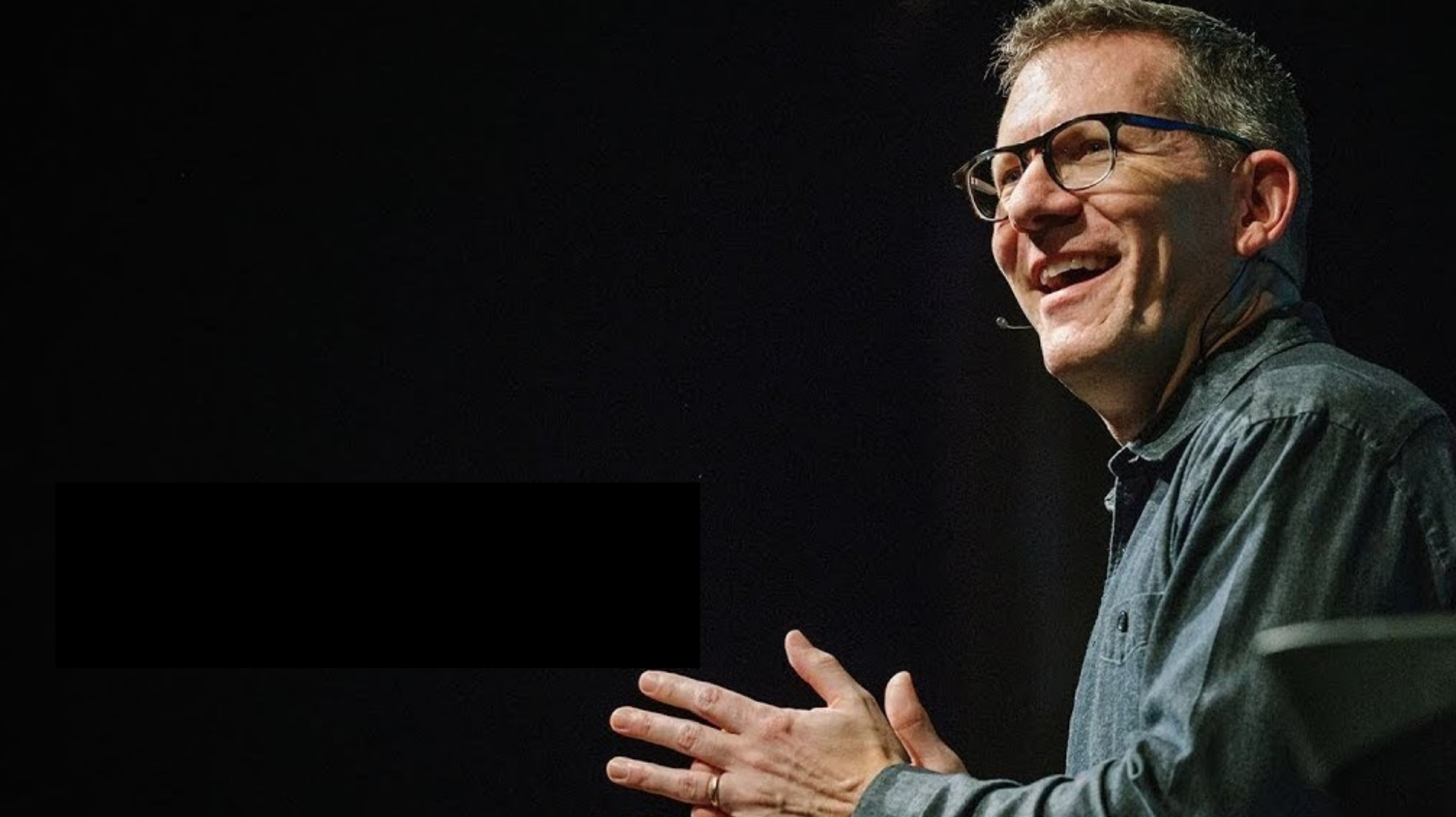
by Andy Crouch
Andy Crouch, partner for theology and culture at Praxis, shares about the drama of leadership and how to navigate the tensions of authority and vulnerability as a faith driven entrepreneur. Andy presents a 2×2 matrix and explains the surprising reality that “authority and vulnerability go together at the moments of greatest flourishing in our lives,” and calls entrepreneurs to consider the role of authority, vulnerability, control, and safety.
Average Investor is Failing

Article originally posted here by Paradiem
Ask anyone what they think of stock investing and you get many different answers. I’ve known experts who believe investing in the stock market is like gambling in Vegas. I’ve also known professionals who passionately defend owning the best and brightest companies in the US and around the world. It might surprise you, but both groups have great evidence to make their case.
Unfortunately, the answer is not as cut and dry as most people are comfortable with. At the end of the day, it’s all about the perspective of your experience. There is evidence that the results of the markets and the results of most investors are not the same.
If that surprises you, let me introduce you to a study that has been done for over 25 years by a company called Dalbar. Dalbar made a name for themselves by studying how the average investor has performed. They run their studies over 20-year rolling periods, but the results have been consistently frightening.
The results of the study from 1998 – 2018 was just published. What I will share with you here, reveals a similar difference that has existed since Dalbar began running their reports. This specific 20 years of stock investing includes two of the worst bear markets we have seen. It also includes a lot of volatility even as the markets have made an incredible recovery from the bottom in 2009. During those 20 years, the S&P 500 returned 5.6 percent per year. During that same time, the average investor only gained 1.9 percent per year. If you dig into these numbers a little more, you find these “average investor” returns don’t even keep up with inflation. Meaning, the average investor is losing spending power every year they invest if they fall victim to the averages.
What’s happening to cause such a disparity? On the surface, there’s an easy answer. People are acting irrationally. When things go poorly, they sell. When things go well, they buy. But what if something even more profound is going on?
In a previous blog post, I discussed how investors who let their emotions drive their decisions, perform substantially worse than those who take a long-term perspective. On the surface this is an issue of emotions, but at the end of the day, it starts with where your truth comes from. As Christian advisors, our basis and starting point is the Bible. We base our investing principles on the Kingdom of God.
Personally, I’ve found that investing based on God’s Kingdom, unlocks a perspective allowing many investors to eliminate the emotional tug-of-war. It also allows investors to focus on what matters and greatly improve the probability they will achieve results more in line with what is expected when you own the best and brightest companies in the US and around the world.
I’d like to explain three kingdom perspectives that can help improve your view on investing.
The first is found in Matthew 6:25. Jesus says, “Therefore, I say to you do not worry about your life, what you will eat, or what you will drink, nor about your body, what you will put on. Is life not more than food and the body more than clothing?”
On the surface, this appears to be a lesson on what we’re eating and wearing. Take a step back and consider that the majority of our life is typically consumed by one of those two things. Jesus is speaking about the everyday worries of life that cause us concern and get us off track from what we should be thinking about, eternity.
In the very next verse, Jesus says, “Look at the birds of the air, for they neither sow, nor reap, nor gather in the barn yet your Heavenly Father feeds them. Are you not of more value than they?”
We need to consider how important we believe we are to God. When the market experiences overall volatility, is our trust in our investment performance? Or do we trust God to take care of us?
We want to believe we’re trusting God, but the performance of the “average investor” tells us we are often trying to take God off of His throne and take control for ourselves. Trusting that God is good and has us in his hand is one key to eliminating worry.
The second perspective is found a few verses later, in verse 33. Jesus says, “Seek first the Kingdom of God and His righteousness and all these things shall be added to you.” God is saying if we make Him our first priority, then His commitment is to take care of everything else that is going on in our life.
We begin this process by discovering which investments would honor God. If we seek Him in the beginning as we make our investments, wouldn’t we trust Him to take care of how we’re invested? Do we feel the need to intervene?
The more I focus on myself, the more my worry tends to rise. However, when I seek God’s Kingdom and His priorities, I tend to worry less about myself and start to see the opportunities in the world around me.
I encourage you to live a life that embraces seeing the best in others and speaking love and kindness to others as you go through your day. Imagine if we spent our time thinking about and loving others the way that Jesus did when he walked the earth. We would be living out God’s principles and he promises to take care of what we have.
The third is found in Romans 14:17. Paul is speaking in relation to the scripture in Matthew when he says, “For the Kingdom of God is not eating and drinking, but righteousness, peace, and joy in the Holy Spirit.”
If we admit our first focus is around our temporary life, we realize we are missing the perspective of eternity. Paul reminds us of a simple lesson, “Our attitude will be driven by our focus.” The only things that will last beyond this life are the things we do for God’s Kingdom.
When I am focused on where God is moving and what God is doing, the gift I receive in return is unexpected peace and joy. I can’t control the world around me, but I can control the attitude and perspective I bring to the circumstances. God is asking me to align with His agenda because He knows what I’m facing when I try to do it alone.
Next time there is uncertainty in your life, I challenge you to take God at His word and put Him to the test. You don’t have to wait for the next wave of market volatility to look for God’s peace and joy in what He’s doing in your life.
Imagine the change you could see if you shifted to a Kingdom perspective. The gains you would see in your investments would be overshadowed by the peace you would experience from God’s provision in all areas of your life. Ultimately, this comes down to one principle that resonates from God’s Word. “If we take care of God’s Kingdom, He will take care of ours.”
I have no idea how the investment markets are going to perform tomorrow or next month. What I do know, is God has called me to invest. God has also promised to take care of me over the long term.
I’ve found it to be true, if I spend my time seeking His Kingdom, the amount of time I spend worrying about what’s happening on a day‑to‑day basis seems to dissipate.
You and I both know we can’t do anything to control the daily movements of the investment market. The results of the average investor seem to show that if we tried, we’d probably end up worse off than just doing what God is calling us to do anyway, which is to trust Him.
Faith-driven stewards, entrepreneurs, and leaders are an integral and critical part of how God will be able to work in the lives of people who live in Tomorrow’s World. I submit that we must fight this battle with leadership and intentional living.
Read More →