Defining Gathering in the Faith Driven Investor Movement
  See more images from the event in the gallery below!

See more images from the event in the gallery below!

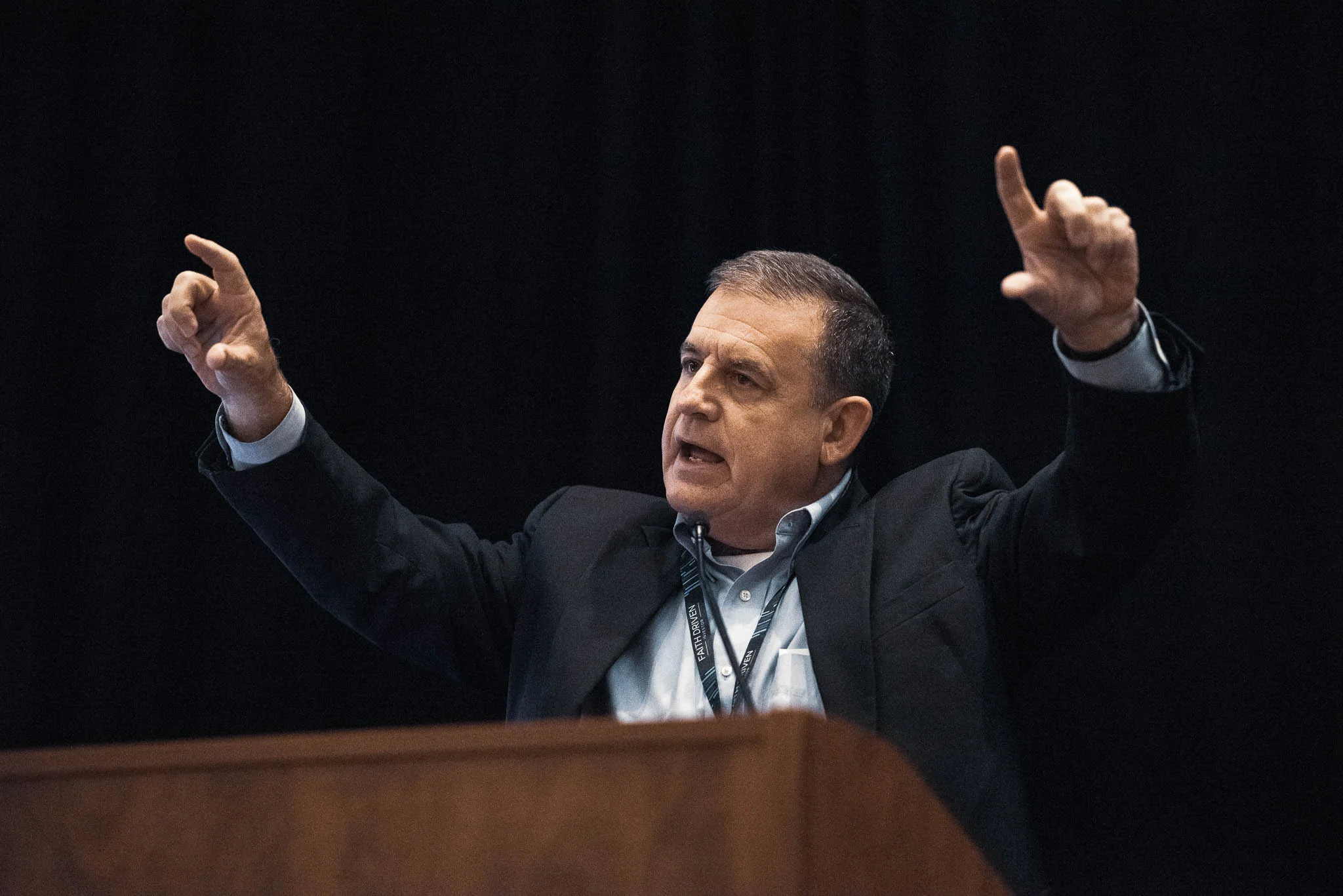
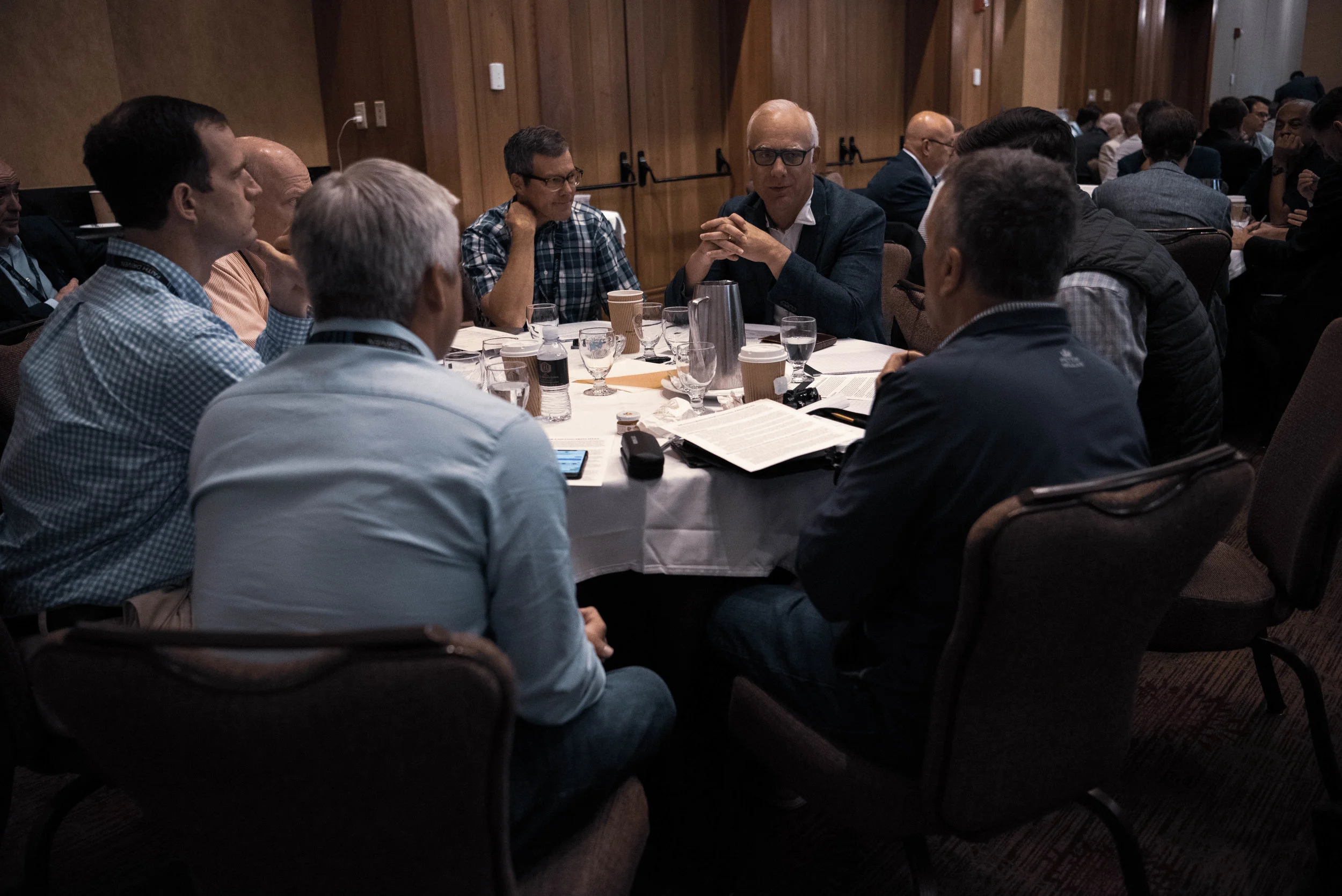
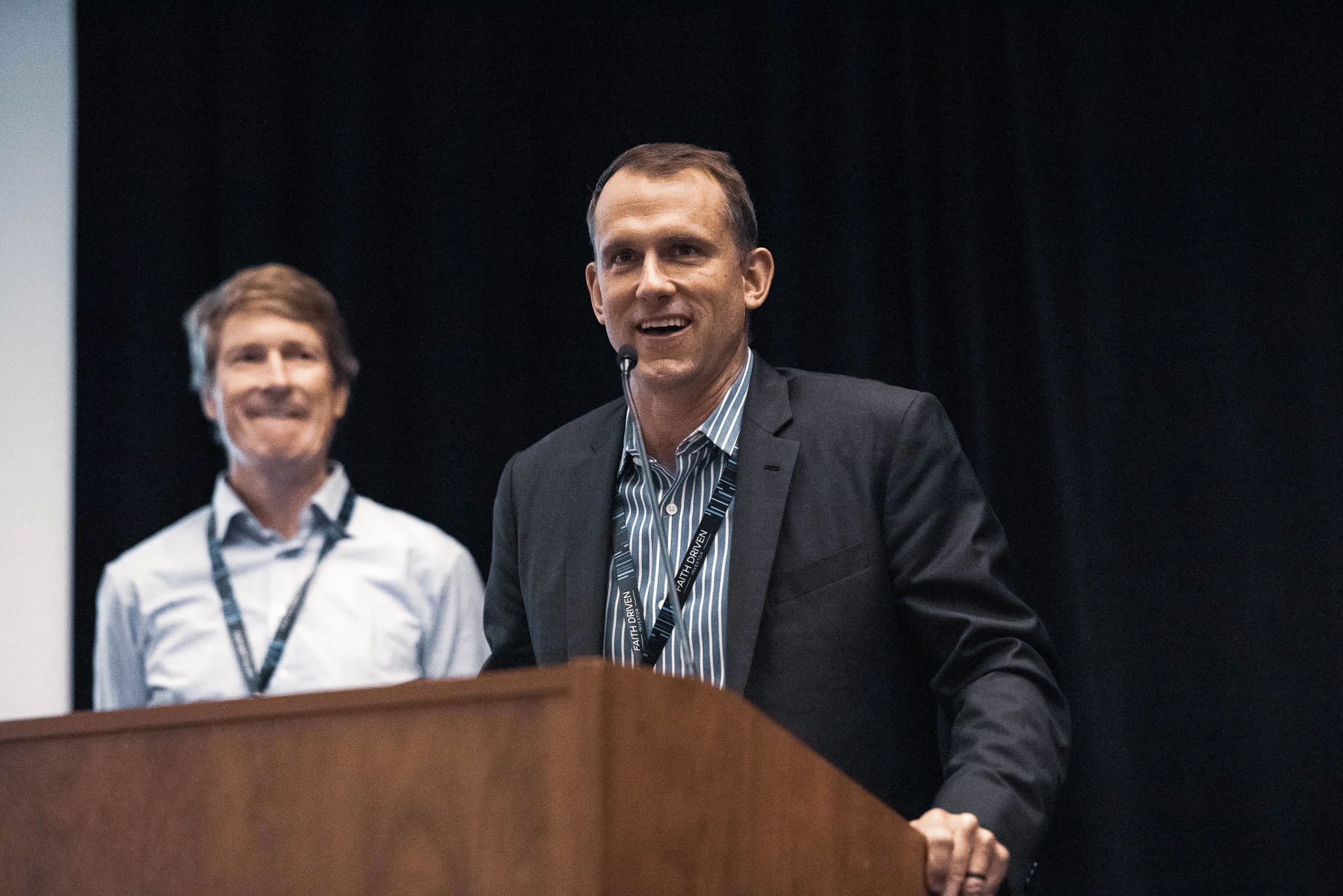
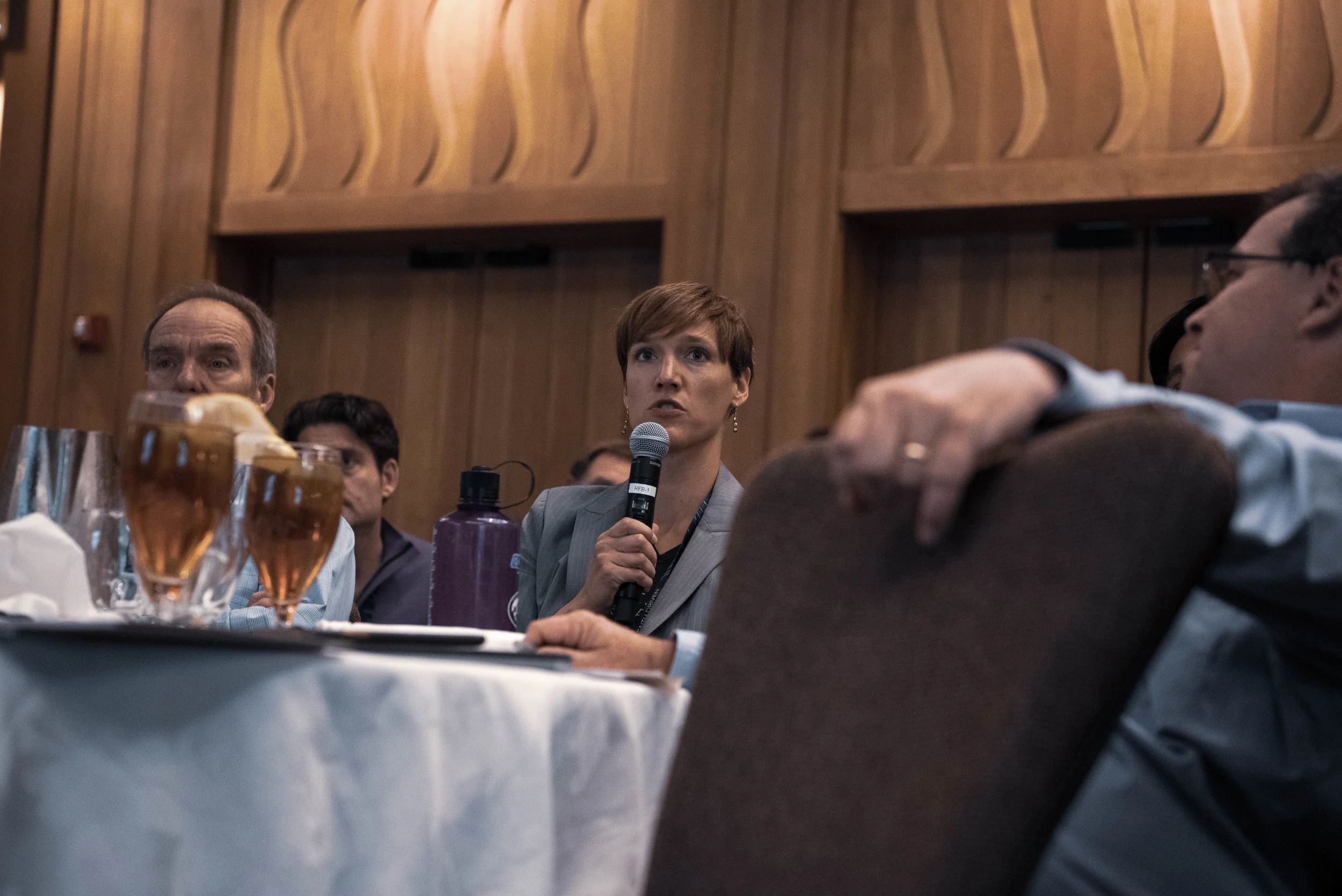
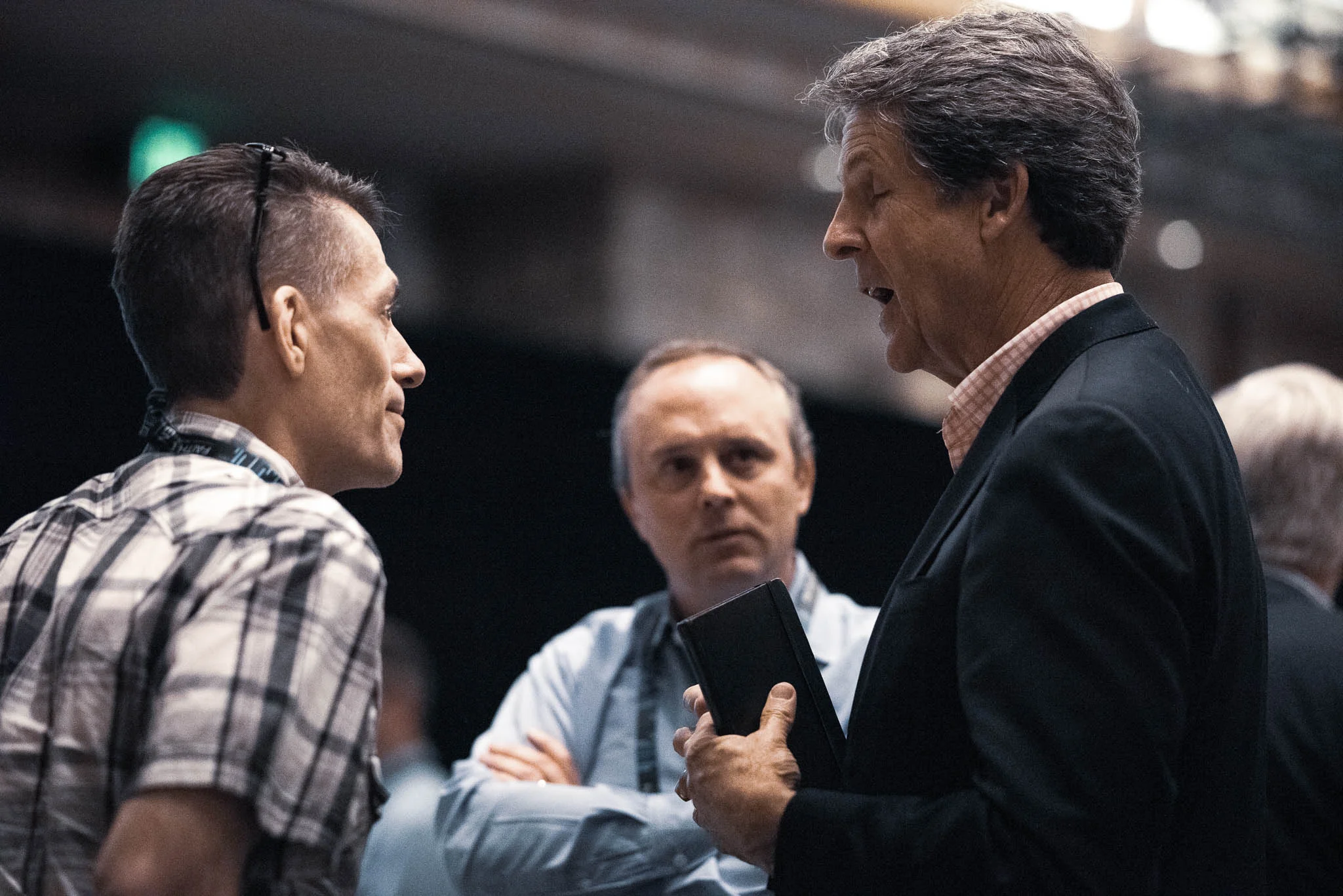
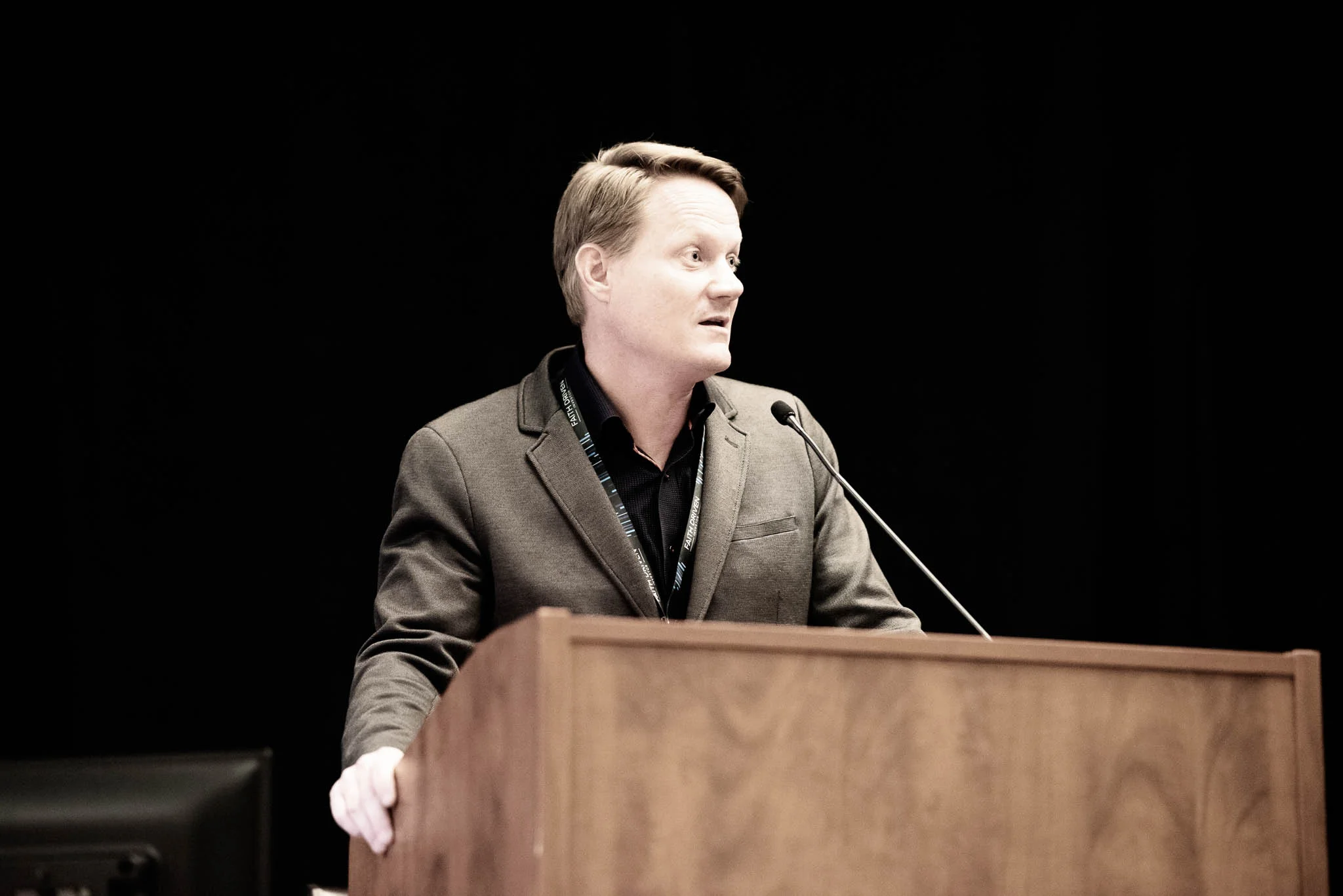
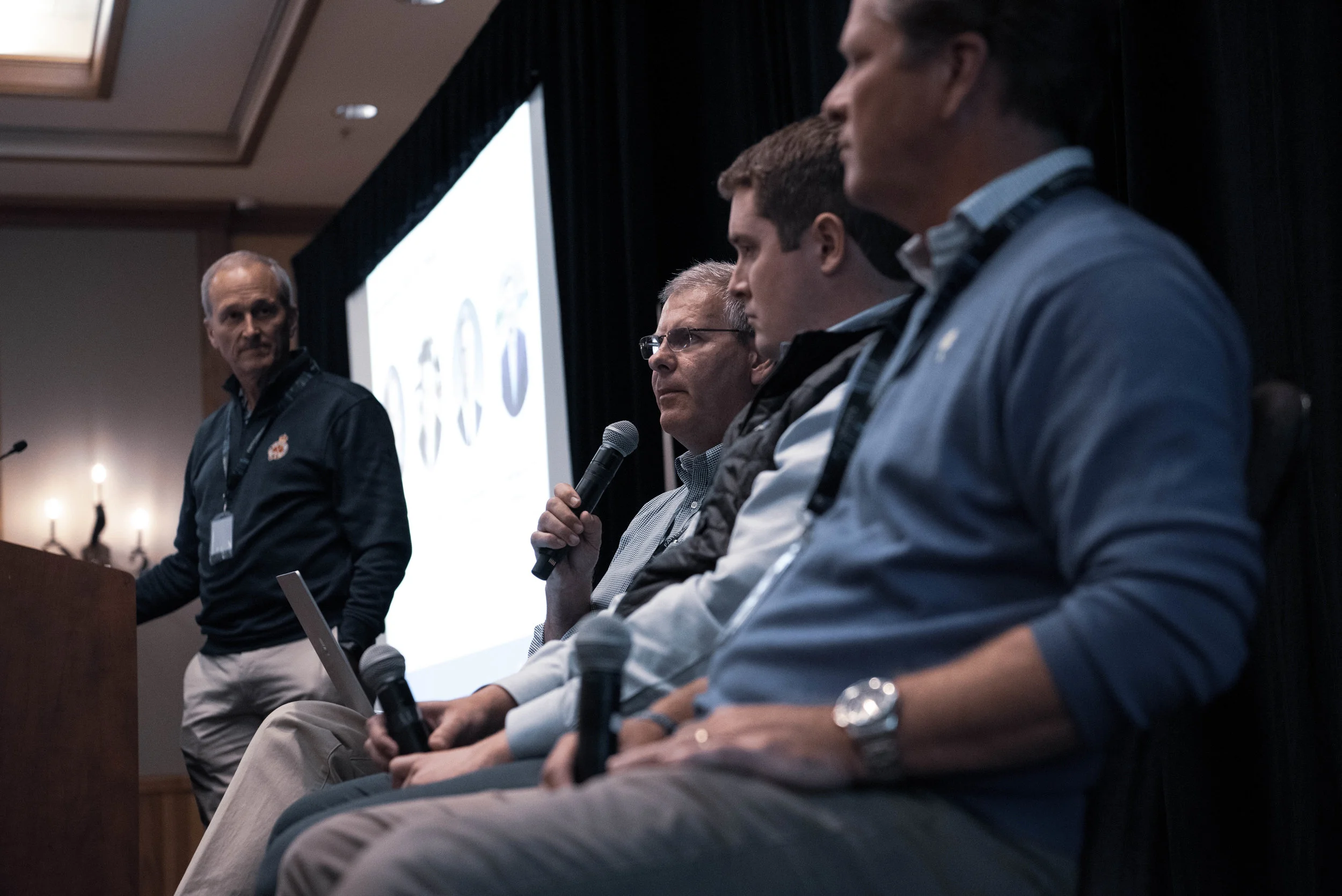
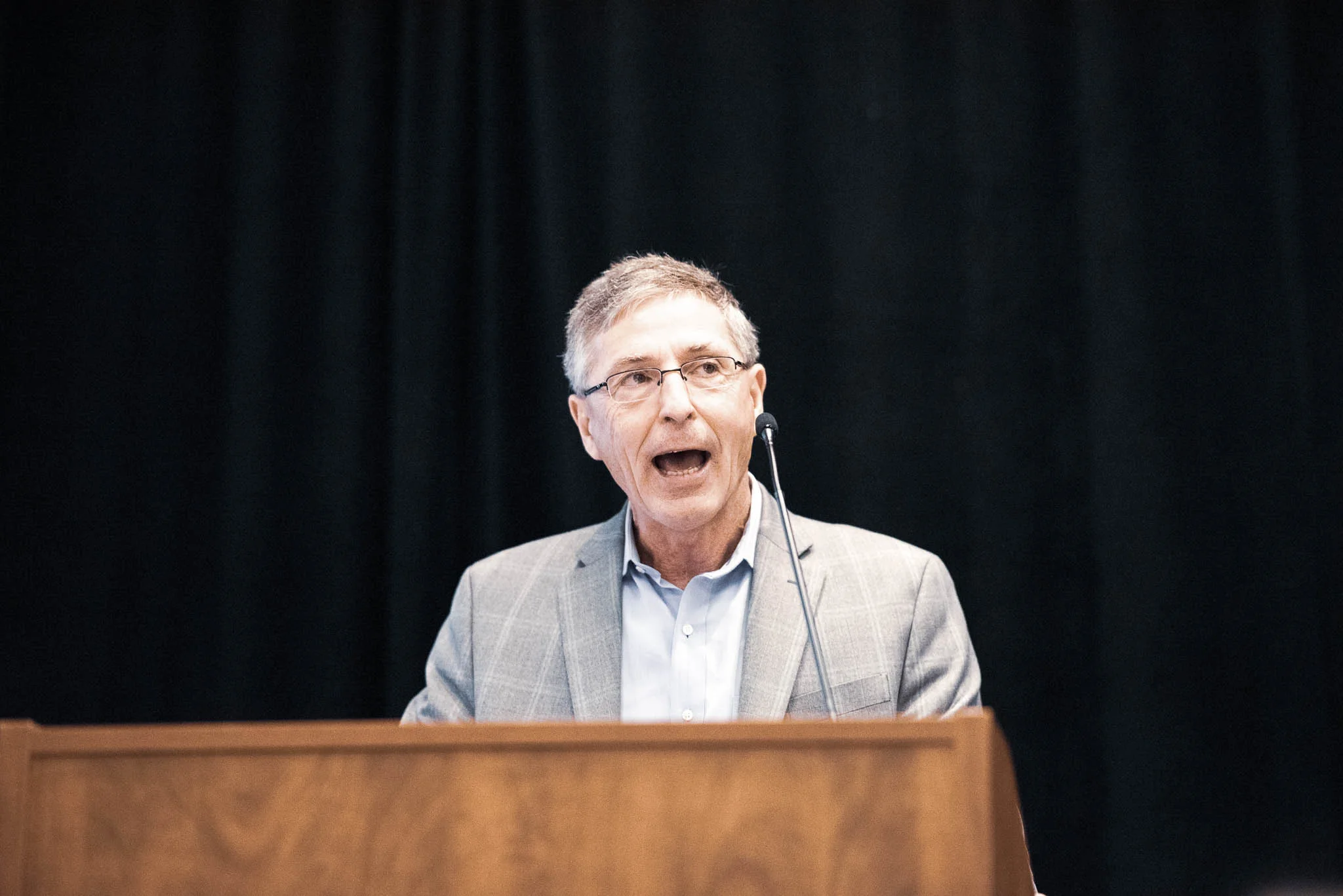
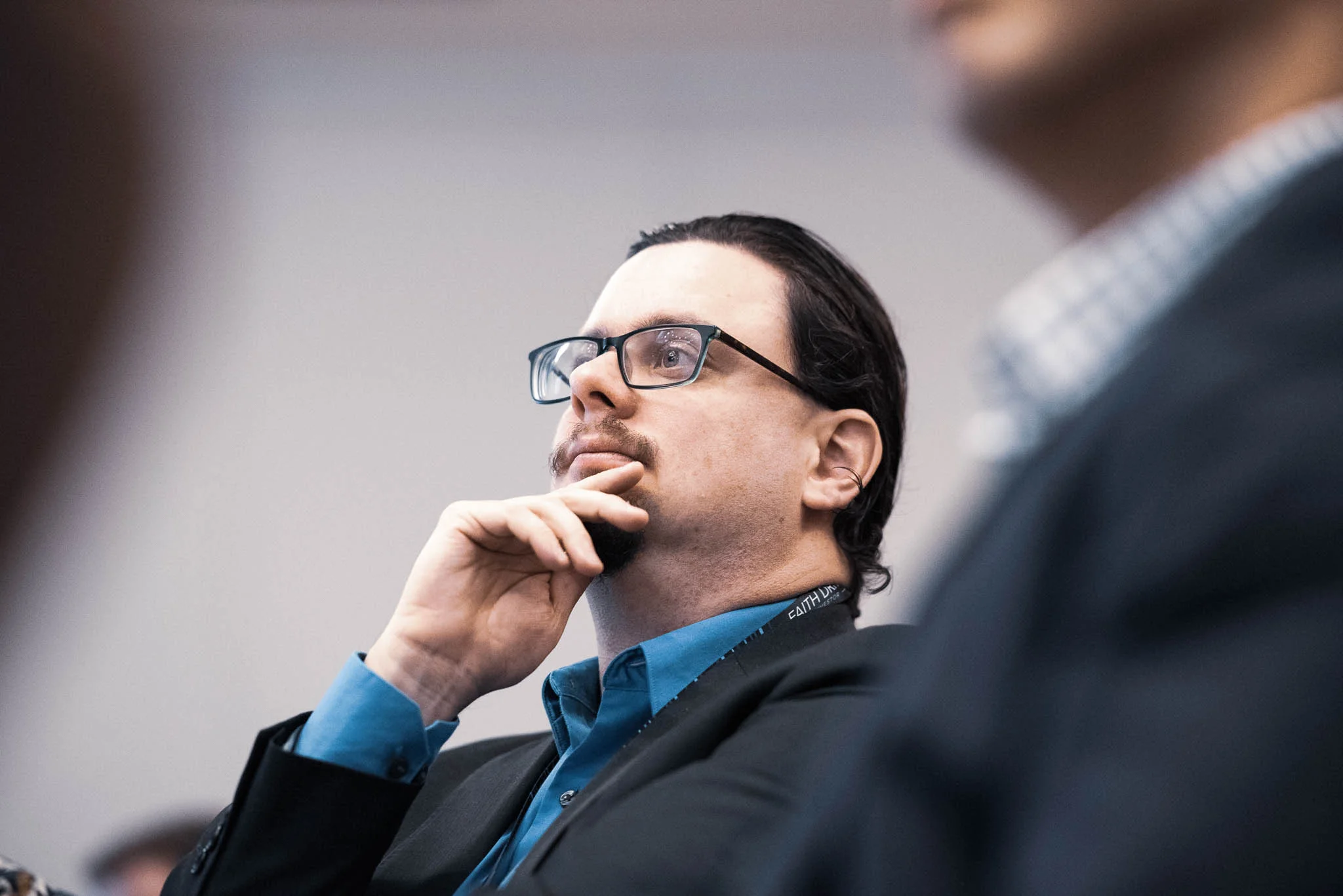
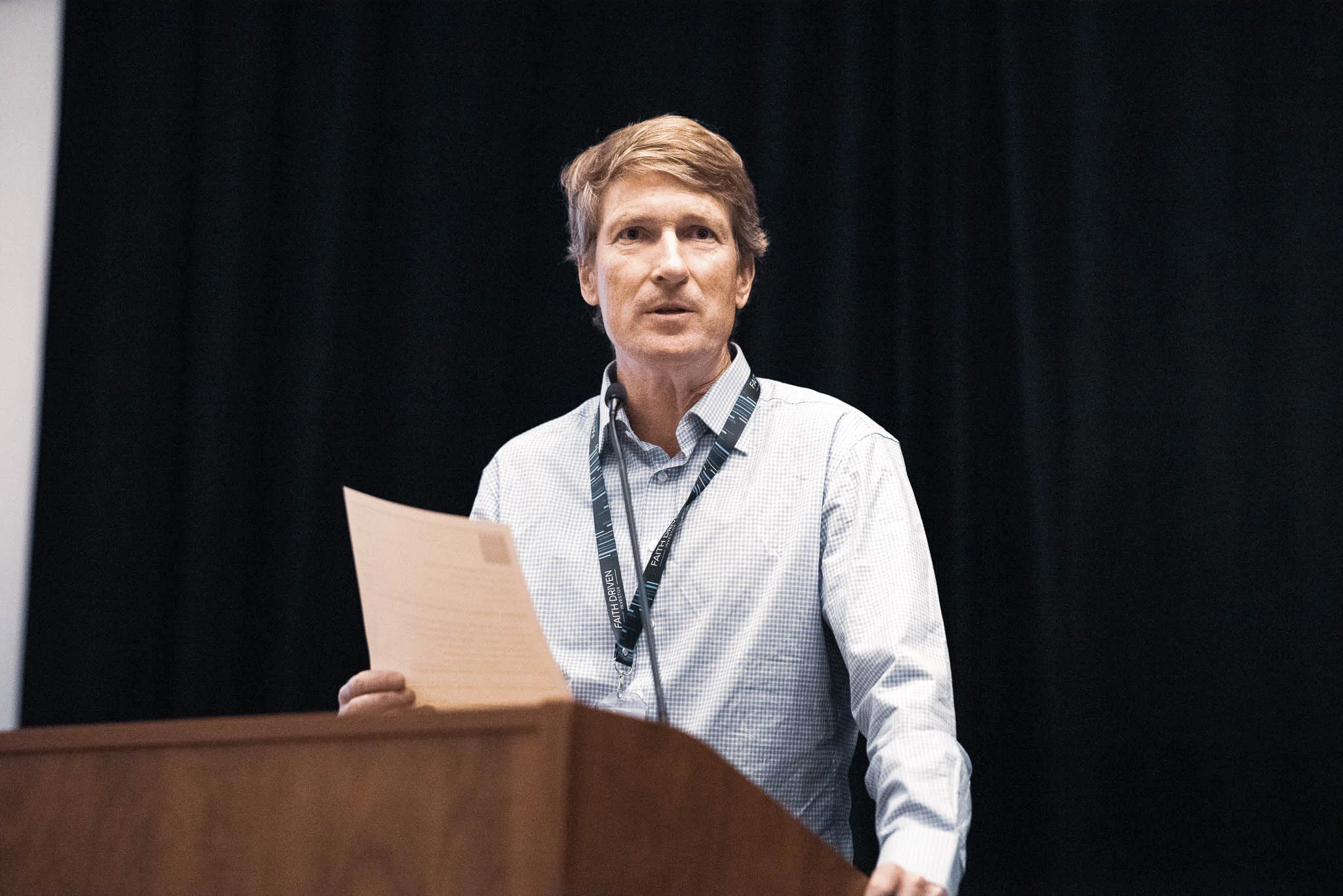
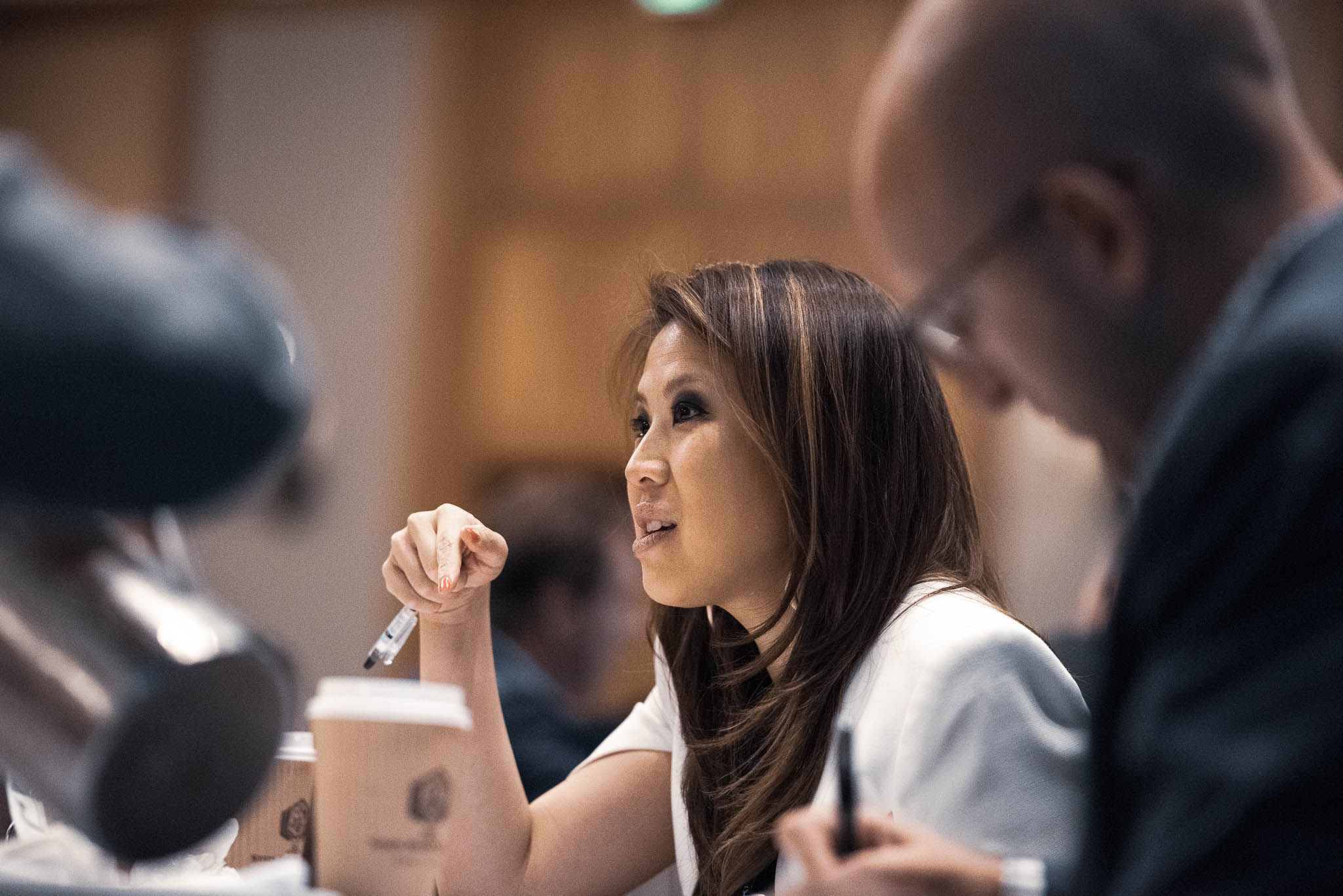
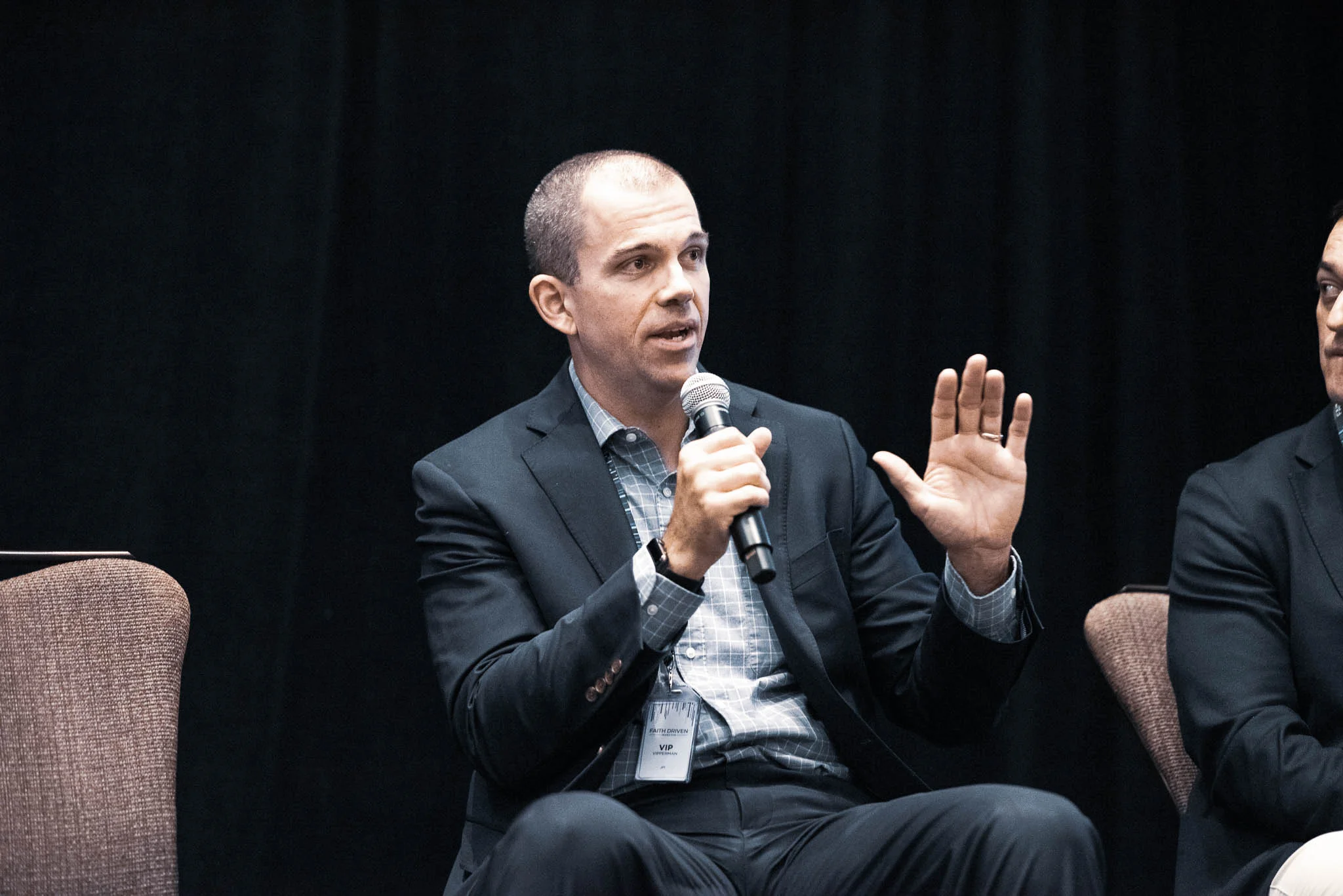
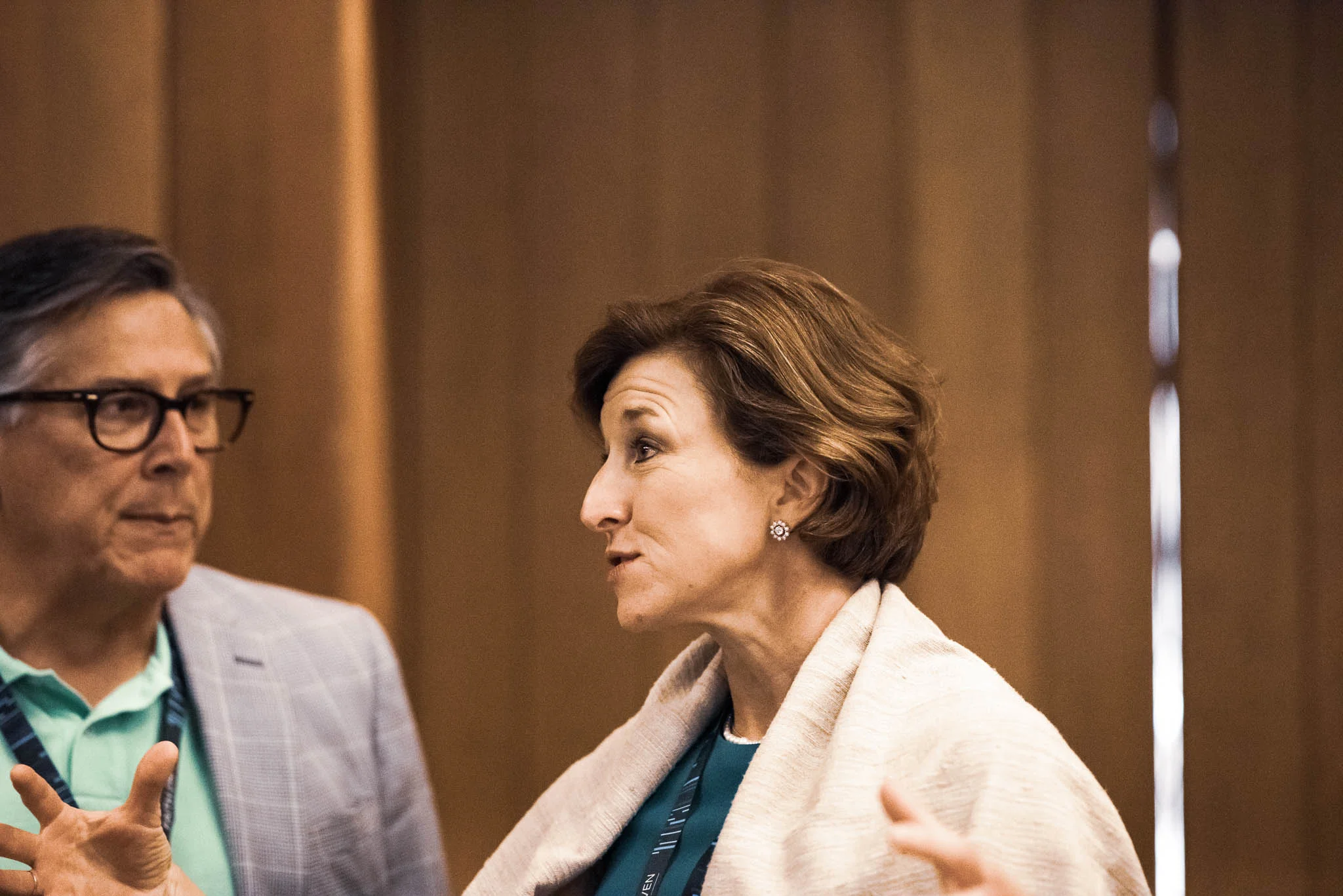
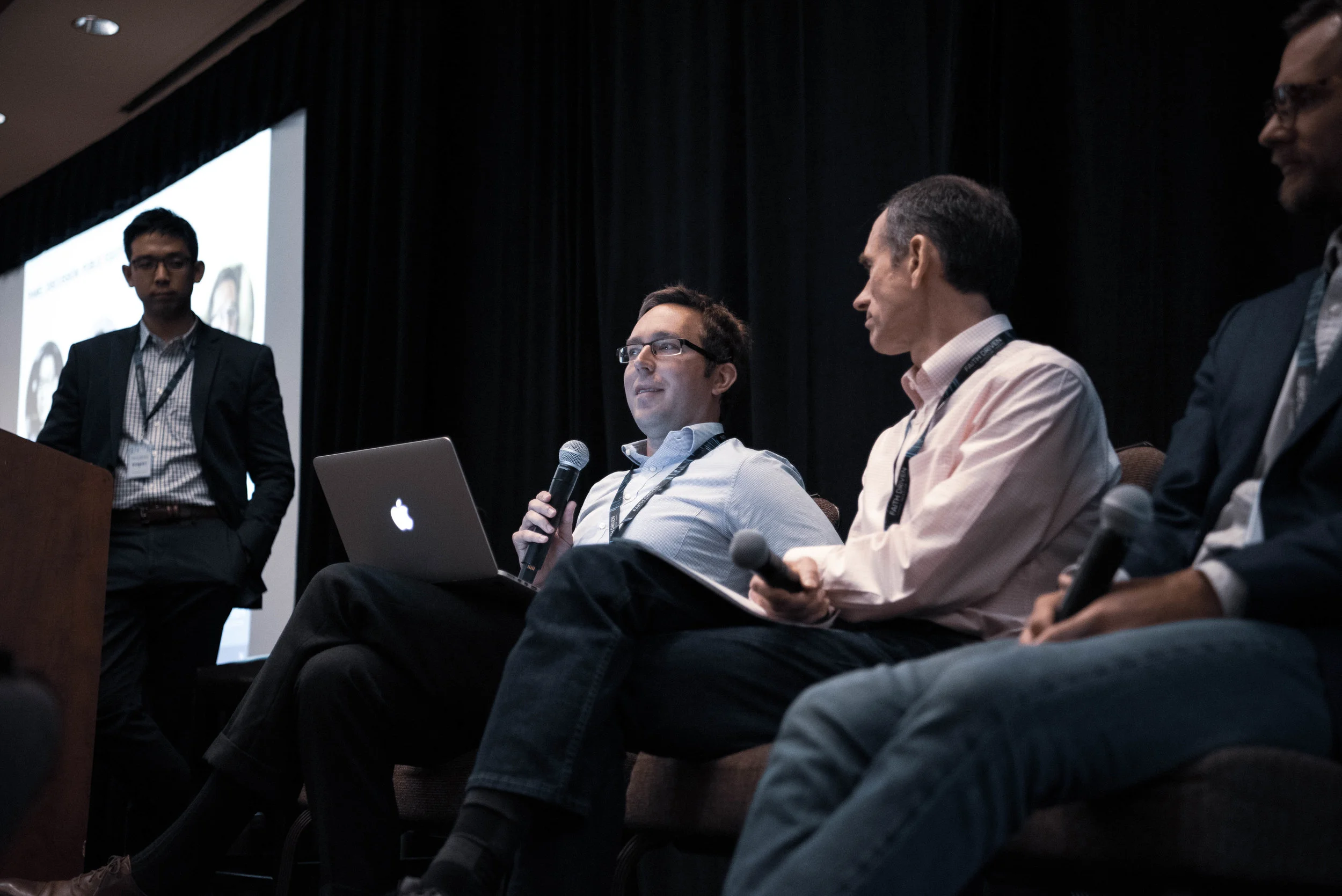
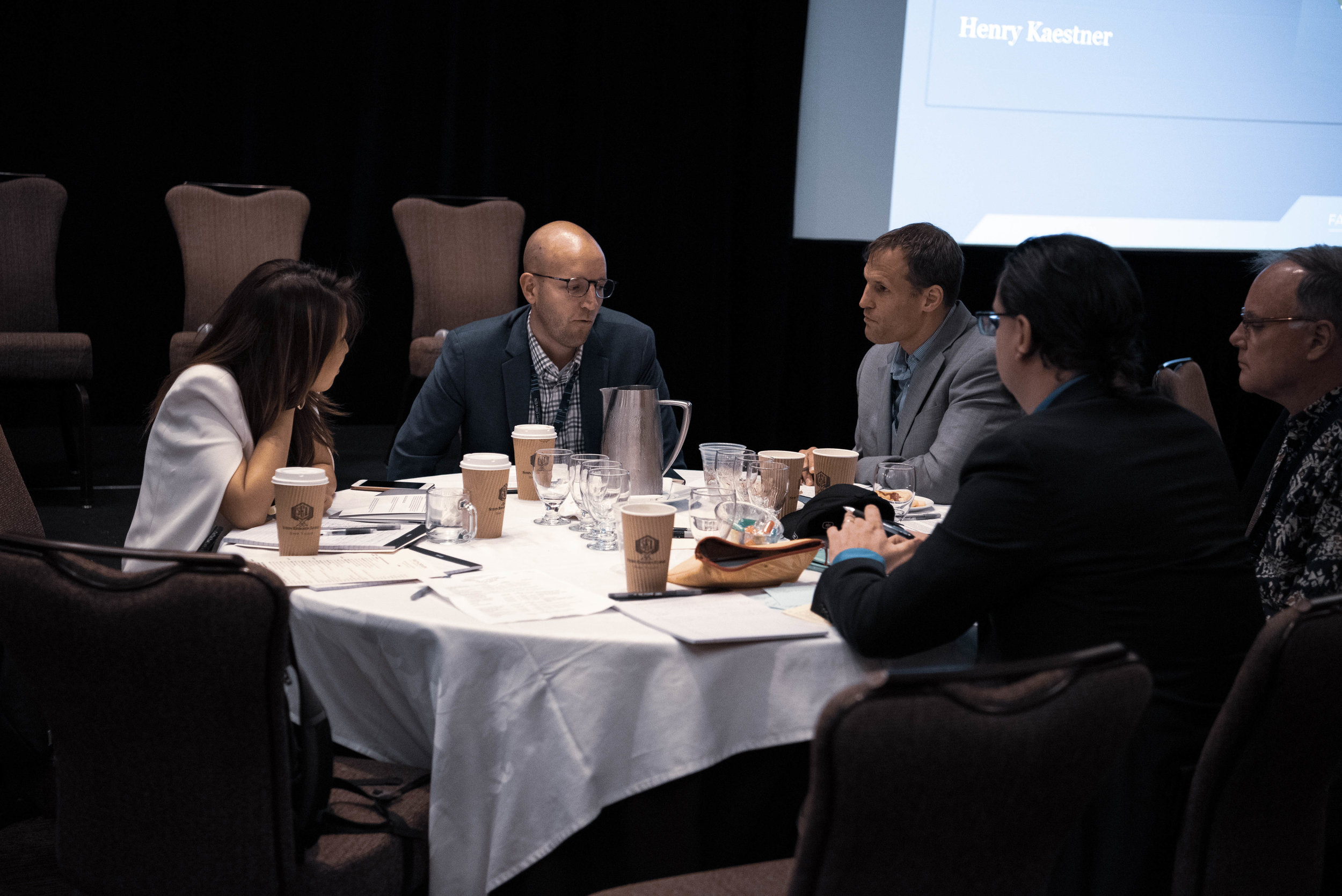
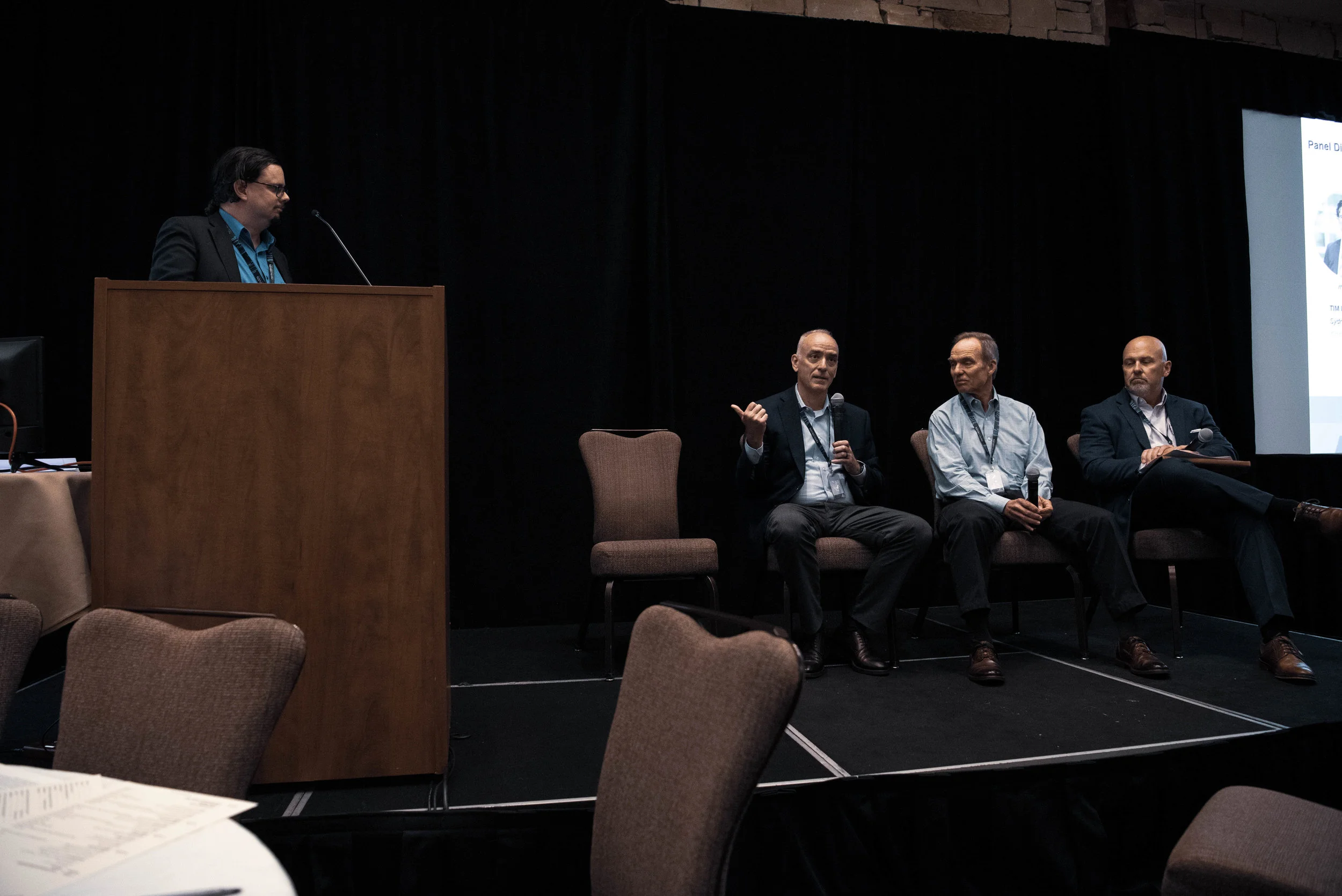
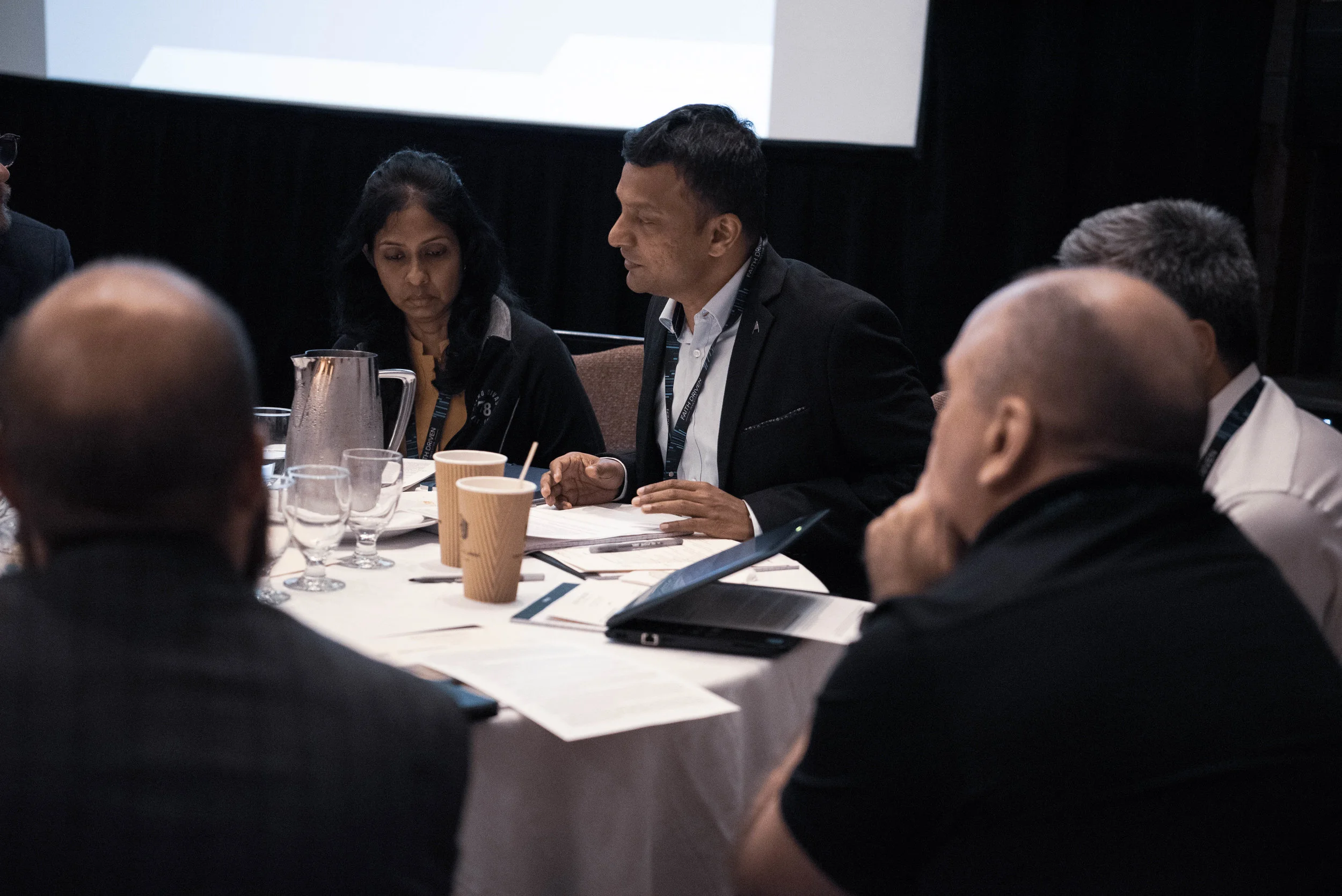
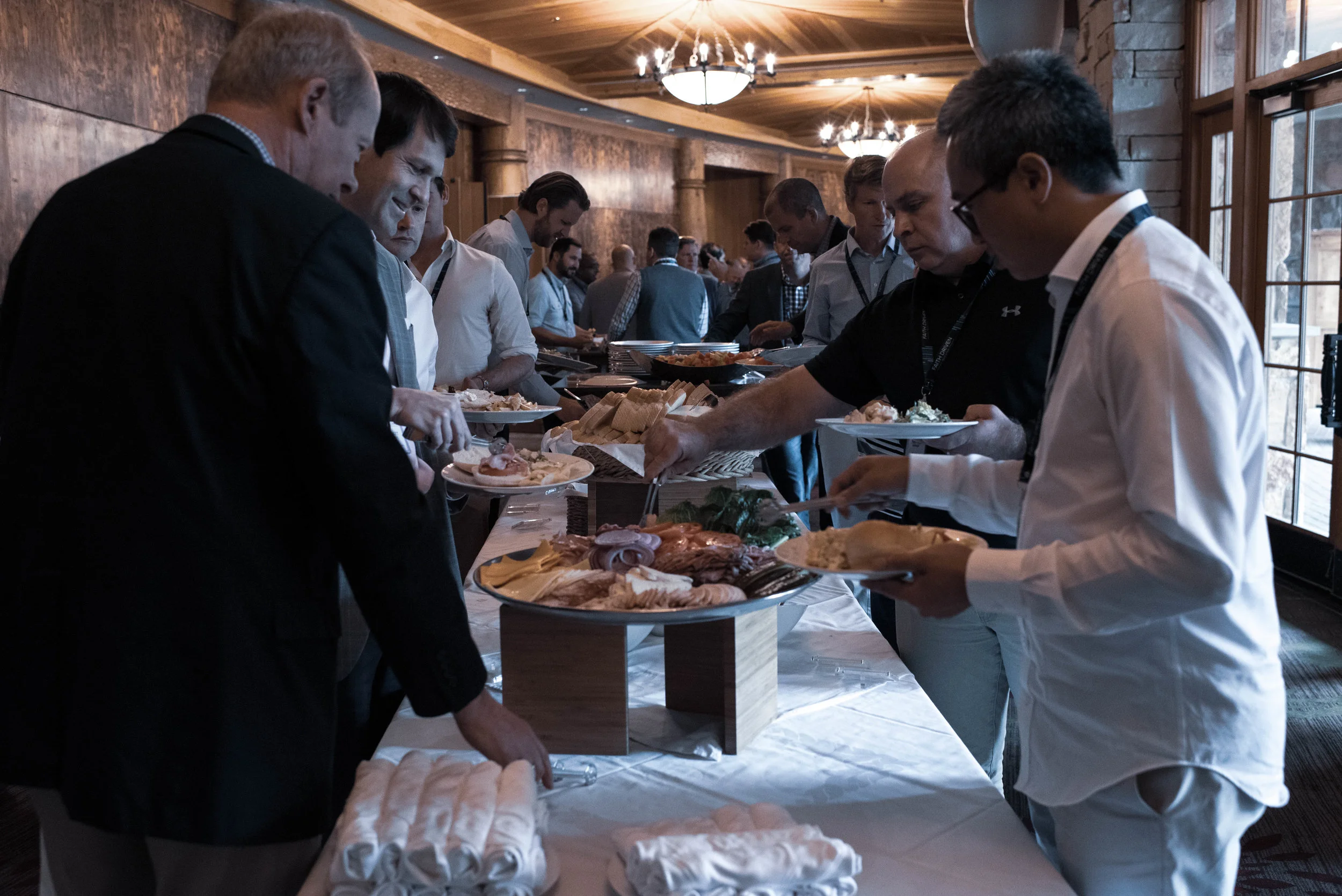
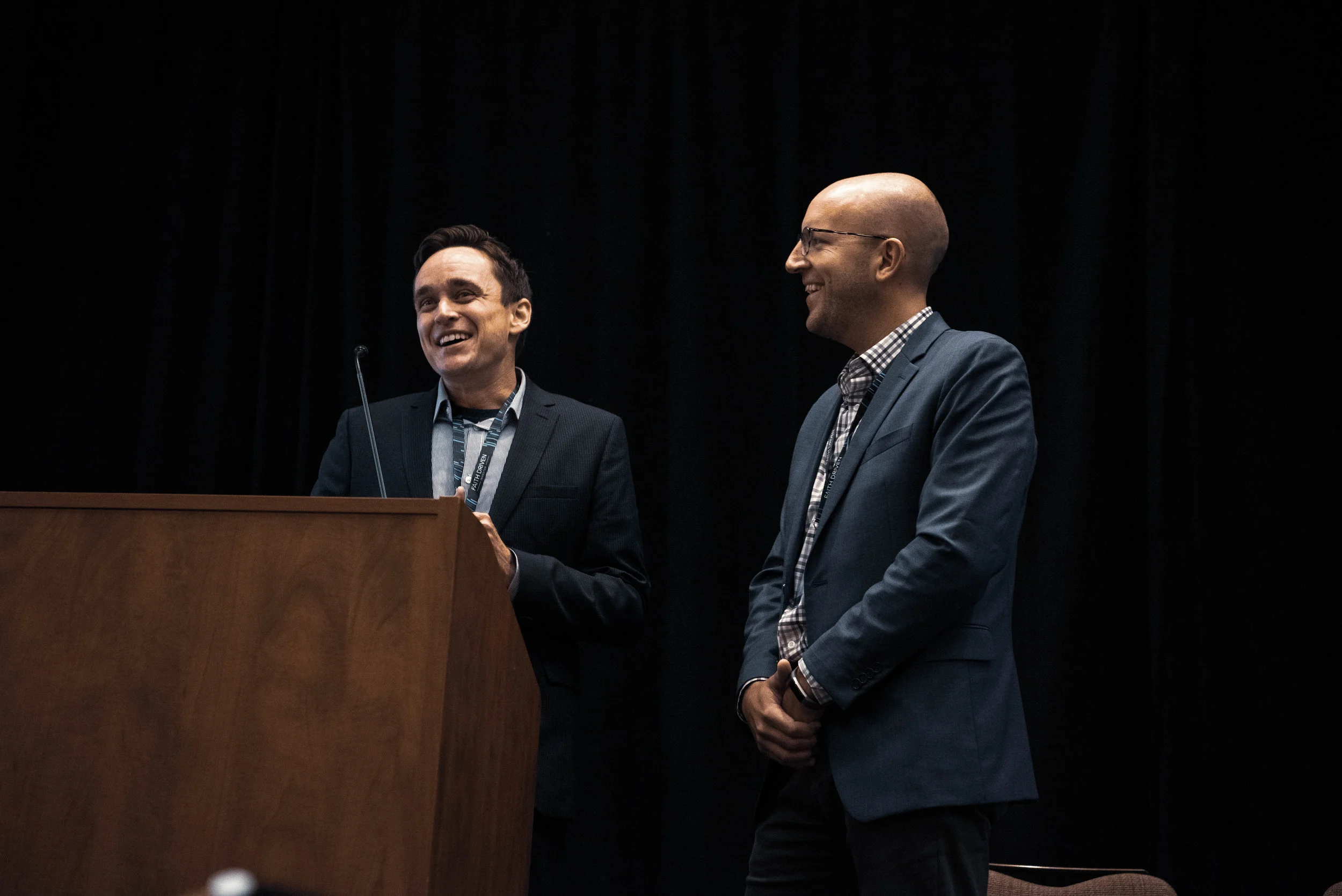
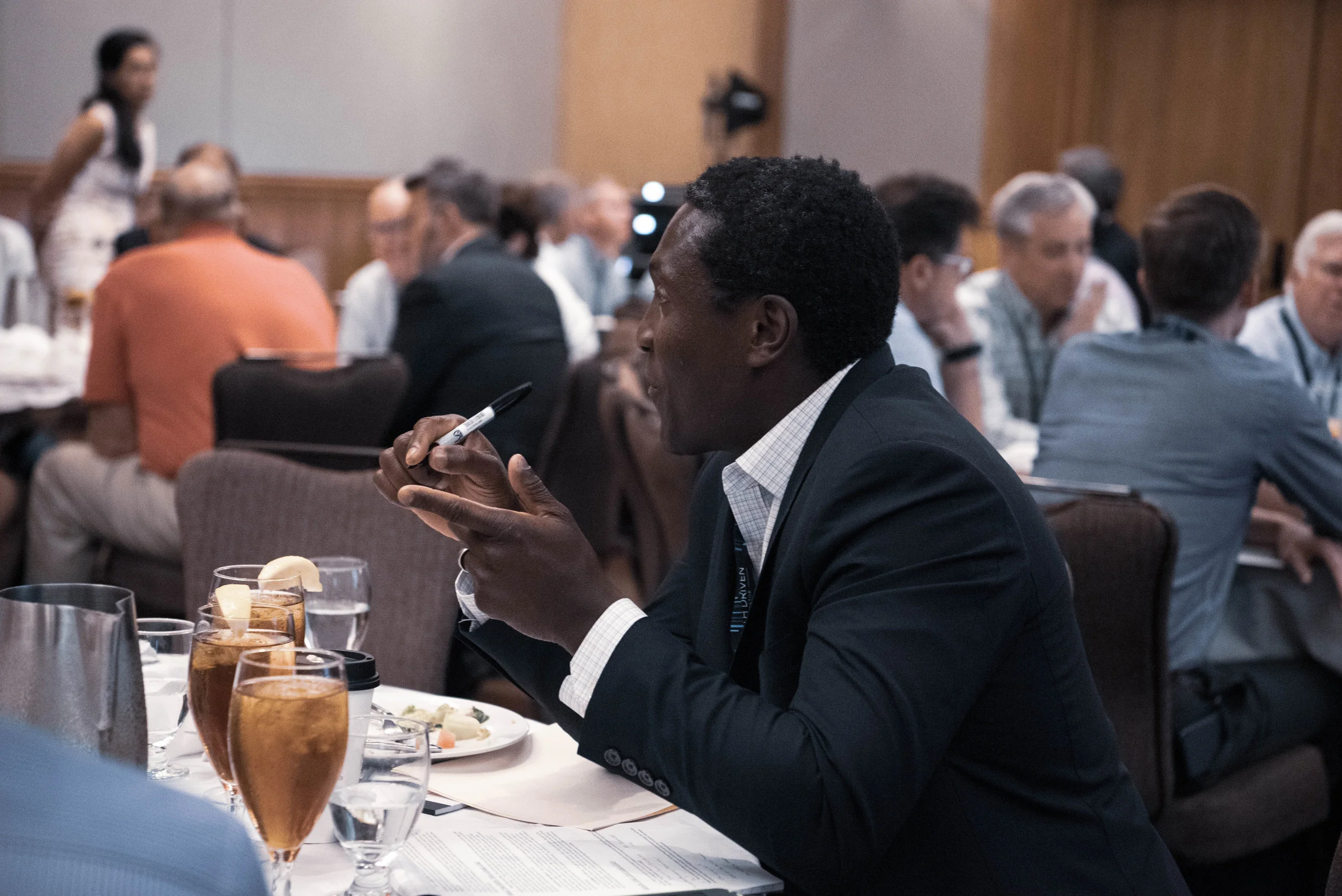
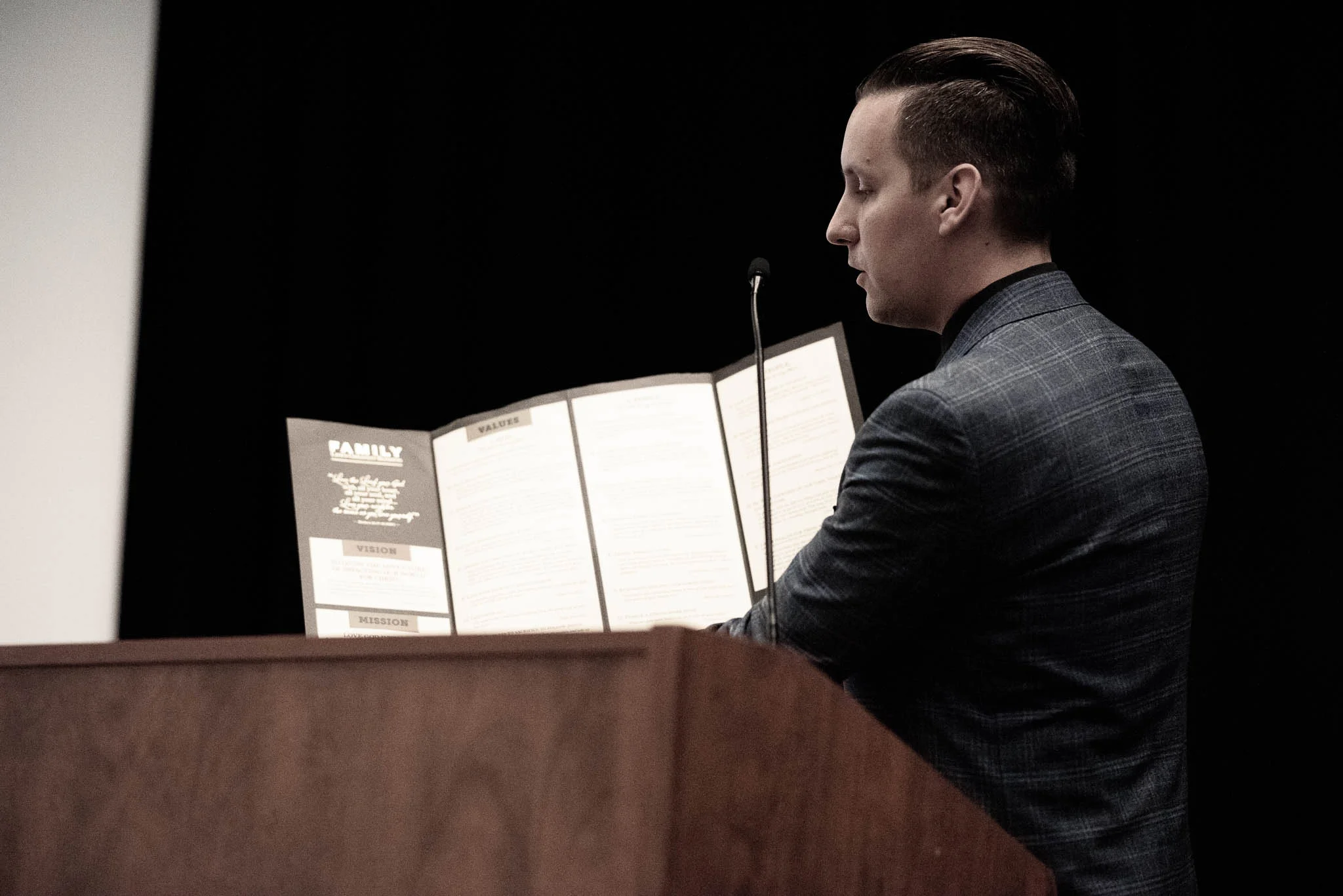
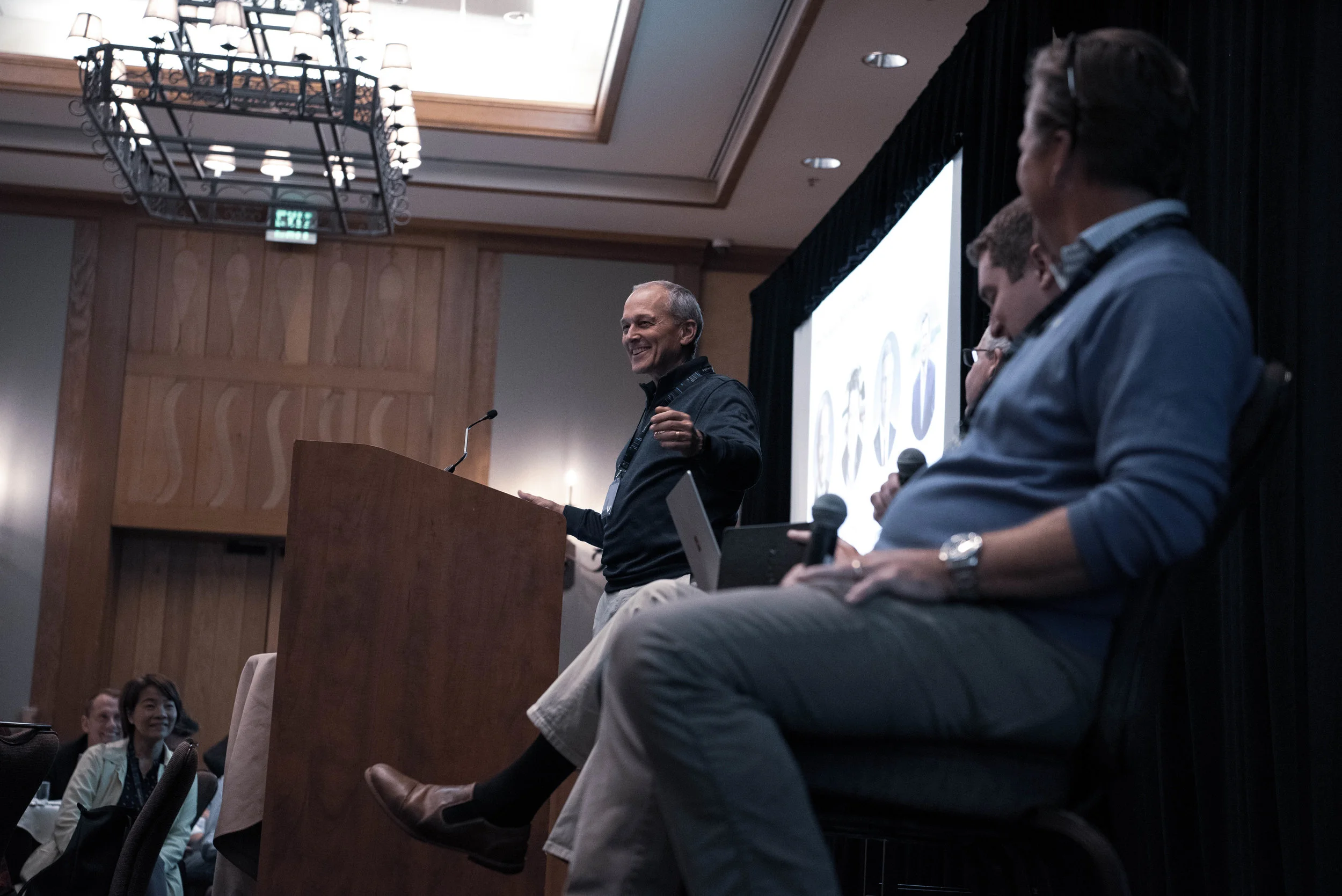
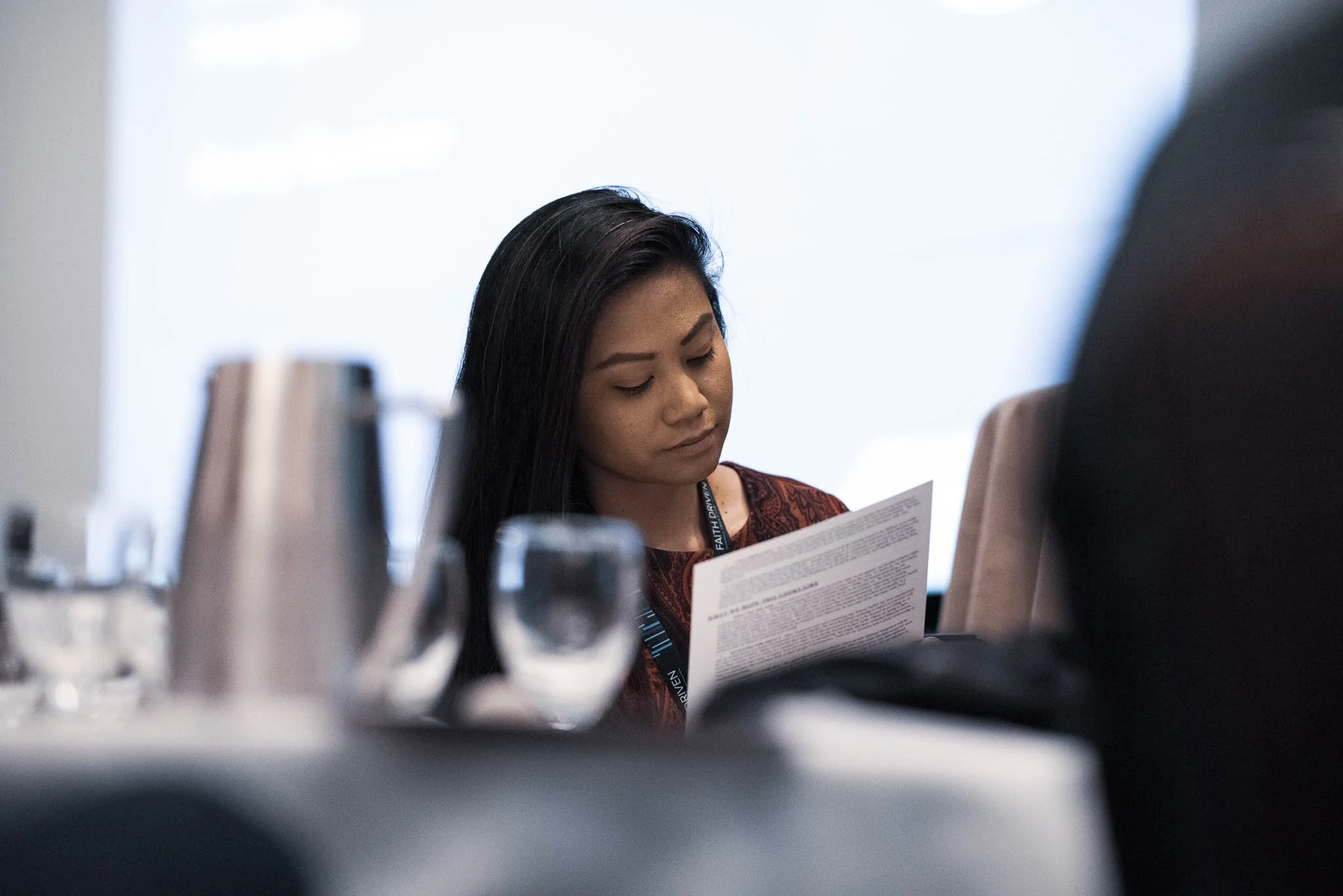
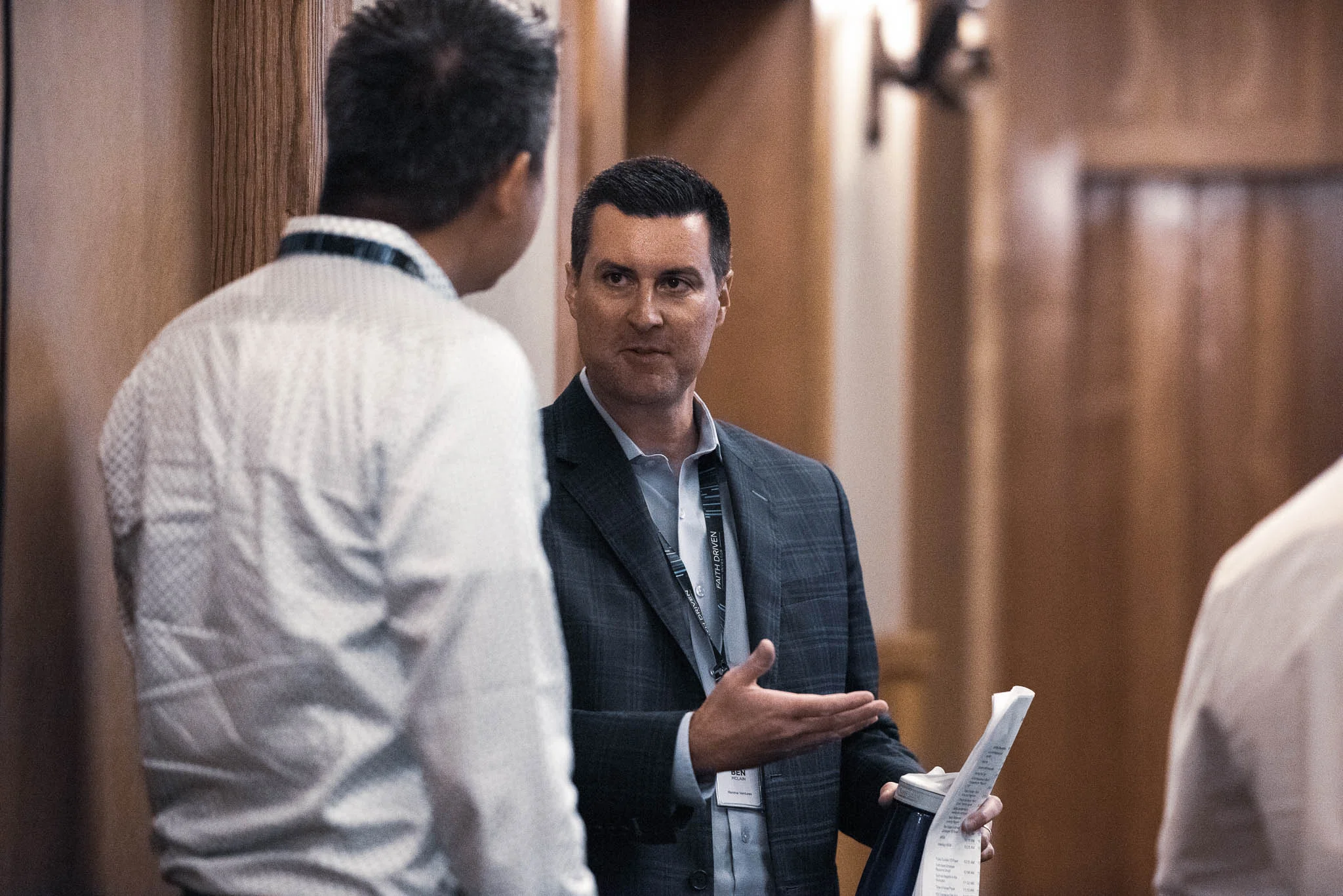
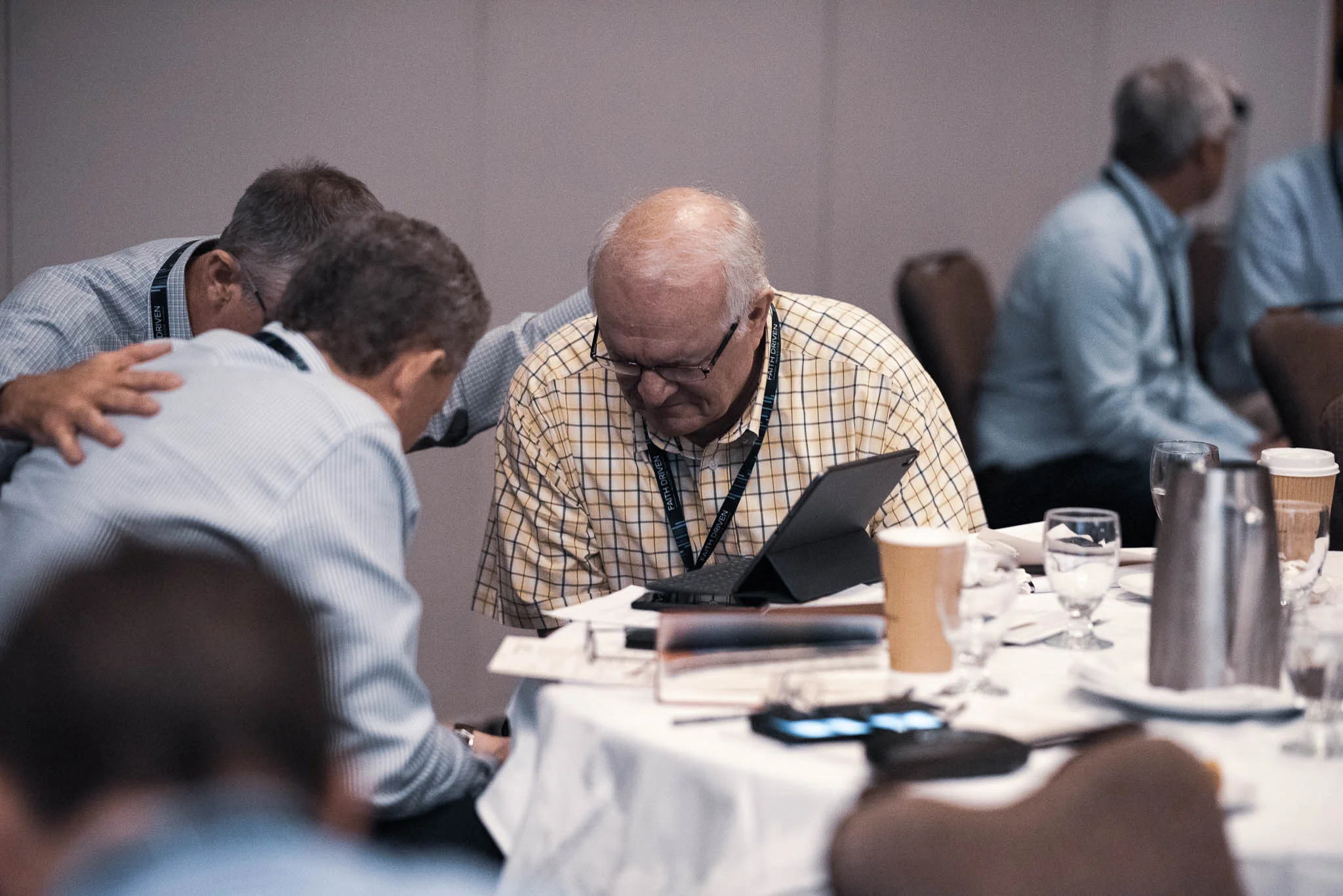
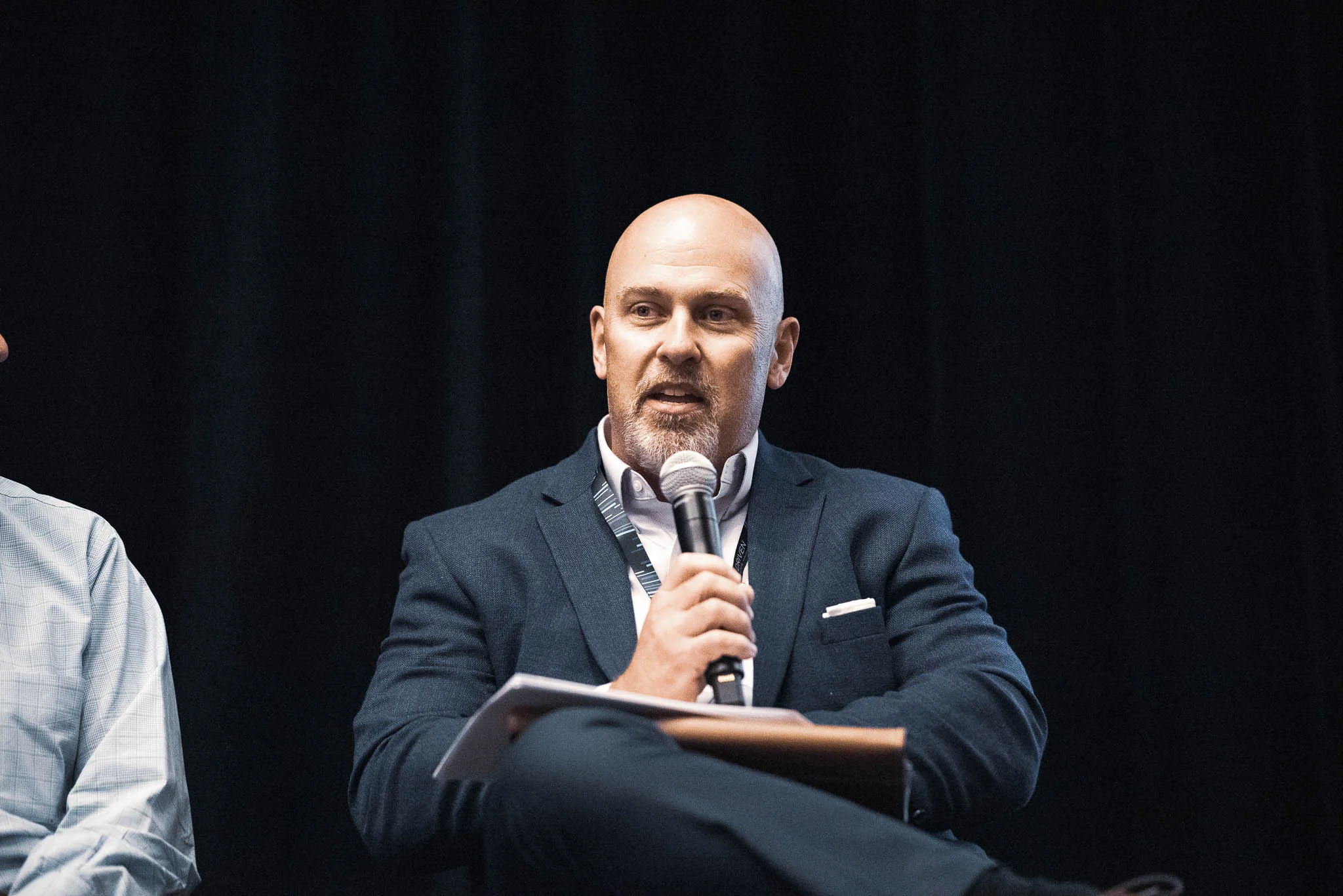
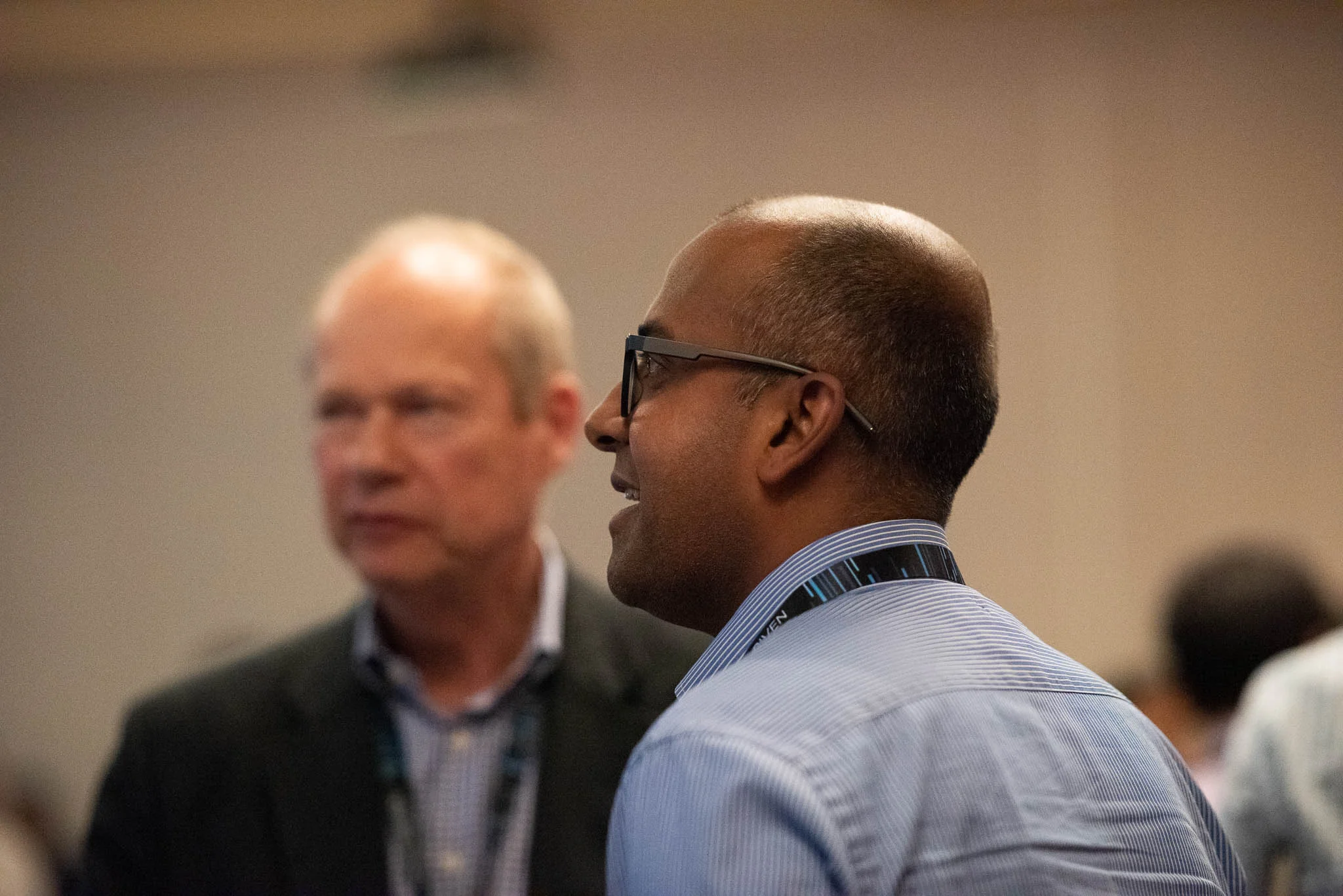
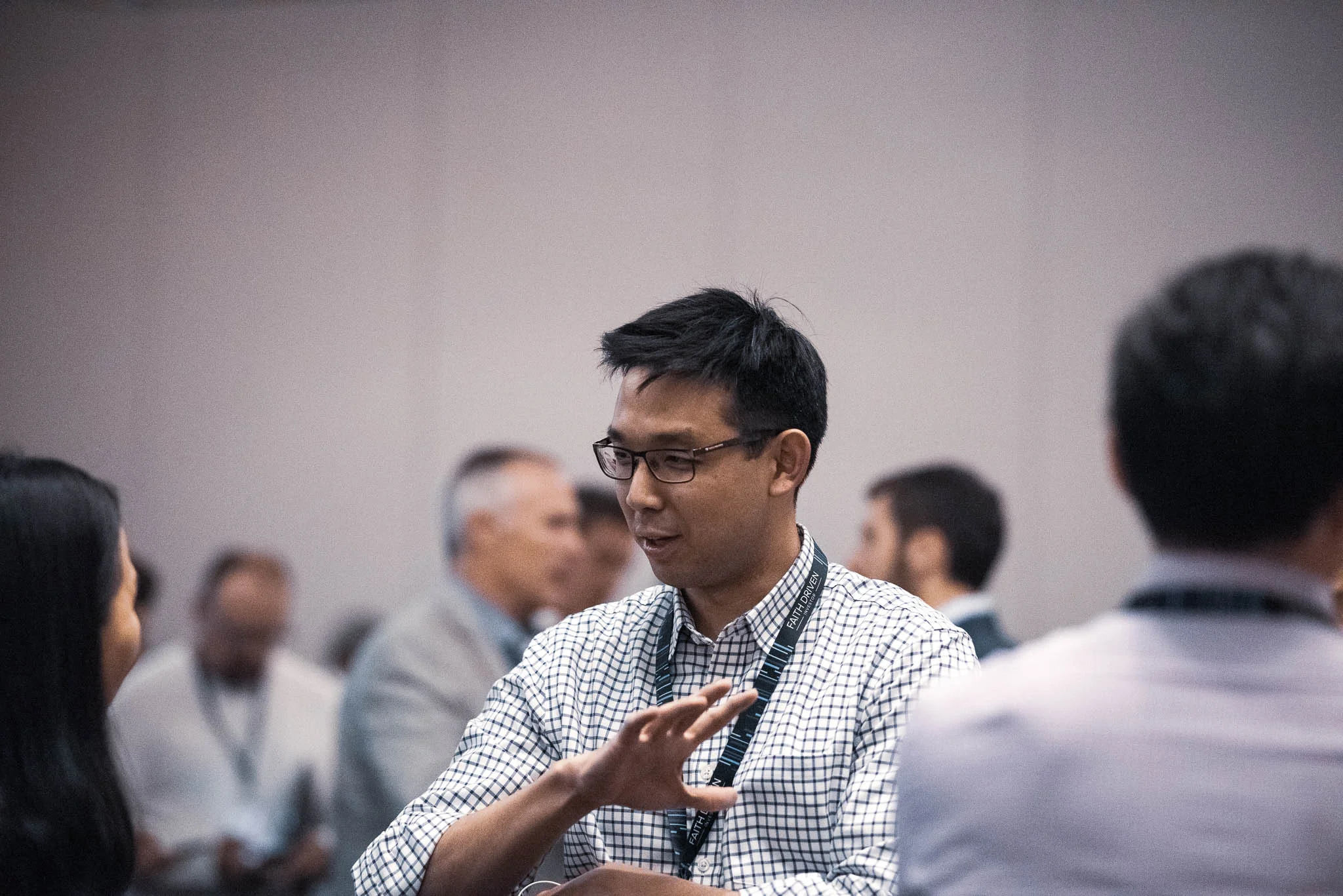
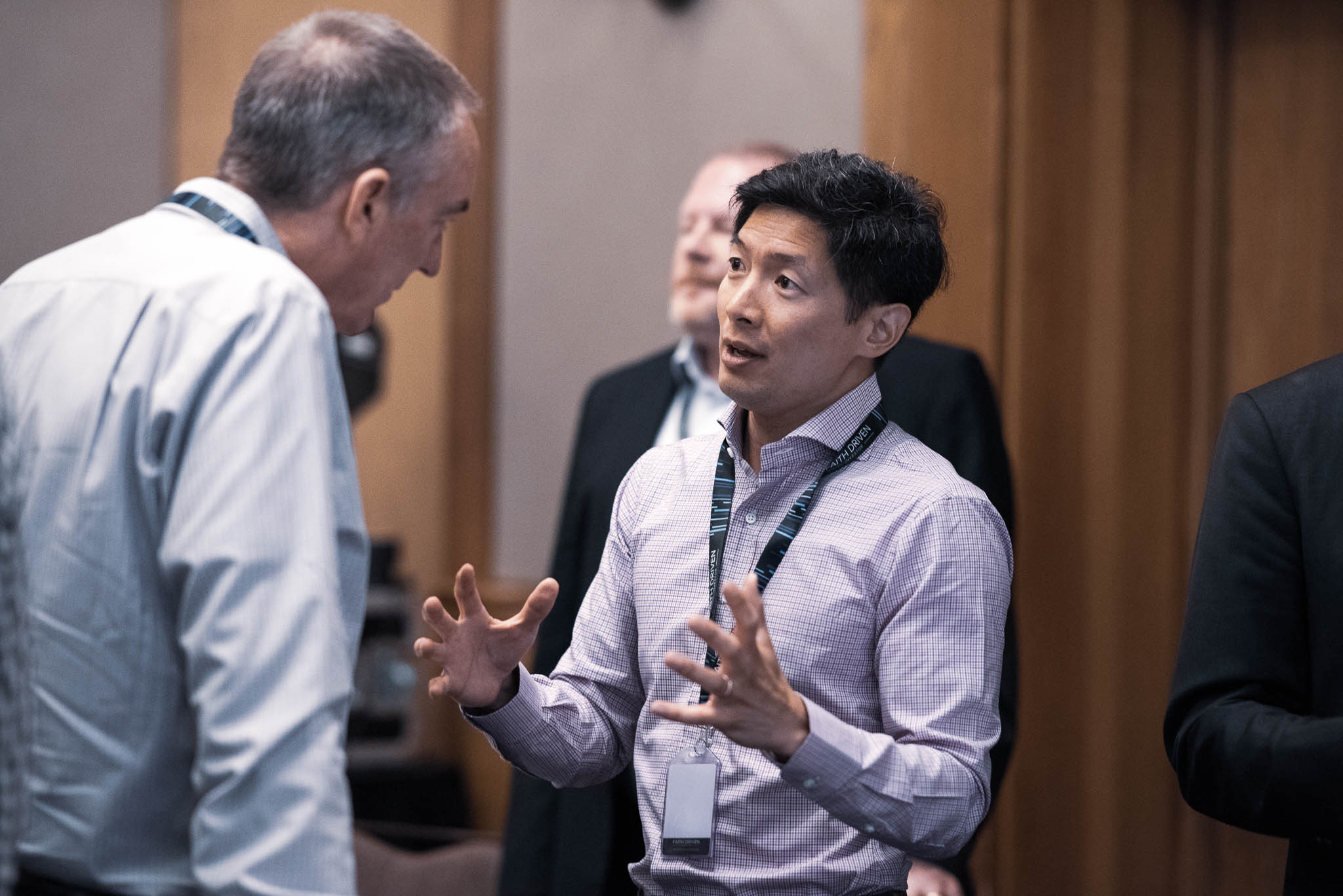
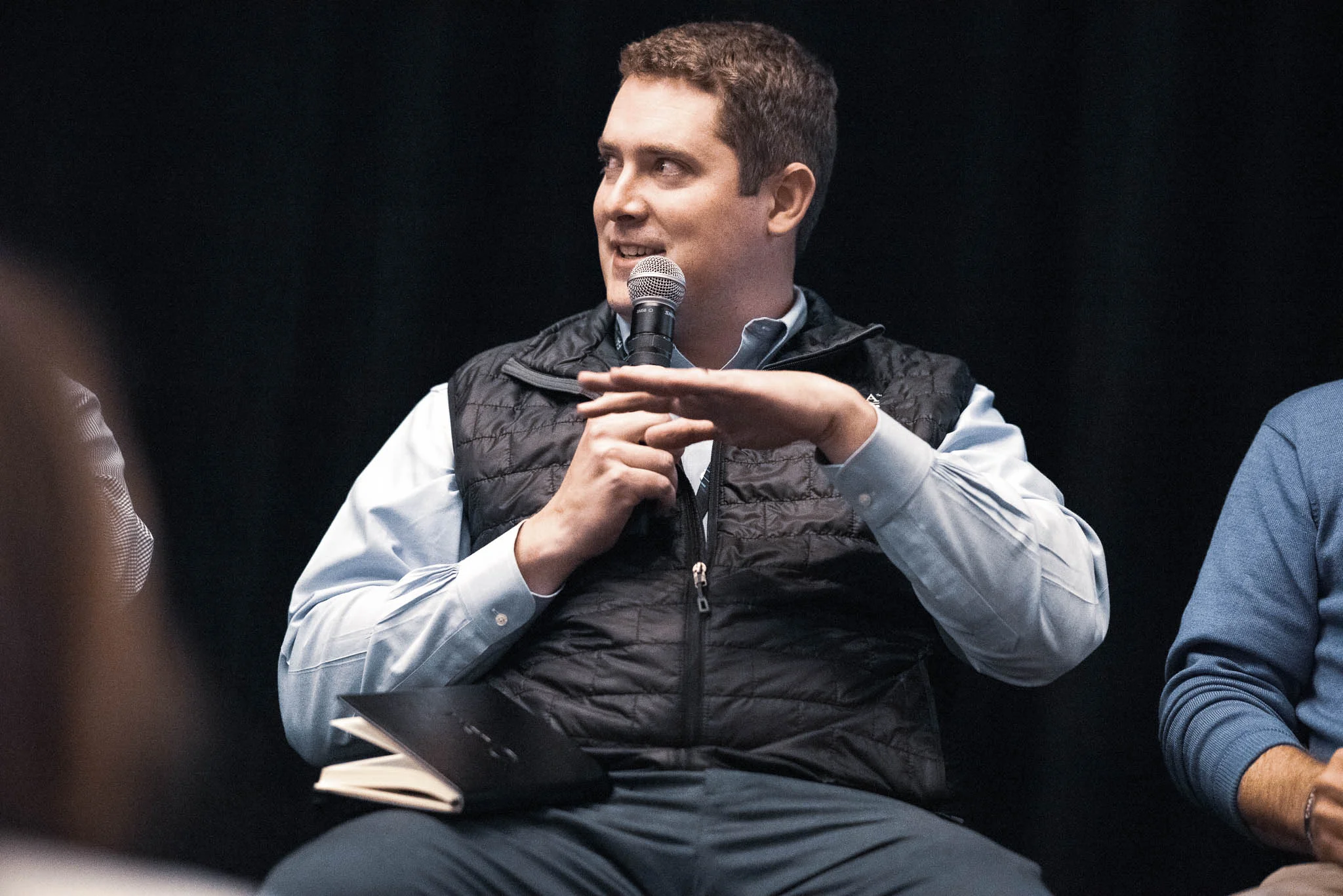
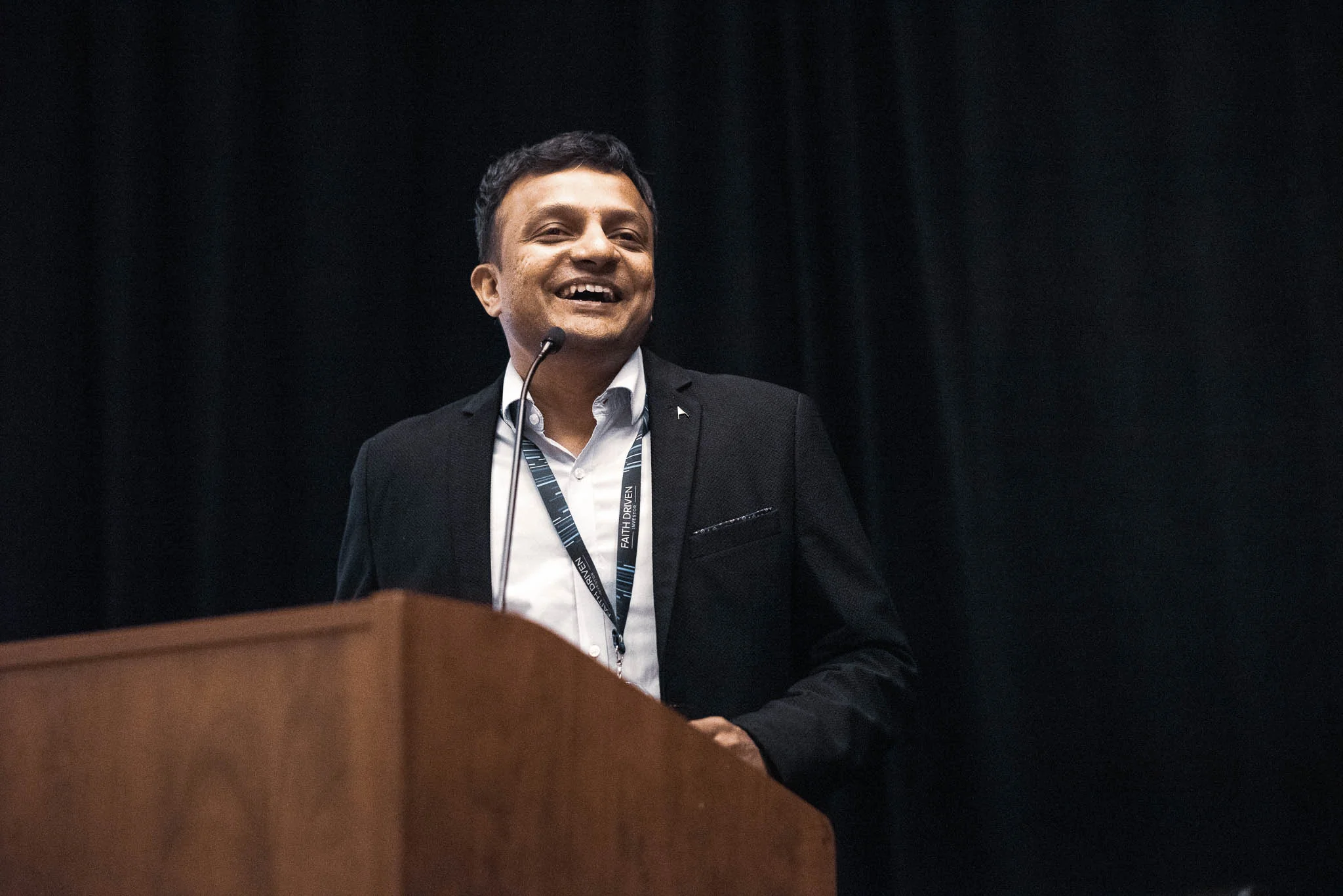
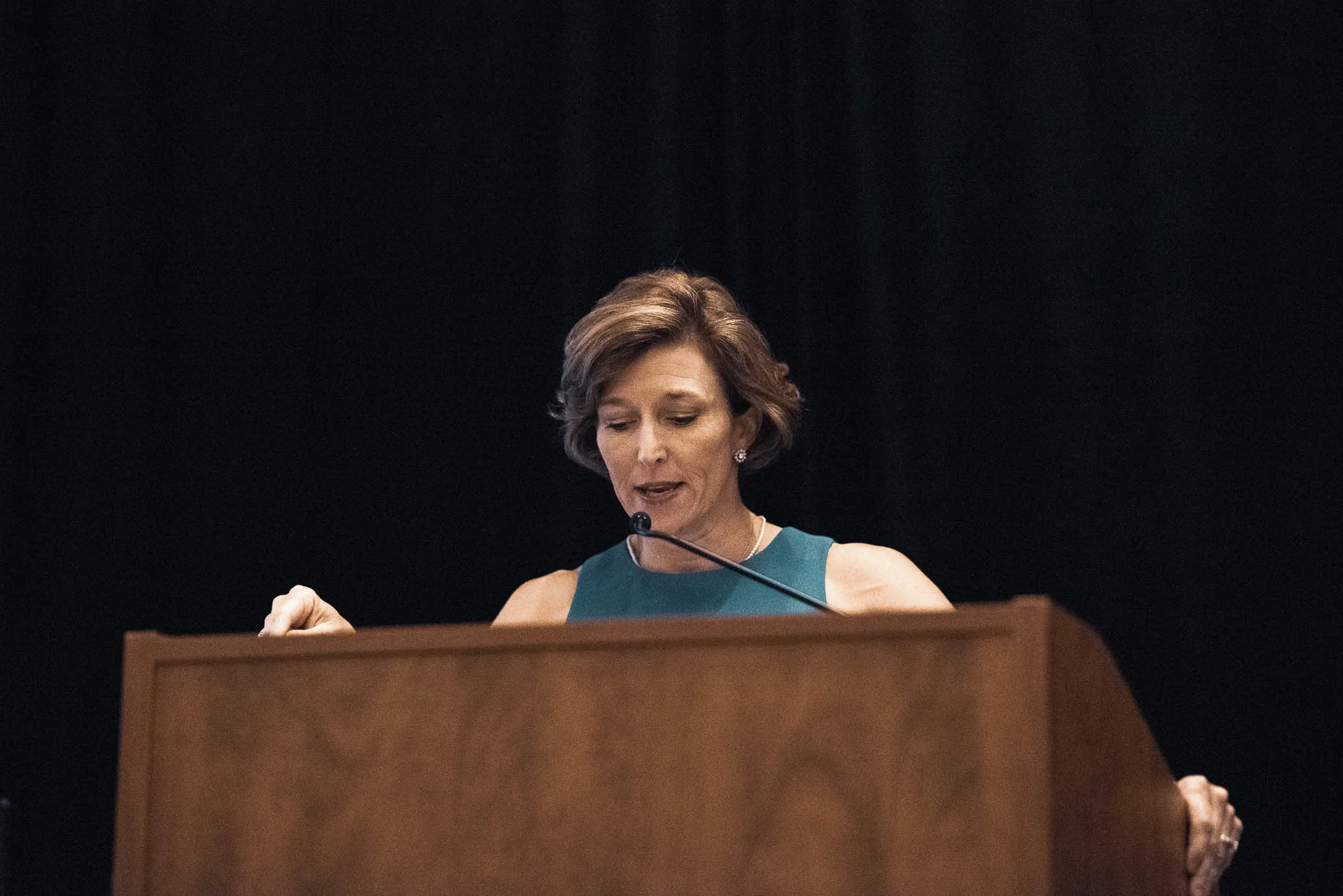
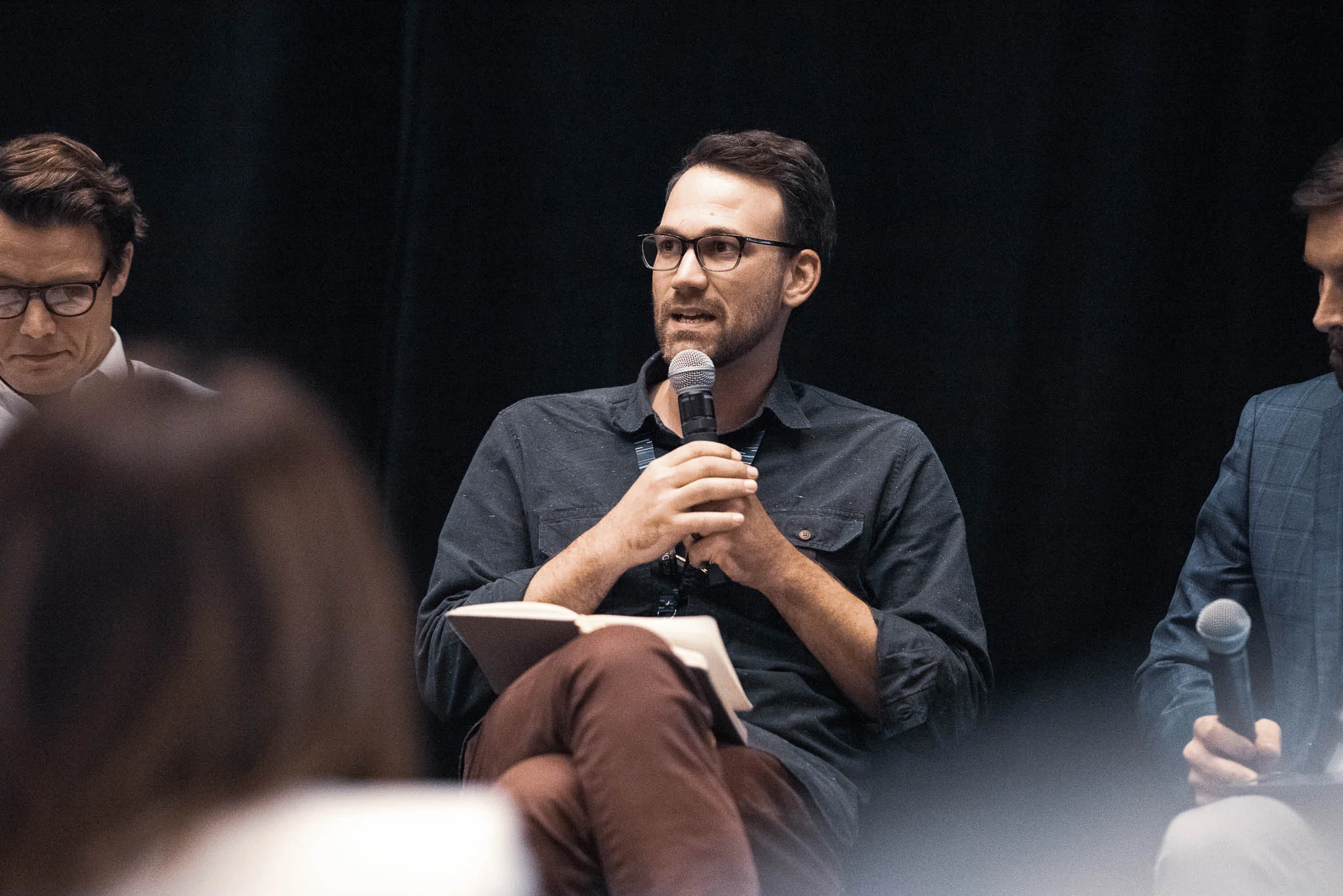
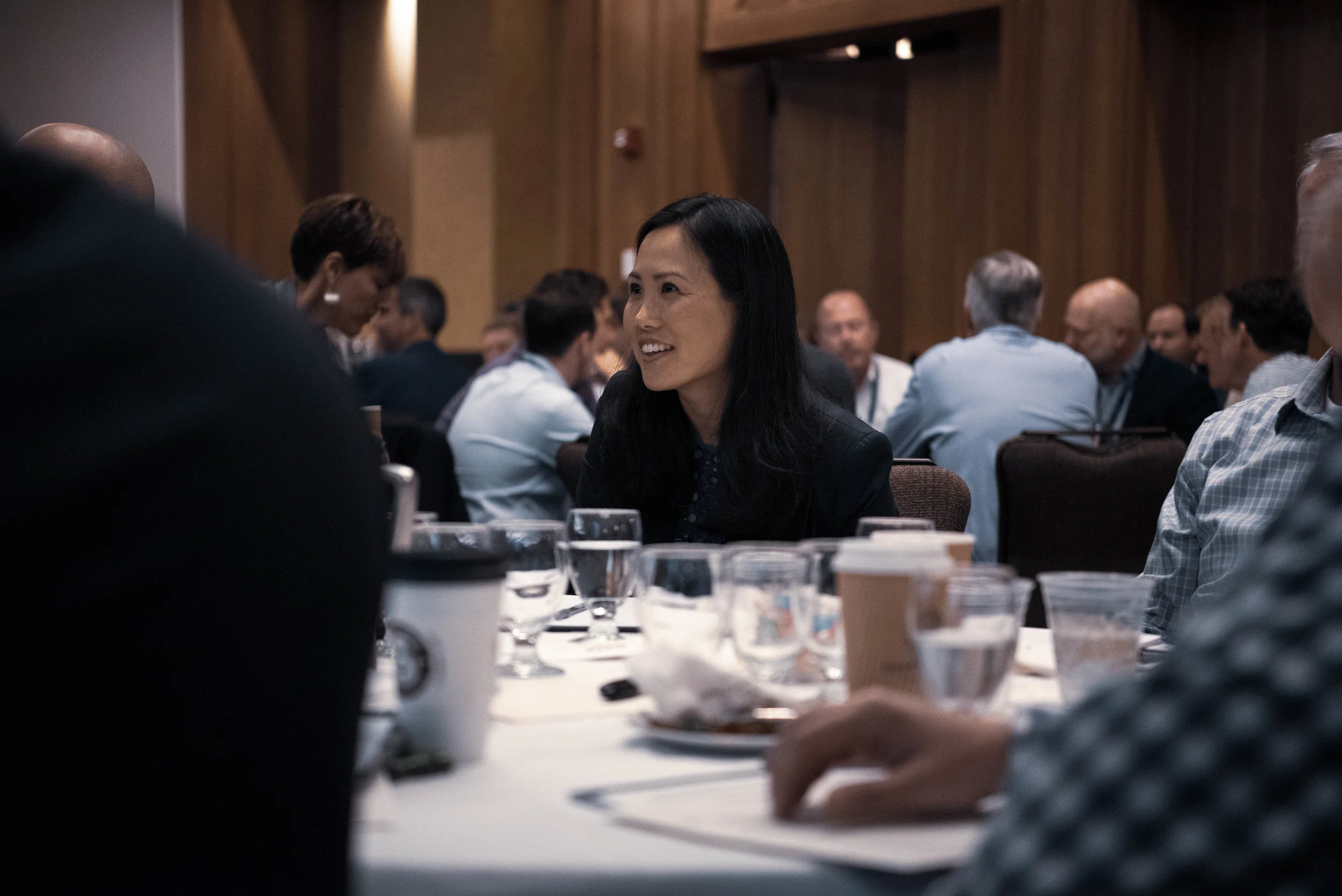
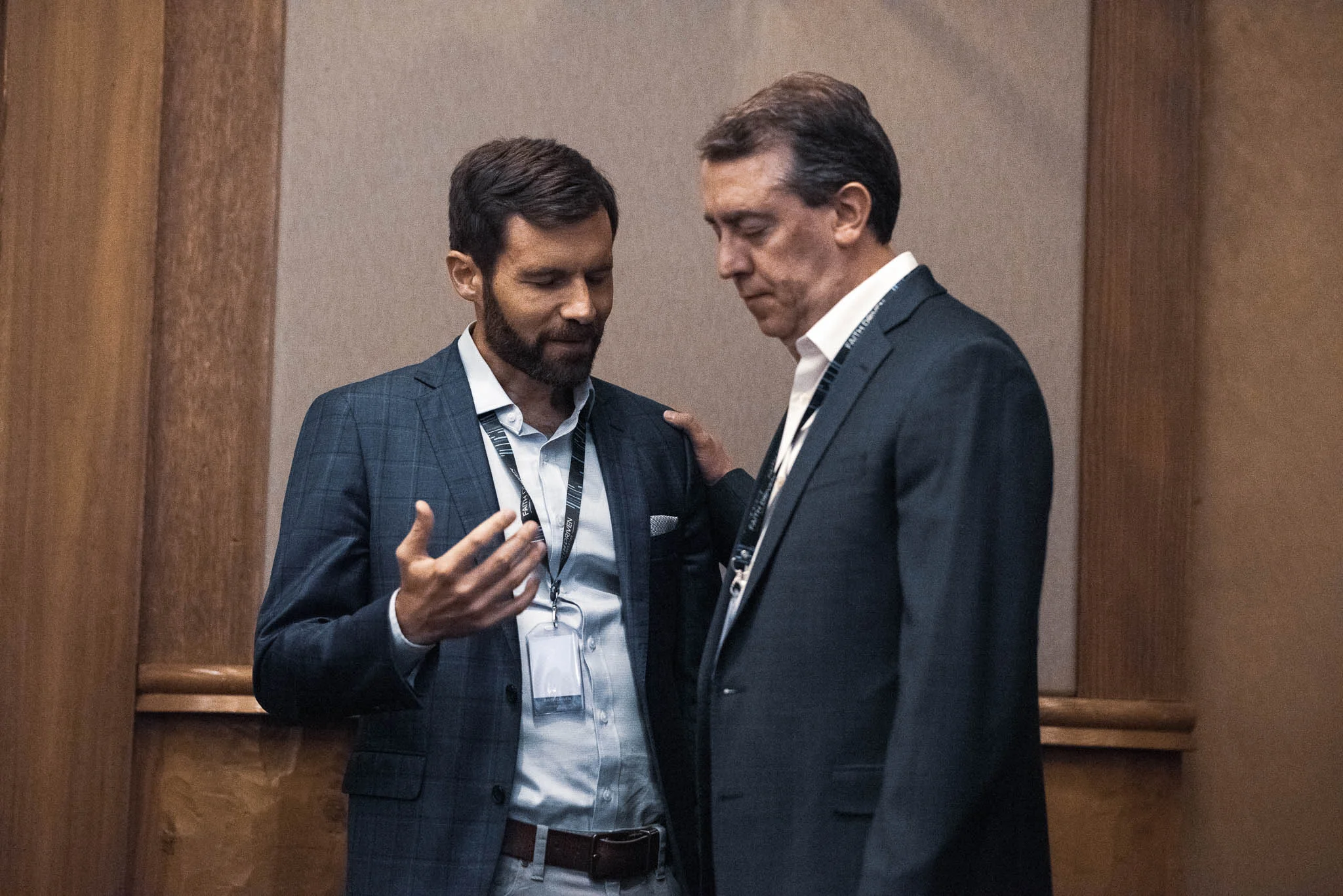
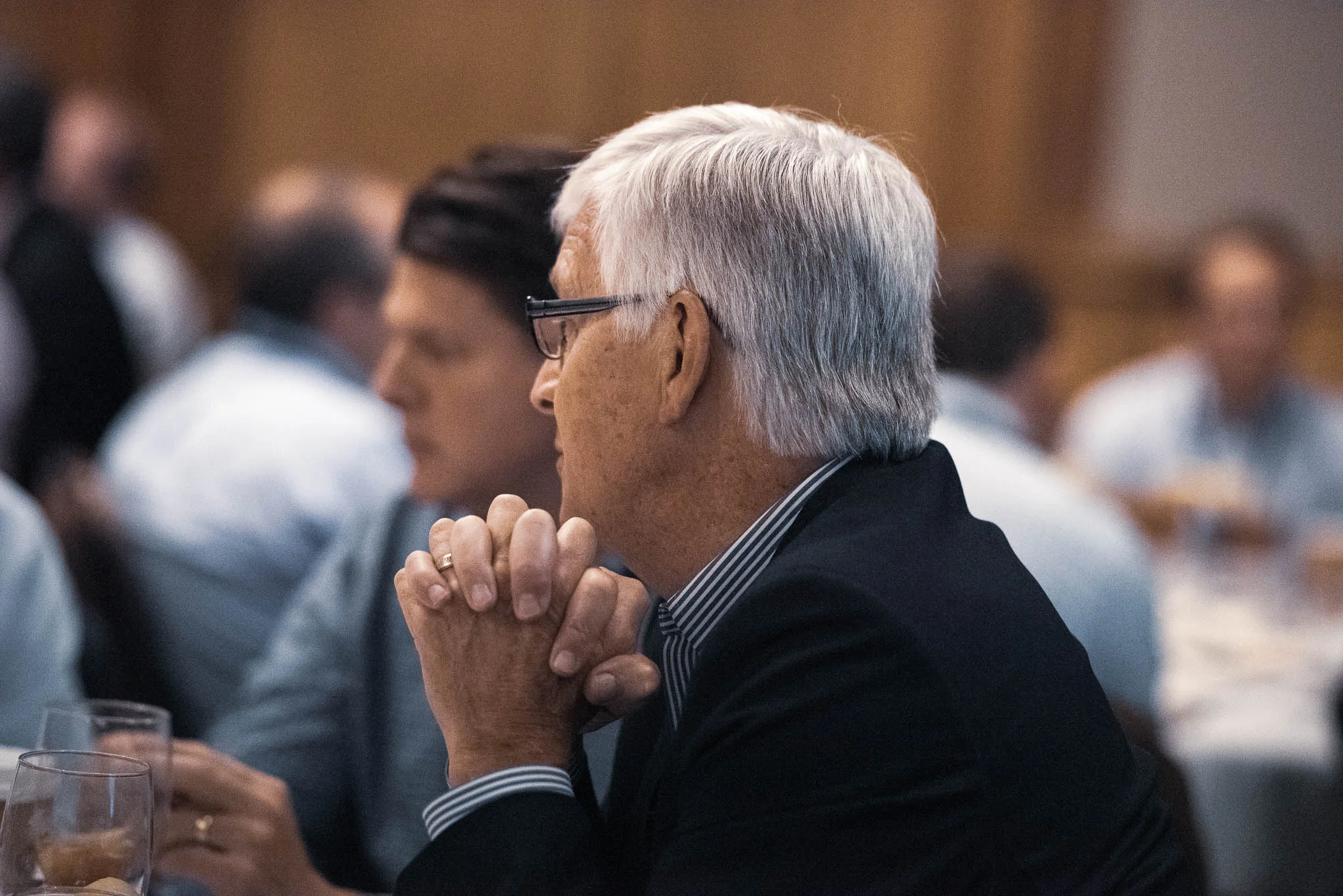
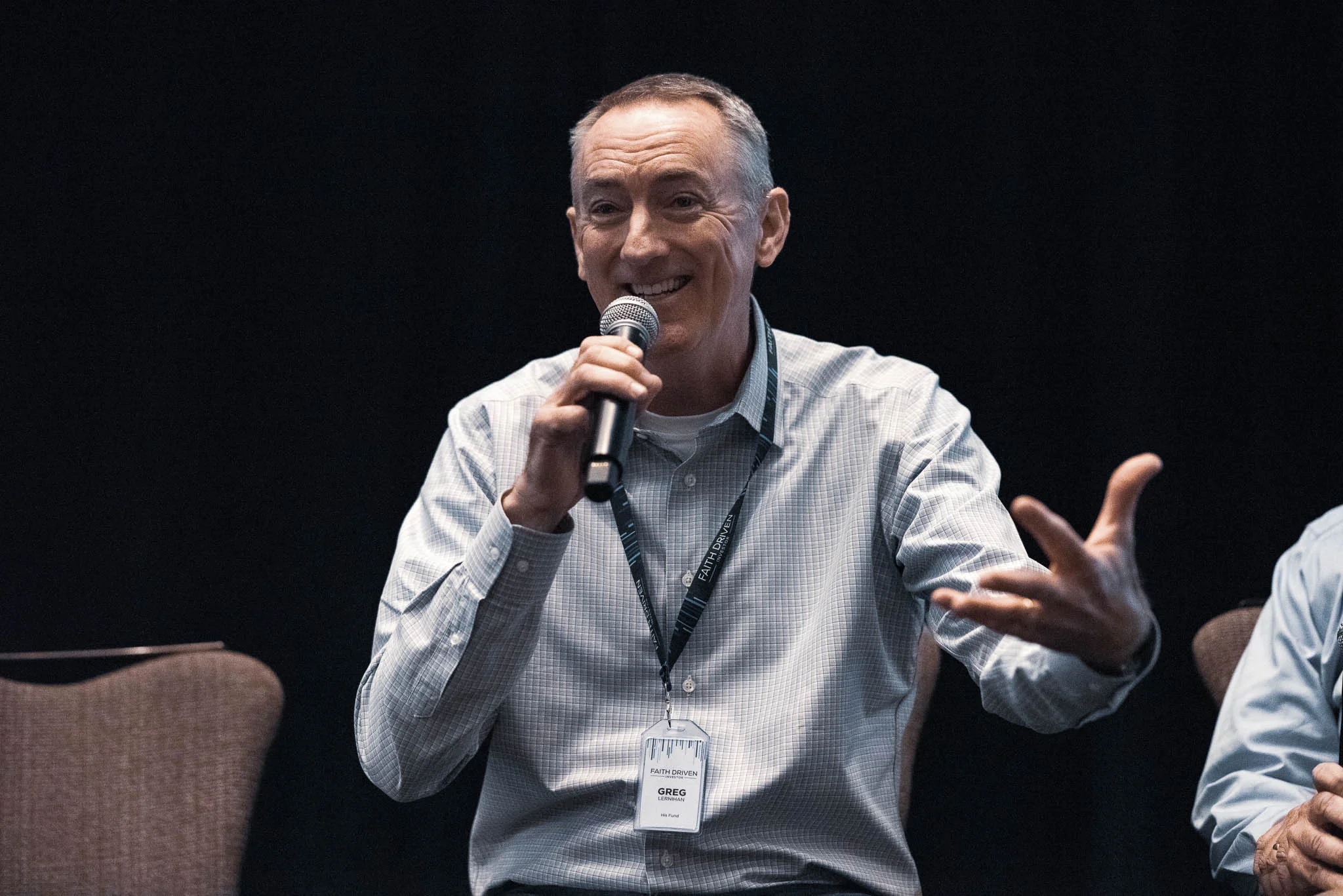
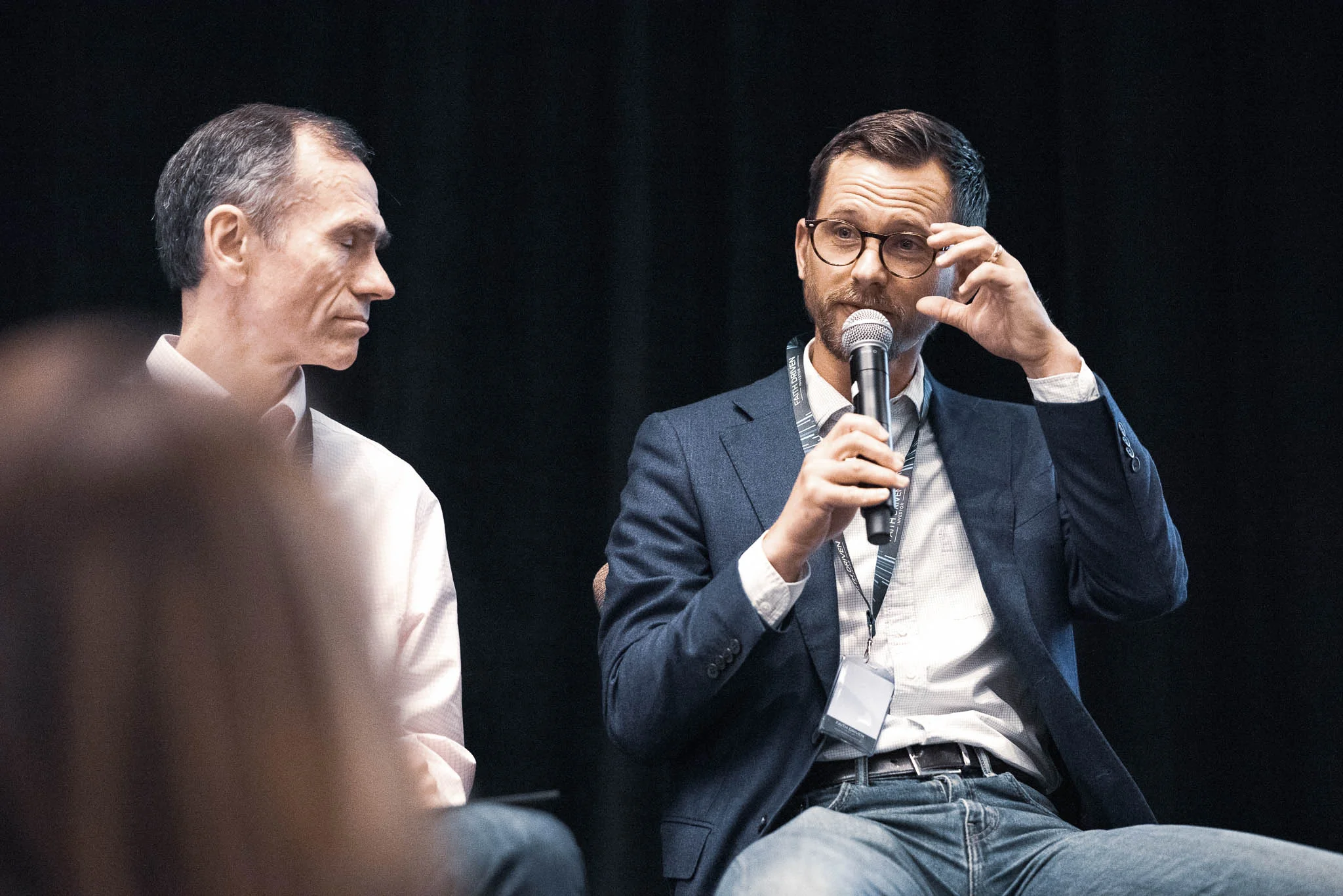
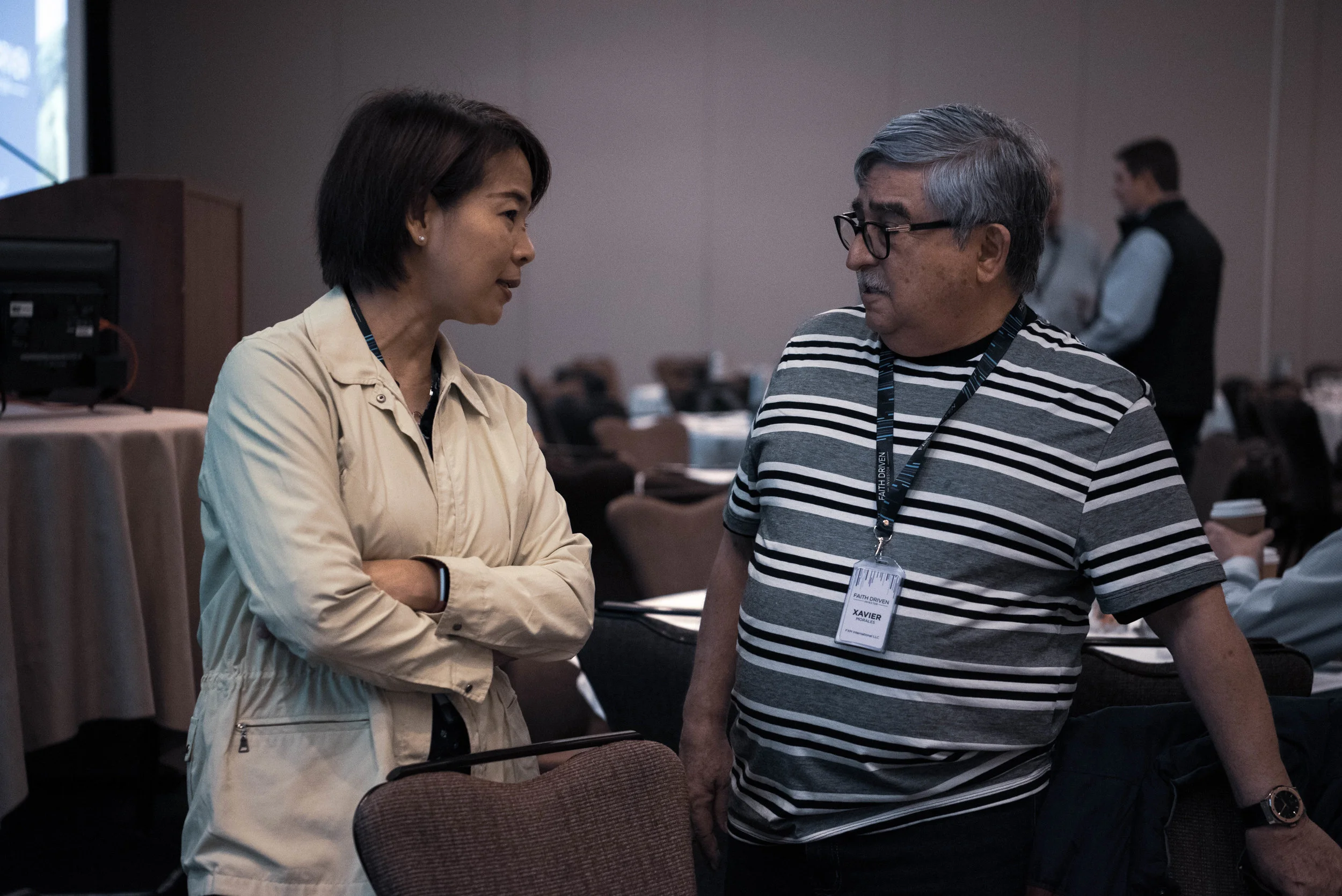
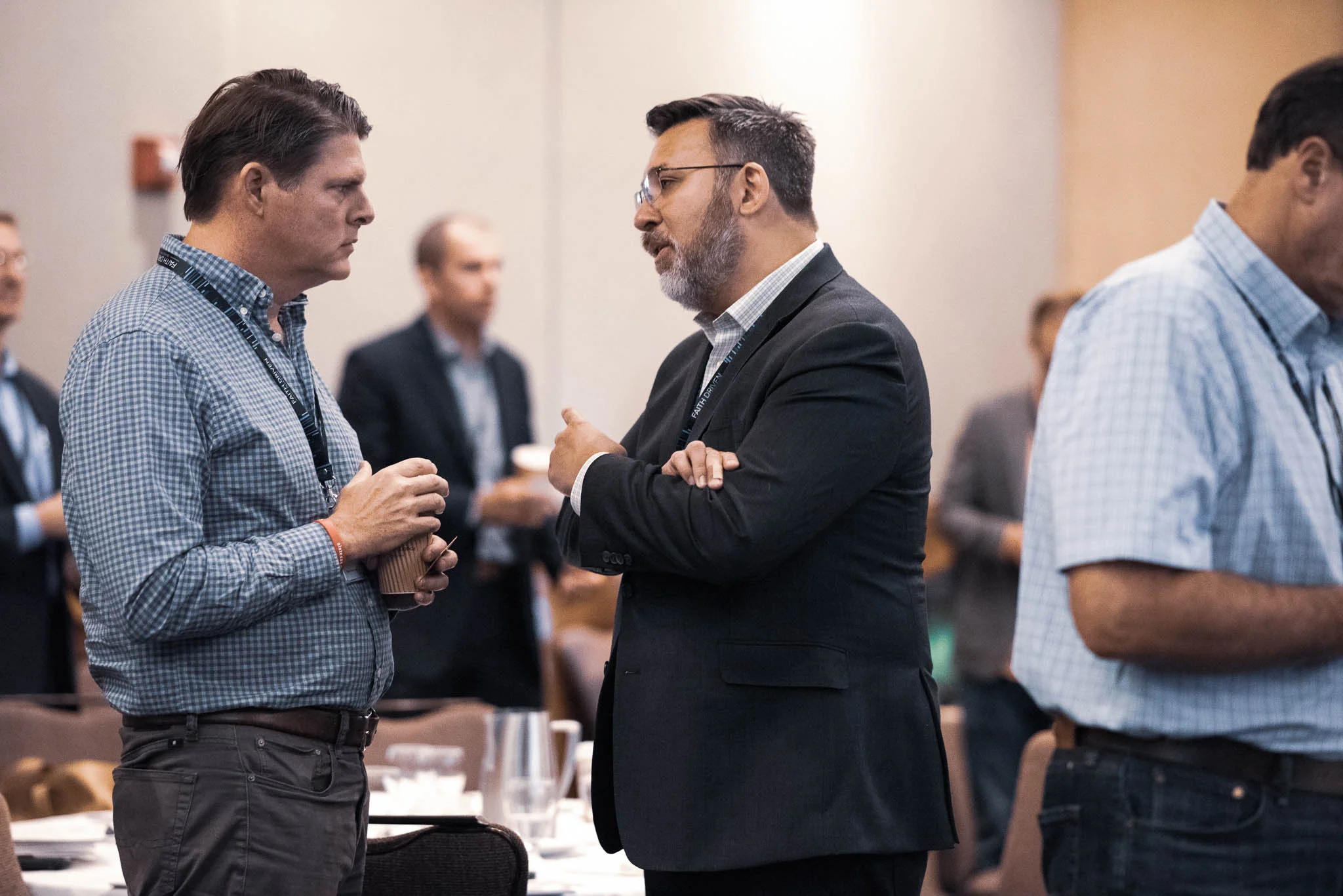
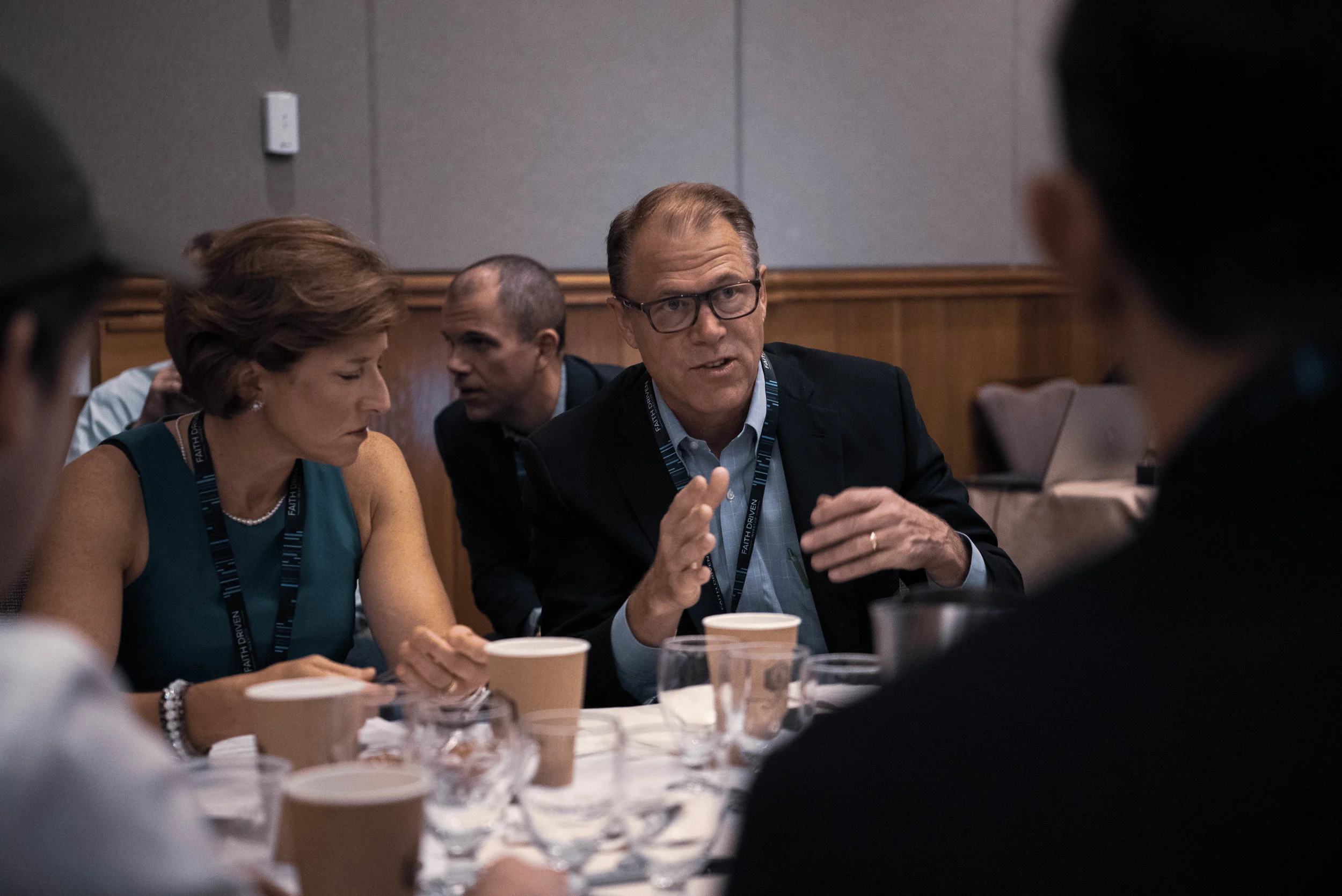
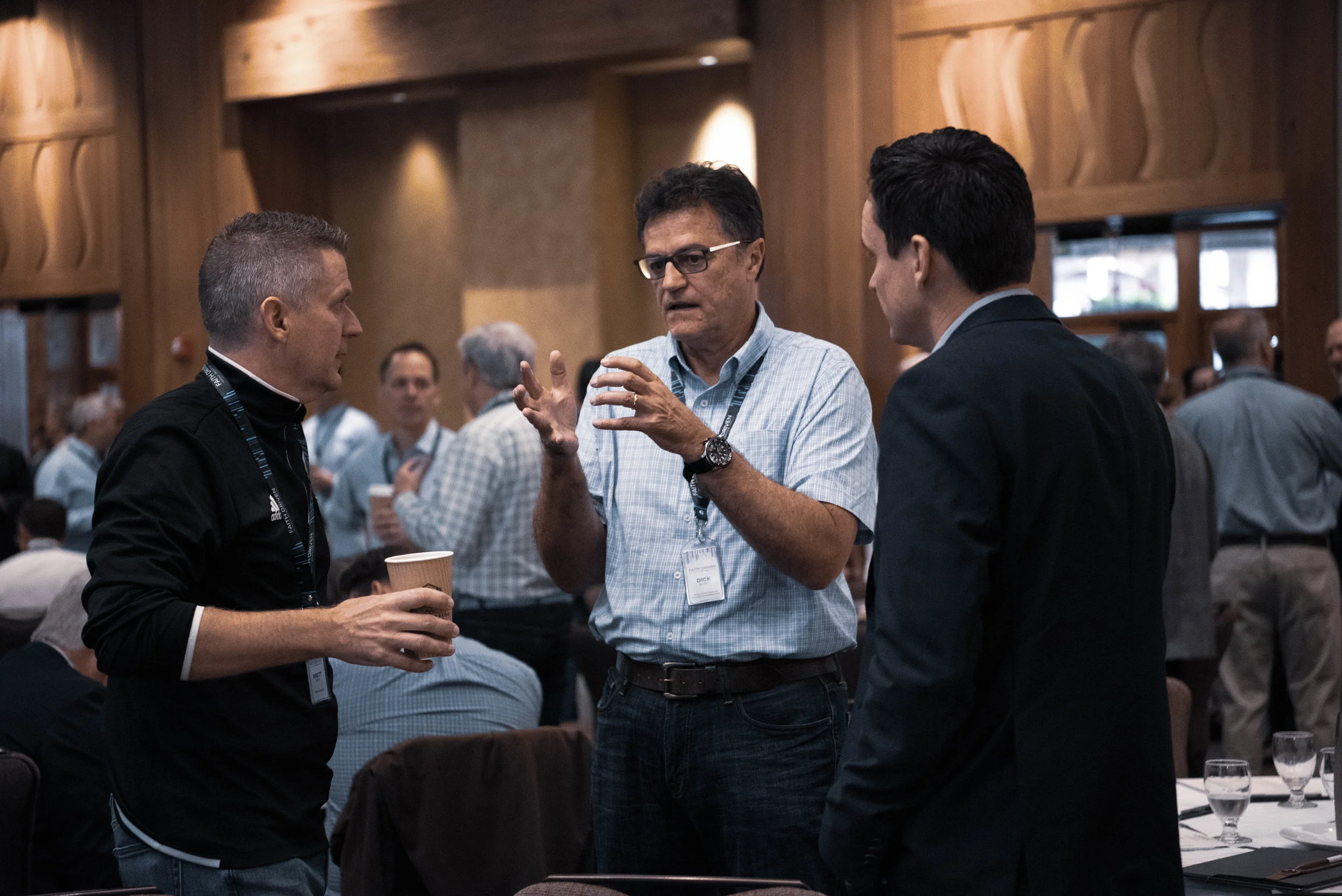
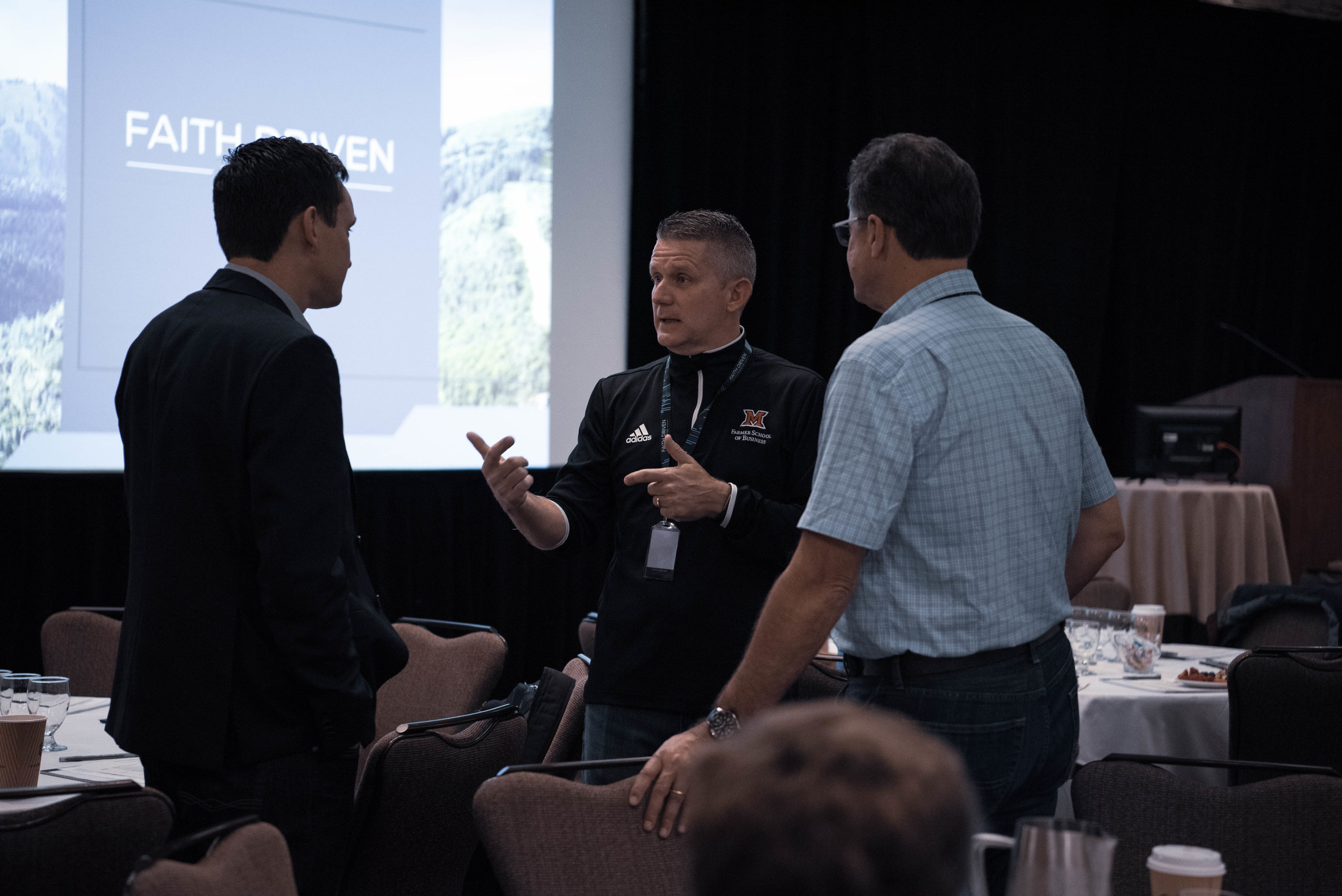
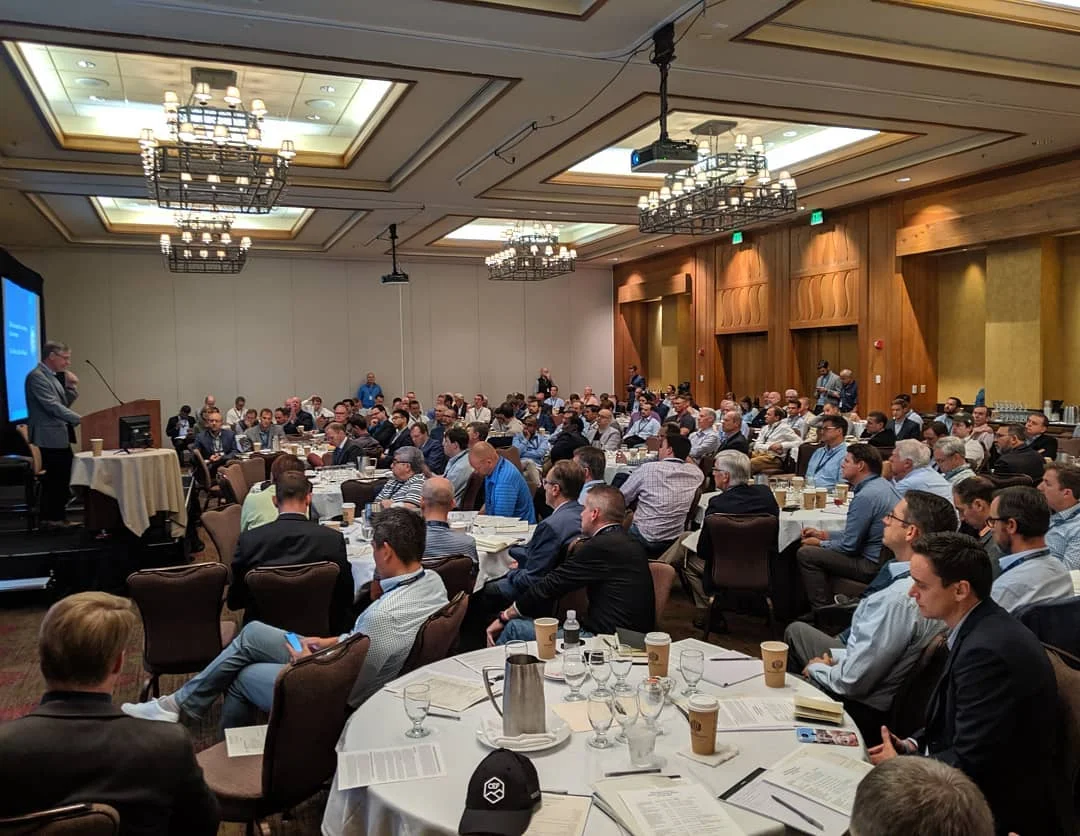
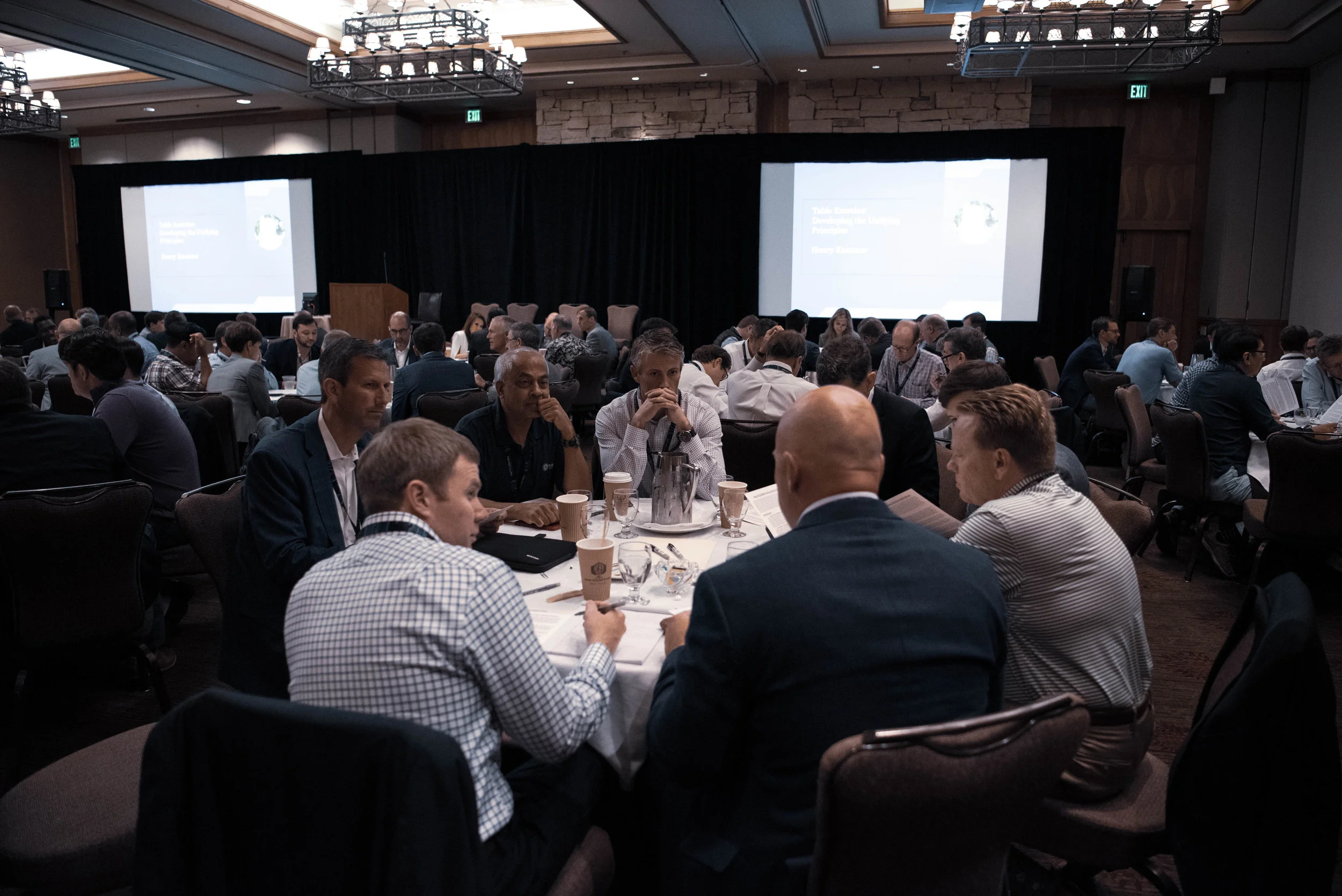
There is nothing like the power of getting together. There’s something catalytic about spending time praying for what God might do in this space. What started off as a small gathering of 30 friends we had to cap out at 175 leaders of the Faith Driven Investor gathering in Deer Valley, Utah for a day of prayer and shaping the conversation.

So many ideas that came from last week … It was so encouraging to hear ideas about things happening in real estate, private equity, employee resource groups and so much more. In the surveys we’ve already heard a desire for future events, content ideas, and possibly the idea of working groups to evaluate deals together … And thats just a few of them! There’s no way we can summarize them in one email, which is why we wanted to create this website for those conversations to continue.

This is very much in its beta form, but we hope that its something that you’ll be proud of and want to share with friends. In the coming weeks we’ll be adding blog posts with slides and notes from many of the speakers. We’ll also continue to update the Asset Map that captures who is serving in this movement and we’re planning to process the input on the Unifying Principles and have an updated version up by the end of August. We’re grateful for pastoral friends like Chip Ingram, Tom Nelson, Toby Kurth who have offered to provide theological leading to many of the things we discussed as the conversation continues. We also know that many smaller working groups might spring out of this for different spaces or to tackle some of the Areas Where Action is Required.

While things are fresh we wanted to highlight a few tangible ways we’d invite you continue to shape the conversation and lead out as a voice in the movement.

Encourage Others to Join the Conversation – If you know friends who want to join the conversation but couldn’t attend the event we encourage them to sign up for a monthly newsletter where we’re going to bring the best podcasts, articles, videos into one place.

Listen to the First Episodes of the Podcast – We’ve got four beta episodes we’ll be releasing over the next two months. You can start by listening to Henry Kaestner and Aimee Minnich on the introductory episode. And please be sure to send us your thoughts on format, topics and guests we should be consider. Then, stay tuned for these upcoming shows…

  • Pete Kelly unpacks how Apartment Life is making both a Spiritual Impact and delivering a greater Financial Return.

  • Trae Stephens talks about this idea of Abundance vs. Scarcity and Competition vs. Creation through the lens of Scripture.

  • Christeen Rico talks about how Faith Communities are Strengthening Culture and Companies at Apple, Dropbox, Google.

  • Frank Chen talks about being a Servant Leader to the Entrepreneurs they work with at Andreesen Horowitz.

Share Your Thoughts and Thoughts Shaping You – Yesterday on the blog we shared the prayer that Mats Tunehag shared with us last week at the event. We’d encourage you to check that out and let it recalibrate your heart as you start your week. Please send us posts, articles, videos, and/or sermons that you’ve written, or share what is shaping you so we can share with others.

We’ll continue to keep you updated about future gatherings as one way to spotlight work God is already doing to bring this community together. Many friends in this space are planning to be at the Christian Investment Forum that John Siverling hosts August 14-16 in Asheville, North Carolina and we’d encourage you to check that out!

We’re grateful to be on this journey with you and excited for what’s to come!

The Faith Driven Investor Team
41% of Owners Plan Business Exit, But Many Unprepared

  Image by    Cytonn Photography

Image by Cytonn Photography

This article was originally published here.
Check out
Bill High’s Website for other quality content!

by Bill High

A recent UBS Investor Watch study notes that a whopping 41% of business owners expect to exit their business within the next 5 years. That business exit looks like the following:

  • 51% expect to sell

  • Only 20% expected to leave the business to family

  • 18% expected to shut it down

  • and 10% were unsure of their exit plans

While 65% of these owners were either ready to retire or believed conditions were favorable for sale, just 48% of these same owners had an exit plan in place.  Nearly 60% of these owners had never had an appraisal of their business.

The adage certainly holds true that while many are willing, not many are prepared.

(I lay out the process for a successful business exit in Sell Well, a book I co-authored with Peter Kubasek and Rene Robichaud to help private business owners and CEOs navigate the many issues related to the sale of their company.)

Once again, the continuing climate for business sales looks strong but the underlying truth is that many are not prepared. These owners need to seek counsel for those who can guide them through the process.


DON’T EXPECT YOUR KIDS TO RUN THE FAMILY BUSINESS

 The UBS Investor Watch study also presents statistics regarding family businesses and succession or exit plans. While some business owners desire their kids to take over the family business, many kids don’t share that desire.

82% of kids would rather have money from the sale of the business. Only 18% would actually want the business.

 On the other hand, business owners understand some realities about their children.

  • 89% acknowledge their kids aren’t interested in the business

  • 21% realize their kids aren’t qualified

  • 9% desire a different career path for their children

But whether the kids take over the business or sell it, owners list lots of worries related to a business exit and their kids:

  • 57% fear they’ll take the business in a different direction

  • 57% fear the sale to an outsider

  • 55% believe they’ll squander the profits

  • 52% believe they’ll fight over the money

The lessons from this study are what we’ve seen time and time again.  Family business is a great idea.  But few family businesses survive generationally—just 30% will survive into the second generation and only 15% or less into the third generation.

Successful generational family business takes careful transition, communication and planning—far more than just a casual handoff.

If you (or someone you know) owns a family business, here’s the takeaway from these numbers: don’t put off the planning, structures and practices that are essential to a successful transition from one generation of leaders to the next.

Investing for a Triple Bottom Line: Craig and April Chapman

This article was originally published here.
Check out
Impact Foundation for other quality content!

by Craig and April Chapman

As we launched Impact Foundation, Jeff and I have searched for board members who share an excitement for kingdom impact investing and who have skills and experience to share. We found that and more in Craig and April Chapman. We asked the Chapmans to describe their experiences investing for impact. Here, in their own words, is there response.

Over the last few years, our paradigm about how best to provide financial support to organizations serving those in greatest need has been shaken up, if not blasted apart, by the notion of “impact investing.”

Historically, we have set aside some amount of our personal financial resources to go to non-profits – i.e. organizations that improve the lives of others – with the goal of impacting not only their physical, emotional or educational needs, but also pointing them to God. Frankly, we love being generous with our financial resources, mostly because it’s a tangible way of loving our neighbor, but also because it’s really all God’s money anyway.

The problem is that once we give the money away, it’s gone – and we have to continue making money in order to give more away. Clearly, that is not a sustainable strategy unless we have an unlimited capacity to make money. That’s where impact investing comes in.

One online dictionary tells us that “impact investing refers to investments made into companies, organizations, and funds with the intention to generate a measurable, beneficial social or environmental impact alongside a financial return”. In a practical sense, this means that we can invest in for-profit companies who are characterized by a double bottom line; i.e. financial and social return.

As Christians, however, we’d really like to see a triple bottom line: not only financial and social return, but also a spiritual return. These are companies that serve the world for Christ, meeting physical, financial, emotional, social and spiritual needs while making money for investors.

Do companies like that exist? Absolutely, and more are being created every day. These are companies founded and run by very smart and spiritually grounded Christians – companies like

  • Cloud Factory, an Indonesian company that employs small groups to do piecemeal data entry while providing spiritual support and encouragement to the workforce.

  • Sseko Designs employs young women in Uganda to make sandals, donating part of the financial profits to allow them to attend the local university, all in the name of Jesus.

  • Praxis Labs, a business accelerator, helping Christian entrepreneurs to “create cultural and social impact through entrepreneurship”.

So let’s assume we find a “triple bottom line company” that resonates with our passions, and we invest in them. Let’s further assume that they do well, and provide a nice financial return. Well, what do we do with that money – put it back into our bank account and spend it on ourselves? On the contrary, it’s our desire that the financial return be reinvested into more impact investments, thus creating a self-sustainable cycle of social and spiritual impact. Pretty cool, right?

We have now made two investments through Impact Foundation, and are about ready to follow those up with a third. These are essentially private equity investments with some inherent complexity, and the IF investment committee has provided some valuable insight as we evaluated the term sheets. In fact, they even suggested some simple changes in the final contract language that might protect our investment later.  In order to make these investments, we moved money from our NCF donor advised fund into the IF donor advised fund, and IF managed the entire process. Overall, we could not be happier having the IF team as our partner in our personal impact investing portfolio. 
Forbes Magazine has named impact investing the #1 trend in philanthropy for 2015 and 2016. But we wondered – is it really philanthropy if the money is invested rather than given away? It’s our belief that there will always be a need for pure philanthropy, but impact investing provides a responsible and sustainable alternative to love our neighbors for the long term with the potential of also growing our giving fund. We’re thrilled that Impact Foundation was formed to make what might sound like a complicated approach to serving the least of these into an accessible tool for all of us. 

How Impact Investing Can Amplify Philanthropic Efforts

This article was originally published here.
Check out
NCF for other quality content!

by Patrick Briaud

For years, philanthropy and investing have been treated as separate disciplines—one championing social change, the other financial gain. The idea that the two approaches could be integrated in the same deals once struck most philanthropists and investors as far-fetched. Not anymore.

Impact investing, which seeks to generate social and/or environmental benefits while delivering a financial return, is expanding as a promising tool for both investors and philanthropists. From the US SIF Foundation’s 2016 Report, assets under management that incorporate ESG (environmental, social and governance) considerations totaled $8.72 trillion – which represents a 33 percent increase over 2014.

If your clients haven’t yet asked how to better align their values with their portfolio, they soon will. No longer an either/or question, impact investing and philanthropy can be complementary in a socially committed investor’s portfolio.

Five ways impact investing and philanthropy can complement each other

1. Impact investing makes more money available to drive social change. Investment capital vastly outweighs government spending and philanthropic funds. In the United States, 2017 philanthropy was approximately $390 billion, government spending was $3.9 trillion, and capital markets (all debt and equity investments) encompassed $65 trillion – an order of magnitude difference between each. Though philanthropic dollars are more flexible towards impact, investment dollars allocated with a thoughtful impact lens have the potential to make enormous impact due to the scale of available capital.

Even those who already have a private foundation can make use of investments to drive more impact. In addition to the 5 percent required annual minimum payout, they can leverage the other 95 percent – the endowment—to help drive the change they are seeking. These investment returns can be reused over and over again to compound the impact.

When applied intentionally to specific social causes, impact investing has the potential to bring more capital and fresh approaches to targeted issue areas. For example, efforts are growing to coordinate impact investing with the United Nations Sustainable Development Goals (SDGs), the global goals established in 2016. The 2018 GIIN Annual Impact Investor Survey found that 76 percent of investors reported are actively (or soon will be) tracking the financial performance of their investments with respect to the SDGs.

2. Considering philanthropic goals when deploying capital can reduce misaligned outcomes. When the two traditional mindsets of investing and giving are not aligned, investment holdings have the potential to work in opposition to impact goals. For example, a family may pursue high investment returns through significant oil and gas exposure while directing its charitable giving toward combatting global warming. Taking a holistic approach can change this potential disharmony.

Though this may sound complicated, there are some relatively easy ways to move these investment dollars towards impact. For example, an investor can easily move cash from a traditional bank to a community bank, which in turn can provide loan capital to under-resourced communities.

Read the full story at Financial Advisor.

Calpers’ Dilemma: Save the World or Make Money?

  Image by    Aditya Vyas

Image by Aditya Vyas

This article was originally published at The Wall Street Journal.

The Faith Driven Investing community often faces the dilemma of discerning the different choices between investments and donations. Do we prioritize financial returns or social impact? Or is there a way to get both?

Neither of these questions provide obvious answers, and this recent article from The Wall Street Journal highlighted the fact that the faith community is not alone in this predicament. Read how Calpers—The California Public Employee’s Retirement System—is handling their approach to social activism and hear other financial leaders respond to their divestment strategy.

by Heather Gillers

The California Public Employees’ Retirement System was one of the first public-pension systems to tie its investments to social activism. Now it is having second thoughts.

In the last two years, its directors have opposed proposals to sell stocks in private prisons, gun retailers and companies tied to Turkey because of the potential for lost revenue and skepticism about whether divestment forces social change. One of these directors is now urging the system, also known as Calpers, to end its ban on stocks tied to tobacco, a policy in place since 2000.

“I do see a change,” said that director, California police sergeant Jason Perez, in an interview. “I think our default is to not divest.”

Calpers isn’t the only system wrestling with these new doubts. Rising funding deficits are prompting public officials and unions across the U.S. to reconsider the financial implications of investment decisions that reflect certain social concerns. The total shortfall for public-pension funds across the U.S. is $4.2 trillion, according to the Federal Reserve.

New York state’s Democratic comptroller and unions representing civil service workers oppose a bill in the Legislature to ban fossil fuel investments by the state pension fund. In New Jersey, Gov. Phil Murphy, a Democrat, vetoed legislation last year that would have forced divestment of state pension dollars from companies that avoid cleaning up Superfund sites by declaring bankruptcy…

Read the full story at The Wall Street Journal.

A Lifetime of Stories One Seat Over

  Image by    Killian Pham
Image by Killian Pham
This article was originally published here.
Check out
Bill High’s Website for other quality content!

by Bill High

You never know who you’ll end up sitting next to when you fly. But whether you think about it or not, your neighbor on the plane has a story—a lifetime of stories that has just intersected with your own.

Even though I was one of the first to board, I sighed as I caught sight of my seat—a middle one between two very large men.

I scrunched as best as I could and even as the plane accelerated to the first announcement the man on my right sunk into a deep sleep—upright at least. But the man to my left sat upright and made my plight easier.

His gaze out the window was consistent, even unfriendly. His weather-stained face and fully thinned gray hair suggested someone with lots of hours in the sun. He crossed his arms, and one trembled steadily. Parkinson’s, I guessed. I leaned towards him and asked simply, “Where are you heading?”

“Home,” he said.

“Where’s home?” And soon, while not a rolling, easy conversation, the story slowly came out. He and his wife spent the winter in McAllen, Texas. They’d been going there for years to get out of the cold Iowa winters. He let it slip that this was likely their last winter in McAllen.

They’d farmed for all his adult life. He and his wife had been married 67 years. They’d wed when he’d just turned 20, and she was 22. Together, they had three kids, and those kids had managed four of their own. One son had stayed to farm. The other two had left to make their life in cities of their own choosing.

A grandson had taken up the farming bug too. He’d gotten hold of his first quarter section. He was the likely succession plan for the family farm. He told me in no uncertain terms, “It was a tough way to make a living.”

I asked him about his best days as a farmer, and he told me of an impromptu trip. He’d bought a new 1967 Ford pick-up truck with a camper for $2700 (not $27,000—he laughed about that), and they’d taken the kids out of school. They drove to Florida and did the Disney World thing. They camped out and did the whole trip for $500. He chuckled as he said, “It’d be hard to do that today.”

But the good days seemed to be in the rearview mirror. They’d put the mobile home in McAllen up for sale, and they were going home to Iowa “to die.” He was too old and unsteady to drive a tractor, and his wife had just had surgery on an ankle.


THE WEALTH OF A LIFETIME OF STORIES

I realized there was a lifetime of stories sitting to my left, and I’d only heard an hour’s worth on a plane ride. I hoped he’d tell his kids and grandkids his stories, especially the one about Disney World and the $2700 Ford pick-up. Those were good days, and they were part of his story.

What are the stories you want the next generations to know?

Share the fun stories along with the lessons learned and mistakes made. Tell about your triumphs and struggles, and of the experiences that shaped your values.

Your stories are treasure to pass on to the next generations.