Impact Investing | David Metcalf

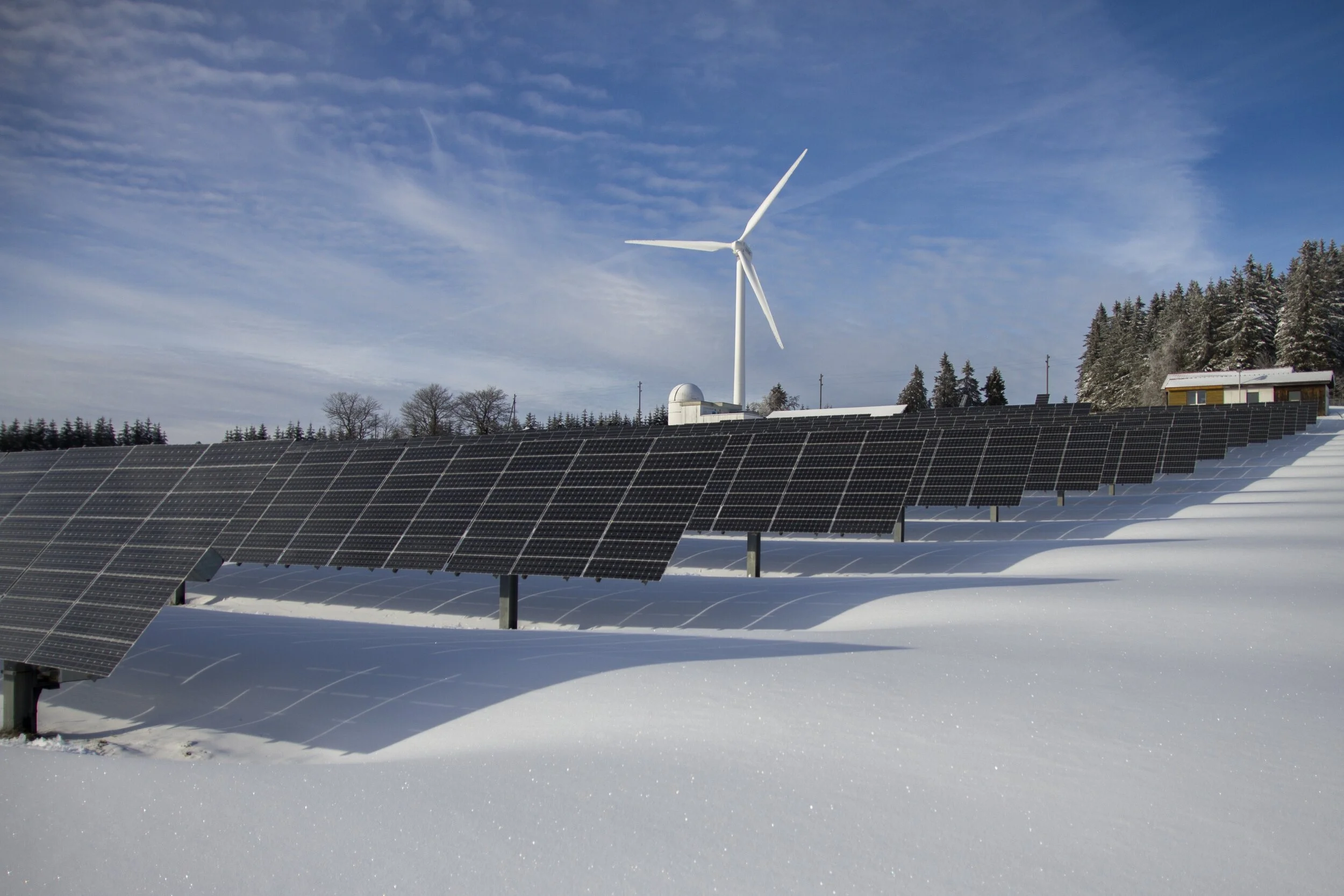
Photo by NASA on Unsplash
Photo by NASA on Unsplash
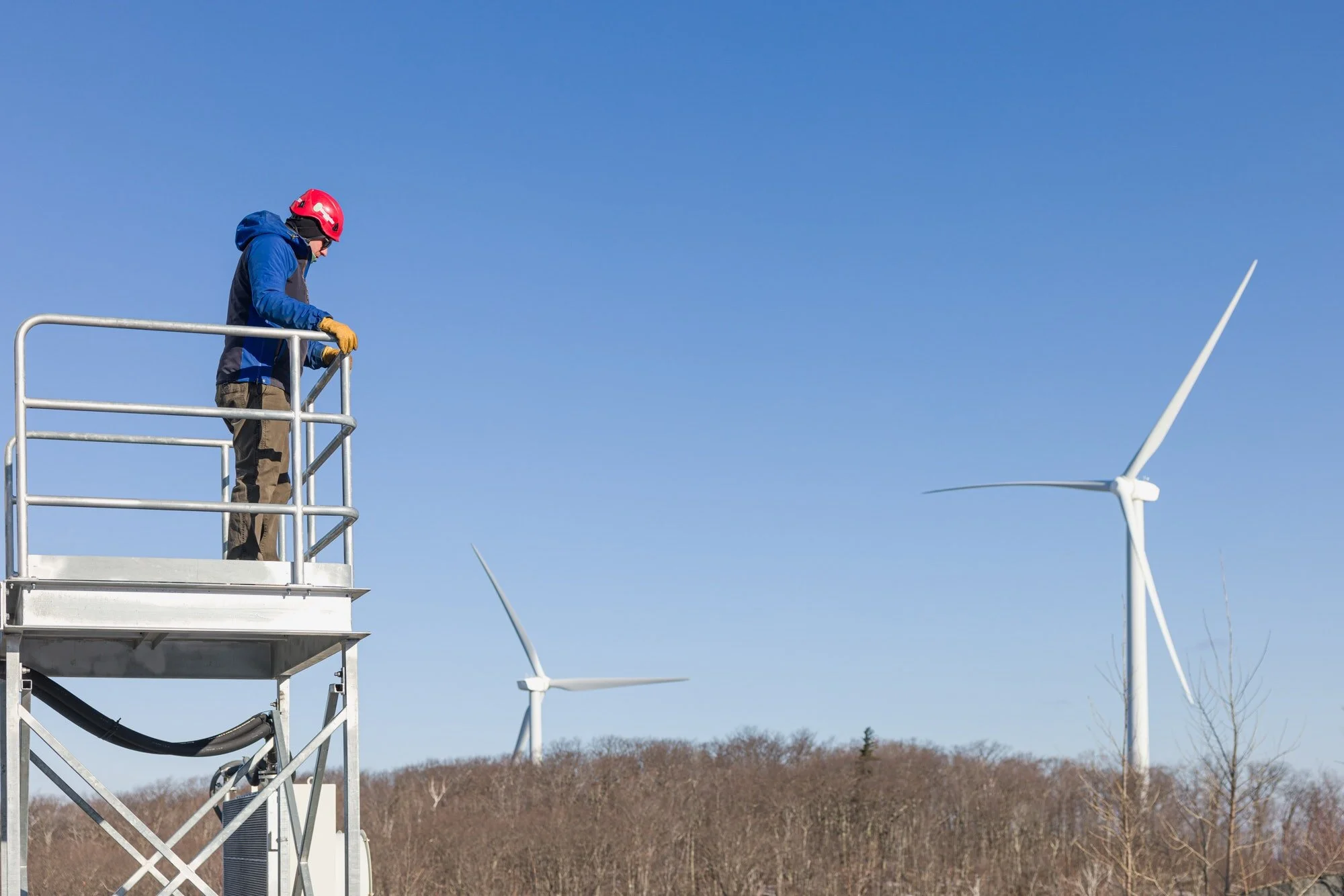
EcoLife – Wind Turbines
Article originally posted here by Access Ventures
The traditional approach to portfolio construction utilizes the modern portfolio theory to optimize for your individual goals. Within the one-pocket mindset, the traditional approach is tilted to reflect your value set. The challenge here is to find an optimal mix of investments that reflect values without causing the portfolio to take undue risk.
Conscious construction of one’s portfolio is difficult, but not impossible. Over time Access Ventures has sought to find efficient solutions to this complexity within each asset class and has sought out like-minded funds and asset managers where we can make mission-aligned investments that achieve above-market financial returns. One of these funds we are invested in is Greenbacker Capital Management. Greenbacker is an investment management firm that focuses on sustainable infrastructure investing. They connect investors looking to back green energy solutions with sustainable infrastructure projects that need funding.
With Earth Day this week, we decided to catch up with Greenbacker to ask them about their work, impact and the future of renewable energy. Here is what they had to say.
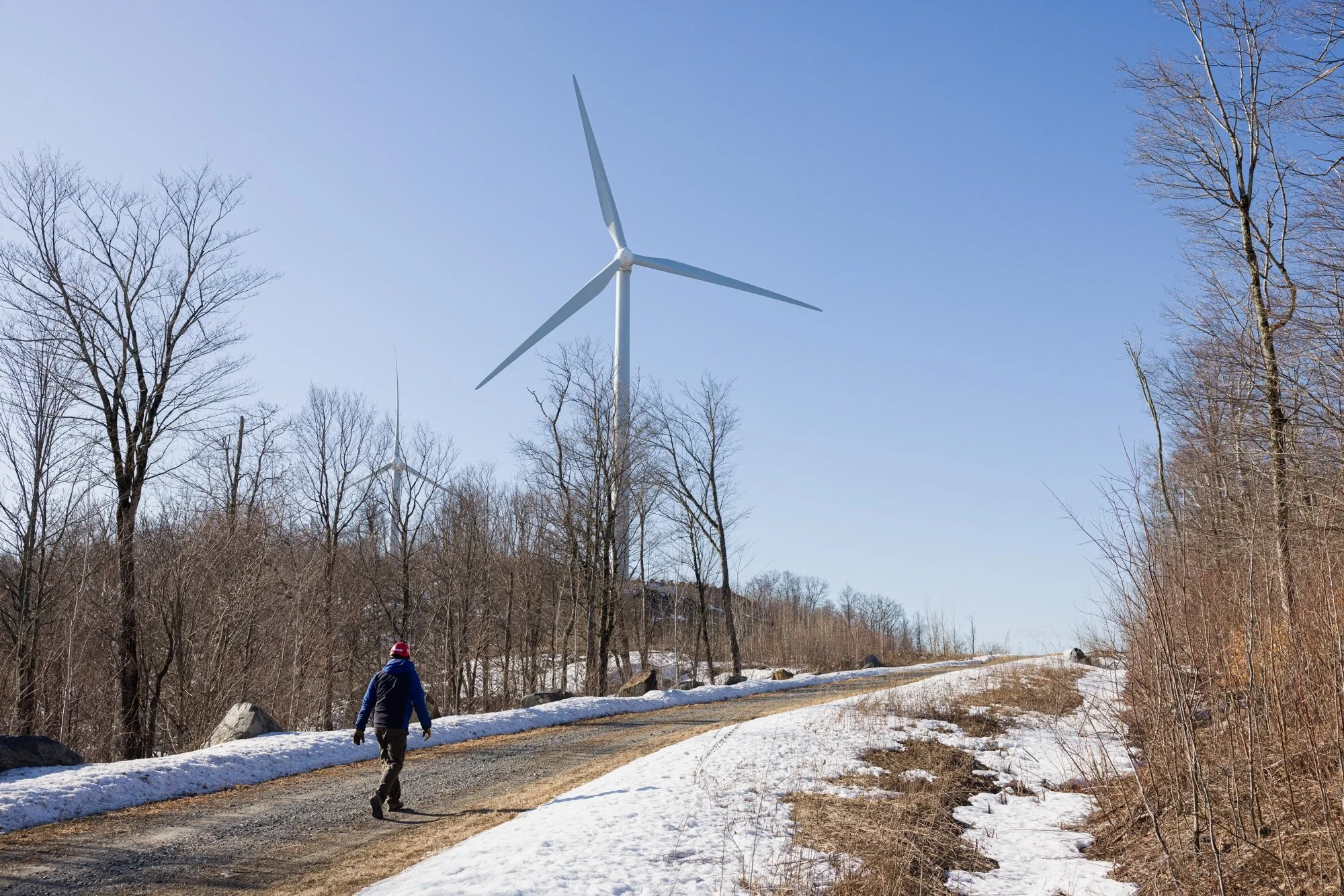
Greenbacker began in 2011, when a group of founders came together around a common goal: to create an investment vehicle that would enable ordinary American investors to participate in the burgeoning revolution in renewable energy. A decade of sacrifice, sweat, and toil, resulted in a business with a gross investment value of $1+ billion and 1+ gigawatt of clean power generation capacity. We’ve been fortunate to attract a talented group of people who have played instrumental roles in propelling our growth.
Our energy investments consist of 71% solar, 26% wind, 2% battery storage and 1% biomass across 29 states, territories, districts, and provinces. Geographic diversity allows us to offset weather that results in low performance in one region with outperformance in another region. Having a balance in solar and wind helps us diversify seasonally since wind typically outperforms in winter when there is less sun availability.
What does success look like for you? What types of impact metrics are you measuring?
We measure success through growth, stability, and environmental impact.
One of our business goals is the acquisition of assets. We know that the energy needs of the future will require an intense investment in sustainable infrastructure today and we want to be one of the major players involved.
We also want to deliver on our promise to shareholders to provide a stable, reliable source of income. This means creating efficiencies in how we manage the fleet with the expertise of our technical asset management team and making sure we maintain a smooth operation of business across all our departments.
Fighting the climate crisis has always been at the core of our mission. In addition to the direct impact or renewable energy, we’re looking at ways we can be better stewards of the land by planting pollinators at our solar sites, and how we can be better neighbors in the community with programs to provide low-cost or free energy to income-qualified recipients.
Foundations like Access Ventures, who match their investments with their values, are essential to our business model. Investors are increasingly looking for strategies that they can feel good about and that also meet their financial goals. Access Ventures plays a critical role in connecting values-driven investors with opportunities like ours.
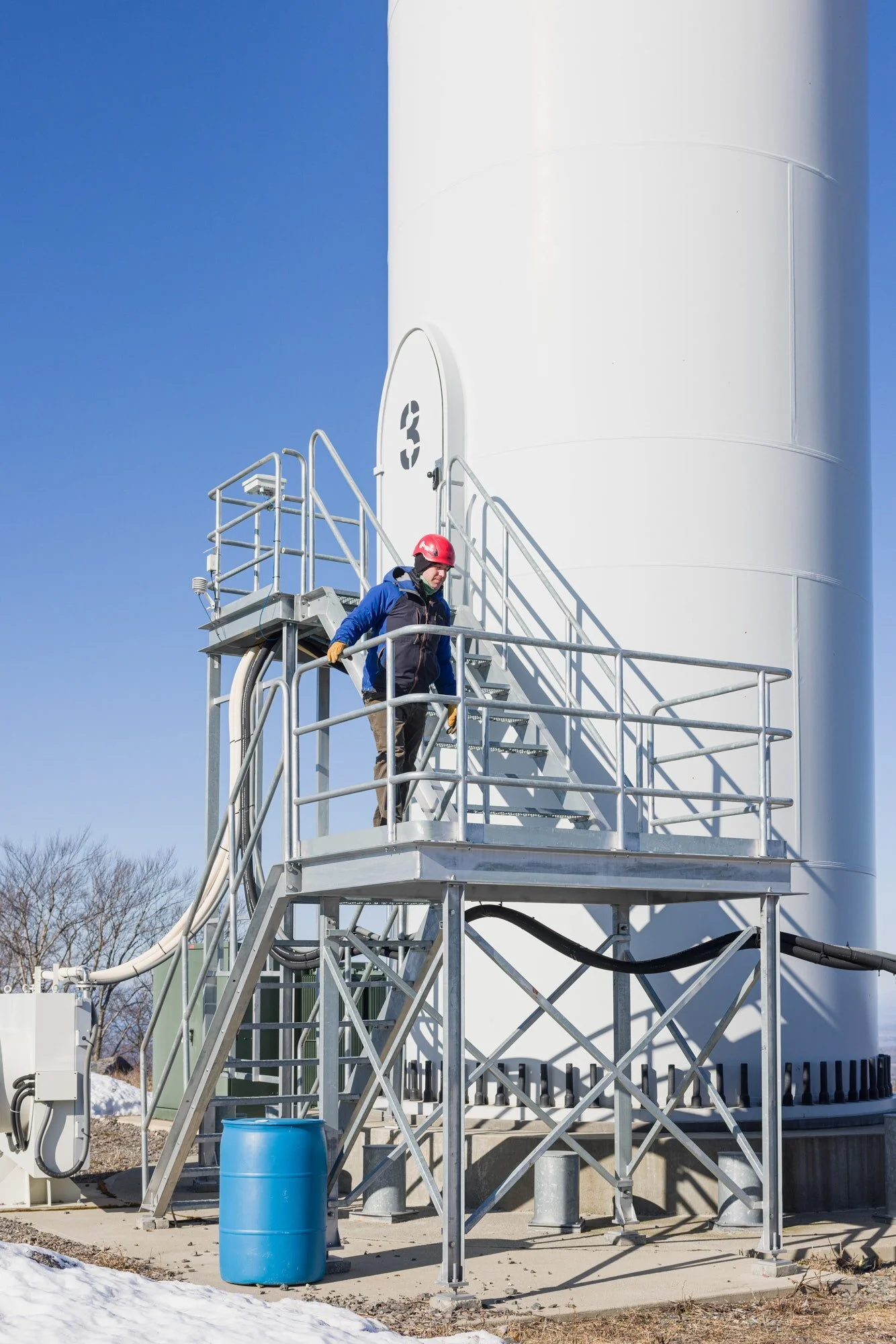
Tell us about your Georgia Mountain Community Wind Project. How did this project come about and what makes it special?
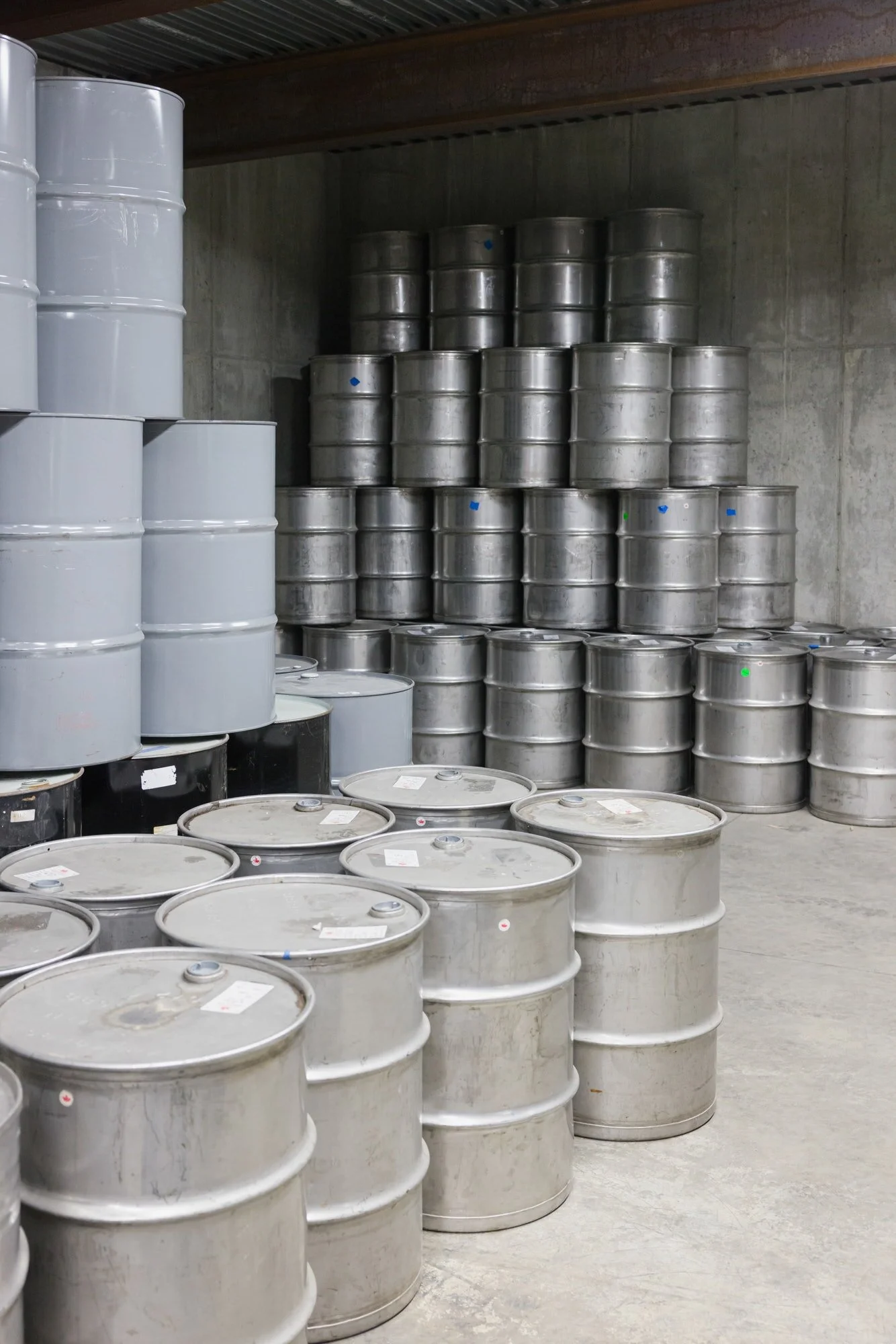
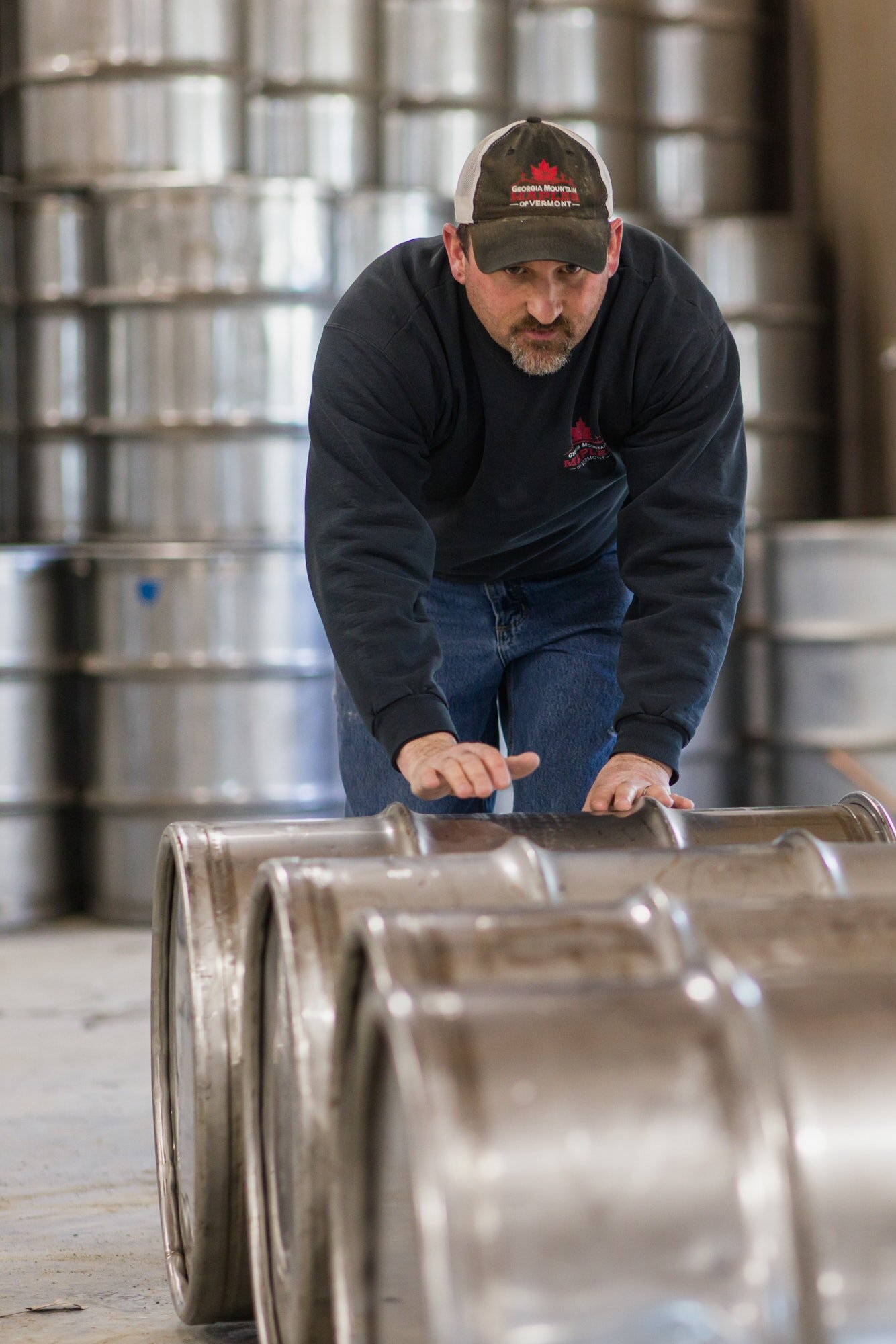
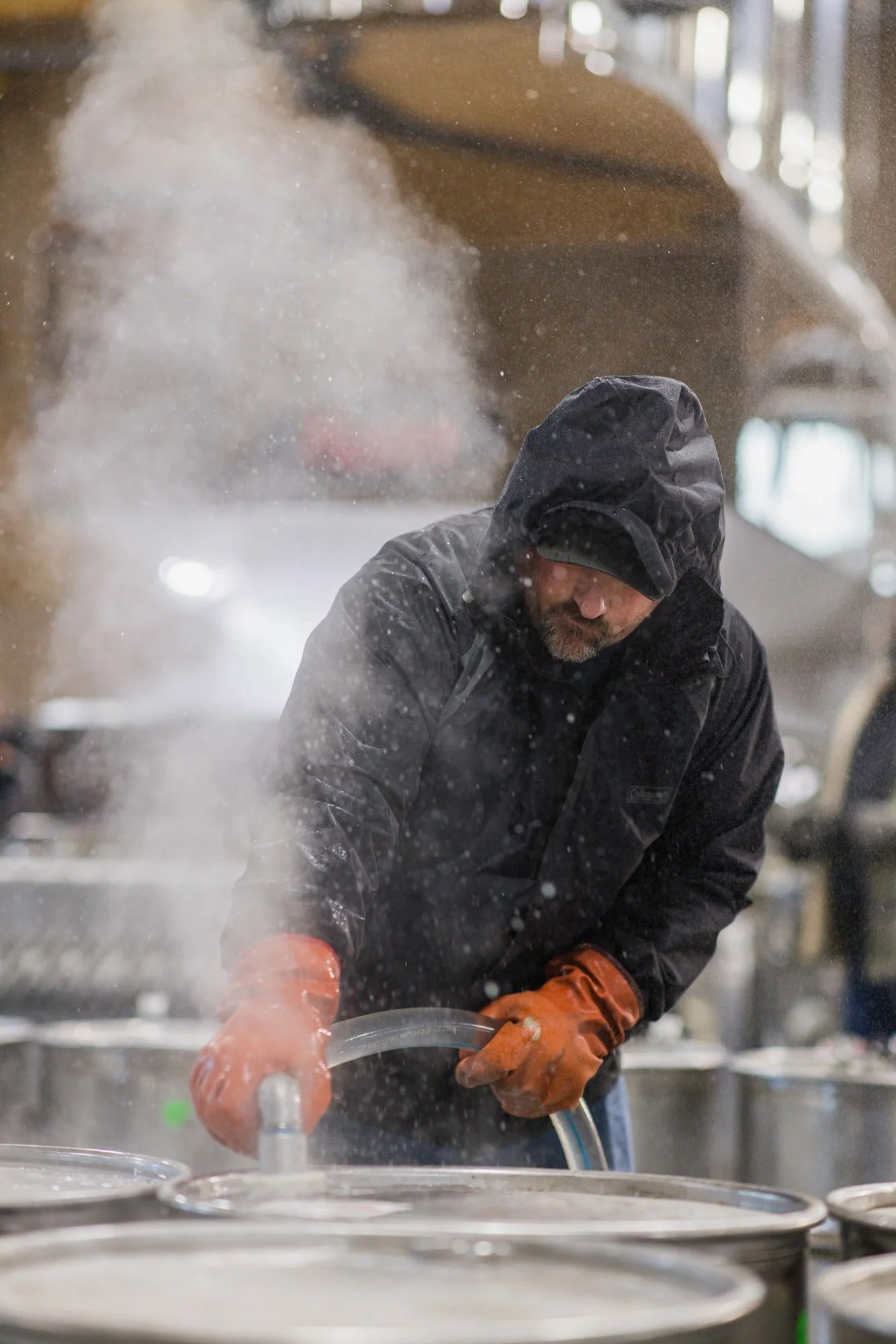
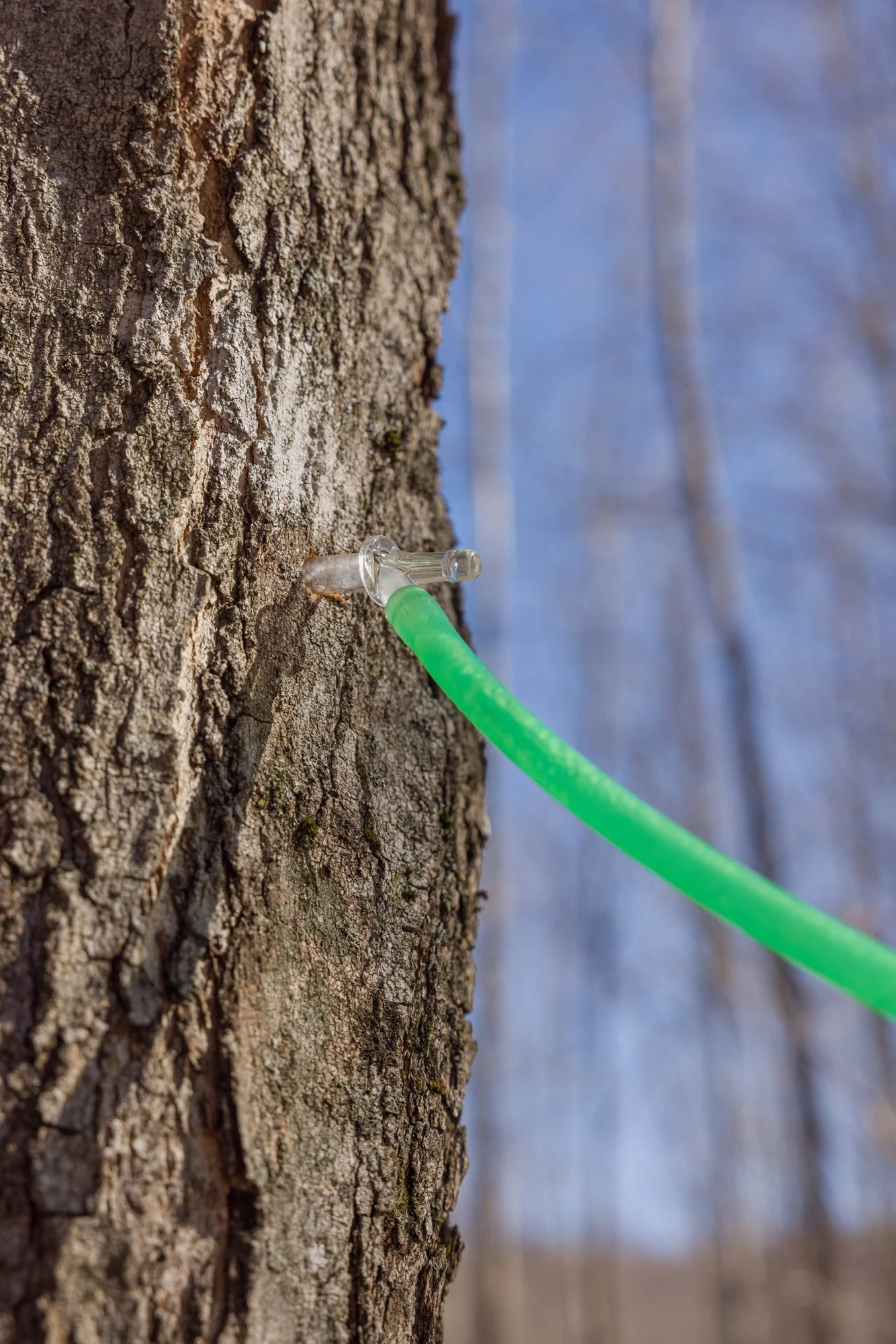
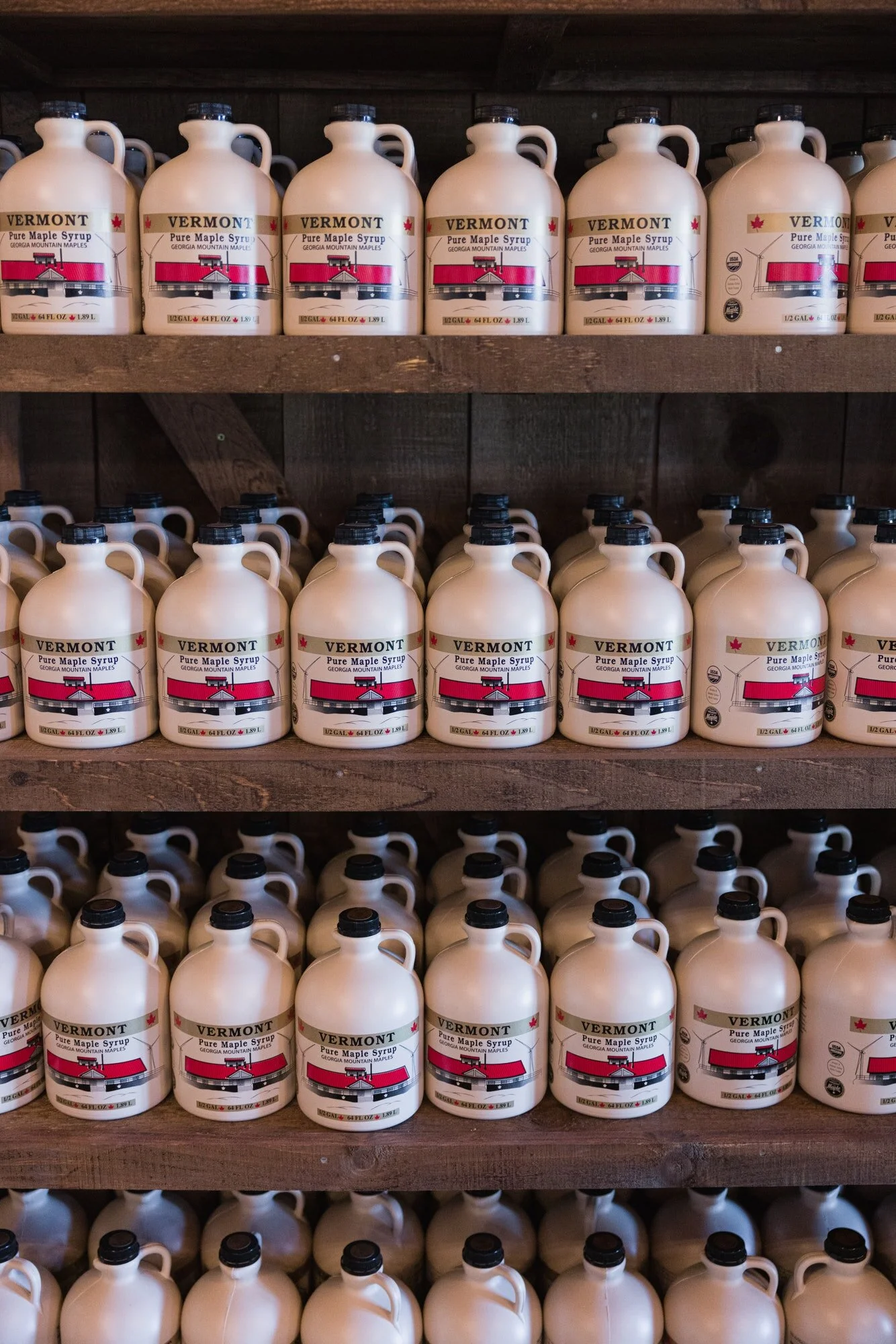
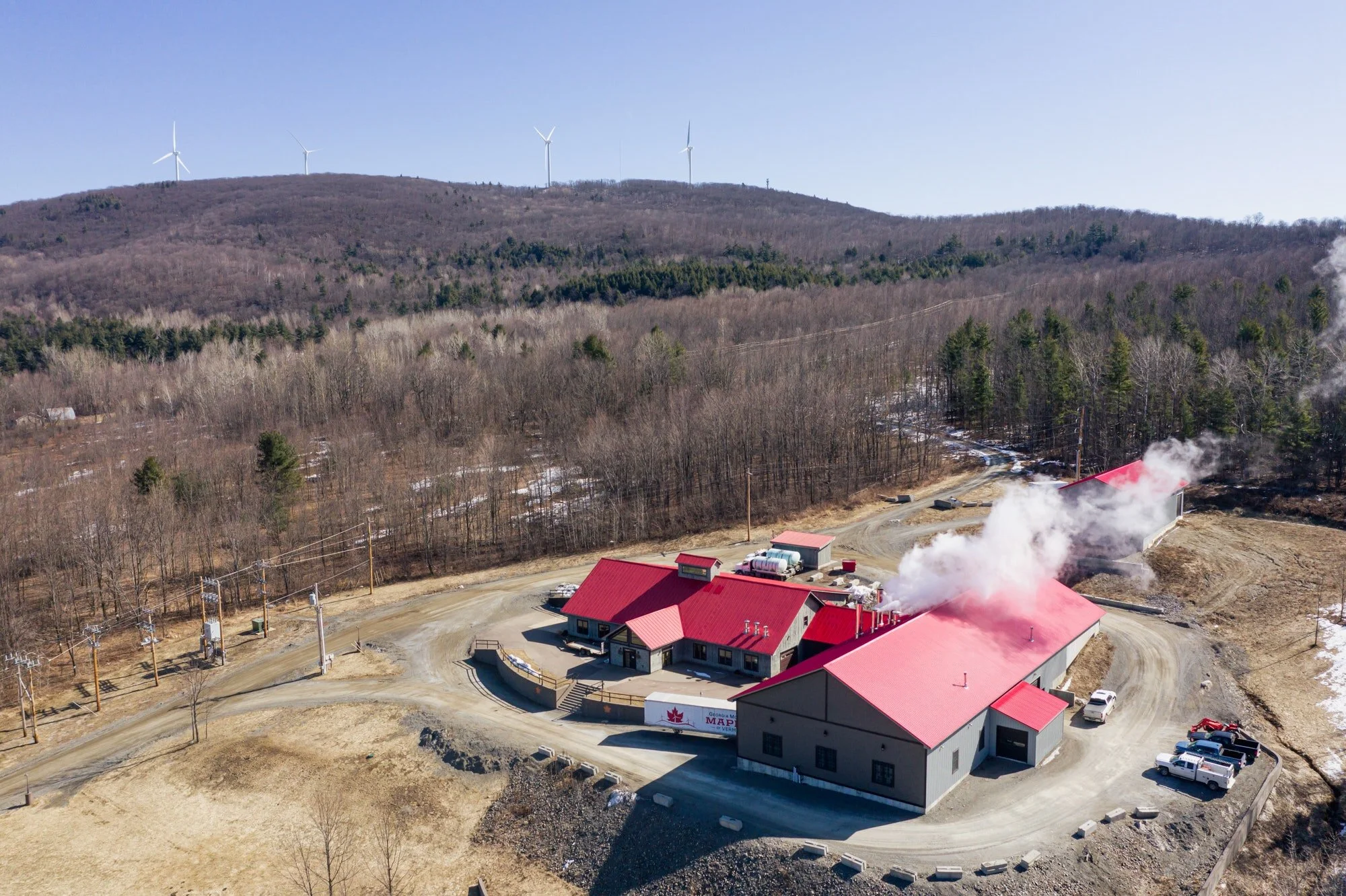
Georgia Mountain Wind is a 10-megawatt wind farm on the top of a mountain outside of Burlington, VT. The developer, AllEarth Renewables, was looking to sell the asset. This is a common pattern in our business model. Developers specialize in creating a renewable asset, working out the logistics of the permitting process and putting a Power Purchase Agreement in place with an off-taker. They want to continue developing new projects but have no interest of specialization in the long-term maintenance or operations of the project. So that’s where Greenbacker comes in – to purchase the asset and maintain it as an owner-operator. In the case of Georgia Mountain Community Wind, this collaboration led to a subsequent acquisition of a 5-megawatt wind farm in Massachusetts with the same developer. The other really cool thing about Georgia Mountain Wind is its relationship to a local small business Georgia Mountain Maples which uses the power generated by the farm to run their maple syrup operation.
Georgia Mountain Maples was already leasing the land for wind turbine use, so it was a relationship we inherited from the developer. Their business and the surrounding community have embraced clean energy and made it a source of local pride. Last summer we worked with the city of Milton, Vermont to have a fireworks display at the site which had a perfect vantage point atop the ridgeline where many residents could see the display.

Ten years ago, renewable energy was a hard sell. Solar, in particular, was an expensive energy source. But in the last decade, technological advances combined with economies of scale created by global investments, created enormous cost efficiencies. In the last few years, solar and wind reached cost parity with fossil fuels and are now cheaper than coal, oil, and natural gas.
There are several trends in investing that a working in our favor:
– More investors are looking for strategies that align with their values.
– Alternative investments are attracting investors who have soured on unpredictable equity markets and low-performing bonds.
– Baby boomers are retiring and looking for uncorrelated, stable income.
We are excited about the electrification of everything. We are rapidly moving toward a world in which electricity is the cheapest, most flexible way of powering things. It’s already the best way to light our homes, and soon it will be the best way to move our vehicles, heat our homes, and power our mass-transit.
We are also really excited about fighting climate change.With the world’s critical need to decrease carbon emissions, renewable energy has emerged as the replacement for traditional fossil fuel power plants—a transition that is accelerating globally.
We are in the midst of a movement in Renewable Energy. A movement that can not and will not be stopped. The good work that we are doing here at Greenbacker is changing the way we both produce and consume electricity for the better, making a difference for our children and our children’s children.
You can learn more about Greenbacker Capital and our full portfolio of managed assets here.
——
[ PHOTOS BY OLIVER PARINI ]

Photo by Creative Hina By.Quileen on Unsplash
Growing up in South Africa post-Apartheid has been a challenging but rich experience. As a country, we have been on a journey of growth towards restoring human dignity where it was once lost and this has resulted in more of the mysteries of God being revealed to us as a nation.
In my primary school years, our schools went from a racially segregated system to racially integrated classrooms literally overnight. There was no guidance or integration process for the people of colour who were suddenly put in schools where they were the minority. Similarly, the children in the majority were not made aware of the fact that these new learners might be facing many challenges, such as language barriers, different home contexts and diverse life experiences. There was no meaningful engagement with those who would be most affected: the students.
When I was at university, the Broad-Based Black Economic Empowerment codes of conduct for businesses were implemented in an attempt to redress the inequalities of Apartheid. I was consequently part of the first graduate groups entering the workforce with the new codes of conduct in place. As the South African business community scrambled to figure out how to navigate these new codes, and more diversity (cultural and socio-economic) was being introduced into the workforce, the multi-layered complexity that these transitions presented became apparent. Again, ineffective engagement with the relevant stakeholders resulted in unnecessary added complications and resistance.
Learning how to navigate cultural and socio-economic differences has become a way of life, and something that we have had to figure out by trial and error, through raw and vulnerable conversations. We have often gotten it wrong, and unfortunately, still do sometimes. Divisive social norms, real and perceived biases, stereotypes and just plain ignorance have left many people feeling silenced, undervalued, hurt, or fearful.
The Depth of Dignity
There is still a large socio-economic divide and as people with resources, influence, and education, many of us feel a responsibility to address the needs that we see around us. With the best intentions, we use all of who we are and our life context (often in consultation with other well-educated and resourced individuals) to find solutions that we can execute on to solve the needs we see. We should also consider, however, whether the way we solve problems is truly dignifying to all concerned.
Having worked for 10 years in the space of intersection between business and social development, I have seen that there is an indisputable joy that one experiences in the act of generosity. It is often said that the giver is just as, if not more, blessed than the receiver. In this Kingdom truth, we sometimes miss a crucial element of generosity – the building up or restoring of dignity.
I have seen many acts of generosity that come from a genuine desire to problem-solve widen the divide that it was supposed to close. I increasingly find myself asking… did that act of generosity show, in word and deed, that the people in need have value? Did they have actual influence over the solution to their own problem, or were solutions handed to them with an expectation of gratitude?
Do we as Christians know how to restore and build dignity? Or do we, more often than we are aware of, deny dignity through our acts of generosity and problem solving?
Dignity is a wonderful word that we often use, but what does it actually mean? It comes from a Latin word dignitas, which means worthiness, which in turn means to be of value. We can, therefore, summate that dignity is the bestowing of value on oneself and others. Genesis 27 says, “So God created mankind in his own image, in the image of God he created them; male and female he created them.”
If we are all created in God’s image, we all have inherent value and the same value as one another – image bearers of God.
Why then do we have such inequality and injustice in our world?
The Fall
The fall, in Genesis 3, skewed this understanding of great value, and mankind formed its own constructs of value, assigning greater and lesser value to people based on man-made paradigms. Value became a commodity that is gained through money, resources, power and education.
This view of value has shaped societies, worldviews and world politics since the fall, and as children of our time, we have not escaped its impact.
Beauty in the Body
In 1 Corinthians 12 it says,
“Just as a body, though one, has many parts, but all its many parts form one body, so it is with Christ. 13 For we were all baptised by one Spirit so as to form one body—whether Jews or Gentiles, slave or free—and we were all given the one Spirit to drink. 14 Even so the body is not made up of one part but of many.” (1 Corinthians 12:12-14)
“On the contrary, those parts of the body that seem to be weaker are indispensable, 23 and the parts that we think are less honourable we treat with special honour. And the parts that are unpresentable are treated with special modesty, 24 while our presentable parts need no special treatment. But God has put the body together, giving greater honour to the parts that lacked it, 25 so that there should be no division in the body, but that its parts should have equal concern for each other. 26 If one part suffers, every part suffers with it; if one part is honoured, every part rejoices with it.” (1 Corinthians 12:22-26)
We are all one body yet have different roles and gifts to accomplish its effective working. If we are not taking more time to understand the gifts and specific contributions that each role player brings, we miss out on crafting a solution that not only has a greater depth of understanding and sustainability, but also has a huge role to play in restoring dignity to communities and people who have been stripped of it. From employee engagement in business to community engagement in upliftment projects, it is a biblical imperative for us to recognise and celebrate the value of all people.
What I love about God’s view on value is that when a diverse array of people get together (as do the different parts of the body) to work together on a united vision, the assets, skills and understanding of all parties are of the same value and together they execute on the best outcome.
Gold in Unexpected Places
By consulting and understanding the perspective of all role players in a project, we can unlock a depth of understanding of the problem and community dynamics that would not have been otherwise possible. When a community’s internal assets are paired with the skills and technology of well-resourced people, far greater and more sustainable solutions can be achieved.
This is where the real gold is found…the gold that shines from the inside out. When people have played a pivotal role in collaborating alongside the “most valuable people” (according to a world perspective) to solved their own community or family problems dignity is restored. This is the secret to true joy in generosity.
What would it look like if we all consult the people ‘less valuable’ to truly understand their actual and not an assumed need? What would it look like to brainstorm solutions together with people who have lower education levels and a scarcity of resources, yet hold an abundance of community connection and resourcefulness?
The World is Catching On
Reading the Harvard Business Review or any other business publication, it is clear that the rest of the world has started to catch on to the fact that valuing a diversity of thought and experience in a room is key to finding superior solutions to client needs, social and environmental challenges and even in-house business challenges.
It is not surprising that these very biblically-based principles are achieving incredible results, just as our body can achieve incredible results when all of the different metabolic processes, muscles, and neurons work together. As a trained Biochemist, it always fascinated me that the different elements of the body are in constant communication and collaboration with one another and that the most seemingly insignificant processes often had the greatest effects on the body if not working correctly. We have much to learn from our bodies and God’s divine intent for His creation.
Displaying Divine Value
The challenge I put to myself and other people of worldly power is to truly value the people around you through your words and actions. At work, at home, in your neighbourhood and towns and even foreign nations we send aid to. I believe that we should never stop being curious and teachable, seeing every encounter as a learning opportunity. I have learnt that I am unable to fulfil the role of any other part of the body other than that which God made me to be. I have experienced that undeniable joy that comes from valuing people enough to seek their input and contribution in big and small matters.
May we, as Christian business leaders, claim back the essence of unity and collaboration as a Christ-centred people and show the world the beauty inherent in every community when people are treated and valued as true image-bearers of Christ. In unity God commands a blessing and advances His Kingdom. May we be a part of advancing His Kingdom here on earth.
“Many who cared deeply about the poor didn’t think about how the systems, structures, and cultures of our industries might actually be contributing to the fractures in our culture.” – Timothy Keller’s Every Good Endeavor

by Paul Niehaus
In Us We Trust
Summer, 2006. Jouncing down dirt roads in Odisha, India to learn from farmers about their fertilizer mixes. Usually hungry, I didn’t trust my effete city-bred stomach on anything sold by the road. Nor did I understand a word of the Odia spoken in torrents around me. When we’d arrive I was mortified to see how the whiteness of my skin commanded attention, opened doors, seated me in the only chair in the room, the others sitting on the floor as we drank the chai and ate the biscuits of a farmer who might earn as much in a lifetime of hard work as my graduate school stipend paid me to think for one year—to think, in fact, about why it was that I had so much money, and the farmer so little.
I felt so, so deeply out of place.
But, I felt called to that uncomfortable place. I often turn to Jesus’ first words to his neighbors in Nazareth, when he stood up to share that he would be making a career change from “handyman” to “Messiah.” Imagine the electricity in that room.
“The Spirit of the Lord is on me,
because he has anointed me
to proclaim good news to the poor…”
This part of his vision for the inbreaking Kingdom really gets me up in the morning and keeps me up at night.
So I’ve carried on having conversations like those with the Odishan farmers, talking to people about their experiences with extreme poverty, focusing on what they’re doing about it. You see, an enormous number of people who once lived in extreme poverty no longer do. That’s a piece of good news that rich folk in rich countries need to hear—many of us mistakenly believe that extreme poverty has been getting worse. And given that, we naturally expect that things won’t get better until we do something different. So it’s grounding to get out and talk to the people actually wending their ways through and out of extreme poverty, learning how they go about it, reflecting on how we might contribute.
And speaking of contributions: as I sit and listen I become very aware of the cash in my wallet.
I travel with around $100. To me it’s a meaningless number, in the sense that I could not tell you anything meaningful about how my life would be different if I didn’t have it. But for the people I’m speaking with it could have deep meaning. It could mean working for themselves instead of scrounging casual jobs; educating a child to their full potential; not having to decide which family member skips meals. So the thought hits: I should leave this money behind when I leave.
Now, I’ve heard plenty of reasons not to do this, coming up through churches that were (relatively) engaged with global poverty, through universities doing my PhD in development economics. Poverty is a complex issue, not simply a matter of money. Money treats the symptoms, not the root cause. You have to teach a man to fish, not just give him a fish.
These adages seem to capture a kind of wisdom. But notice that they don’t address a very simple, factual question: what actually happens when we give money to people living in extreme poverty?
That seems worth knowing! Yet it turns out that until recently we really didn’t. The story begins all the way back in the 1960s when “economic development” really became a thing, a thing you could write papers about, attend conferences about, get a PhD in. Ideas about development were formulated and debated. But it wasn’t until the early 2000s that researchers began to test those ideas experimentally. That’s when we began setting up field-experimental trials to figure out what impact the many billions of dollars worth of programs we had designed were actually having.
There is no deep magic to these experimental trials—indeed they look very much like the clinical trials we use to test the efficacy of new drugs, or the A/B tests that technology companies use to evaluate new features. Yet they have profoundly changed our thinking about poverty and development. In 2019 the people who popularized them won the Nobel Prize for their efforts.
This “experimental revolution” has brought some real surprises. Strategies that made sense in theory turned out not to make cents on the dollar in practice. Take skills training, for example, designed to help people get jobs or start businesses—the epitome of the “teach a man to fish” philosophy. In practice, it hasn’t done much good. That doesn’t mean there is anything wrong with the idea that “learning to fish” is important. It just means we’re not great at giving fishing lessons.
Meanwhile, simply giving money has worked quite well. Across hundreds of high-quality studies from around the world, data say that people living in extreme poverty use the money in sensible ways that improve their lives. They use it towards future goals, not just today’s needs. They don’t systematically abuse it on self-harmful things like alcohol or tobacco (if anything studies tend to find the opposite), nor do they work less hard themselves.
In 2011, based on this overwhelmingly positive evidence, my co-founders and I launched an unorthodox new nonprofit: GiveDirectly. Its radically simple purpose was to enable rich people to give money to poor people. And over the past decade we’ve done a lot of exactly that. This fall we delivered a transfer to our 1,000,000th household. We’ve worked across 10 countries, run 15 of our own experimental impact evaluations, been consistently rated one of the most impactful ways in the world to give, all as part of a broader movement towards cash transfers as the default approach to accelerating the end of poverty.
In doing this work, a through-line for me has been Philippians 2:3:
“Do nothing out of selfish ambition or vain conceit. Rather, in humility value others above yourselves…”
Global poverty work, if we’re honest, has its share of “vain conceit.” I implicate myself. I’m part of a tiny, highly educated elite that influences or controls how billions of dollars of aid get spent. And it feels great! It feels great to exercise that power in the name of a just cause.
But what if we reflect on the data humbly, with fresh eyes? It would be hard to argue that we should have so much control over how the money gets spent, while the people we aim to serve have none at all. Certainly we do not have a demonstrably better track record of spending it than they do.
So: I invite you to join me in reflecting, and then embracing a deeper and more Christ-like generosity. We should begin to give in a way that humbly values people living in extreme poverty above ourselves.

Photo by Dimitri Houtteman on Unsplash
At the end of every podcast, we like to ask our guests to share what God has been teaching them in this season of life. Chuck Bentley recently shared the origin story of the Christian Economic Forum, and he also talked about what God is teaching him about patience through a time of trial.
I’ve read through the word of God many times, and it’s a practice that I enjoy. That’s what I do as I try to just read straight through the word of God. Year after year.
But this year I’m doing something different. I’m listening to the word of God. So I have a Bible app that I really like reading it and how it’s done. And I get up in the mornings and I listen through it and it causes me to listen differently. And it’s had a great impact on me. I’m enjoying it so much. I literally look forward every morning to getting up for my time to just plug in the earphones and listen to it. But I got to part the other day in Jeremiah, where Jeremiah was complaining to God.
And there’s not many places recorded in the scripture, and I’m glad my name isn’t recorded in the scripture, as one who complained to God. I mean, if I were in the Bible, I would be embarrassed at some of the things that would be revealed about me. But Jeremiah, it’s revealed that he’s asking God questions and he’s not happy. And one of the questions he asked in Jeremiah 12 is how long? You know, he’s upset. He’s just really anxious.
And I think for where we are right now, we can all relate to that question is how long, how long is this gonna go on? Seems like it’s going on forever. And I’m tired of it.
And so God answers him. And I was just fascinated by his answer. He, as he typically does, ask you a question in return, just the way it did with Job. And so he says to Jeremiah. Jeremiah, if you’ve been running with men and you’re already weary, how are you going to keep up with horses? And he just reset the whole perspective for Jeremiah. And he pointed out to him that this has a purpose. You know, this waiting, this learning and growing in character in patience is to prepare you for another challenge and a challenge maybe you haven’t even imagined.
And I feel like somehow right now we’re running with men and we’re complaining and getting weary. But there’s going to be a day that God wants us to run an even more difficult gauntlet, a difficult challenge, and to use this time to be prepared for what lies ahead. I’m encouraged by that,and I think that God’s people need to be those who can meet these challenges head on.
Be patient. Wait on the Lord. Trust in him and then be ready for running with horses whenever that challenge hits us.

Photo by Damir Spanic on Unsplash
by Rob West
The American dream is often described in terms of attaining a certain lifestyle. The nice house. The fancy car. The attractive spouse. The adorable children. And once that lifestyle is achieved, the dream expands. Maybe it now includes an annual trip abroad. And a golf club membership. And a bigger diamond ring. You get the idea.
As long as we are chasing after a lifestyle-based standard, we’ll never truly be content.
But what if we dared to dream a different dream?
It wasn’t long after I first met Ron Blue, the father of biblically wise financial planning, that I was challenged to answer an important question: How much is enough? It is a radical question. It feels almost un-American. But in reality, it is a very important question for every Christian.
The problem is that, when it comes to our relationship with money, most Christians start with an erroneous assumption. We start by thinking our objective is to figure out how much God wants us to give away. It places a huge weight of responsibility on our shoulders (and keeps the controls firmly in our hands). Somewhere along the line, we managed to get things backwards.
Please click here to read the full article, where it was originally posted by The Christian Post.