Episode 144 – Making and Measuring Impact with Shundrawn Thomas

Episode 144 – Making and Measuring Impact with Shundrawn Thomas

Podcast episode

Episode 144 – Making and Measuring Impact with Shundrawn Thomas

Christian investors are talking a lot about impact, but we’re often left with a tough question: how do you measure it?

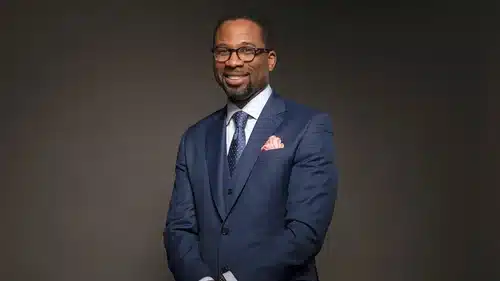
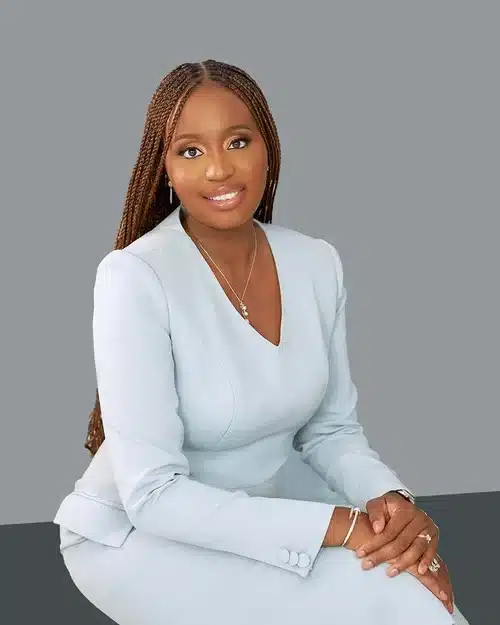
Author and investor, Shundrawn Thomas has wrestled with this question in his career. Over the years, Shundrawn has run a trillion-dollar global fund and recently founded The Copia Group which offers a distinct approach to investing that marries the strategic investment of financial and relational capital with the holistic development of scalable business models.

In this episode, he opens up about how his firm makes and measures impact, the ways in which investing overlaps with pastoral work, and the Chicago food staple he likes best. If you like the content, give us a rating or share it with a friend and don’t forget to follow for new episodes every other week.

All opinions expressed on this podcast, including the team and guests, are solely their opinions. Host and guests may maintain positions in the companies and securities discussed. This podcast is for informational purposes only and should not be relied upon as specific investment advice for any individual or organization.

Episode Transcript

Transcription is done by an AI software. While technology is an incredible tool to automate this process, there will be misspellings and typos that might accompany it. Please keep that in mind as you work through it.

John Coleman: Welcome back to the Faith Driven Investor podcast. This is John Coleman and I am here with my partner in crime, Luke Roush. Luke, how are you doing today?

Luke Roush: I’m doing great and looking forward to this conversation very much.

John Coleman: Well, we’re both looking forward to this conversation because we have an amazing guest, Shundrawn Thomas is with us today. I’ve had the privilege of knowing Shundrawn for several years now. He has an amazing personal story. He grew up in Chicago, wonderful parents that he may talk about, whom I’ve gotten to hear about just an extraordinary guy who’s bought and run different businesses and ended up running Northern Trust Asset Management out of Chicago, one of the biggest asset managers in the world before, and more recently breaking off to start his own firm, an impact investing firm called Copia Investment Group. And so Shundrawn is going to talk to us about that. In addition, he’s published multiple books, one of which I have here today. Shundrawn I tried to find your latest book, Discover Joy in Work, which is excellent. Instead, I found the 2006 version of Ridiculous Faith, which has a very youthful Shundrawn Thomas on the cover. But Shundrawn, we’re so grateful to have you today and to really benefit from your wisdom.

Shundrawn Thomas: John, it’s a pleasure to be here with both you and Luke, and good to see you both again.

John Coleman: Awesome. As we dig into this, you know, a lot of the listeners at Faith Driven Investor are interested in this idea of impact investing and how that ties to faith. Just to set the table. When people say impact investing, what are they talking about in your mind? Or how do you think about impact investing?

Shundrawn Thomas: Yeah, so I’ll start with I mean, just more so in the context of our business and then maybe briefly zoom out. So when you think about it in the context of our business, the business of investment management, when people say impact investment, we’re talking about investing that involves making investments with the intention of generating a positive, albeit also a measurable societal benefit. Now that societal benefit, as you know, can be environmental or it can be social, but you’re intentionally looking to generate this societal benefit alongside obviously delivering financial returns for the business. Now, zooming out, the thing contextually that I like to say is I think this is really important. Every single business makes an impact. That impact can be net positive or it can be net negative, right? And so one of the things to appreciate is that, you know, when we’re in the work of doing business, when we’re operating in the context of things that impact people and society, we’re always causing an impact. And so the real question oftentimes is what’s the nature of the impact that we’re generating?

John Coleman: And Shundrawn, a question for you because you’ve worked in very diverse investment environments. We like to say all investing is impact investing. We totally agree with your thesis that every business, every investment makes an impact, whether positive or negative. How did you come to that belief in your journey within this broader asset management world? Is that something you kind of knew from the beginning? Did you have an evolution to come to that belief? Talk to us about your journey towards that.

Shundrawn Thomas: Yeah, so I think the journey is integrated, but it’s two parts, right? It’s how do I think about my role as a business leader being in the profession, which I have for most of my career of investing. So a business leader in the area of professional investing. Right. And one of the things I would say is it’s an evolution that’s occurred for me over time, John, and it’s how I think about approaching business and leading. I would say, broadly speaking, my philosophy has evolved to where I believe that if you are running an enterprise at its best, there is a triple bottom line that you want to deliver. First and foremost, you want to deliver profit. It’s very fine to say companies have a profit motive, so think of that as income. But second impact, when you think about the fact that when you’re running an enterprise, right. First of all, it’s made up of people. It’s not only the people in your organization, but it’s the partners, the vendors that you work with, the communities that you do business in. And now you have, by virtue of your vision and mission and opportunity to have a positive impact. And it happens by result of either your intentional action or inaction. Now, the third part of that, which it’s complementary, it’s not one the same is inclusion. And one of the things is we work in a multicultural society. We work with people who are created to be wonderfully different. And if we run our businesses in such a way that we value and we respect, we acknowledge and we integrate the value of those differences, we create greater value. And so what I would say is the wonderful thing is it allows us to not only become better at producing profit, it allows us to be better professionals at our craft, but ultimately better people. So I would say that philosophy of just generating in my mind that triple bottom line ultimately informed increasingly how I thought about investing and then ultimately a focus on impact investing.

John Coleman: Yeah, we see that a lot in our work. You know, even just the types of businesses, types of people, there is such a diversity of ways that people can have impact, can create flourishing environments that might look different for an investment manager and a fire truck company or something of that nature. I want to pivot to Copia, and I know Luke wants to jump in with that before we do. Just a quick note. You know, most people associate impact with ESG now. I think ESG become such an omnipresent term for values based investing, at least in the mainstream world. How do you think about the difference or similarities between impact investing and ESG?

Shundrawn Thomas: Right. So I’ll start with this context, John. As you know, I had the great privilege when I led our global asset management business at Northern Trust is really focusing on sustainable investing and socially responsible investing. And if you look, there’s a continuum now there related when you talk about sustainable investing or ESG, you talk about socially responsible investing, you talk about impact investing. But specifically, when you talk about ESG investing in impact, it is important to acknowledge that there are differences, right? Impact investing. As I alluded to earlier, it involves making investments with the specific intent of generating positive and measurable societal benefits alongside those financial returns. And while again, you hear it interchangeable with ESG, one of the reasons it’s notably different is just because the inception. So, like you would know this well, because I know you’re a student of this ESG at its core is really a framework. And actually, if you look at the history, it was really ushered in really in the public sector because they wanted to say, are we considering right the factors of environmental, social or governance concerns? And is that going into the investment decision making? But to be clear, at that inception, that framework was principally about impacting the investment strategy right at its inception, If you think about impact investing, the very intent of it was to integrate into an approach, something that was going to deliver a measurable outcome. So in its inception, impact investing is by definition affirmative. Whereas in many respects, first and foremost, ESG was a framework that was used for measurement and to think about how you incorporated into the risk management. And ultimately it became integrated into various investment strategies. So not bad or good, but those differences are relevant. The last difference I would note, which you would know well, is generally speaking, most of what we see in ESG strategies are applied in the public markets. And interestingly enough, you see more of a prevalence of impact investing in the private markets.

Luke Roush: I’d love to just unpack a bit more. One of the things we talk a lot about with our managers is focus and sort of know what you know and then kind of keep going deeper in spaces that you understand, where you understand kind of what the opportunities are, what the risks are. All that thinking about Copia group and just what you’ve defined is like, All right, this is what we really want to go deeper in love to have you comment on some of the impact metrics, both inputs as well as outputs that you guys are thinking about.

Shundrawn Thomas: I appreciate you asking that Luke. And we are certainly cut from a similar cloth. Like one of my basic rules for myself and personal investing is, look, I don’t invest in anything. I can’t, you know, understand at basic level. But what I would say is this there are a couple of elements to our value proposition are very simple. The first and foremost is we believe in focus. And so to your point on that, Luke, we’ve decided that we want to focus on the lower middle market. When we think about the lower middle market, we’re talking about established companies. Generally, the sweet spot is revenue base from 5 million to 100 million in revenue there. Variety of reasons why we like that. You probably well know that market is increasingly underserved. Banks have pulled away from providing capital there. Many private investors have moved to the higher end of the private markets. And what we find is these companies, we have a true partnering orientation and they very much look for the value add that we want to provide being more than just a financial sponsor. So that’s a part of the focus. The second we talk about is our focus on impact investing. But even there, we’ve decided to focus even more Luke, now. I’m a believer in both the ability to have a positive impact from an environmental and a social standpoint, but we decided we wanted to specifically focus on social impact. And as you well know, if you look at the breadth of impact investing strategies today, they are predominantly focused on the environmental side. So one with impact investing as we know it more formally. It’s one of the few places an investment. Management where the developed world outside of the U.S. is leading the U.S. in terms of dollars invested in focus and the like. And it’s been a prevalence on environmental. And I think, to be frank with you, Luke, I think people look at social sometimes as too hard to solve where it’s the opportunity and sometimes the biggest need. And then the last thing and this is a compliment. We do fundamentally believe in economic inclusion. So again, we think there’s a huge opportunity. If you think about, you know, a simple statistic, like if you look across, you know, private markets, for example, I believe that all told, the amount of capital that is allocated to women and ethnically diverse entrepreneurs falls somewhere below 4% in these cohorts, make up over 70% of the population. So that tells me from a very basic sense, there is a huge mismatch in terms of talent, in energy, in innovation relative to access to capital. So what we say is we want to unlock that so we don’t invest exclusively in firms that are led or owned by women in ethnically diverse people. But we do say we want to target 50% or more of our investments there, because, again, we think there’s a huge opportunity [….] and a huge need.

Luke Roush: And just maybe one follow up, As you first started to wade into that kind of core focus, what were the behaviors as a firm that you adopted and encouraged amongst your team to try to really enable that flow of opportunities coming across your desk? Like what did you do that really triggered that strategy?

Shundrawn Thomas: Yeah, well, Luke, I know you and John can appreciate this from the work that you all do. The first thing that we had to really instill in our culture, and I believe in this, we have to be truly intellectually curious, because what happens is there’s a predominant way in which people invest, Right? And what we’re looking to do is to be different and to be more innovative. Right? It’s no different than how we might think about our role as believers. It says where to be in the world, but not of the world. It talks about when we read scripture, You know, your ways are not my ways. And so literally, there’s a transformation of our thinking that happens when we become believers. And I’m not trying to overstate this, Luke. There has to be a transformation sometimes of your thinking when you’re trying to innovate or you’re trying to approach the marketplace in a new way. So that’s the first thing. The second thing that we drive in our culture is before we can try to compel anybody else of our vision or our value proposition, we first have to believe. And so what I tell people is we’re not just looking for intellectually bright people in our culture. We’re not just looking for people with deep expertise. We are fundamentally seeking to find people that believe in the vision and the mission and the value proposition that we think we’re uniquely called to. And that’s important because it’s a hallmark of the culture. The last thing that I would point out is the way that you reinforce those beliefs is how you organize around a value. And so everybody has maybe differing values, but we think it’s important in a firm to have certain shared values, and those build a load bearing walls. And I think if you look over time, if you really want to have a really, truly great enterprise, culture is only one of the only competitive advantages that you actually have. And so we focus a lot on that Luke.

John Coleman: Shundrawn, I want to dig into something. So you touched on a little bit. Knowing you, you’re a person of deep faith. I think you’re your family are people of faith, and you’re really well grounded in that. You’ve written Christian books. I believe you’re also one of the assistant pastors at your church. If if memory serves. Talk, if you don’t mind, about the way in which your faith has informed your approach to this theme of diversity in particular, and how Christians should think about this and why that’s important to Christians.

Shundrawn Thomas: Yeah. So I love I’m a lover of words. I’m a student of many things and I love the word of God. And, you know, it truly does give us so much practical wisdom that influences if we allow it, every aspect of our lives. But I think including in especially many times how we approach our work. Right. And so, you know, one of the most fundamental and basic things that we know as followers of Christ, he doesn’t make it very complicated. He says, Follow me. Yeah. And that means that there is a blueprint. There is an example that he put forward. And so I’m very much a student of, you know, the life and times of Jesus Christ, right, the way in which he led. And I think it would be impossible for anybody to objectively look at the leadership of example of Christ and say anything short of that. He for sure was the most inclusive leader that you would ever see. Think about how he approached those not only in his immediate circle that were different from different backgrounds, from different ethnic or racial or however we want to characterize it. Right. And what’s always amazed me, if you really just with open eyes, look at it. Not only was he inclusive, he extended himself. He encouraged his followers not to just go with the status quo, to always think about the least of those. Right. And he had this amazing quality to see the unique value in every person. He unlike us in our fallen state, we see differences as ways to divide. But he saw things that were different as attributable value that could be brought into the whole to make the whole greater. And so to me, it’s just literally following that example. And I can tell you unequivocally, John, you know, when I joined our leadership team at Northern Trust, it happened to be the case. When I joined, we had 16 executives on the asset management leadership team. I was the only person of color and we had no women. I’m using that as one example. There are lots of characteristics of diversity. When I left, the team that I left was two thirds women in ethnically diverse. I can tell you without a hesitation that that wonderfully talented and diverse team that I work with over time that we got there on purpose, not an accident made me a better professional and a better person. So it’s not just something intellectually I know in my head. I know through my experience what the value of that is. I can also tell you, John, we had incredible success in the business in terms of increasing our innovation, our product development, our revenue growth. And so it tells me more than just something that’s a nice to do, that’s a philosophical good that there is real value in it.

John Coleman: Yeah, I mean, that’s such a good word. Shundrawn. And it is, you know, we’re watching just like everyone else. I feel like the Chosen right now and it helps bring to light you know this you get to picture actually the way that Jesus behaved in the people. I mean, it really is. It’s amazing just how open and inclusive he was of the least of these of the outcasts of those who had been pushed to the margins and how much he was ready to challenge existing power structures and things like that. And he did you know, he saw that in a way, we are all created with dignity. And it’s also practically just really reassuring to me that that example, to your point, can help us unify, not divide that in this understanding that each person has immense worth and dignity in God, that we’re all created equal and that we have an equal worth to God. If you truly believe that it’s impossible to devalue someone or to not want to appreciate them for who they are and when done well, obviously it hasn’t been done well at all points in history for Christians. But when done well, that’s such a and the way that Jesus did it, that’s such a liberating message.

Shundrawn Thomas: It is

Luke Roush: And maybe we go over to just how you think, talk about one KPI in terms of percent or more of capital put to work. Maybe just talk a little bit more on kind of intermediate KPIs right there, sort of this ultimate where does capital go? Yeah, as you think about deal flows, you think about team composition as you think about hiring and being able to source an appropriate candidate pool that maybe looks and thinks differently right, than the existing team. How do you think about what are the, you know, your current team and what do you have them focused on in terms of performance indicators for 2023 as the example?

Shundrawn Thomas: Yeah. So let me split that in two categories. I’ll start with how do we think about it from the fund standpoint? So we have those five themes diversity, equity, inclusion, equal opportunities, health and wellness, workforce development and quality education. The way that we think about it is like if you look at something like workforce development. And so we’re very much focused on the ability of companies to not only create gainful opportunities for work, but investing in the growth and development of those professionals. And so whether we look at metrics like job creation and certain value added roles, we can look at actually in a company from the time we invest how people’s income grows or tracks over time, how we’re moving people into more sustainable jobs. So the same sustainability of their employee, all of these things we can see in terms of dollars spent, that’s a particular KPI in terms of direct to the investment of the development of employees and their skills. So just in the area of just workforce development, there’s this rich set of things that you can look at in terms of KPIs and you can measure them on an absolute basis for that particular enterprise. And you can also measure it across, say, similar enterprises. The thing that we do from this is very important. Luke, we seek to be practical. So we don’t expect that a single company touches every theme. We say, where is the place, given their unique mission or of calling? They are making a meaningful difference. And then what we do is, you know, some people are just I say we got lots of critics in the world. We’re not coming alongside as a critic. We’re saying it looks like you have a great opportunity here. It’s important to you. Let us help you do that even more. And that’s how we’re adding value now within the company. What we say is we have to hold ourselves to the same standards. And so in the same way that we’re going to be delivering impact investment reports as part of our report, we’ll talk about things that we’re doing at our company. So whether it’s everything from the diversity of our or to our leadership team, whether it’s the investment that we make in our employees. Like, if we’re going to expect this at companies we invest in, we have to hold ourselves accountable for it. And one of the basic ways you hold yourself accountable for Luke is you’re transparent. And so you let people know what you’re doing along those lines.

Luke Roush: That’s good. That’s good word. I think the transparency is a really that’s a word that’s come up like three times in the last week. And, you know, when you shine a light on things, you build trust and you build credibility and you just build. I think there’s a with whether it’s with your limited partners, whether it’s with portfolio companies, CEOs, whether it’s with teammates, creating more visibility helps to establish a foundation for trust. And so I think it’s an important point. Yeah.

John Coleman: Can I ask you, Shundrawn, on, you know, a key topic here, obviously is in certain types of impact investing. There’s a belief that it’s going to be concessionary or there’s a stated fact that it’s going to be concessionary. A lot of the impact you’re talking about is going to be delivering both financial return as well as social impact. How do you see the interplay of those two things and are they mutually reinforcing or are you approaching them as a tradeoff?.

Shundrawn Thomas: Yeah, so for us, so I want to be clear on this one. I think that we need a range of different types of impact investing. I think you can have impact investing that is done more specifically, I would say, in the philanthropic space or by social enterprises, and that takes on a certain character. I think there are organizations that I think are wonderful organizations like, you know, lists that works to get capital to underserved communities. And I would say some of what they do, by its very definition, is concessionary. And we absolutely have a need or a role for that, particularly when you have a partnership between public and private enterprise, in my opinion. And then there’s an example of the work that we do. Our premise is that you can also invest in a way that drives impact that is not concessionary. Now, when I say that is not to say that I think there’s anything wrong with concessionary investments, it’s just that I’m saying that’s not what we’re doing in this context. And I think you need that as well, because you’re going to have instances where people will say, Look, from the perspective of my fiduciary responsibility, I need to have as a basis that I am delivering investments that are going to have competitive market returns. And as a starting point, we won’t say that there’s anything inherently bad with that. Right. But I think there are folks like us, certainly. I think I look at the work that you all do, John, where we can say you can do that and still drive impact. You can do that and still have values based leadership. You can do that and still have impact for the kingdom. So the premise that these things are by definition antithetical, That is the premise. I think that we also have to be able to attack.

John Coleman: Shundrawn that is such a good articulation as we dive even deeper into this kind of measurement in the way that you look at impact, you look at financial return in that spectrum. One of the things I know that you all have done is partnered with Sustainalytics on ways objectively measure as you think about that partnership. Just help us understand that and how that reinforces the work that you’re doing.

Shundrawn Thomas: Yeah, I appreciate you asking that question. So Sustainalytics, which is now owned by Morningstar. So Morningstar Sustainalytics is a global leader in sustainable research, and so they work with many types of enterprises to focus on this area of measurement. So there were two important reasons there, others that we really wanted to partner with. Sustainalytics. First of all, when you’re trying to innovate, you want to work with people who can bring value, add and perspective that is complementary and different to yours, to the table to drive the best. So when we were working on this proprietary framework, we said, Listen, who could we partner with to really help drive innovation in this area? The second thing I think it ties to something that Luke and I were discussing earlier. I think there is value to having someone your partner with that brings an independent lens to what you’re doing. So there are three things that Sustainalytics does as it pertains to our framework. First of all, they provide a wholly independent assessment of our framework so that you actually as an investor can know that this is a genuine and a well inform impact investment framework. The second thing that they’ll be doing as part of the framework, John, is they’ll provide an independent assessment of each individual deal that we do. And the third thing that they will do is they will work with us on both the pulling together of the reporting of those KPIs or metrics they look was referring to, and then packaging that in the impact report. And so I think that creates not only a partner, but I think something that’s really important, a sense of accountability to what we’re doing and what we’re committed to.

Luke Roush: So that’s actually fascinating. I’ve got a whole bunch of other questions around Sustainalytics that we can maybe follow up on another time, because it sounds like a really powerful tool that is relevant in the midst of a fair amount of criticism sometimes around, you know, particularly public company funds that are being greenwash, so to speak, rather than real commitment to environmental stewardship. This idea of inviting other partners in to kind of help to create visibility and accountability. I think it makes a ton of sense. Thank you for your comments on that. One thing I want to talk about, just switching gears before we go to the Lightning Round is how your role as a pastor in your church is equipping you to take action on a different mission field, which is really more tied to your day to day work as an investor? Love to have you just talk about the Venn diagram between those two parts of how God equipped you.

Shundrawn Thomas: So, you know, it’s interesting, you know, over time, you know, as I grew in my level of responsibility in the workplace and I went into, you know, senior and then executive management. I mean, nobody gives you the memo beforehand about how much time that you will spend on the people side and how fast. So you need to be in that. Now, one of the things sometimes you don’t see it where sometimes God is preparing you in certain ways that you under appreciate. I’ve always served in the church, got involved as a teaching pastor, and then as ultimately associate pastor. And you deal with life on life issues with people. And the starting point to do anything that you do as a pastor has to be that you care intimately and deeply about the people. And that’s important because if we’re really honest in the workplace, that is not generally the starting point. The starting point is the self-interest of the organization or the profit motive and those things. And so I find that that experience as a pastor helps reorient me to what is the most important thing many times, which is the nature of that relationship. Because a lot of what you’re doing when you’re trying to do things in a professional setting is only going to come by the effort, the innovation, the hard work, the commitment, the belief of people. And so you have to appreciate then a big part of your job is actually to sow into the people. A big part of your job is to help them flourish. And so if your professional life is not different than your personal life, if you just have one life, if what you do whenever you interact with people is have a focus that says I actually want them to flourish, I think it’s incredible in terms of enhancing your effectiveness as a leader.

John Coleman: Amen. Fantastic. I mean, I can’t echo that enough Shundrawn. And that’s what we see in the best business leaders that we’re fortunate to partner with is just this real love of and belief in people. Right. Which I do think is founded in faith. Everybody’s created by the same creator. Everybody’s got talent. I’ve got a friend who says talent is universal, opportunity is not right. And in workplaces that create that I think are important. Now, I am an occasional writer. It would be absolute professional malpractice of me if I didn’t let you talk about a book. Shundrawn, I know you’ve written many books. I would love to hear about your journey as a writer, although I’m probably nerding out more over that than anything else. But your latest book, I believe, is Discover Joy in Work. Talk to us about Discover Joy in Work. How can we discover joy in work? And why is that topic important to you?

Shundrawn Thomas: So, you know, it frankly ties a lot to lose questions. So one is both about personal experience and it’s about my experience and leading people. So two things very quickly. One, I found that I, over time got to work with these incredibly talented people. And when you got to build real relationship with them, I was literally shocked at how many people were so deeply unhappy in their jobs. And I’m not exaggerating the fact that I’m [….] state truly the majority of people. The second thing that really put a light on this is for me personally, I went through a period where I was just struggling with a deep despondency from the outside looking in. It was at a period of time where I was seeing this incredible quote unquote success professionally. And so between being someone who had a sense, for lack of better terms, look at the past of people in the workplace. In dealing with my own experience, I really had to step back and think about, like the experience of work. And what I realized is, again, there is a joy I believe that God wants us to experience at work. I mean, if we have more time. I talk about the very opening passages of the Bible and we find a God not at rest, but at work. And if you were to describe his attitude towards his work, I would say, how could you describe in any way but joyful? And so how do we experience that same thing? I think it’s three things that are simple, not necessarily easy. All of them involve changing our perspective. The first is changing our perspective to the workplace. I think many of us have the wrong perspective about the workplace, and by that I mean the people that we work with in the environment we work in. The second thing is about work ethic, and that comes down to realizing that there external motivators that principally drive us from work. But if you’re external motivators, money, recognition and respect, I call it three R’s. It’s remuneration, you know, respect. In recognition. If your desire for those is greater than your internal motivation, you have imbalances, not the right work ethic. So you have to change your perspective on work ethic. The last thing is really important. We’ve kind of been talking around this. I call it work life. I say it simply this way, John, we focus so much on our careers, but the reality is your work life has to fit in the context of your overall life. There’s a purpose for which we are called. That’s bigger than any job, any role, any paycheck we have. And when we can see that we don’t have a occupation, we have a vocation, we have a life’s calling.

John Coleman: Well, I’ll give a brief testimony to discover Joy in Work, which everyone on this podcast should buy. I’m pretty sure we can’t pitch securities on this podcast, but I think we can pitch books. You know, I did my own transition a couple of years ago when I joined Sovereigns and was writing a book called The HPR Guide to Crafting Your Purpose. And that was part of me switching to the type of firm I was in. And I actually got to interview Shundrawn for that book, and that turned me on to his writing. And one of the books I read through my own transition was Discover Joy in work in the frameworks that you laid out I thought were so thoughtful about crafting a life that was really aligned with your work and about the way in which you could orient yourself towards work. And that was super informative for me as I began my journey at Sovereigns. Luke still thinks my work ethic is a little bit not what it should be, but it’s improved at the very least. And I thought the book was just fantastic. So I do hope people will pick it up. It’s an important topic. Luke Maybe I’ll pitch it over to you.

Luke Roush: Yeah, I’d love to. Transition is recognizing that we’re short on time. One of my favorite parts of this podcast is we affectionately call the Lightning Round. And so I’m going to lead off and then we kind of go back ping pong, back and forth. Some of the questions are serious, some of them are less so. But the idea is that we just get kind of 30-60 seconds responses. And so we’re grateful for you playing the game with us. I’m going to start off Chicago native Shundrawn and we’re very, very curious about which is better. The Italian B sandwich or deep dish pizza?

Shundrawn Thomas: Yeah, well, I love them both. I have to go deep dish pizza. I have to go with deep dish pizza.

Luke Roush: Yeah.

John Coleman: All right. Shundrawn I’m pivot here a little bit. Chicago is known for its great sports teams that are maybe have a spotty performance track record, let’s say, other than the Chicago Bulls of the Chicago sports teams right now between the Cubs, the White Sox, the Bulls, the Bears, who are you most optimistic about winning a title over the next couple of years?

Shundrawn Thomas: Oh, my gosh. This is a tough one because I am a die hard and miserable Chicago sports fan. I think all of our major teams are really bad straits right now. So let me just tell you where my heart is because I’m a Cubs fan. Even though I grew up on the South Side, I am a Blackhawks and a Bulls fan, I’m going to go Bears, not because I think we’re anywhere close to sniffing a Super Bowl. It’s just that I’m such a Bears fan and hope springs eternal.

John Coleman: I love the optimism.

Luke Roush: Lot of history, Buddy Rich history there, coming back to discovering joy at work. I think a lot of people here discovering joy at work and they think about an operating company, But you’re an investor, so how would you encourage investors to better discover joy in their work?

Shundrawn Thomas: I think that’s a great question because I think one of the basic things I would encourage investors, one of the things that we can do is we can get so focused on the intellectual asset of the discipline of investing. We are all head and no heart. So my basic encouragement to investors is bring your heart alongside your head. There is nothing that is going to depreciate your ability as a great investor. If you also look for the things that you are passionate about and are meaningful for you. And I think taken together that will bring a level of joy in your work that maybe some have an experience here heretofore, because we all need that connection between your head and heart.

John Coleman: Shundrawn I think your dad is a pastor and not just a pastor, but perhaps your pastor.

Shundrawn Thomas: Yes.

John Coleman: What is the best piece of pastoral advice you’ve gotten about your career?

Shundrawn Thomas: Oh my gosh. You know, my father and my mother who founded our church, they’ve given so much great advice over the years. But I would say the piece of advice he gave me that it’s been so beneficial to me at work and at home is that he says, Look, son, you know, wherever you are, be there. And if you don’t pay attention, the depth of that can just get by you. But I think that what happens for so many of us, we live so much of our lives distracted. And some of the most important moments that we have are the engagement that we have with people. And I’ll tell to myself, you can look back over time and you can say, you know, I was there, but I wasn’t really there. I wasn’t locked in. I wasn’t focused on that. And I missed that special moment. And so I always hear his voice echoing in my mind, and it gives me a different level of engagement and focus, particularly with people. Wherever you are, be there.

Luke Roush: So I want to actually go outside of your work and outside of the church, maybe just another ministry or nonprofit that you’re personally excited about. You find joy through your engagement with them.

Shundrawn Thomas: Yeah, so I appreciate that question. Now, we’re very involved with a number of different nonprofits, and my wife and I are very charitably inclined. I would say one that is top of mind that’s doing some interesting work, particularly it impacts communities here in Chicago, but I think it’s an example for the nation. So I joined the board of Rush University Medical Center, and the thing that pulled me over the top because we’re very intentional about where we spend our time, is they do this innovative and groundbreaking work on health equity. I mean, it is truly an example for these. I mean, they focus on communities in particular on the west side of the city. These happen to be communities that are predominantly African-American and Hispanic, but predominantly African-American. A lot of these communities, when you see what happened over time, you have a lot of industry moving out of the city and so forth and so on. But your reality is what was left is communities where they are, among other things, not only banking and financial deserts, but health deserts. So providing expert health care, creating access. But then the last thing is they went even further. They start thinking about ways to engage the economic vitality of these communities. So they said, as a hospital, we’re not only giving care to people, but we are a business. So we can do business with and engage people in the community is such an innovative way to think about health equity in the fact they’re doing it out in the community. And so we’ve come alongside that. We give a lot to those particular initiatives and we serve in that capacity.

John Coleman: That is awesome Shundrawn. So one thing we love to know end on for every episode, given it’s the Faith Driven Investor podcast, is for our guests to just teach us one thing that they’re learning through Scripture right now that’s impacting your life. I know this is important to you, but what would you share with our audience about what you’re learning from Scripture right now?

Shundrawn Thomas: So it is going to be very timely and topical because one of the privileges I have of serving in our church is I said as an associate pastor, I serve as teaching pastor, a teaching pastor. And so what I always say whenever I have the privilege to teach, to deliver the homily or the sermon, it’s always impart things that God is working with me on, revealing to me, and I feel like there’s an importation you have to share. And so one of the things I’ve been focused on most recently, and I’m actually teaching a series of the church on it’s a three part series is focusing on the practical wisdom and the power of the Word of God. I think it’s so easy in times like this, you know, people’s hearts in some ways are failing them. Their confidence in political and governmental and business systems is shaken. We look at all the things going on in the world. And so where do we go to answers. But we have this incredible source, the word of God. And what I encourage in this service, in this series is understanding one, The word of God is active, right? It is continually working. It’s effective. It does exactly what it is intended to do. It’s time tested, it’s enduring. Right. And so there’s a source of this deep practical wisdom that we have that we can trust. And I think for me, that is such an encouragement, like all the things that are going around, to just refocus on that truth. And so that’s what’s been top of mind for me.

John Coleman: Shundrawn awesome look. We are grateful for you taking the time on the Faith Driven Investor podcast. We’re grateful for the witness that you are in the financial services world and your faith and how that’s reflecting on others and also for the great work that you’re doing in the community right now. And, and I think Luke and I would both agree that we’ve loved the conversation and we’re very hopeful about the work that you’re set out to do now and really appreciative that you’re sharing your story with the world. Thanks so much for joining us.
Subscribe to the newsletter

Stay Connected to the Movement

We know that as an Entrepreneur, your most valuable asset is time. So each month we take the very best of the podcast, the blog and all the news, resources, and upcoming events happening across the space and bring it to you.

Episode 124 – The Tree of Life and Prosperity with Michael Eisenberg

Episode 124 – The Tree of Life and Prosperity with Michael Eisenberg

Podcast episode

Episode 124 – The Tree of Life and Prosperity with Michael Eisenberg

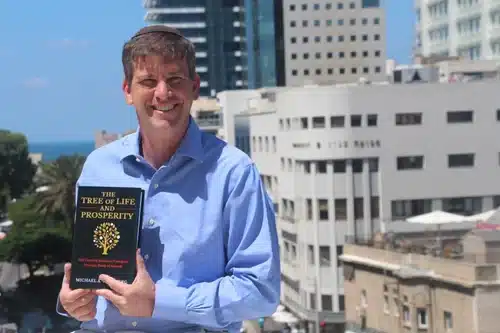
Michael Eisenberg is a General Partner at Aleph, an equal partnership and early stage venture capital fund that has invested in more than 50 companies and has $850M under management. Michael is also an avid writer. Since 2006, he has been writing the blog “Six Kids and a Full Time Job” on topics ranging from politics to technology, Judaism and macroeconomics. We’re excited to have Michael on the Faith Driven Investor Podcast to talk to him about how he balances investing, writing, and life as a husband and father of eight.

All opinions expressed on this podcast, including the team and guests, are solely their opinions. Host and guests may maintain positions in the companies and securities discussed. This podcast is for informational purposes only and should not be relied upon as specific investment advice for any individual or organization.

Episode Transcript

Transcription is done by an AI software. While technology is an incredible tool to automate this process, there will be misspellings and typos that might accompany it. Please keep that in mind as you work through it.

Henry Kaestner: Welcome back to the Faith Driven Investor podcast. I’m here as always, or most of the time, at least with Luke. Luke. Good morning. How’s Nashville?

Luke Roush: Nashville’s beautiful, beautiful spring morning. Tulips are coming out.

Henry Kaestner: That’s awesome. We’re taking the show on the road today. We’re going to the amazing, amazing, amazing country of Israel. And it pains me that I’ve only been there once. Most of our listeners probably will have been there if you haven’t. It’s just amazing. It’s great culture. The weather’s great, the food is awesome, scenery really great. And then to walk in the footsteps of all of our biblical heroes is just it’s amazing. It’s otherworldly, almost literally. And our program today is taking us to Israel, to Michael Eisenberg, who is a crazy, successful investor coming out benchmark time on the Midas list, made lots and lots of great investments over the years. Maybe the most impressive thing that he’s done is the fact that he has written a blog called Six Kids and a full time Job, even though he has eight kids. So now under selling, under promising overdelivering. And I think that’s what he does as an investor as well.

Luke Roush: He’s got to make it more approachable. You know, eight is just completely unattainable for most individuals. Six makes it at least kind of within spitting distance.

Henry Kaestner: That’s right. You know, if it’s eight, then they think it’s a work of fiction. Six kids will bring people in. And then, you know, with time, he says, yes, eight. Michael, you do have eight kids, correct?

Michael Eisenberg: I do have eight kids, yeah. In fact, when our eighth was born and, you know, and the blog didn’t have a scalable name, one of my partners from Benchmark wrote Maybe you should rename it. Eight is enough. Those people are old enough to get the idea. Yeah.

Henry Kaestner: I’m a child of the seventies. That was a great show. I remember that.

Michael Eisenberg: Me too.

Henry Kaestner: Very cool. So, Michael, thank you for joining the program.

Michael Eisenberg: Thank you so much for having me. Henry, Luke, appreciate it.

Henry Kaestner: So give us we’d like to do this with all of our guests, of course, but give us an autobiographical flyover. You haven’t spent your entire life in Israel, but you’re doing some incredible things there and do the autobiographical flyover. As we’re doing this, I’ll just tell our listeners why Luke and I are so fired up about having you on the program. We’re talking about a guy who serves on the board of an organization in Israel called Yeshivat Har Etzion. It’s a Bible study. He’s fascinated by the Word of God and what it means for his life, but what it means also for his professional life. And the fact that we’ve gone this far along and Faith Driven Investor and having connected with Michael through our great friend Evan Baer a long time ago, I’m embarrassed that it’s taken this long. But we’re going to learn from Michael about what he’s heard from God and how it informs his investing. Before we do that, give us a fly over who is Michael?

Michael Eisenberg: Yes. As you hear from my accent I am not originally from Israel, I was born and bred and raised in New York. I’m fond of saying on the island of Manhattan, I was born in Manhattan. I went to elementary and high school and college in Manhattan, but I took a detour after my first year of college, and I went to study at that same Yeshivat Har Etzion when I was 18 years old, after my freshman year of college and one year turned into two years of Bible and Talmud study in those amazing halls and under the tutelage of the two heads of the Yeshivat, this house of Torah and Scripture study and I had a transformative experience right about this time here today may actually even be the anniversary of when it happened, because it happened a week after the Jewish holiday of Purim, which fell last week. And it was the year of the first Gulf War in 1991. And the war ended on Purim Day. And Scud missiles had rained down for like two months in Israel. And I found myself in a room with the head of the Yeshivat, a rabbi who was a Holocaust survivor. And I asked him a following religious question. And your listeners will appreciate this, because as religious people, we want to follow the laws, the religious laws. And so I asked him if he thought there was a greater religious fulfillment of commandments, if I moved to Israel and settled in an unpopulated place, the Negev, the Galilee, or if I settled in a very populated place like Jerusalem or Tel Aviv or city, would it be the same fulfillment of the biblical commandment to move to Israel? Now, mind you, I had no intention of moving to Israel at this point in time. And the Rabbi answered me. He said, Your question is nonsense. It’s total nonsense in a very charming way. He said it. He said, What you really need to do is move to Israel and open a factory to employ 10,000 people who will earn an honest and decent living. And I’ve been going to kind of orthodox Jewish religious education my entire life. And never once I heard a rabbi talk about the economy or business and not just as a spiritual imperative, but as a religious imperative and a business imperative, and that it’s good business to empower other people to earn an honest and decent living and thereby grow the pie. And so at that moment, I decide to move to Israel and try to employ 10,000 people. And I came back to the States, finished college in two years. I graduated college on May 31st, 1993. I got married on June 13th and moved to Israel on August 11th in pursuit of trying to employ 10,000 people, […] and decent living. And that’s what I’ve been trying to do ever since. That’s been like my life goal to keep doing that.

Henry Kaestner: So tell us how you got involved in investing. Did you have an operating background first when you first moved to Israel or did you right into the world of investing?

Michael Eisenberg: I got bad news for your listeners. I don’t have a background in much of anything. You’ll be disappointed to find out that I have a degree in political science, which I think I got good grades, but I don’t remember going to class that much.

Henry Kaestner: That’s right. I do too, and Luke is public policy guy.

Michael Eisenberg: Maybe there’s something there right, maybe there’s something there. And so the kind of background is I actually got started in political consulting. That’s where I got started. And political consulting, I discovered, didn’t create that many jobs due to politics, for what it’s worth. But, you know, to be perfectly honest, I was fired. No one told me I was fired, but I was and I was unemployed in my twenties with one child. And I couldn’t find a job here in Israel. And I was an immigrant and I started something that became a tech merchant bank. I didn’t know anything about tech or banking, for what it’s worth. So it was like classic imposter syndrome. But I was driven. I had to create jobs. That’s like that’s what I had to do. And so that’s what I did. And we started as merchant bank in the first bubble came. The bubble came in the late nineties and we all looked like geniuses, you know, that’s how I started my career. And then I got recruited by a bunch of venture funds and ended up going to one and ended up at Benchmark and then started my own together with my partners. And so, you know, that’s my story. I still don’t know anything about technology, by the way, and I struggle to read a balance sheet and an income statement, but it’s been okay. That’s the truth, by the way. That’s not like some false humility that is the truth.

Henry Kaestner: So you sound a lot like me, except you’ve got twice as many kids. But on the income statement and the balance sheet side. But Luke does know how to read balance sheets and income statement. So I surround myself by a lot of smart people. I know. And my presumption is you’ve done the same.

Michael Eisenberg: That is the secret to success. And by the way, it’s the secret to a happy marriage. Married people who are better than you and you’ll do much better. And they all like a mirror up to you all the time and challenge you and keep you humble and make sure you’re doing the right thing and you aspire to other men. Same thing is true in partnership. I’ve been in partnerships my entire life. My partners are all way smarter and more capable than me. They’ve proven that.

Luke Roush: So how have you seen just kind of the entrepreneurial environment and experience change in Israel over the last number of years? What’s most different today than it was when you got started?

Michael Eisenberg: That’s a great question. And we started by selling our good companies young because it was a young ecosystem. You know, we forget Silicon Valley is like 60 years old. And so it’s had enough time to kind of germinate management teams and financial sophistication and growth capital and all those things. We just were only around for 25 years, and so that 25 years feels like a long time, but it isn’t. And so now we’re building full stack companies and that’s a massive change. We said when we started all of my current fund that what we really want to do is build $10 billion companies out of Israel and they should have an Israeli flag in the front of the building. And that wasn’t obvious when I got started that you could even do that.

Henry Kaestner: I remember coming up to Haifa maybe about ten years ago and just being incredibly impressed. I well, it felt like Silicon Valley. It felt like every single major technology, you know, as Apple, as Google, Facebook, everything as you’re going up. And I remember back when I was on Wall Street, I remember a checkpoint being a big Israeli company, but it is out of nothing in 25 years. It’s incredible. Taught us a little bit for those who don’t understand what we’re talking about and haven’t heard about what has happened in Israel. Give us a sense of the size and the scope and just the depth of what’s coming out of Israel maybe. And it started out of the Israeli defense industry, correct? First.

Michael Eisenberg: Yeah. And even still, you know, in most American places, we have a technology center. What you have is a great university, Stanford, MIT, whatever it is, it produces technology people. Most of Israeli technology economy comes out of the military here, […] 200. Another one starts with 81 and some others. And so you build an esprit de corps in these places and mutual responsibility, and then they go out as teams and start these companies. They tend to have kind of less business exposure than your average American college graduate. But, you know, it’s a different kind of ecosystem in that way, by the way, it’s a far more loyal ecosystem in that way. People stay companies a lot longer.

Henry Kaestner: Got you.

Michael Eisenberg: Out here.

Henry Kaestner: Okay. So I want to get right into the meat of what we want to talk about with you, because you’ve written extensively on what the Bible says about investing. You’ve written about what the Bible says about a lot of things. So you’ve got two really interesting books. One want to touch on The Vanishing Jew, because that’s fascinating. And the other one, of course, that really brings us to today is the tree of Life and Prosperity. Before we get into each of those, give us an overview of your journey and learning from God’s Word. Since you first met the rabbi who encouraged you to look at the marketplace, how would you summarize what the Torah says about business and investing and what guide you through that?

Michael Eisenberg: So the most important insight is do we think that scripture is some sort of parable, or do we think it’s a blueprint for how you live a life in an ethical nation and ethical and moral life in service of something greater than yourself? And that’s a critical part of the way I approach the Torah scriptures, which is these are real things. In fact, when I launched my first book on Genesis in Hebrew, I did like an evening with a rabbi named Rabbi Loud, and someone asked him, What did you learn from reading Michael’s book? And he said, I learned that people haven’t changed in three and 4000 years. People are people. Families are families. Issues are issues. Wealth is wealth. And morals and ethics, you know, are relevant today like they were then. And so I thought that was just a great encapsulation. And so if you think this is a blueprint, Genesis, Exodus, Leviticus, as the case may be and on you look for how to apply it. And what we’ve lost I think is a way to interpret it to our modern society. Somehow we think when we read about, you know, Abraham and his flocks or Isaac and his flocks and his agricultural enterprise, so we say, Oh, that was then. But now we’re like in technology and computers and manufacturing. But I think that’s interpretable, not only interpretable in a way of parables, but fundamentally interpretable. It’s not an accident that Abraham was a shepherd and Isaac had an agricultural empire, and Jacob goes back to being a shepherd and Joseph becomes the secretary of the Treasury of Egypt. These are evolutionary behaviors that we see in family, generational businesses and in other areas like that. And so I think it’s a blueprint.

Henry Kaestner: One of the things that we’ve looked at a bunch, both were Faith Driven Entrepreneur Faith Driven Investor is the creation mandate and this kind of call to create be fruitful, multiply, take dominion over all things. And I’m curious, as you’ve looked into this with a number of rabbis and these yeshivats, etc., about some of the passages that you grasp on. And I’m wondering if they’re the same. Presumably many of them are. But in terms of the emphasis, you know, like, you know, you go back and say, see, God has told us to be able to be out in the marketplace in the Christian worldview. Of course, a lot of times we’ll go to the Book of Acts and talk about the fact that 39 of the 40 miracles in acts took place in the marketplace. What is it in Israel and the Jewish tradition? What is it you look back to specifically? I mean, you may mention some of that that what Abraham and Isaac did and Joseph being in the Treasury, etc.. But do you see anything, for instance, in the Genesis story, the Exodus story, or they’re kind of these rallying points that you say, see, this is why we need to do this, etc..

Michael Eisenberg: By the way, parallel to some of the Christian teachings. So we have rabbinic literature from similar time periods. And in fact, there’s a lot in rabbinic literature that takes place in the marketplace as well. And I don’t think that’s an accident because those are the same time periods. Right. Marketplaces evolved primarily after the Romans came into our part of town here in Israel in the call it first century B.C.. Right. So we have those parallels also. My focus in the books, although I do bring from some of the rabbinic literature, is really what Christian listeners would call the Old Testament. We call the Hebrew Bible. And so in the creation mandate, there’s a few parts of this. One is everybody works and everybody creates. If you read through the Book of Genesis, you can’t not notice that Noah invents the plow. I’ll come back to Adam in a second, but Noah invented the plow. Abraham is a wealthy man. The word wealth or possessions is what’s called a […] In German, which is a leading word in all the stories about Abraham and Isaac creates an agricultural enterprise, and Jacob and Esau fight over inheritance. Basically. Why they’re fighting over inheritance because there’s what to inherit and there’s different views of what that businesses and, you know, Jacob and his sons are in a family business and they’re fighting over that. Right. They go to shepherd the flocks farther away. And the whole story of the economy of Egypt is told at the end of Genesis. And I think a lot of this goes back to the beginning of Genesis. And there’s different interpretations, both in Hebrew commentaries and in Christian commentaries, to the best of my knowledge of the story of the Garden of Eden. And, you know, man is told, go forth, be fruitful and multiply. And to exercise dominion over the land, I would take a jump for them to the Middle Ages for a second. […] the great scholar of the Middle Ages and Jewish philosopher, doctor and scholar of Middle Ages has this line that he brings from the Book of Psalms, where he says, that man is just a little bit less than God. In Hebrew, it’s about [….] and he’s a little more limited than God. That’s a very aspirational comment. It says that, like, God created the world. We need to continue creation. And in fact, one of my arguments in the book is that in the Garden of Eden, man created nothing because he was fed everything kind of equated to universal basic income today. We got all your basic needs taken care of you’ll be indolent. And Adam in the Garden of Eden was indolent. And so he sinned, by the way, he never talked to his wife in the Garden of Eden? We only find her talking to the serpent. She had no conversations with Adam in the Garden of Eden. Because when we’re not productive. We get bored and we sin, we get bored and we don’t do the right thing and we create nothing in God’s world. And so man is expelled from the Garden of Eden. And for the first time he creates something which is a person. And if you read the Scripture carefully, only once man is expelled from the Garden of Eden does he have children, which is the ultimate creative act at the end of the day, the ultimate most godlike act. At the end of the day, in Talmudic studies, we talk about that there are three partners in the creation of a child, man, wife and God. Right. And so it’s the ultimate kind of joint creative act. And then man begins to work for a living. Now we view it as a curse, right? That the thorns and thistles come forth and by the sweat of his brow, managed to till the earth and create his bread. At the same time he creates something and that begins the creativity of humanity.

Luke Roush: So I will do just on that called to create, which is the title of the book that we’ll read here in the US that speaks to kind of why do we create? There’s a great podcast that Henry and I oftentimes point entrepreneurs to and our own teammates too. That’s done by Simon Sinek on Start With Your Why and just curious to kind of get your take on why do we exist? We exist to love God and love our neighbor. How does that manifest in and through the way we invest, the way we build products and services, etc? I’m curious to just have you unpack that in terms of actually, let’s make it personal. Why do you do what you do Michael?

Michael Eisenberg: I go back to being super motivated by creating 10,000 jobs, and I want to explain this for a second. It’s not just creating jobs. The economy grows and enables other people to flourish when we don’t think of it as a zero sum game. And I think the biblical view of the economy is I can be successful and I should make you successful as well. That’s good for me and good for you. And so why do I do what I do? Because I think a more prosperous society, economically prosperous society, creates better families, creates better marriages, creates better belief system, the more cohesive communities, and enables people to get through tough times. It builds resilience in society. And there’s a level above that, which is I see something a little radical right now, so I hope you’ll excuse me. You know, there’s a lot of people talking about capitalism being broken today and that there’s a problem with capitalism. I think it’s a little different. I think if we look at capitalism, we’ll say that it’s created more prosperity, more progress, more greatness for humanity than any other economic system before. But when Adam Smith talked about the invisible hand of the market, he lived at a time and lived in existence that was predicated on a religious community and society that existed where he was. So a lot of the mutual responsibility and mutual empowerment was an understood prerequisite for Adam Smith capitalism. What’s happened over time is that the capitalism has gone awry, but that the underlying religious assumptions of community responsibility, of empowering the other, of loving thy neighbor as thyself, of saying I’m going to succeed and ensure that he succeeds because he’s part of my community and part of my faith. And we have aspired goals and a common code and a common language that has been undermined in large parts of modern society, where people have adopted relativist ethics and morals and they’ve developed a significant amount of individuality and individualism, all of which is important. But it must it must live alongside the imperative to empower others and create on behalf of yourself and on behalf of others. And that underlying assumption that Adam Smith built capitalism on is what has disappeared in many parts of society and is what I hope we can reinstate this covenant among communities of men built on often religious faith, most often religious faith that brought these communities together where people eye to eye. If you go to synagogue every Sabbath or church every Sunday, you see people there on our sight and you know, they’re part of your community and you can empower them. And on that you can build a very successful and empowering and mutually empowering capitalist society. When that erodes, it gets tougher.

Luke Roush: So your point really is that it’s not that the animal is no longer functional or somehow evil, it’s just you plop that animal into a completely different operating context. And the environment now is actually not conducive to flourishing in the way it once was, in part because of, you know, the anonymouszation of community. People no longer actually recognize who is my neighbor. Is that kind of what you’re getting at or no.

Michael Eisenberg: I think it’s more than that. It’s not. They just don’t recognize who it is. We had a common code. There was a Judeo-Christian ethic that was a common code. And I could trust that we lived by the same code. And if I can trust that we live by the same code. You’re become predictable and it’s easier to do business together and work together. And I think that’s an important point that gets lost in a lot of the modern dialog. And I also there’s an expectation of me from the community that I will exist and succeed to help you, Luke and you, Henry, succeed also and everybody else in our community. And I think we’ve lost some of that and we’ve got to get it back.

Luke Roush: So to contextualize that sort of broken state, right, it sort of once was but is not currently. And maybe like put that in the context of investing. Are there things about the relationship between investor and entrepreneur that are also concurrently broken because they’ve been shaped by kind of this broader societal dilemma that we find ourselves living through?

Michael Eisenberg: I’ve written a bunch of blog posts about investing as a transaction. Investing is a relationship, and I think a lot of what goes on is become transactional, not relationship. And one of these I love about venture capital is the opportunity to develop a long term relationship with these founders and try to build something meaningful over time and lasting. And I did some work when I switched firms to try to see where I’ve been successful, more successful, less successful investor. And one of these I discovered was co-investors actually mattered. I didn’t think they would, but they did. And I think that’s because, you know, if you get to a point or board where people are pulling in different directions because they’re not predictable and they’re not kind of in it for the same reasons or have the same long term perspective, it kind of comes apart at the seams. And so the way I think about investing rests on a bunch of pillars. So one is relationships are not transactions, two long term thinking versus short term thinking. Three, what I would call virtuous alignment, and I want to dig into this for a second using an example. So I’m an investor in an insurance company called Lemonade, fastest growing insurance company in the world, Lemonade, came and looked at the world of insurance and said, this is a really odd relationship because if, God forbid, Luke or Henry got into an accident, the insurance company would make your life miserable until they paid your claim. You know, they sent an adjuster and 500 questions. And the reason is obvious. It’s a totally misaligned business. They make more money by making you miserable and not paying your claim. And not only that, even the broker’s misaligned because he gets a fee for closing the deal and an ongoing fee. So he actually is not incentivized to provide full data to the insurance company. And so those forms are pretty light, but you move it into an app and a phone, you can gather a lot of data and you align the business, Lemonade said we’re going to take a flat fee to run the pool. We’re not going to make any more money by denying your claims. Not just that leftover premiums will sign what’s called in game theory. Ulysses contract will tie our own hands. All leftover claims are going to charity of your choice. Charity of your choice. So if you fraudulently trump up a claim which you do against your legacy insurance company because you know they’re going to screw you so you won’t do it to Lemonade because congratulations, you’ve screwed the American Cancer Society. And it turns out that most people are good people. They really are. Most human beings are good people. But we designed systems to bring out the worst in humanity because we think of these as transactions and not relations. We don’t trust people. And this goes back to the same before we’ve lost the code of trust and that we need to regain. We’ve lost a code of predictable behavior based on, in my view, predictable community and scripture behavior that once was a common code, and we’ve got to get that back.

Henry Kaestner: So I’m fascinated by that. That’s very, very interesting. We talk on the program a lot about the concept of a redemptive business model, and I love it when you just go ahead and you illustrate through an example like lemonade. Are there other ones that come to mind as well when you think about like.

Michael Eisenberg: Oh, sure, I give you many more when I’ll do another one, which is stunning. I have a company called Rise Up. Now. I’m invested in a guy named Yuval Samet, who grew up poor in a town just outside of Tel Aviv called Petah Tikva. He grew up right above the market. You know, he is opening air markets in Israel. If you’ve been here, open air, fruit and vegetable markets. And, you know, he says parents would go down at 3:00 on a Friday afternoon. Right. The weekend here starts Friday for the Sabbath. And, you know, before the Sabbath start, they bought all the veggies on cheap. So they’re fresh fruits and vegetables. They didn’t have money. And he said he grew up with a mindset of abundance, despite the fact that they had no money because his parents kind of taught him this mindset. And after he sold his first company to Klarna, which the big Swedish e-commerce payments company and lived in Sweden for three years, he said, I’m coming back to Israel to start a company that will use a day to day finance to teach self efficacy and turn that into real business and cash it so banks make money in the same way venture is going to make money. They take fees on your transactions and they want you to borrow money and ironically they actually want you to default on a payment or two because then they get fees and penalties and the best customer for a bank is someone who takes a loan and doesn’t make all their payments but ultimately pays it back. That’s fundamentally misaligned, came Yuval, Samet said using A.I., we can fix this A.I. and community and. You looked at Fitbit and all these people driving themselves nuts, walking upstairs in the middle of the night did their Fitbit number on their watch and say the human mind optimizes around hitting a target, one number, one target. But we’ve got to get that number right. And after a lot of research with single moms, widows, people at the bottom of the socioeconomic spectrum, he discovered that the one number that mattered was how much money do I have to spend at the end of the month from now until the end of the month? And so using technology and WhatsApp and iMessage, you plug in your bank account, your credit card statement, your purchasing habits, and sent you one number once a week every two days, whatever you wanted. How much money I’d spend another month. I catch this. They’ve taken many, many, many, many, many thousands of people out of overdraft and out of debt into savings and even investment. These people have open investment accounts. Do alignment is not only that, these are not the high socioeconomic people in Israel, to say the least, and they’re paying $15 a month subscriptions to this company rise up because they know it gets them out of debt. And then around this is coalesced, a community of 20 plus thousand people who are encouraging each other through challenges to save money and to then invest money. So much so that we did a partnership with one of the largest savings account providers in Israel. We got our clients a 50% discount on fees and they got more signups in one week and then they get in a year through our customers. And this money never existed before because these people were in overdraft super align business with deep values and a deep sense of community that drives very, very rapid growth. And it put a cherry on top of the story. The kind of spokesman for the leading bank in is the largest bank in Israel was like the host of like Jeopardy in Israel and he was our spokesman of the largest banking is on TV. And he called up and said, can I come represent you on a campaign that’s like, wow. And Yuval who by the way, grew up secular, not religious. Tells the biblical story of Elkana from the Book of Samuel and in the Book of Samuel, Elkana leaves his home and goes to the Tabernacle, the mini temple in Silo, which is in Judea, just outside of the hills of Jerusalem. And he would go collect all the people from around and bring them to the tabernacle for the festivals. He was like a collector of communities to bring these people, but he led by example. That’s what Yuval talks about. We can lead by example and collect communities of people for self efficacy in service of a greater goal. And it’s a great business by the way and amazing business. And I just want to say is, I’m not talking about impact investing. My view is very clearly that good values and aligned businesses with the right intentionality of empowering people and helping them do better, create better, more profitable businesses. And that is a virtuous cycle that’s here. Yeah.

Luke Roush: And I would actually say that 100% of what you’re doing is impact investing. This is not as the world would describe it, you know what I mean? I think there’s actually we’ve talked about this a lot internally, that all investing is impact investing. The question is sort of what impact do you want to have? And the reality of what you’re doing is actually having a phenomenal impact, far more impact than what the world has probably described as like impact investing in the last decade. So I love it.

Henry Kaestner: On a personal note, I think back to the movie Chariots of Fire. So I think we’re roughly about same age. I’d say you’re likely to have watched the movie Chariots of Fire, have you?

Michael Eisenberg: I have. I remember it well.

Henry Kaestner: Good. So in the movie, the main character is being challenged by his sister as to whether he should go into an a missions field in China or not. And he responds back that God made him fast and when he runs, he feels God’s pleasure as you work, as you invest, tell us about the times when you feel God’s pleasure.

Michael Eisenberg: I have a confession to make. I have a difficult time personally both answering that question and feeling it, because it feels almost presumptuous for me to think that I would know exactly where God would find pleasure with me. We try to do the right thing and hope that God takes a favorable view of it. But I struggle with that, you know, in kind of having knowledge that I will tell you that when I grew up there, a verse in Deuteronomy which says one shouldn’t say that the strength and might of my hand or arm brought me this greatness. And when I was a kid, there was a very self-effacing view of this, which is promulgated by the great Jewish scholar […] who lived in Spain, where he says that one should never say that I succeeded or I was successful, or it’s because of me that I succeeded. On the other hand, he had a student who lived a little bit after name, Rabbi Nissim of Girona, […] lived in Barcelona and Rabbi Nissim lived, I don’t know what was 50 kilometers north in Girona says, no, […] misunderstands the verse. And really what it means is we’re all given God given talents or genetics as the case may be. And we have talents like the runner in Chariots of Fire, the main character. And you have those. And you should say that I’ve taken my talents and maximized them with the right intentionality for the right service and the right aspiration. And so I relate more to that one, that interpretation of Rabbi Nissim, where you’re given some talent, you got to work really, really, really hard and with the right intentions to do this in the service of the right goal. And I hope and pray that it finds pleasure in in God’s eyes. But I have a hard time knowing and feeling it. Maybe it’s a personality hangup around that or maybe it’s, you know, kind of the teachings I had from my own rabbis and my parents and my grandparents over the time I have emotional story. If I can’t happen today, can I can I do that for a second?

Henry Kaestner: Please, please.

Michael Eisenberg: So I spent the morning at the Israeli president’s residence this morning in a ceremony with my 98 years old grandmother and my 98 years old grandmother. My grandfather of blessed memory were friendly with the president of Israel, Haim and Aurel Herzog. They were friendly before they were president. And my grandmother, who’s 98, you’ve had a relationship with President Herzog’s mother and my grandparents were over at the president’s residence and sometime in the late eighties, and they saw their the booklets for grace after meals, the biblical blessing we all need to make after we eat a meal had been like collected from like weddings and bar mitzvahs, and there wasn’t something kind of regal for the Israeli president. And my grandfather and grandmother said, we need to make a president’s booklet for grace after meals that is respectful and respectable in the president’s residence. And they did that. And I was honored 33 years ago to speak at the president’s residence about this. And at the time, we talked about the importance of the blessings that we all have and in giving thanks and how it should be beautiful and an inspiration. But today, the son of that original President Herzog is now the president of Israel. President Isaac Herzog is today’s president. And my 98 years old grandmother presented him with a unique booklet in his honor, ever the president’s residence of Grace After Meals. And so it is now two generations. But my same grandmother with this thing and in this story deep, I was there. We were all emotional. Today, the president teared up and his wife was crying and say, My job is to cry here. And my grandmother, thank God, has hundreds of descendants. And in my view, this is like a critical piece, which is everyone talked about today that in the blessings and the grace after meals, we’re thankful for all the things we have in the land and our business and our success, etc. And it helps remind us that it’s not about us. And that’s a generational teaching that I’ve learned from my parents and grandparents and I think is super important.

Luke Roush: That’s great word. That’s a great word. One of the things that we always finish our podcast with is just a question on what is God teaching you recently? So I’d love to stay consistent with that and and just hear from you on that Michael.

Michael Eisenberg: Yeah, the thing I’m thinking about a lot is inflation and you say, God teaching me about inflation, the answer is yes. I want to make an observation. Inflation hurts poor people and we turned on government spigots to print money and cause inflation. I want to explain what I think is the scriptural and economic misstep here. And we did this because we had to keep unemployment low. And so we picked up a point of employment, right? Maybe a point and a half. But what we did in return was impoverish more 33% of the wage labor population. And I think this comes from a radical misinterpretation of what our job is. And I think when we look at as people of faith what our job is, we need to look more broadly at humanity than the near term. We need to look more broadly at the effect of things we do then the near term and the Bible is the work of thousands of years that is still relevant today and that gives us a longer term perspective. Then let’s call the next Fed press conference and the next unemployment print, and we’ve lost that long term ism. And I think as people of faith and people of optimism about the future, which comes hand in hand with faith, by the way, we must help others get a longer term view and an understanding of the real impact of their actions on these people. And it’s a large population and unfortunately, large numbers are statistics, small numbers or like individual. And what we got to see all the human beings in this and all these people who are working, but their money is not worth as much. And that’s something that’s kind of keeping me awake at night. And I think, you know, the Bible. Which talks about empowering other people, whether it’s through the commandment of living in a corner of your field, open for other people to collect. That’s not just charity. That’s empowering them to earn a decent living. They got to come work. They got to come harvest.

Henry Kaestner: Yeah.

Michael Eisenberg: And if we have an expectation that people will work and harvest and earn a decent living, we don’t hand them out money and we don’t kind of lower the pain for the short term. We actually increase the challenge, but forced the mutuality and mutual responsibility over the long term. And so that’s what I’m thinking about a lot recently.

Luke Roush: That’s a good word and it’s a good word. It’s a timely word and another construct of reaping what we sow we’re going to reap what we have sown over the last two or three years. I’m grateful for your insights, Michael. Extraordinary. Huge blessing to me just being able to visit with you today and excited for our listeners here.

Henry Kaestner: Indeed. Thank you for being generous with your time as you get ready to go out and spend time with those Stanford MBAs, I just give you a quick blessing for all of us and all of our listeners. Heavenly Father, I just asked if you would allow us to get out there and to do the work you’d have us do that would be guided by your word and by your spirit that we’d feel your pleasure as we go about these things. And we’d see how this work matters for you, as you have instructed us, encouraged us, admonished us, and instructed us in your word since the beginning of time. And that did this book is alive and 4000 years ago. These lessons apply to the way we live and act and worship and we pray for all these things in Jesus’s name. Michael, thank you for being with us. Awesome. Great gift.

Michael Eisenberg: Thank you for having me. This was amazing. I really enjoyed it. Thank you.

Subscribe to the newsletter

Stay Connected to the Movement

We know that as an Entrepreneur, your most valuable asset is time. So each month we take the very best of the podcast, the blog and all the news, resources, and upcoming events happening across the space and bring it to you.

Episode 156 – Investing in Women and Africa with Adesuwa Rhodes

Episode 156 – Investing in Women and Africa with Adesuwa Rhodes

Podcast episode

Episode 156 – Investing in Women and Africa with Adesuwa Rhodes

Despite the size and scale of the continent, there aren’t many female fund managers in Africa.

Today’s guest is trying to fix that.

Adesuwa Rhodes launched her firm, Aruwa Capital, because she saw untapped investment opportunities in West Africa in the small to lower mid-market. Aruwa has a specific goal to close the gender gap in Africa and become a case study that shows the business value of investing in women as fund managers, entrepreneurs, consumers and stakeholders in society.

She joins the show from her home in Lagos, Nigeria.

All opinions expressed on this podcast, including the team and guests, are solely their opinions. Host and guests may maintain positions in the companies and securities discussed. This podcast is for informational purposes only and should not be relied upon as specific investment advice for any individual or organization.

Episode Transcript

Transcription is done by an AI software. While technology is an incredible tool to automate this process, there will be misspellings and typos that might accompany it. Please keep that in mind as you work through it.

John Coleman: Welcome back to the Faith Driven Investor podcast. This is John Coleman. And I’m very excited about our conversation today with Adesuwa Rhodes. He’s the founder and managing partner of Aruwa Capital Management. I had the good fortune of running into Adesuwa the first time a couple of years ago, right as she was starting Aruwa. And it’s been a privilege to watch her since she since closed her first fund as she’s made a number of investments which we’ll get to talk through today and has embarked on her second fund here shortly. And it’s just a real success story of a number of things, including her own personal leadership journey, gender lens investing, investing in women and investing in emerging markets. So Adesuwa, we’re very excited about this conversation. Thank you for joining the podcast today.

Adesuwa Rhodes: Thank you, John, for having me. Really excited to speak to you today.

John Coleman: Absolutely. So maybe let’s dive in first on kind of the topics. I want to get to your personal story. But, you know, part of what you’re doing is investing with a gender lens or investing in or alongside women as a part of your strategy at Aruwa. And you have a LinkedIn banner image, for example, that reads, Women don’t need a seat at the table. We’re creating our own tables. Talk to us a little bit about what’s motivating about that for you and what investing with a gender lens or in women looks like for you at Aruwa.

Adesuwa Rhodes: Yeah, that is a very important quote for me, and it holds significant meaning to me because it reflects my own perspective on how best to advance women’s economic empowerment and women’s progress. It really embodies the idea that women should not be waiting for opportunities to be given to them or rely on existing structures or systems to grant them a place at the table. But we need to be proactive. We need to take the initiative if we want to forge our own paths to success and our own path to leadership. And this was really, you know, particularly relevant for me as I looked at, you know, the number of women that were capital allocators on the continent in Africa. You know, for my previous fund, we were fundraising for about four and a half years. And I looked around and I saw that there were really only less than ten women founded and led private equity funds on the whole continent, you know, a continent of 1.3 billion people. Women make up 50% of the population. So it was very clear to me that there are systemic barriers that are preventing women from starting and running their own funds. And if we continue to wait for those opportunities to be given to us, you know, nothing is going to change. So that part really just embodies, you know, be the change you want to see in the world. Take initiative, be proactive and create your own table. Even if your table is small to begin with, you can create your own table and, you know, be in charge of your own story. So that was really what prompted me to set up Aruwa because I wanted to, you know, in my own small way, hopefully be an example for other people to look at so that when they’re looking around and trying to find other, you know, women and applying funds in the continent, at least they can see one more and that may encourage them to, you know, battle themselves and that may encourage them to start up their own funds. And and as we see more success stories of, you know, women creating their own tables, I’m hoping that will also make room for more people to want to support women that are looking to do so. So, yeah, it’s really kind of important that as women, you know, we take our own steps rather than, you know, asking for permission. We take our own steps, you know, to try and influence and impact other women. Because as women see us, they are also encouraged, you know, setting up Aruwa and you know, where we are now. It’s such a blessing that women reach out to me and, you know, they say, well, look at seeing what you’ve done in Aruwa. You know, I have confidence to start my own business. So I have confidence to start my own fund because I you know, now I know that it’s possible. So that was really the kind of the onus of setting up Aruwa was trying to be that change. And, you know, I was asking for permission for a long time. And I thought, you know, it’s better to be the change and create your own table that can influence others.

John Coleman: I just wanted to pick up on that of, you know, serving as an example to others, because I can definitely see that Adesuwa. I noticed you’re quite active in terms of media, in terms of social media, in terms of encouraging others. But in your personal journey, where did you get the confidence to take that perspective? Who was it in your life that really encouraged you to take that path if there was anyone? And how did you come to the decision that you could be a leader in this space and an encouragement to other women?

Adesuwa Rhodes: Yes, I don’t think it was any one particular person. I think my faith played a huge. Role in that. So, you know, we were fundraising for this one for four and a half years. I had a lot of conviction. And you know, what I had built on the ground in Africa because I was headhunted by a European private equity firm to set up their Africa business. I had a lot of conviction in what I built, but we just weren’t making headway. So, you know, in my prayer time, you know, I was praying. I was fasting a lot, you know, just trying to ask God for direction and what to do, because I quit my job at Jp morgan to embark on this journey. So I always kind of seek advice from the Holy Spirit and pray. And, you know, what am I what should I do next? And I felt very strong leading that, you know, everything that has happened in your life so far is for this time. And it was really at that time that I took the decision to buy out my previous partners, you know, exited my investments, sold some of my shares on my Jp morgan bonuses, and approached the partners and said, look, I want to buy this out. And, you know, I rebranded the company to Aruwa in July 2019, and I was just 29 years old at this point. So a lot of people were looking at me like I was crazy, you know, They were like, well, you know, the fund hasn’t worked. I’ll just go back to Jp morgan. But I felt a very strong meeting from God that, you know, you’ve gone through all this. You’ve got in the track record from Jp morgan, you’ve come back to Nigeria. This is your chance to be that example. This is your chance to really leave a legacy and, you know, leave a life of impact where you could be an example to other women that may not have the courage to bet on themselves. You know, as a black young woman, you know, it could be something very, very powerful to be that example in the world because there’s really not enough of us. So, yeah, it wasn’t really one person. It was really in my time of quiet prayer and reflection that I got that leading to do this and get that courage and get that confidence, even though I just come out of what people would have deemed a failure because we never raised that $100 million fund. So, yes, I looked crazy, actually, to a lot of people, but it was my faith and my trust in God that if he has placed this on my heart, then he will fulfill purpose and he will fulfill what he’s told me. So it was really my faith that kept me going. And, you know, it’s been a seven year journey until Aruwa finally closed. And I don’t think you can do that just by human capacity. It was definitely in my faith. It was definitely the encouragement that I got from Scripture. It was definitely the encouragement that I got that, you know, God can be trusted to keep his promises. If you said something, he will fulfill it. So it was definitely my faith that got me to where I am today. If I didn’t have my faith, I would have quit a long time because.

John Coleman: Well, and it is you know, I didn’t highlight this as part of the introduction, but you had a very institutional quality background, so to speak, with Jp morgan, with other firms. I mean, you’re obviously well-educated in demand. You had this remarkable career path before you if you chose it, and yet you chose to strike out on your own and start something new and build something as the leader. And even as you tell this story, to really emerge from something that didn’t work out exactly as you had planned. But to take an even bigger risk on yourself is so inspiring, I think. And, you know, you hear it with a lot of entrepreneurs in retrospect, where they bet on themselves and the mission that they were following. But that also takes a lot of courage. And it’s so fascinating to me to hear the role that faith played in you. Getting comfortable with that.

Adesuwa Rhodes: Yeah, I know it was very important, and I think if I didn’t have my faith, I would have quit. And, you know, when we announced the, you know, thankfully by the grace of God, we were able to announce that I was subscribed first because, you know, final close for Aruwa last year. And it was very important to me to make it known publicly that, you know, I give all the glory to God, because without him, I wouldn’t have stuck it out and I wouldn’t have, you know, had the faith, the courage, the confidence to keep going despite, you know, rejections, delays, you know, you know how fund raising is. It it takes a lot of no’s before you get the yes. So it was really my faith that that pushed me through it, for sure.

John Coleman: Yeah. Fundraising is one of those topics that’s not often talked about in our industry, but fundraising time or a second time fund is not for the faint of heart. It’s it’s in for investors. You know, it’s typically not what you’re best at, right? It’s, you know, I imagine you’re quite good at it Adesuwa. But people get into investing to invest, Right.

Adesuwa Rhodes: And this is not my favorite thing to do as well.

John Coleman: And you hear a lot of no’s before you hear yeses often. Right? Exactly. And even if you’re really good, I want to talk a little bit more about the way that you invest and maybe even dovetail that a bit with your faith story. Now, as I understand it, one of the lens is you use for investments at arua is the gender lens. So it’s not just you as an inspiring example, but you building businesses that actually in some way kind of partner with women in the community or uplift women. Can you talk to us a little bit more just about Aruwa and your investment strategy? And then if that’s correct, just how that dovetails with gender lens? And what does that mean in the context of an investment strategy?

Adesuwa Rhodes: Sure, sure. So at Aruwa, we are an early stage growth equity and gender lens investor. So we’re investing in businesses that have proven their business model, have existing demand for their product and service, but they’re just looking for that incremental, you know, scale up capital to pass that inflection point of growth. We are investing in necessities. So health care, fintech, access to power through renewable energy and also essential consumer goods. We’re focused on West Africa for now, so focus really on Nigeria and Ghana. I’m based in Lagos, so having that proximity to our investments is very important. But we have an overarching investment strategy, which is our gender lens investing strategy, which is we’re investing in businesses that are either led by women, you know, founded by women of co-founded by women, or businesses that have gender diverse senior management teams, or we are investing in businesses that may be led by men, but are providing an essential go to service that improves women’s lives in some way. So that is really all gender lens. We want to be able to impact women with our investments, either as founders, either as in management teams, because we believe that if we do that, it really trickles down to the entire value chain of the company where you can see gender diversity in the board, you can see gender diversity in the supply chain, you can see gender diversity in the customer base. So out of the nine investments we’ve made so far in Fund one, about 62% of those investments are led by women. And we’ve created about well, we’ve supported about 96,000 jobs, direct and indirect, and about 70% of those jobs are held by women. So we’re very, very excited about the fact that as we invest with this gender lens and being a women that’s allocating capital, we have this trickle down effect to gender diversity in our portfolio, which for us is not just charity or ticking a box. We see this actually as an arbitrage opportunity to enhance returns because very few funds are doing this, but also because of the role that women play in societies in Africa, where women are the backbone of families, they’re the backbone of communities, they’re typically the ones that are working, providing for their families. They’re able to reinvest about 90% of their income back into health care and education for their families. So it’s actually a significant multiplier effect in terms of social impact through the strategy as well. So we’re very, very excited about showcasing that intersection that you can have with strong financial returns and impact. We’re not sacrificing one for the other with the strategy. It comes really well together because of our gender that is investing strategy. So we’re excited to continue to showcase that.

John Coleman: So much awesome stuff to unpack there. And I want to circle back shortly to this idea of the role of women in West Africa and just get your perspective on where things stand. But before we do that, it might help listeners to understand the model that you’re discussing a bit more. If you were able to just tell us about a couple of the companies you’re invested in and the way that they achieve those goals that you’re discussing, I’d love to hear some stories.

Adesuwa Rhodes: Sure. Sure. So we invested in a company called Coolbox. They’re a provider of solar enabled refrigeration in Africa. So obviously we have a power problem. Over 700 million Africans lack access to electricity. So in off grid areas, we have market women that are selling frozen fish, frozen meat that because of the lack of access to power, they have to throw their products away. And you know, that impacts their livelihood, that impacts their income. What cookbox have been able to do is provide a solar enabled freezer refrigeration system where they can have access to power for up to four days in off grid areas as long as they have access to the sun. And this has been game changing. You know, we have seen sales of this business since we invested grow by more than three xs, about 75% of our customers that are using this product or women. We have so many testimonials from women that have said that, well, now that they have the coolbox they can provide for their family, they can send their children to school. We’re selling these units in 18 countries globally, so not just in Africa as well. So again, we’re seeing that multiplier effect of impact because as the impact of woman in Nigeria. You’re also impacting the women in Cote d’Ivoire or in Senegal or in Kenya. So that multiplier effect, it’s really, really strong. So this is a business that’s co-founded by women. It’s also impacting micro Assamese in off grid areas that are earned by women where not only are we seeing three xs in sales and seeing, you know, rapid growth and profitability, but we’re also seeing increase in the livelihoods and the incomes of these women that otherwise wouldn’t have a product to sell because of a lack of access to power. So that’s one that we’re really excited about and scaling up that impact across Africa. So that’s one business we’ve invested in. Another business we’ve invested in is a company called Omni Retail, their B2B e-commerce business that’s digitizing the informal trade. So we have a lot of informal mom and pop shops across Africa that, you know, have very fragmented access to logistics, very fragmented access to fulfillment. They don’t have technology to help them manage their stock or have insights into the prices of goods. So what omni retail is able to do is completely digitize their fulfillment process, provide them with, you know, inventory management systems, provide them with working capital. Omni retail right now is working with about 65,000 retailers across Africa. Over 55,000 of those retailers are women. And we’ve seen that these women are able to grow by over four x once they get this digitized solution and have this app where they can track their goods, track their inventory, track their fulfillment. So, again, this is another way where we’re seeing rapid growth on the business side. And this is a business that’s doing about $160 million of GMV. They’re doing about $50 million of net revenues, seven and a half percent gross margins. You know, probably the best in the industry. But on the other hand, we’re impacting growing the businesses of 55,000 women across Africa. So these are the types of businesses that really get me excited where we’re able to invest in really, really viable, attractive fundamentals, but also, you know, have enormous impact on women across the businesses that we invest in. So those are just two examples. We have more and I can keep talking forever, but it gives you a feel of, you know, the types of businesses where it’s whether it’s consumer goods, whether it’s renewable energy, where we can see this real impact on women.

John Coleman: That’s awesome. Adesuwa Those are great examples and it tees up nicely. This thing we wanted to circle back with, which is just the status and role of women in West Africa. I mean, the inclusion of women in the economy obviously is transparently very good for economic outcomes. Right. It’s such a key component that activation is a key component of economic growth at a macro level. But it’s also incredibly important for equality, for inclusion, for a number of other things. And it’s different in different parts of the world right now. And as you mentioned, Africa is a continent of 1.3 billion people with societies that are dramatically different from one another. I know you’re dominantly investing in West Africa, including in Nigeria, where I believe you’re based. Would you mind just giving us a window into what is the status of women’s rights, women’s inclusion, women’s economic activity in the countries in which you invest? And how is that changing over the last few years?

Adesuwa Rhodes: Yeah, no. So I think we still have a long way to go. But, you know, I think you’d be interested to know that Africa has the highest rates of female entrepreneurship in the world. Is that. Wow. Yes. Yes. Four times more than Europe. And this goes back to, you know, why impacting women is so critical and has that multiplier effect, that whole continent like Africa, because women are really the breadwinners. And people ask me, so why do women in Africa work so hard? And this is just my own theory. I don’t know if it’s right or not. But my theory is because women in in somewhere like Nigeria are having about five children on average. Right. They’re not waiting around for a man to come and feed their children. You know that maternal instinct, you go out and work to make sure that you provide for the children that you birth. Right. So I think that’s why we have such a high rates of female entrepreneurship, is because African women have a lot of children. And what we’ve seen in society is that that level of entrepreneurship and energy is not being matched with the level of opportunities and the level of capital that these women are able to access. So if we take last year, for example, only 4% of venture capital dollars went into female led businesses. It was 25 x less than the capital that went into the mail at businesses. And that just doesn’t sit right with me. In a continent and an economy where we know that women are driving access to basic goods and services for their children, for their communities. Right. So we still have a long way to go. You know, when I started Aruwa that number was less than 2%. So we’ve made some progress in the last three and a half years, but still, we still have a long way to go. I think what’s also interesting in a market like Nigeria is you have that on one side in terms of entrepreneurship. But if you think about female leadership and women in senior positions, we’re not doing too badly, actually. So there was a circular that was put out by the central bank. I would say probably seven years or eight years ago. Now that said that boards of the banks had to have at least 30% female leadership. So because of that kind of rule, we’ve seen a lot of drive to diversity across banks in Nigeria. And I think that’s something where, you know, that we’re proud of that. You know, we can say, okay, well, in senior leadership, in corporate, especially in financial institutions, we’ve seen, you know, inclusion of women. And I think that has kind of trickled down in society to make sure that we’re taking women seriously and senior corporate positions, not just in the financial industry. But when it comes to female entrepreneurship and giving women the same access to capital, the same access to whether it’s loans or equity, we still have a long way to go. And that’s why we’re excited about what we’re doing in Aruwa to make sure that we level the playing field for female entrepreneurs. That’s a really big part of our mission.

John Coleman: And what is the you know, you had mentioned how much faith had influenced the investing that you’re doing. Another question I had was just about what role faith plays in West Africa. In Nigeria right now, I know it’s a remarkably religiously diverse area, so it’s a pretty high numbers, especially relative to the west of people who are deeply religious, although that manifests in different ways. How does faith really manifest in the areas in which you’re investing right now?

Adesuwa Rhodes: So I think for us at Aruwa, you know, we I would say we’re a faith based organization, but we don’t have any sort of faith mandate that makes sense, you know, because of the construct of Nigeria and where we are. So we’re in the south. Most of the people in the south are Christian, more people in the north are Muslim. So just by the factor, even if we don’t have a mandate to only invest in Christians by de facto, I believe all of our portfolio company founders except for one, are Christians. So that kind of gives you that makeup in terms of how we are the area that we’re in, in terms of kind of the religious makeup. But I would say that faith for us, you know, I think it’s being able to pray with entrepreneurs, being able to, you know, support them in difficult moments. Yes, we’re investors, but, you know, treating them like human beings as well. I think the fact that we are all of the same phase where we can bump into each other in church, I think it puts a different dimension as well to the investing story and to the investing partnership. So I think for us, it’s great that we’re able to have kind of common faith with the people that we are investing in, but it’s not a prerequisite. And I would say that faith in our markets is a huge driver. You know, as you said, a lot of people are religious, whether that manifests as Muslim and Christian. But it’s a huge driver of what keeps us all sane and what can be sometimes, you know, challenging conditions. So, yes, I would say faith continues to play a role for all of us in this part of the world.

John Coleman: Yeah, it is such a fascinating place and I love to hear those stories and how it’s incorporated in the work that you do. You had kind of ended there by talking about how you are in a, let’s say, a dynamic part of the world right now where things change. And we’ve talked a lot about the gender lens investing, but haven’t talked a lot about investing in emerging markets yet. And I know many of our listeners are actually in emerging markets at Sovereign’s. We’ve done more in Southeast Asia, for example, than we have in Africa. But investing in emerging markets comes with its own opportunities. It comes with its own risks. Talk to us right now. Just about how you approach investing in the emerging markets you’re in and what different types of factors you have to pay attention to that a U.S. or a European investor, for example, might not. And what opportunities does that create that might not exist in the U.S. or Europe, for example?

Adesuwa Rhodes: Yeah, sure. So I think for us, we think obviously that there is tremendous opportunity investing in Africa and investing in the markets we invest in. We think that, you know, this is really the last frontier for growth. You know, a population of 1.3 billion. People. Africa will account for over half of the global population growth in the next 30 years. You know, we have, I think, the highest percentage of young people in the world. So we see this as really the last frontier for growth when it comes to, you know, how are you going to make attractive financial returns in the next, you know, decades to come? But as you said, it does have its challenges. You have to think about macroeconomic stability. So there are certain, you know, policies that may come in place that may, you know, alter macroeconomic slightly. They may be governments that come in place that change a policy that, you know, a business might have been profitable for them for a number of years. So I think the way that we think about it at Aruwa is how do we invest in defensible sectors. So I think in emerging markets, my view is you have to be a bit more focused. You can’t be a jack of all trades. Like maybe you can be in the U.S. where you’re a generalist and you’re investing in anything that’s exciting. I think you have to tailor your strategy to be able to withstand the shocks that come whether a macroeconomic shock or political shock that come in emerging markets. So how do we do that? We make sure that we’re investing in defensible sectors and necessities, things that the rapidly growing and urbanizing population will always need for the next 30 years. We’re always going to need health care. We’re always going to need access to financial services. We’re always going to need access to power. We’re always going to need essential consumer goods like food or, you know, other fast moving consumer goods. So I think that for us at Aruwa, we want to make sure and make it clear that to invest successfully in emerging markets, there has to be some element of focus, which is why, you know, we’re based here on the ground in Lagos. We’re investing in just Nigeria and Ghana because we’re based in Lagos. In Nigeria. We have that proximity to our investments. We have that proximity to entrepreneurs. So I think focus is very key. Another thing I would say is we believe that you also need to be a little bit more hands on in terms of not only corporate governance but also operationally as well. So we are very, very hands on with our entrepreneurs and helping them think through strategy and helping them, you know, implement finance, function upgrades, helping them think about the KPI they should be tracking. And we also sit on the boards of these businesses. So I would say that those are some of the nuances that are probably in our strategy because we’re investing in emerging markets that maybe if we are sitting in, you know, New York or city in London, we may not have those nuances. So I hope I answer the question. I kind of went off on a tangent.

John Coleman: No, you absolutely did. And, you know, I think, again, one of our partners, I think you met Henry Kastner. Africa is such a big focus of his right now, because I think what he sees and what many of us see is that it is the future in many ways. Right. I mean, you mentioned 1.3 billion people now, but it’s one of the few areas in the world. And again, I know it’s a diverse set of countries within the continent, So I’m painting with a broad brush. But I think it’s generally true that populations are growing. Right. Even Asian countries population growth has declined dramatically. China, for example, has a shrinking population right now. Japan does with the West, has obviously struggled to have fertility rates above replacement rate so that the economies aren’t growing organically. Africa is still booming. There is a lot of opportunity left through modernization because some of those countries have not yet fully developed and there’s a lot of focus on the area. And as you’re pointing out, there are these leverage points like working with women who are so central to the economy that can help you operate there. But it is important to have a local partner, we think, because understanding each of those countries, communities, areas in Africa, in Lagos, you know, in all these places is infinitely complex. And so having someone like you as a partner, someone who knows the area, is incredibly important, I think, for outsiders to just grasp that complexity.

Adesuwa Rhodes: Yes, I completely agree. And you’re absolutely right. You know, Nigeria is going to be the third largest population in the world in 30 years. So that’s somewhere you want to be investing and especially investing in necessities that that growing population will continue to need. So I completely agree. You know, we think it’s the last frontier of growth. We think that, you know, if you really want to make attractive returns, then Africa should be in your portofolio.

John Coleman: Can I ask you about one specific challenge of investing in emerging markets that we hear a lot and I know Nigeria has experienced recently, recently, which is currency fluctuation for non Nigerian investors, for example, for folks from Europe or the U.S. or somewhere else. Currency fluctuations can introduce a series of risks that they might not otherwise have to take. I know Nigeria’s currency has experienced some challenges recently. How do you think about that in the way that you invest?

Adesuwa Rhodes: Yeah, no currency risk is top of mind. You know, currency risk is one of the biggest risks to returns in emerging markets, as you rightly said. And in Nigeria, you know, we’ve seen the currency really devaluation over the last eight years with the previous administration. And what this administration has done is unified the exchange rate. So previously we had an official rate that was at around, you know, call it 460 naira to $1. And then we had a black market rate that is around, I call it 750 naira to $1. So that gap in the official black market rate obviously lend its hand to a lot of bad actors and obviously a lot of speculation and meant, you know, there was a lack of scarcity of dollars in the economy. What the new administration who have just come in in May have done is they’ve unified the exchange rate where we’re now seeing the naira kind of settle somewhere, kind of between 630 to 650. And yes, that’s going to hurt because, you know, a lot of people have been pegging their costs and, you know, their forecast to the official rate. But we believe that in the long term, because you’re able to drive out bad actors because of that wide spread that would actually encourage foreign direct investment into the country. So how we think about currency risk is because obviously we’re raising dollars from our institutional investors and investing dollars into these businesses is to make sure that a good portion of our portofolio are actually generating dollar revenues. So we have a company called Agro…… that exports superfoods to the US and to Mexico. 100% of their revenues are in dollars. We have a business called Remi Industries that manufactures eight different production lines of hygiene goods. They export their hygiene goods across West Africa and earn dollars. We have a business for tailor that is operational not just in Nigeria and Kenya. We have a business called Omni Retail that I mentioned is not just the operation in Nigeria, but also in Kenya and Ghana. So I think as we think of portfolio construction, we want to make sure that we’re investing in businesses that have export revenues in other currencies, for example, coolboxs, you know, selling, etc., maybe a refrigerator in 18 different countries across the world, Nigeria just being one of them. So you always have to have, you know, currency risk mitigation in place as you deploy capital in emerging markets. So either investing in businesses that have that natural hedge and it generates revenue in hard currency or another strategy we deploy is investing in import substitution. So as we invest in more local manufacturers, they’re actually shielded from a devaluation because they’re able to gain market share because a lot of importers are driven out of the market in that scenario. Or another thing we’re doing is also investing in very, very rapidly growing businesses between 2021 and 2022. Aggregate growth in our portfolio is about 70%. The average devaluation over the last five years has been about 18% a year. So we have different strategies to pull from as we kind of think of portfolio construction as a whole to make sure that, you know, you can kind of withstand some of the currency shocks and make sure that your portfolio is shielded from that. But over the last two decades in African private equity, that has, you know, currency has been the risk to return. So it’s very, very top of mind for us at Aruwa capital.

John Coleman: You know, I want to throw you a fun question and then end with some advice on Africa. And then we always ask the same question for our final one, which is just what are you learning through scripture? A fun question for you is you were a netball player at the University of Bristol and a couple of my my partners and I have had this discussion recently just about how well athletic leadership skills then translate into business, right? There are actually a lot of things you learn as an athlete, especially in a team sport, that then translate into good leadership later. First of all, what’s netball? And then secondly, what did you learn playing netball at university that you feel like is helpful to you today?

Adesuwa Rhodes: Yeah, so netball is kind of the English men’s basketball, I guess. So it’s like basketball, but you can’t move. So you grab the ball and you can’t move, you have to pass it. And the basket we have doesn’t have a backboard, so you have to. Learn how to swish Oh you goals there’s no backboard. Yeah so yeah I love netball I played netball in school. There was an opportunity for me to actually play professionally, but my parents said I had to stay in school. I couldn’t do that. So when I went to Bristol and I had the opportunity to play for the university team, I was really excited. But a lesson that I learned that was, you know, I was coming from school, you know, I was the captain of the netball team and I was kind of like, you know, quite good. But I came to Bristol and, you know, you’re in a bigger environment, you’re in the university setting, and there are other people there that are better than me, right? So I didn’t get into the first team, I got into the second team and I think that was a big lesson for me that rejection is okay. You know, there are moments in life where you may not always get what you want, but I had an amazing time over those three years in the second team where we actually won a lot of matches and it was a fun team to be in. So even though I was disappointed at the beginning that I didn’t get into the first team because obviously I was coming from a background where I was captained the netball team in school and you know, we had been quite successful. It taught me a lesson that God may sometimes place you in a place where you might think that you’ve been rejected, but it’s actually the right place for you. So I think that’s something that followed with me because there was another opportunity in my second year of uni where, you know, I really, really wanted this Goldman Sachs internship, but I didn’t get it. I got a Jp morgan internship. So I think God has been telling me every time that, you know, you may not always get your first choice, but trust me that I know what I’m doing. And, you know, wherever I place you where you’re meant to be. So that was a lesson that I learned. And I’m always learning that, you know, just trust God, even if you think that sort of thing that you want may feel like a failure or a rejection. You content and where you are and trust God that you’re in the right place. So that was what I learned from my netball days.

John Coleman: That’s awesome. That’s awesome. So I want to ask two final questions and the first is just a parting shot for those looking to invest in Africa or in particular to countries within Africa. We’ve talked about a ton today, but is there any final advice that you would offer folks looking to get involved on the continent?

Adesuwa Rhodes: Yeah, I think you touched on it, John. I think it’s making sure that you partner with a local partner that’s on the ground, that understands the environment, understands the nuances of investing in this part of the world and, you know, being in partnership with them as we explore investment opportunities, whether that’s through a fund structure like Aruwa or through a co-investment structure where you’re making directs alongside them. But I think it’s very important to have partnerships with people on the ground because there are definitely nuances to investment in emerging markets and the best people to help you through those nuances, the people that are on the ground that understand the terrain, understand the risks, understand the opportunities, understand how to mitigate those risks. So, yeah, you know, I always say that if you don’t have Africa in your portfolio, you’re doing yourself an injustice. So, you know, I encourage people that are, you know, allocating capital or investing to be looking at Africa investments because it’s really the last frontier for growth. It’s really where you can have attractive financial returns. But also if you care about impact, you know, where also there are significant multiplier effects in terms of impact levels, job creation, poverty alleviation that are also possible here. And I just think you can’t achieve that in other parts of the world where you can do good financially, but you can also, you know, be impacting lives and having that intersection. I think it is pretty magical. And you can do that here in Africa. So please invest in Africa, but do so by partnering with a local partner.

John Coleman: Excellent advice. And we always close just by asking everyone what are you learning through Scripture right now that you think might be relevant to share with our listeners?

Adesuwa Rhodes: Yes, so. I’ve been reading a lot about Daniel recently and just kind of his story, so that’s kind of what I’m reading right now in my Bible study. And I think that what Daniel teaches me and what Daniel can teach everyone is just being very dogged in your beliefs and not letting society influence you. I don’t know if I’m getting too philosophical for this podcast, but I really love I really love how Daniel just didn’t give in, you know, to the King and to that what society was telling him to do. He was very, very focused on being contrarian. And I think sometimes to be a pioneer, you have to be contrarian. So I encourage entrepreneurs that are looking to start businesses or looking to, you know, bet on themselves, you know, looking to seek that promotion in the organization. Just believe in, be authentic to yourself. I would say don’t be influenced by society or, you know, don’t be influenced by what society may be telling you to think. Be confident in your beliefs and, you know, bet on yourself based on your beliefs. That’s what I’m learning from Daniel at the moment, so I’m getting encouragement from Daniel to continue to be contrarian and continue to, you know, pursue this gender lens investing strategy, even though sometimes people look at me like a crazy. So yeah, that’s the encouragement I’m getting from Daniel.

John Coleman: That is a great word to end on. You definitively are not crazy Adesuwa. You are doing amazing work, again. This is Adesuwa Rhodes, the founder and managing partner of Aruwa Capital Management, investing in West Africa, primarily Ghana and Nigeria and Adesuwa. We’ve been so privileged to have you on today and hopefully we’ll get to do this again in the future. Thank you so much for coming on.

Adesuwa Rhodes: Thank you so much, John. I really enjoyed our chat. Hope to speak soon.

Subscribe to the newsletter

Stay Connected to the Movement

We know that as an Entrepreneur, your most valuable asset is time. So each month we take the very best of the podcast, the blog and all the news, resources, and upcoming events happening across the space and bring it to you.

Episode 077 – Investing with the Environment in Mind with Tim Macready

Episode 077 – Investing with the Environment in Mind with Tim Macready

Podcast episode

Episode 077 – Investing with the Environment in Mind with Tim Macready

Faithful listeners of the show might recognize the voice of Tim Macready on today’s episode. Today, he’s going to talk to us about a topic we haven’t really covered yet—investing with environmental care in mind. 

Tim took us from the Garden of Eden to Narnia to Middle Earth and explained why the creative vision that created all of these places focuses on the beauty within them, and how it’s our responsibility as image bearers of God to take care of what we’ve been given to cultivate and care for.

His work as CIO of Brightlight has given him a unique platform to lead this conversation, and we can’t wait for you to hear the investing opportunities he’s seeing that have environmental stewardship at the forefront.

All opinions expressed on this podcast, including the team and guests, are solely their opinions. Host and guests may maintain positions in the companies and securities discussed. This podcast is for informational purposes only and should not be relied upon as specific investment advice for any individual or organization.

Episode Transcript

Transcription is done by an AI software. While technology is an incredible tool to automate this process, there will be misspellings and typos that might accompany it. Please keep that in mind as you work through it.

Tim Macready: When we look at the new heavens and the Earth, we look at the new creation in Revelation, it’s not new in the sense of destruction and recreation, it’s new in the sense of purification and refinement, in the same way that I, as a human being made in God’s image, will be renewed and restored and given a body that is unlike anything I could imagine and yet has obvious links back to me, present day to Macready on Earth. I think the new creation will be a purification, a restoration, a renewal of what God created in Genesis.

Henry Kaestner: Welcome back to the Faith Driven Investor podcast. I’m here with Luke Roush Sovereign’s Capital in the house from his remote studio in Durham, North Carolina. Luke, welcome.

Luke Roush: It’s great to be here sitting in Durham Bulls ballpark

Henry Kaestner: that I love. I love Durham. Are you getting back to Duke? Are you getting back to your alma mater on this trip?

Luke Roush: We did and got a great walk around this campus with none other than Jake Thompson last night. It’s really wonderful to win.

Henry Kaestner: That’s a win. I wish I was there. We’ve got one of our favorite people on the planet on the podcast with us today. This is something we’ve been looking forward to a lot. When you’re last here. You’re working for Christian silver, but things have changed recently. Now you’re with bright light, which is very, very similar and yet a little bit different. So talk about that a bit. And then what led you to the transition for your current role?

Tim Macready: So, as you mentioned, Henry has spent the last 15 years working on what it looks like to faithfully apply Christian values in the context of diversified institutional scale pension funds, investment portfolio, which is an immense privilege, an opportunity to get to think through how our faith applies across every public private growth defensive and how we do that in the context of an organization that was investing one and a half billion dollars on behalf of thirty thousand people. What we saw as we did that was an opportunity to take that approach much broader. And so as I and some of the others, the Christian said, it reflected on personal calling and sensed God’s movement within faith based investing and saw some of the things that were happening in this movement more broadly. We saw an opportunity to take the work that we had done at Christian support and serve a whole range of other faith based and values based investors with the same type of work so that not just Christian Super, but more and more people might be able to align. And so we launched it like we launched it out of Christians before we took a number of the team that had worked together to build a Faith Driven Investor BAM portfolio there. And we launched them into an organization that was going to be able to help others. Christians, super wonderful organization. Pension funding constraints to being a pension fund is an organization that has been more so we can help all sorts of investors all around the world. And so we work with clients across Australia, New Zealand, Japan, the United States. We’re hoping to add more countries to that list. And we do a bunch of work all around this idea of aligning portfolios with values. So we support on screening activities. We help identify managers who are going to be able to deliver values, the portfolios in listed equities, for example. And then a bunch of the work that we do is on the faith driven side, helping institutional investors, registered investment advisors and others to think through personal conviction and application on Faith Driven Investor portfolios. And so sometimes that looks like outsourcing services. Sometimes that looks like one of diligence on a Faith Driven Investor. But I’ve found whose operating strategy that they’re not familiar with. And so we come in and do a research report, due diligence on them and make recommendations. But it’s been a real blessing as we’ve built this out over the last four years now and launched it out from Christian Super into the broader world of faith and values driven.

Henry Kaestner: So there are some number of people that are talking about values investing and have been for some time. What makes you all unique is the faith driven part of it. When Luke and I started Faith Driven Investor and several years back, we remarked the fact that as investors, it was very ironic for us to get involved in a market in which there wasn’t any real supply nor any real demand. And yet we see both of those increased. And I’m going to presume that you’ve seen the same as you’ve gone ahead and started to launch Bright Light. What are you seeing in terms of the demand for people saying, I don’t want to just necessarily just have values based investing, but also on the faith side, are you saying that the demand is picking up there?

Tim Macready: Yeah, absolutely. In the secular world, impact investing is taking off and we’ve seen that grow and the rise of ESG strategies, environmental, social and governance oriented strategies. But in the faith driven world, we’re seeing significant interest in Faith Driven Investor in applying our faith into our investment portfolios. Luke, you’ve spoken before about the analogy of a supermarket that has the customers in the doors and the products on the shelves think well and truly past that. There’s lots of products on the shelves. There’s still gaps in the aisles where products need to fit the certain types of products that as consumers we might want to buy that aren’t out there yet. But the shelves, the feeling and the customers are starting to come into the store. And then what’s happening around that is this ecosystem is springing up of people who support buyers and sellers, intermediaries who might help you to know what sorts of products you want to buy so that you can cook up. If we’re going to stretch the analogy so that you can cook up a delicious meal that is Faith Driven Investor.

Henry Kaestner: So for any listeners that might be new to the show or just new this conversation, some amount of them are thinking that, OK, this is a recipe for lower return. OK, invest according my values. I can just go ahead and just. Off six or seven hundred basis points of return right off the bat, and yet you haven’t seen that. Exactly. Can you speak to that?

Tim Macready: A bit of our experience has been that you can apply these sorts of strategies across the portfolio without damaging return, in some instances, maybe even seeing a return enhancement from the sorts of strategies that we’ve adopted. We can demonstrate that in certain points in the market cycle, our exclusions add value and they certainly don’t detract value in the Faith Driven Investor we’ve invested in Faith Driven Athlete and values the line assets across public and private markets, across real estate, private equity, private debt, infrastructure. And we’ve found that the returns from those investments have been as good, if not better, than the returns that we get from similar investments in other asset classes. We don’t think this is about giving up or sacrificing return in order to live out values. In fact, one of the things that we think all Faith Driven Investor is a call to is excellence and achieving the best that they can with what God has entrusted to them. There are certainly parts of the market where concessional returns are being offered and taken in order to catalyze certain impacts. And we do have some clients who want to be cavaletti and sacrifice for them. But most of the people we work with are looking for market rate returns with their values, large portfolios.

Luke Roush: So there’s a bunch of Christians and we’re talking about social, spiritual and financial returns with how they steward capital. But there’s another word that oftentimes comes up in that same list that you’re keen to focus on, and that’s environmental. So why do you think, Tim, believers have tended to overlook that as part of the conversation?

Tim Macready: I think there’s a whole bunch of reasons. It’s a really complex question. And I think some of those reasons are actually theologically, I think our focus should be primarily on the way that our business affects people of all creation. We humanity are uniquely made in God’s image. All of creation is God’s fingerprints, but we uniquely and solely his image bearers and God’s word contains constant exhortations for us to trade his image bearers with dignity and respect and care to work towards reconciliation of relationships between God and people or between people and each other. And even when we look at the reconciling work of Christ, I think it’s first and foremost about restoring the relationship between us and God. And so I think when it comes to Faith Driven Investor, we have rightly focused on firstly on the way that our investments reflect the creatures that are made in God’s image as a foremost priority. But I think what that has meant is a lot of people have stopped there and there’s been perhaps some not so great reasons why we’ve shied away from investing for environmental water theologically. I think there’s many Christians today who consciously or unconsciously see the world in a dualistic sense. What I mean is they see the physical world as corrupted and decaying and they see the spiritual world as holy and being redeemed. But I don’t think that’s how the Bible describes the world. Yes, the physical world has been subject to the effects of sin. And yet at the same time, the whole creation groans for its liberation from the effects of sin longs for restoration. I think when we talk about reconciled relationships, it’s not just between us and God. It’s between us and each other and between us and the rest of creation. I also think we may have misunderstood what Revelation teaches us about the new creation. I will be the first to admit that I struggle to understand revelation and that channel has been doing at the Village Church a great series on this over the last four or four months, which has been really helpful for me. But I think what we have from Revelation is this idea that the whole earth is going to be destroyed and so are not going to burn and pillage it and just take its resources now because the whole thing is going to be destroyed and recreated. And I think that when we look at the new heavens and the earth, we look at the new creation in Revelation. It’s not new in the sense of destruction and recreation. It’s new in the sense of purification and refinement, in the same way that I, as a human being made in God’s image, will be renewed and restored and given a body that is unlike anything I could imagine and yet has obvious links back to me, present day to McCrady on Earth. I think the new creation will be a purification, a restoration, a renewal of what God created in Genesis.

Luke Roush: Yeah, channelers. Great on that. And I think and right, right on some of that too is surprised by him.

Tim Macready: Yeah. Fantastic book wasn’t what I thought it was going to be about, but amazing. A book called Surprise. I hope it was all about death, but it was all about death and in the context of the new creation. And then I think there’s other reasons we’ve shied away from it as well. Relationally, we’ve often associated care for the environment with a particular worldview that rejects God and idolizes creation, that treats humanity as just another animal, not as unique image bearers of God. And we all have that tendency as humans to judge ideas and concepts based on people we hear them from rather than the merits of the idea. And so the. We reject a lot of that world view that idolizes creation, we rightly reject that worldview. Unfortunately, we throw out parts of the world that are actually scripturally based around K4 creation. I think it’s also practically very difficult. Understanding the role I have to play in showing love to my neighbor is quite concrete. It’s quite tangible. Understanding my role as a steward of creation is much more difficult. It’s less tangible. It’s hard to understand what affect my personal actions are having on God’s creation. It’s hard to understand what sacrifices I might need to make. But the reality of our present situation is quite clearly that we are consuming the natural resources that God has given us at a faster rate than they are able to be replenished. And I’m not saying it’s impossible that we could continue that our current right and that human ingenuity will find ways of being more effective and being more efficient and managing creation better. And of course, Jesus could come back tomorrow and restore and redeem the whole of creation. But I think if we continue at that pace of consumption without rethinking the way that we approach using the planet’s resources, we will cause significant harm to our planet’s ability to sustain human flourishing, which is one of the things that you’ve heard me say before, love human flourishing. I think C.S. Lewis and Tolkien both got this. Think about the world that they created. I find it fascinating that both of them created this fantasy world where evil destroyed the creation. When you’re talking about Middle Earth or Narnia, evil trees creation as a set of resources to be used and exploited for its own ends. And both Lewis and Tolkien created this world in which humanity, the men, the people in the story, the women and the people in the story has agency and dominion. The fates of Narnia and Middle Earth depend on the actions of the human actors in those worlds, in those stories, in overcoming evil. But both of them created worlds in which nature is a force in itself. And nature is this force that works alongside the humans and the good team, so to speak, in those universes to rescue the world. The trees in both Narnia and Middle Earth as support actors to the protagonists to help them on their quest. I think you find in both writers these profound reflections on the relationship between environment people and underlying spiritual realities and the mission that we’ve been given as people to advance God’s cause in the world so good.

Luke Roush: So I want to get just tactical because I think that that kind of over ERG of both why it is oftentimes neglected, because people are focused on the human human interactions rather than sort of human and God’s creation interactions. I think that’s really helpful, just as a construct and also why it’s important. And I think that the Narnia and Middle Earth tie ins are really, really good. I want to get tactical, though, and just have you talk about one of the creative or several of the creative investments that you guys are looking at now in the environmental care space. And why should our listeners be excited about what God has shown you now?

Tim Macready: It’s not just stuff going on, which is really cool. We’re seeing traditional things, renewable energy that provides power that’s not harming the planet. And it’s often cheaper than the power that we are able to get from burning forms of fuel to produce energy with any bunch of innovations in clean technology. And with that comes innovation in using the resources that God’s given us better. And this is a really interesting example of where I think the financial and the creation care aspects of pooling work really nicely together, because of course, when you find ways of reusing or reducing the amount of inputs that you need to produce a certain output, that’s not just good for the planet and for God’s creation, it’s good for the bottom line as well. Similarly, as I’ve alluded to, we’re finding that in many parts of the world, renewable energy is now cheaper than fossil fuel based forms of energy. That doesn’t mean that all the problems have been solved. There are still challenges in many parts of the world with using renewable energies as a baseload power source. The sun shines during the day. The wind only blows on windy days. Hydro is completely stable most of the time until you get a drought. So I don’t want to shy away from the challenges here. But certainly more and more of our energy needs globally is coming from sources that are doing less harm to the planet. And then we’re seeing some fascinating stuff in more thoughtful approaches to creation care in other areas sustainable agriculture, sustainable forestry, even things like sustainable tourism and thinking about the way that we use the natural beauty of the creation in ways that cause reflection and awe and enjoyment of God’s creation rather than simply just taking it and using it. I think one of the amazing things about creation is it reflects the beauty of the creator. Look at the mountains, the rivers, the valleys. Imagine who made them and how awesome and majestic is. Imagine the creativity of the creator. Who created rhythms of days, of seasons, of months of years, and when we find ways of enabling people to contemplate and reflect on God’s creation. My personal experience has been a deep sense of growing closer to the creator, to our father in heaven, as I reflect on his creation of being amazed by what he’s created and being drawn to him through his creation. And so we’re finding, as I said, sustainable tourism, thinking about land and the environment in ways that are financially profitable through being amazed that God’s creation, rather than just taking the resources he’s given us and using them to produce more widgets.

Henry Kaestner: So I’m fascinated by this and I’m fascinated because I’m trying to figure out, do I find myself more drawn to creation care because of revelation or am I more focused on the original job of us to tend the garden? But what I’d like you to comment on, actually, before we bring it back into the field of investing, my partner will bring us back into this. But for you to comment on what might otherwise be an obstacle to people to come to faith. So the inverse way of talking about what you mentioned, which is people that would otherwise be seen by CROSSFIREs, is just worshiping the creation rather than the creator. It would seem that if Christ followers are known for a not necessarily the state of creation care or maybe an apathy toward it, that that might be an obstacle for folks that might say, well, I’d be more inclined to investigate the Christian faith, but this is what they stand for and what they don’t stand for. And so I thought I’d brought to Romans, which is the evidence of God’s creation bears witness and testimony to God. And so maybe they’re seeing something in creation and the beauty of it worth preserving that maybe even Christ followers don’t really get. Can you talk a little bit about what you’d like to see, maybe theologically and maybe in just in terms of how Christians lean into that as a way to be able to make the Christian faith to seem more attractive and winsome? Because I don’t think people talk about that that much. I hadn’t expected to ask you this question because it’s not exactly with regards to investing, but my sense is that you’re thoughtful about this, too. What would you say as this being an obstacle or a hindrance for people otherwise they come to faith.

Tim Macready: What I look at the world, at what God has created, I see the work of an artist and at the same time simultaneously the work of an engineer, I’m immensely thankful that over the last several hundred years we have developed plumbing and hot water and logistic systems that can bring to me the produce of the land from all over the world that I might enjoy. And I think we’re right to see creation that way as the resources God’s given us to sustain human flourishing and catalyze human ingenuity. And yet, as I said, I also see this work of an artist. And I think if we as God’s children look at his creation as merely a set of resources to be exploited for our own benefit, we ignore the artistic value of what he’s created. And in doing so, I think we say to the world that watches that we don’t care about the artistic ness of the creator. Imagine walking into a museum and seeing a beautiful Van Gogh, not for the beauty of the painting, but for the resources that can be extracted from the paint. Imagine looking at it and saying I could take this frame and cut it up and use it to fuel my fire at home. And I could take this canvas and I could repurpose it as a shelter. It just completely misses the point of what Van Gogh created in the first place, but only looking at the raw materials rather than the artistic value of the creation. And I think when we as Christians ignore the beauty of creation, we say to the watching world that we don’t value God’s artistic creativeness. We say that we don’t value creation for the creativity and beauty that it clearly has. Theologically, I go into Genesis one where God created man and woman and gives them dominion over everything that he has created, not so that they might conquer it or exercise power over it, so that they might manage his creation in a way that reflects him, that reflects his creativity, his beauty. It’s about tending the garden. It’s even about tenderness. God, through the sounds that Thomas writes of God’s continued care for his creation, sending the rain, sending the seasons, changing the ground, looking after what he’s created. And to me, this is exciting by the creation mandate is not just a mandate to maintain, but to create and to cultivate, to take what God has given and to steward in ways that are creative and beautiful, to take what he’s given us. We can’t create from nothing the way that God did. But we can use what he gave us to create objects of function. And remember that creation still testifies to its creator remains a creation, right, in your expectation for our revelation as the children of God, Colossians one, not just in Jesus, everything was created not just through him, everything was created, but for him, everything was created. Not just people that might be restored to relationship with him, but an entire creation live in harmony, in relationship. And I’m reminded of a book that I read often to my children, Yunos Garden, which depicts this emergence of human civilization and nature in harmony, in parallel, flourishing together, and compares it to this idea of the factory city where there’s plenty of economic profit, but human flourishing suffers because we’ve polluted the air, we’ve destroyed the rivers, and we’re not able to look out and see the trees and the beauty of God’s creation. It fascinates me that the opening and closing images of God’s word, the garden we have the Garden of Eden, where Adam and Eve live in perfect harmony with the rest of God’s creation. And we have the Garden City where the fullness of what God has created is revealed. Man has tended to and cultivated and developed this civilization, this city. And yet it’s not just a city, it’s a Garden City water flowing from the tree of life, trees that bear fruit in every season, the throne of God. Above all of that, it’s an image of harmony between the creator, the human beings made in his image and the rest of his creation. That, to me, is the profoundly exciting vision to look forward to.

Luke Roush: And that’s powerful. So if you can’t see the vision. So let’s continue on that theme. And just trying to borrow and learn from what scripture tells us next five or ten years, what would you want to see Faith Driven Investor doing in this space and what could environmentally conscious investments look like in the world? We talked about some of those for you guys that you’re seeing, but just cast a vision maybe for the broader community.

Tim Macready: There’s so much stuff I’d love to see. First thing I’d love to see is wrestling with our responsibility as stewards. And cultivators of creation more, I think I’m really excited that as Faith Driven Investor as a movement, we are waking up, we have woken up to the influence that our investments can have on human flourishing, on training people with dignity and respect. And I think is a powerful message when we do that as Christian investors, when we invest in ways that are financially excellent, but also show that we value people, we testify to what we believe. We testify to the fact that every human is made in God’s image, equally worthy of dignity and respect. And we testify to a world that’s watching to the beauty of God’s way, of looking at the world. And I see so much potential with the way that we look at investing and creation as well, that as we embrace this idea that we are not just users and consumers of creation, but cultivars and stewards of it because of its beauty and because of the importance of creation in sustaining and preserving human life and human flourishing, we testify to the awesomeness of God as the creator. And so the first thing I want to see is us just wrestling with what creation care looks like and not doing it in a way that idolizes the creation. Doing it in a way that remembers that man is made in God’s image and that we have been given a mandate to use the resources of creation for the benefit and flourishing of human thought at the extremes of the environmentalist movement. Start to talk about the human extinction and this hope that one day humans won’t live on the planet because in their view, we’re bad for the planet. We’re destroying it. Well, that’s not the picture that God paints, paints a picture of. Mankind is good for his creation as causing it to flourish, as shooting it well. And then in a real practical sense, I’d love to see Christians at the forefront of environmental innovation in the way that we’ve been at the forefront of social innovation, I think as Christians, as exciting ways in which we could be at the forefront of innovation in ways that promote human flourishing and creation care simultaneously. Imagine what cheap, clean energy can do for millions of low and middle income people, billions of low and middle income people in Southeast Asia and in Latin America and in Africa. Instead of seeing this as constraints of how we won’t produce energy, let’s take the opportunity to be creative about how we do produce energy. Let’s think about how we use water and air and the resources that God’s given us in ways that absolutely relentlessly pursue human flourishing and creation simultaneously. And I think that’s something, as Christians that we can bring to the debate, not that we idolize creation, but that we value it as made to reflect God’s beauty and support human beings made in his image.

Luke Roush: I think it’s compelling. I think that oftentimes people kind of come back to Genesis one twenty eight on what does it mean to subdue the Earth. But I just as you were talking, I kind of reread it, God bless them, and said to them, be fruitful and increase in number. So we’re not intended to actually like, you know, the problem isn’t more people fill the earth and subdue it, rule over the fish in the sea. The birds in the sky are for every living creature that moves on the ground, which establishes man’s primacy within God’s creation. But within this space, he wants us to be the rulers and administrators. But it’s not exploit the fish in the sea and the birds in this kind of exploit. It’s actually rule over. What does it mean to rule over to me that kind of governance, which is something different than exploitation. So I’m kind of just rereading something that I’ve heard quoted by maybe folks that might disagree and just trying to understand what did God really intend.

Tim Macready: I think people are not the problem here. People are the solution. This idea that we do with God’s creation by reducing the human population by voluntary human extinction, that’s not God’s picture. But the picture is of people exercising stewardship, governing God’s creation in ways that are mutually beneficial for humanity and for everything else that God created.

Henry Kaestner: Tim, you’ve made a better theological case than anybody that I’ve heard thus far. I’m interested in the Matt Chandler podcast series, the sermon series you mentioned, but you’ve made a very good case about the overall the pragmatic make it a little bit more granular for us. Are there some specific innovations, technologies that you have seen that have required investment capital along the way that give you some excitement about, you know, this is super cool, bunch of people focused on maintaining the engineer, the artistry, the beauty of God’s creation. And with these different technologies, I’m encouraged that we’re going to be able to maintain this beautiful tapestry that’s all around us.

Tim Macready: And one of the things I found really neat is when we find ways of using the resources that God has given us, when we find new uses of products and resources that were previously just kind of negative, I think about tobacco. Does abundant evidence that the way that we’ve been using tobacco to smokers is severely detrimental to human flourishing? And yet God gave us the results of tobacco. And in the last decade, we’ve discovered other uses of tobacco as an alternative fuel substitute through crop based fuels that are actually using what God has given us in a way that Stuart’s creation will and doesn’t cause severe damage to human flourishing. I find it really neat and cool the way that alternative meat substitutes are being developed. And I say this to someone who, when I saw this coming out, was persuaded about the potential environmental benefits of them. The environmental impact of the scale of industrial meat farming that we have in the world today is quite significant. And I have friends who are vegetarian for that reason. I think God in Genesis and then again in the New Testament gives us animals as food. But I think the scale at which we’re consuming them is potentially problematic. And so I get excited. I was someone who when these alternative meats started coming out, I thought, that’s not viable. There’s just something too good about cutting into it and enjoying the beauty of God’s creation in a state. And yet I find myself choosing these not infrequently, these alternative meats because they are good for me and they taste good and they feel like meat. And I find that kind of stuff really cool. And so I’m looking forward to the days when we can find ways of using things that are potentially right now damaging God’s creation in ways that actually enhance it. Because I think when we look at what God has created and what God has given to us to use for our joy and for his glory, we see that so often the problem comes not because God gave us a bad gift, because, of course, as Jesus is a heavenly father doesn’t give us bad gifts, but because we found ways of using that gifts that are damaging to us and to his creation. And I find it really cool when we rediscover ways of using God’s gifts that support human flourishing and creation care.

Henry Kaestner: Tim, as we get ready to close out and Luke, we’ll do that for us here in a second. I want to ask you a question that’s been on my mind in the minds of our listeners a lot recently as we’ve started exploring this concept of faith driven giving as well alongside Faith Driven Entrepreneur and Faith Driven Investor. Is there a cause? And it could be very much within creation care. We can stay on that topic if you like, but is there a cause that you and I enjoy giving to where you see God at work and just become more alive? Because your ability to give to a particular ministry or charity

Tim Macready: one of the ministries that God has brought us into contact with recently, and this is very specific to Australia, is a group called Common Grace. And Common Grace is a I mean, the term comes from this idea that came out of the Reformation that God’s good gifts are given to everyone. They are given to the people who recognize God’s generosity, and they give in to the people who don’t recognize God causes the rain to fall on both the righteous and the Praxis. And there’s a movement in astronautical Congress that is it’s about pursuing Jesus and justice. And so they work for reconciliation. Australia has a significant challenge in that when Western settlers came to Australia, they displaced quite violently Australia’s indigenous people and caused a centuries long rift between indigenous Australians and Australians who have arrived and lost two hundred and forty years. And the common grace pursues reconciliation between indigenous Australians and the Australians who’ve come more recently. They pursue justice for indigenous people who have died in custody, but they also. Pursue action to steward God’s creation. Well, I want to touch you on an issue that I know is going to be controversial, and I know you might cut this out. And that’s OK. I want to talk about climate, because if the consensus scientific projections are accurate and I accept that from many of our listeners, that is a big if. But if they are accurate, then the changes to our planet are going to be very damaging. And Henry, people like you and I can sell our houses and move to higher ground. We can build more tornado proof basements. We can protect ourselves from the damaging effects of climate change if it happens. But the vast majority of the world’s poor cannot. If sea levels rise, there are tens of millions of people in Bangladesh who will be displaced if hurricanes and typhoons increase in intensity. There are hundreds of millions of people in Southeast Asia in low lying areas of Southeast Asia, in low lying Pacific islands and in coastal areas of Africa and Latin America, who cannot just move to a new house, whose lives will be thrown upside down. And I think we need to take that seriously. I think the consequences for the people who are made in God’s image if we are wrong about climate change in the wrong direction, and I think we need to wrestle with that, I realize that there’s significant ways in which the debate and the argument around climate change is being shaped by forces whose worldview is not our own and is being significantly driven by an agenda that we would not support. But I think we’ve got to ask the question of what the implications are if we get this wrong. And so back to your question about one of the areas in which we give one of the things I love about human rights. This organization that we’ve started to support recently is that it weaves together justice for people and care of creation in a way that I really resonate with. It weaves together this idea of proclaiming the gospel in word and proclaiming the gospel. Indeed. I’m really excited to come across as Australia’s first Christian organization working in this area that’s actually led by an indigenous Australia. And that to me is really cool. And so that’s the cause that we support. And at the same time, I’m passionate about global mission. We’ve got missionaries we support in France in different parts of Africa, in Papua New Guinea. I’m passionate about the work of Christians here in Australia, in working against homelessness and working against domestic violence. And there’s a whole bunch of things that I’m passionate about. But the one that ties into what we’ve spoken about today is this common grace movement, which I just encourage our listeners to look up. It’s unique to Australia, but I think the way that they’re approaching reconciliation really points to this idea that God’s work, that Jesus work on the cross was about restoring relationships between people and God, between people and each other and between people and the rest of God’s creation.

Luke Roush: That’s a good closing quote. We also like to close each episode by hearing what God is teaching you right now. So, Tim, what have you found in God’s word that has stuck out to you recently?

Tim Macready: So I’ve been really wrestling in God’s word with what pursuing first and foremost a relationship with him looks like. I understood many years ago, through God’s word, through some great mentors, through other readings that I was doing, that my work was not found in what I do, but in who I am. And I understood that. And I tried to live that. And I struggle as someone who is very passionate about the movement of Faith Driven Investor. And I see the work that we’re doing here as so important to capturing hearts and showing how winsome the gospel is. And so I work passionately, and yet I need to find my purpose and my identity not in what I do is part of this movement or any other movement, but in doing as meaning God’s image. But over the last 12 months, I’ve been reflecting in God’s word and in my readings more deeply on what it just means to rest in him, to accept that the role that I have to play in this movement and in the other parts of God’s work that I’m involved with is not because God needs me, but because one of God’s many gifts to me is the privilege of being involved in the work that he’s doing in the world. And it’s just changing the way that I think about it. It’s giving me more patience because I know that this is his work, not my work. And it’s giving me more appreciation for the privilege of being involved in his ministry. And I would always have said it’s a blessing to be involved. It’s a privilege to be involved in God’s work. I would always have said God doesn’t need me to do his work. But as I’ve wrestled with a bunch of things personally, questions about where God wants us living, questions about what loving my family looks like, questions about what investing into my kids looks like at this point in their lives. I’ve just come to a deeper sense of peace and patience about the work that God is doing and just the immense privilege that needs to be involved in that. To have conversations like this, God could just as easily be using twenty fifty one hundred thousand other people to do this work. And yet he lets me be part of the work that he’s done and that causes me to slow down. It causes me to reflect with joyfulness on the beauty and the generosity of African.

Subscribe to the newsletter

Stay Connected to the Movement

We know that as an Entrepreneur, your most valuable asset is time. So each month we take the very best of the podcast, the blog and all the news, resources, and upcoming events happening across the space and bring it to you.

Episode 006 – Truth Telling and Impact Investing with Aimee Minnich

Episode 006 – Truth Telling and Impact Investing with Aimee Minnich

Podcast episode

Episode 006 – Truth Telling and Impact Investing with Aimee Minnich

Impact Investing is a buzzword in the faith-driven investing world. But there are dozens of definitions out there for what it actually means. On today’s episode, we’re moving toward setting the record straight. Aimee Minnich has been around since the beginning of the Faith Driven Investor movement and through her work with the National Christian Foundation and the Impact Foundation, she’s proven herself an expert on what it means to invest with impact in mind.

When you listen to her episode, you’ll hear the history of impact investing. While the term has been around since 2006, Aimee makes it clear that this idea has been around for much longer. And in addition to looking back, she also gives us an idea of where impact investing is trending next. She also discusses the value of truth-telling and how that relates not only to the way we interact with others but to how we approach investing.

We’re so glad to have people like Aimee Minnich involved in this movement, and after you hear this episode, we think you’ll be excited to hear more from her in the future. 

Episode 6 - Truth Telling and Impact Investing with Aimee Minnich

by Faith Driven Investor

All opinions expressed on this podcast, including the team and guests, are solely their opinions. Host and guests may maintain positions in the companies and securities discussed. This podcast is for informational purposes only and should not be relied upon as specific investment advice for any individual or organization.

Subscribe to the newsletter

Stay Connected to the Movement

We know that as an Entrepreneur, your most valuable asset is time. So each month we take the very best of the podcast, the blog and all the news, resources, and upcoming events happening across the space and bring it to you.