Harry Truman said, “Not all readers are leaders, but all leaders are readers.” We think the same is true of faith driven investors. If you want to be good at what you do, it helps to take a cue from the best.
We’ve collected a short list of books, curriculum, and resources that apply to the intersections of faith and investing. This is a broad conversation. As you would expect it leads to a wide ranging list. All of them come recommended to us by, well, you—the community of Faith Driven Investors.
As you look through it you’ll notice some are dialed into the idea of heart posture and making sure we embrace the ideas of generosity and stewardship. Others bring perspectives on investing and economics that are outside faith driven spheres but offer a rounded perspective of the larger conversations in culture. We’re also thrilled to highlight new works from groups like the Denver Institute on the Faith Driven Investing conversation and others from our friends at Praxis.
We hope this list enlightens you, challenges you, and also inspires all of us to propel this conversation forward.
Note: For other great resources, you may find it helpful to check out the book list for Faith Driven Entrepreneurs.
#1 The Bible
We believe that God speaks to us through His word and that all of Scripture is useful for instruction on how to live, work, and serve in any capacity. Scripture, when taken in aggregate, provides us with a great handbook on every question of life, and that includes how we steward our investments.
If you need a book to start with, this is the one. It’s easy to overlook, but it’s vital if we want to steward our life and our business for God’s glory.

#2 Redemptive Investing From Praxis … Coming Soon
Our good friends at Praxis have created some incredible works on what it looks like to view things from a redemptive frame. Following the pattern of creative restoration through sacrifice in life and in work, they draw out some principles of what this looks like in different areas.
Many of you are familiar with the Rule of Life that is an incredibly powerful tool for entrepreneurs, as well as The Redemptive Nonprofit version specifically for non-profit leaders.
In early 2020 there will also be a new booklet in a similar style that looks at Investing from a Redemptive Frame. We’re looking forward to highlighting it within the Faith Driven Investor Community and having their team on the podcast to share more.
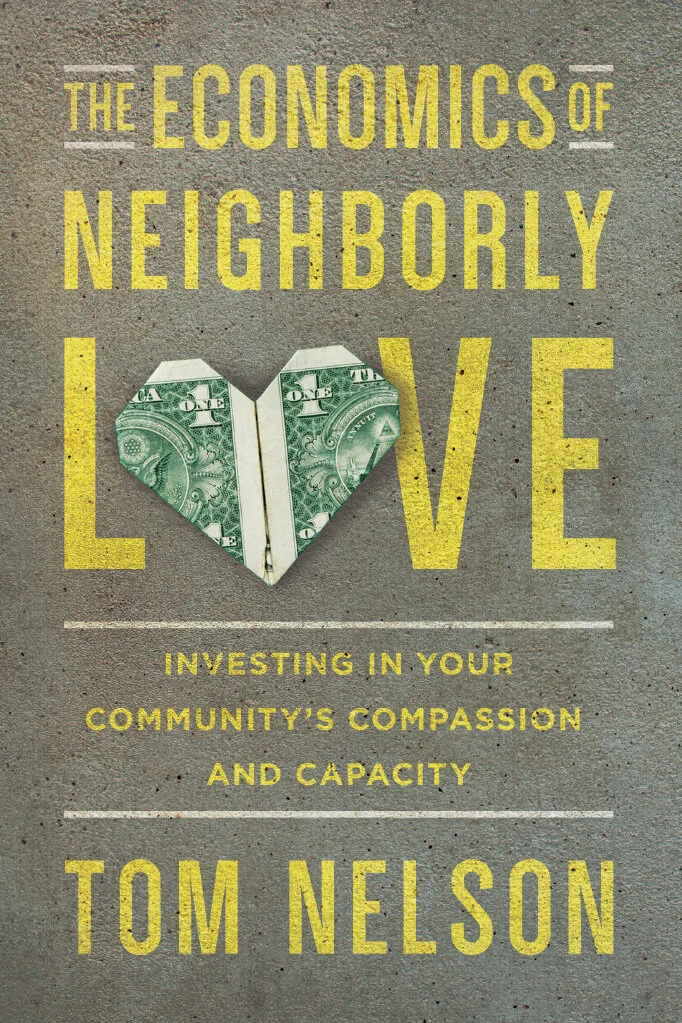
#3 The Economics of Neighborly Love
What does the good news of Jesus mean for economics? Too often, Christian teaching and ministry have focused only on the gospel’s spiritual significance and ignored its physical, real-world ramifications. But loving our neighbor well has direct economic implications, and in our diverse and stratified society we need to grapple with them now more than ever.
In The Economics of Neighborly Love pastor Tom Nelson sets out to address this problem. Marrying biblical study, economic theory, and practical advice, he presents a vision for church ministry that works toward the flourishing of the local community, beginning with its poorest and most marginalized members. Nelson resists oversimplification and pushes us toward more complex and nuanced understandings of wealth and poverty. If we confess the gospel of Jesus, he insists, we must contend anew with its implications for the well-being of our local communities. Together we can grow in both compassion and capacity.
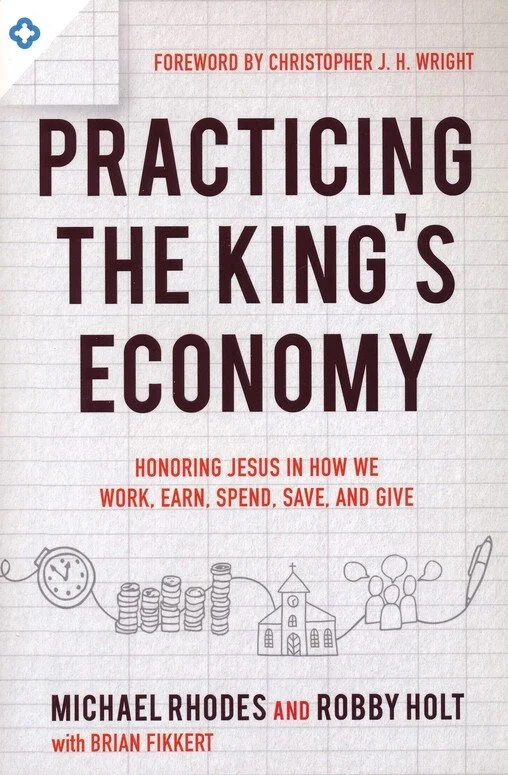
#4 Practicing the King’s Economy
by Michael Rhodes and Robby Holy with Brian Fikkert
The church in the West is rediscovering the fact that God cares deeply for the poor. More and more, churches and individual Christians are looking for ways to practice economic discipleship, but it’s hard to make progress when we are blind to our own entanglement in our culture’s idolatrous economic beliefs and practices.
Practicing the King’s Economy cuts through much confusion and invites Christians to take their place within the biblical story of the “King Jesus Economy.” Through eye-opening true stories of economic discipleship in action, and with a solid exploration of six key biblical themes, the authors offer practical ways for God’s people to earn, invest, spend, compensate, save, share, and give in ways that embody God’s love and provision for the world.
Hear more about this subject in our podcast episode with Brian Fikkert.
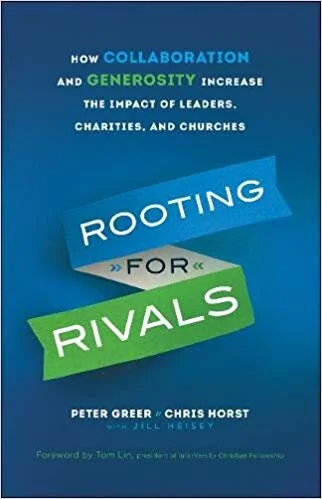
#5 Rooting for Rivals
by Peter Greer and Chris Horst
Faith-based organizations are sometimes known for what we’re against–and all too often that includes being against each other. But amid growing distrust of religious institutions, Christ-centered nonprofits have a unique opportunity to link arms and collectively pursue a calling higher than any one organization’s agenda.
Rooting for Rivals reveals how your ministry can multiply its impact by cooperating, rather than competing. Peter Greer and Chris Horst explore case studies illustrating the power of collaborative ministry. They also vulnerably share their own failures and successes in pursuing a kingdom mind-set. Discover the power of openhanded leadership to make a greater impact on the world.
Hear more on this subject in our podcast episode with Peter Greer.
#6 Faith Driven Investing Curriculum from Denver Institute
by The Denver Institute for Faith and Work and The Christian Investment Forum
Financial advisors struggle to keep up with the latest trends, grow their network of clients, and integrate their faith with their work. Balancing clients goals, a competitive return, and Christian principles of investing often feels like a juggling act.
We understand the weight of wanting to make a positive impact for your clients and the uncertainty of knowing where to start.
“Faith-Based Investing” is a free e-book from Denver Institute for Faith & Work and Christian Investment Forum. Through practical guidance and a philosophical approach to investing, advisors can learn the best practices to both their client’s goals and the common good.
Our good friends at The Denver Institute for Faith and Work and Christian Investment Forum have created this free tool to help steward the conversation around faith driven investing.
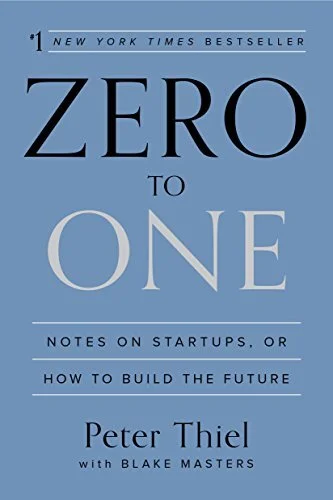
#7 Zero to One
by Peter Thiel
The great secret of our time is that there are still uncharted frontiers to explore and new inventions to create. In Zero to One, legendary entrepreneur and investor Peter Thiel shows how we can find singular ways to create those new things.
Thiel begins with the contrarian premise that we live in an age of technological stagnation, even if we’re too distracted by shiny mobile devices to notice. Information technology has improved rapidly, but there is no reason why progress should be limited to computers or Silicon Valley. Progress can be achieved in any industry or area of business. It comes from the most important skill that every leader must master: learning to think for yourself.
Doing what someone else already knows how to do takes the world from 1 to n, adding more of something familiar. But when you do something new, you go from 0 to 1. The next Bill Gates will not build an operating system. The next Larry Page or Sergey Brin won’t make a search engine. Tomorrow’s champions will not win by competing ruthlessly in today’s marketplace. They will escape competition altogether, because their businesses will be unique.
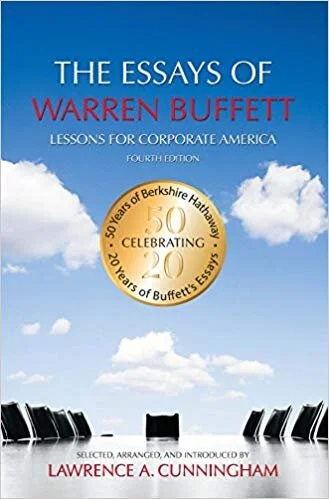
#8 The Essays of Warren Buffett
by Warren Buffett
The definitive book on Warren Buffett’s views on everything from investing to management, this is the classic curated collection of his famous shareholder letters, masterfully arranged according to topic by long-time Buffett expert, Lawrence Cunningham.
As the book Buffett autographs most, its popularity and longevity attest to the widespread appetite for this unique compilation of Mr. Buffett s thoughts that is at once comprehensive, non-repetitive, and digestible. New and experienced readers alike will gain an invaluable informal education by perusing this classic arrangement of Mr. Buffett’s best writings.
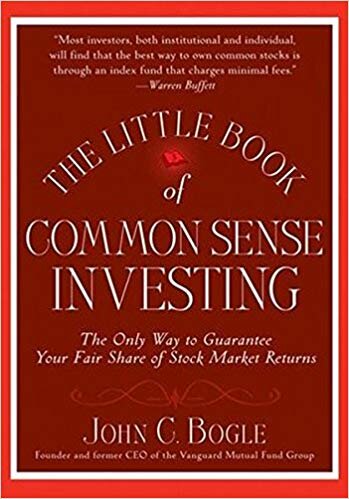
#9 The Little Book of Common Sense Investing
by John Bogle
Investing is all about common sense. Owning a diversified portfolio of stocks and holding it for the long term is a winner’s game. Trying to beat the stock market is theoretically a zero-sum game (for every winner, there must be a loser), but after the substantial costs of investing are deducted, it becomes a loser’s game. Common sense tells us—and history confirms—that the simplest and most efficient investment strategy is to buy and hold all of the nation’s publicly held businesses at very low cost. The classic index fund that owns this market portfolio is the only investment that guarantees you with your fair share of stock market returns.
To learn how to make index investing work for you, there’s no better mentor than legendary mutual fund industry veteran John C. Bogle. Over the course of his long career, Bogle—founder of the Vanguard Group and creator of the world’s first index mutual fund—has relied primarily on index investing to help Vanguard’s clients build substantial wealth. Now, with The Little Book of Common Sense Investing, he wants to help you do the same.
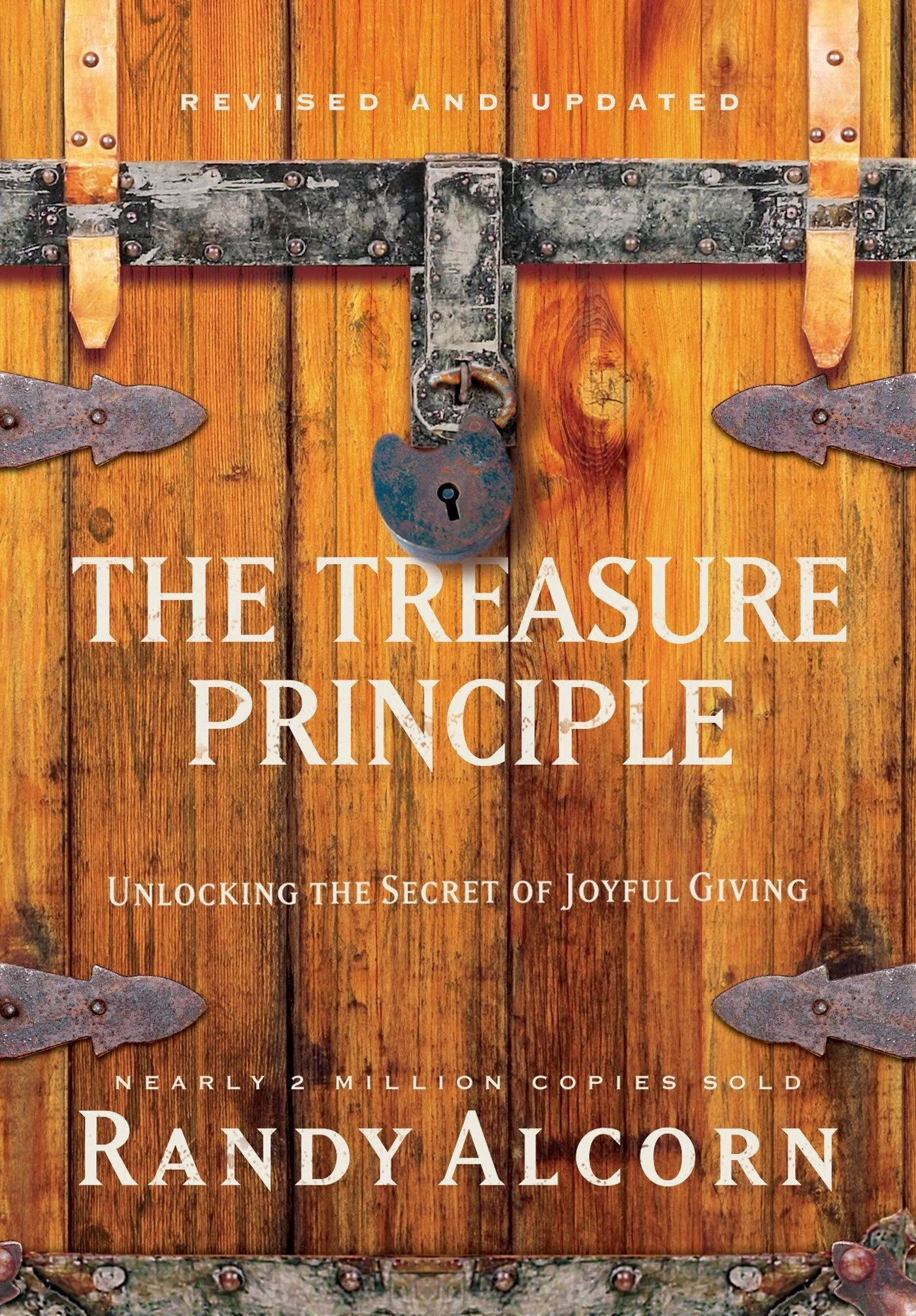
#10 The Treasure Principle
by Randy Alcorn
Jesus spent more time talking about money and possessions than about heaven and hell combined. But too often we’ve overlooked or misunderstood his most profound teaching on this topic, from his words in Matthew 6. Jesus offers us life-changing investment advice. He actually wants us to store up treasures for ourselves—just not here on earth. Instead, he urges us to store our treasure in heaven, where they will await us, and last forever. We can’t take it with us—but we can send it on ahead!
Readers are moved from the realms of thoughtful Bible exposition into the highly personal arena of everyday life. Because when Jesus told His followers to “lay up for yourselves treasures in heaven,” He intended that they discover an astounding secret: how joyful giving brings God maximum glory and His children maximum pleasure. In The Treasure Principle, you’ll unearth a radical teaching of Jesus—a secret wrapped up in giving.
#11 When Helping Hurts
by Steve Corbett and Brian Fikkert
Poverty is much more than simply a lack of material resources, and it takes much more than donations and handouts to solve it. When Helping Hurts shows how some alleviation efforts, failing to consider the complexities of poverty, have actually (and unintentionally) done more harm than good.
But it looks ahead. It encourages us to see the dignity in everyone, to empower the materially poor, and to know that we are all uniquely needy—and that God in the gospel is reconciling all things to himself.
Focusing on both North American and Majority World contexts, When Helping Hurts provides proven strategies for effective poverty alleviation, catalyzing the idea that sustainable change comes not from the outside in, but from the inside out.
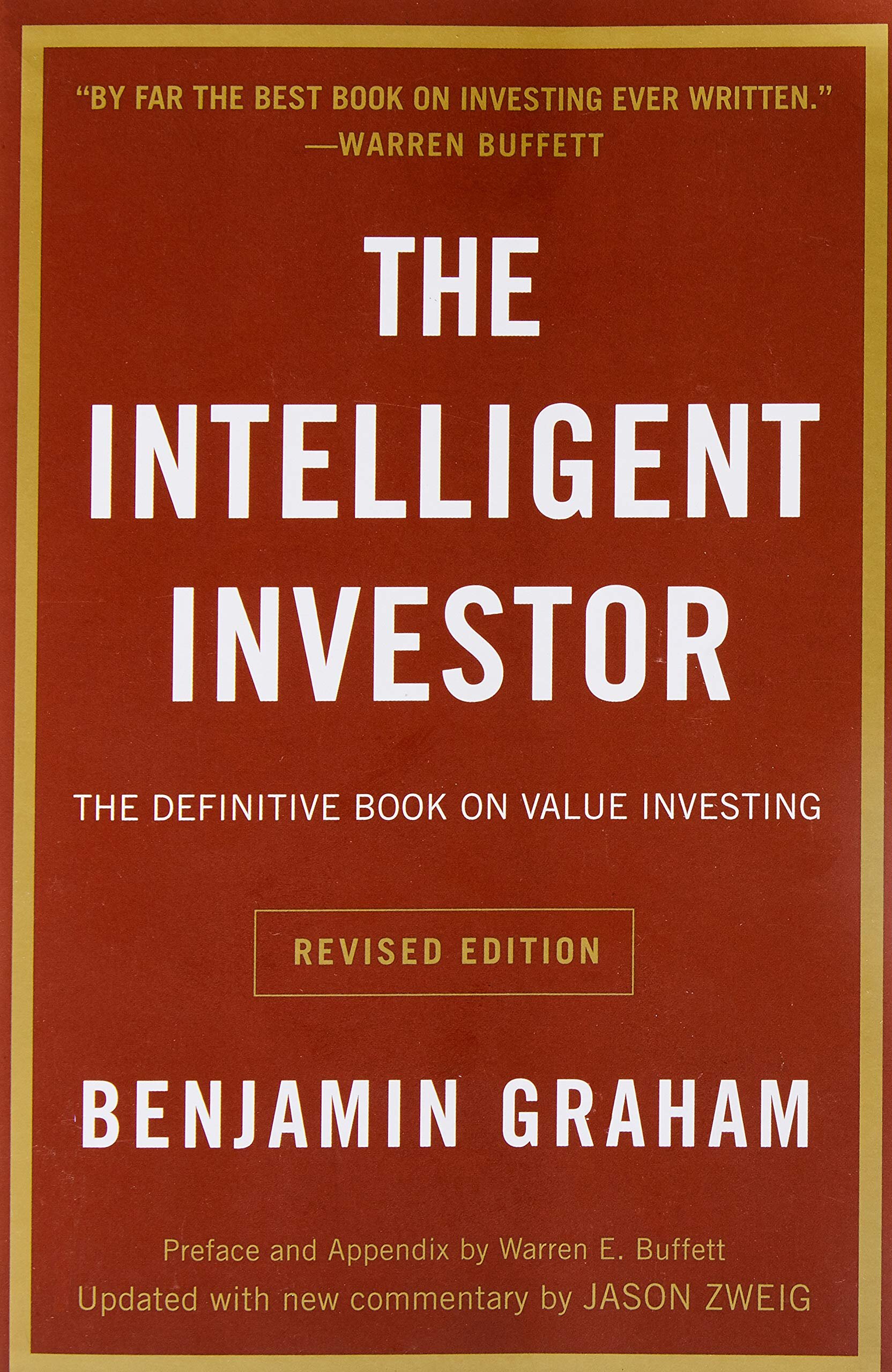
#12 The Intelligent Investor
by Ben Graham
The greatest investment advisor of the twentieth century, Benjamin Graham, taught and inspired people worldwide. Graham’s philosophy of “value investing”—which shields investors from substantial error and teaches them to develop long-term strategies—has made The Intelligent Investor the stock market bible ever since its original publication in 1949.
Over the years, market developments have proven the wisdom of Graham’s strategies. While preserving the integrity of Graham’s original text, this revised edition includes updated commentary by noted financial journalist Jason Zweig, whose perspective incorporates the realities of today’s market, draws parallels between Graham’s examples and today’s financial headlines, and gives readers a more thorough understanding of how to apply Graham’s principles.
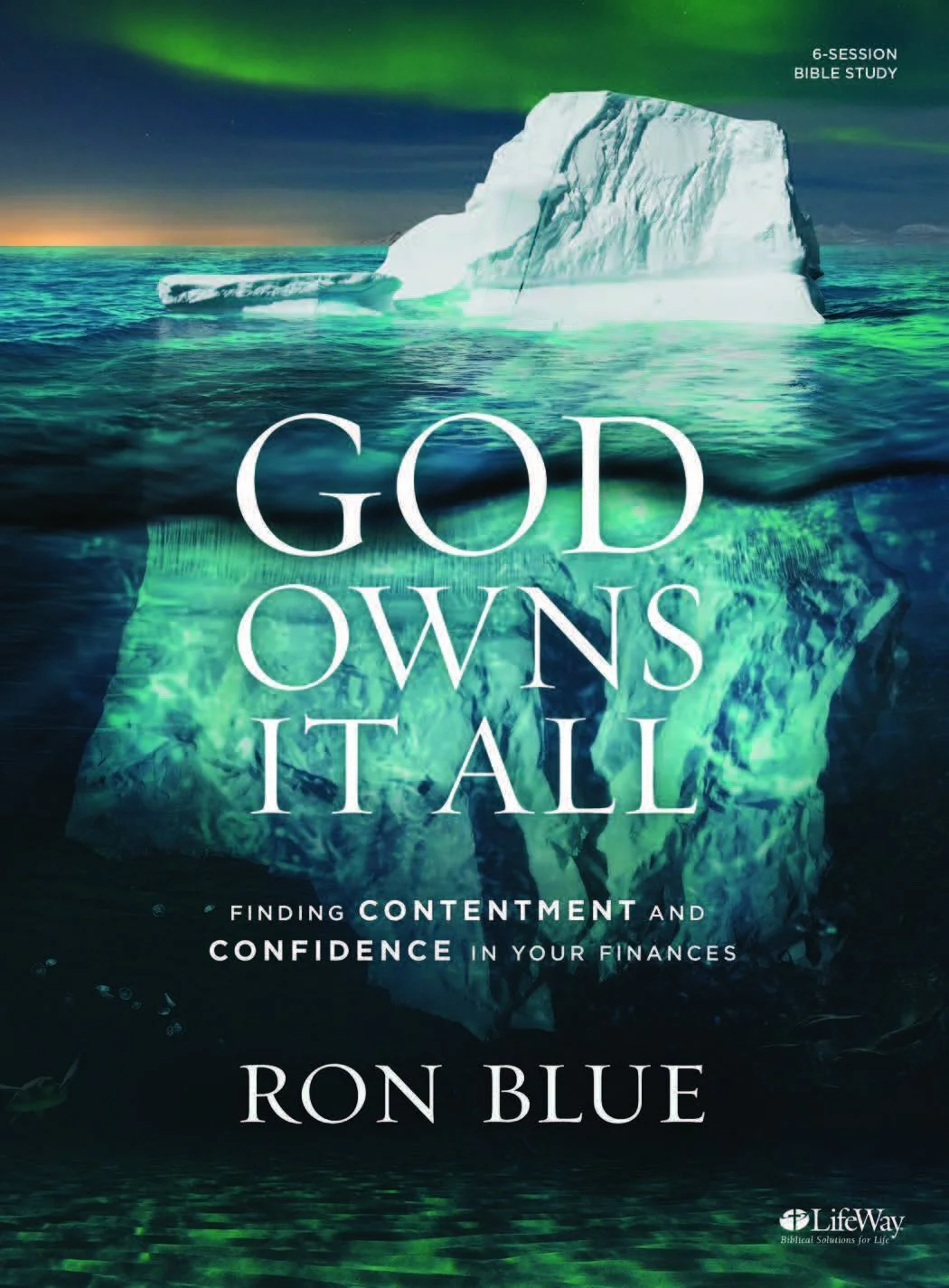
#13 God Owns It All
by Ron Blue
God Owns It All tackles the money question we all ask: How much is enough? The answer to this question is found in God’s Word. With over four decades of experience in the financial-services industry, Ron Blue presents financial principles that are affirmed by the authority of Scripture and tested by the marketplace. He knows that God’s principles work and are needed in our finances.
These biblically based principles will equip us to approach money management and financial planning with freedom, generosity, contentment, and confidence. When we apply the biblical truths offered in this study, our finances will be ordered, our decisions will be simplified, and our experience will invite contentment in all areas of our lives.
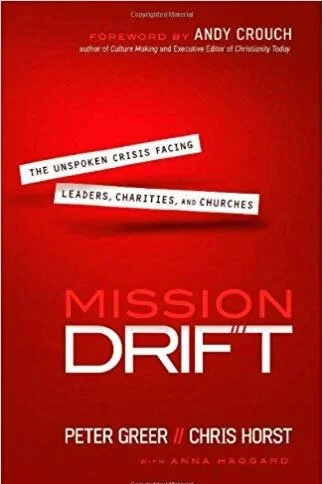
#14 Mission Drift
by Peter Greer and Chris Horst
Slowly, silently, and with little fanfare, organizations routinely drift from their purpose, and many never return to their original intent. Harvard and the YMCA are among those that no longer embrace the Christian principles on which they were founded. But they didn’t drift off course overnight. Drift often happens in small and subtle ways. Left unchecked, it eventually becomes significant.
Why do so many organizations–including churches–wander from their mission, while others remain Mission True? Can drift be prevented? In Mission Drift, HOPE International executives Peter Greer and Chris Horst tackle these questions. They show how to determine whether your organization is in danger of drift, and they share the results of their research into Mission True and Mission Untrue organizations. You’ll discover what you can do to prevent drift or get back on track and how to protect what matters most.
You can hear more from Peter Greer on his podcast episode with Faith Driven Entrepreneur.
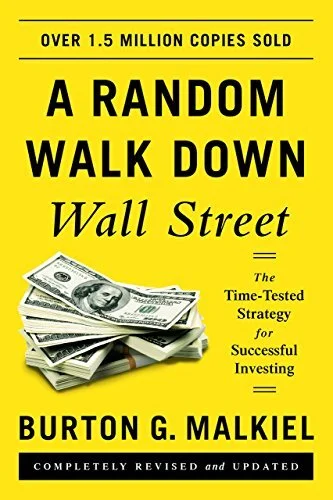
#15 A Random Walk Down Wall Street
by Burton Malkiel
In today’s daunting investment landscape, the need for Burton G. Malkiel’s reassuring, authoritative, and perennially best-selling guide to investing is stronger than ever.
A Random Walk Down Wall Street has long been established as the first book to purchase when starting a portfolio. This new edition features fresh material on exchange-traded funds and investment opportunities in emerging markets; a brand-new chapter on “smart beta” funds, the newest marketing gimmick of the investment management industry; and a new supplement that tackles the increasingly complex world of derivatives.
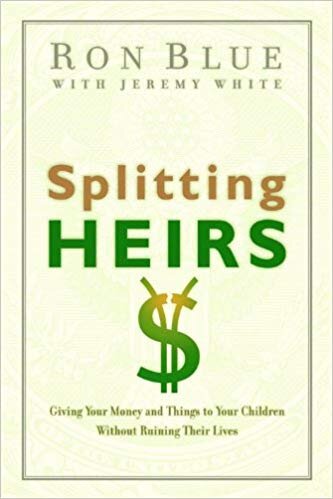
#16 Splitting Heirs
by Ron Blue
The financial wealth you leave behind could be the best thing that ever happened to your loved ones—or the worst.
By approaching these important topics with clarity, conviction, and a little bit of humor, financial advisor Ron Blue explains why it is important to make these decisions now, instead of forcing your heirs to do it later. Even if your nest egg is small, it can have a huge impact on the next generation.
With practical tips, tools, charts, and worksheets, this book will foster a real appreciation for the precious resources that God has entrusted to your care.
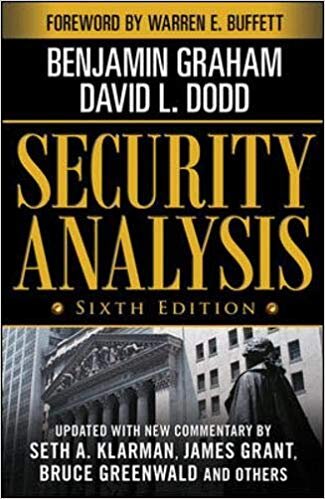
#17 Security Analysis
by Ben Graham
First published in 1934, Security Analysis is one of the most influential financial books ever written. Selling more than one million copies through five editions, it has provided generations of investors with the timeless value investing philosophy and techniques of Benjamin Graham and David L. Dodd.
As relevant today as when they first appeared nearly 75 years ago, the teachings of Benjamin Graham, “the father of value investing,” have withstood the test of time across a wide diversity of market conditions, countries, and asset classes.
This new sixth edition, based on the classic 1940 version, is enhanced with 200 additional pages of commentary from some of today’s leading Wall Street money managers. These masters of value investing explain why the principles and techniques of Graham and Dodd are still highly relevant even in today’s vastly different markets.
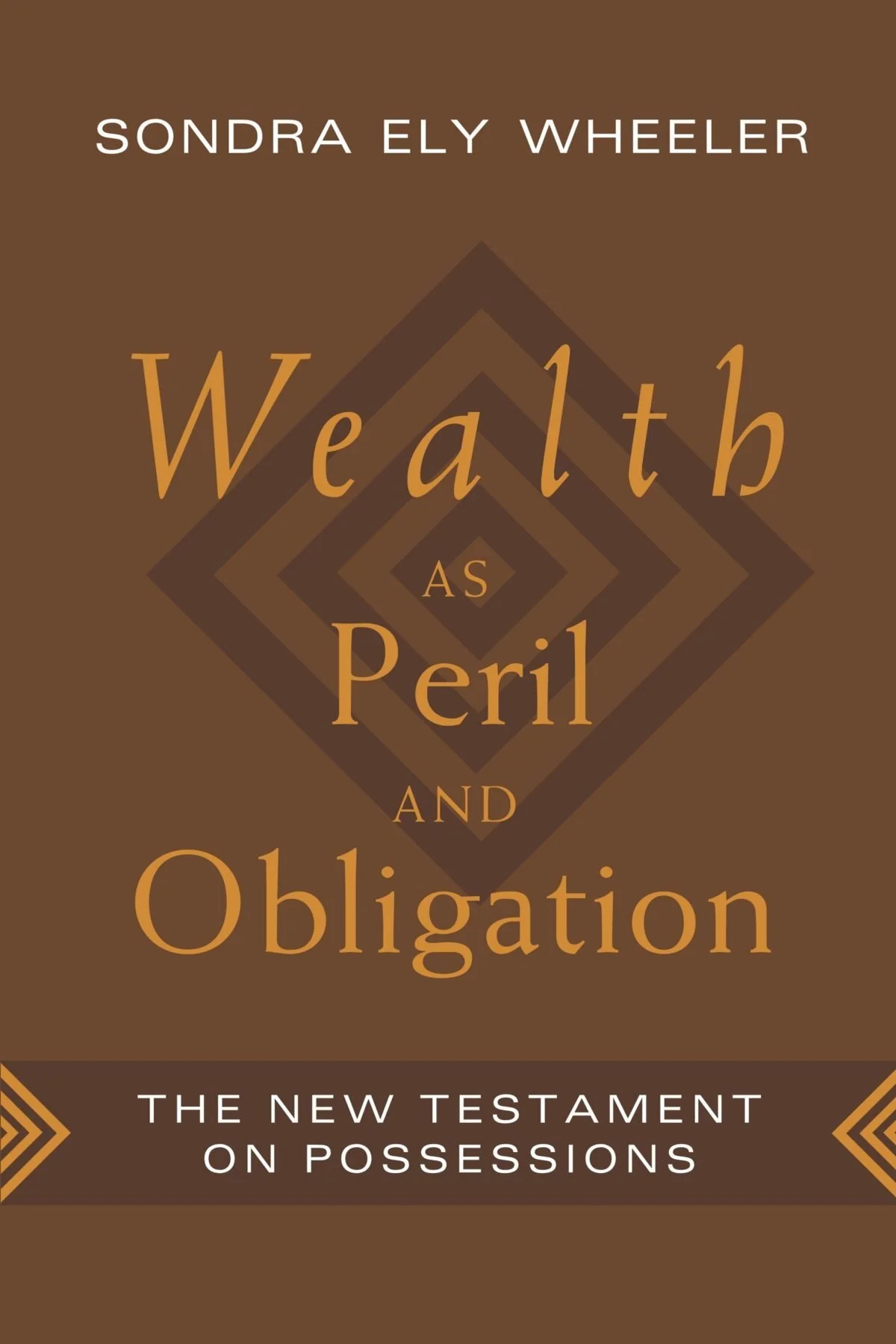
#18 Wealth as Peril and Obligation
by Sondra Wheeler
This timely study of the New Testament helps bring clarity to one of the great ethical dilemmas of the modern church — the moral status of wealth and the ownership of property and possessions in relation to Christian faith.
Sondra Ely Wheeler shows how Scripture can both form and inform contemporary moral discernment regarding wealth. After first developing a sound methodology for interpreting the New Testament’s moral witness on this sticky ethical question, Wheeler gives a responsible exegesis of the key New Testament texts that deal with wealth and possessions. What results is a practical, biblically based statement regarding the ethics of wealth and ownership and a useful set of criteria for sound moral discernment concerning economic life within the contemporary Christian church.
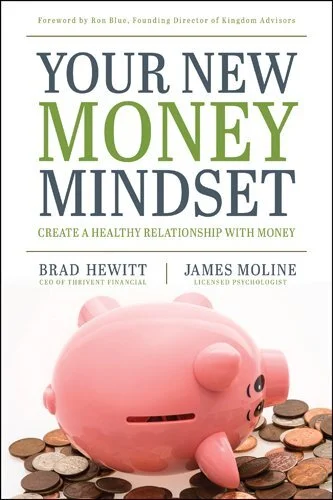
#19 Your New Money Mindset
by Brad Hewitt and James Moline
Your New Money Mindset is a new way of thinking about the role money plays in our lives. Many of us live with ongoing, and often unexamined, tension related to money. Few of us have really escaped the credit-card trap or freed ourselves from worries about having enough for the future.
Co-authors Brad Hewitt, CEO of Thrivent Financial, and James Moline, licensed psychologist, believe we haven’t spent enough time examining our fundamental attitudes toward money and aligning those attitudes to our core values. Before you can remake your money habits, you need to start with your heart. In Your New Money Mindset, Brad and Jim guide you through the Money Mindset Assessment, which will help pinpoint what attitudes about money you could work on in order to develop an openhearted attitude to life. The goal is to cultivate a surplus mindset that allows you to enjoy what you already have and be generous toward others. Discover today how to free yourself from the money trap and create a healthy relationship with money.
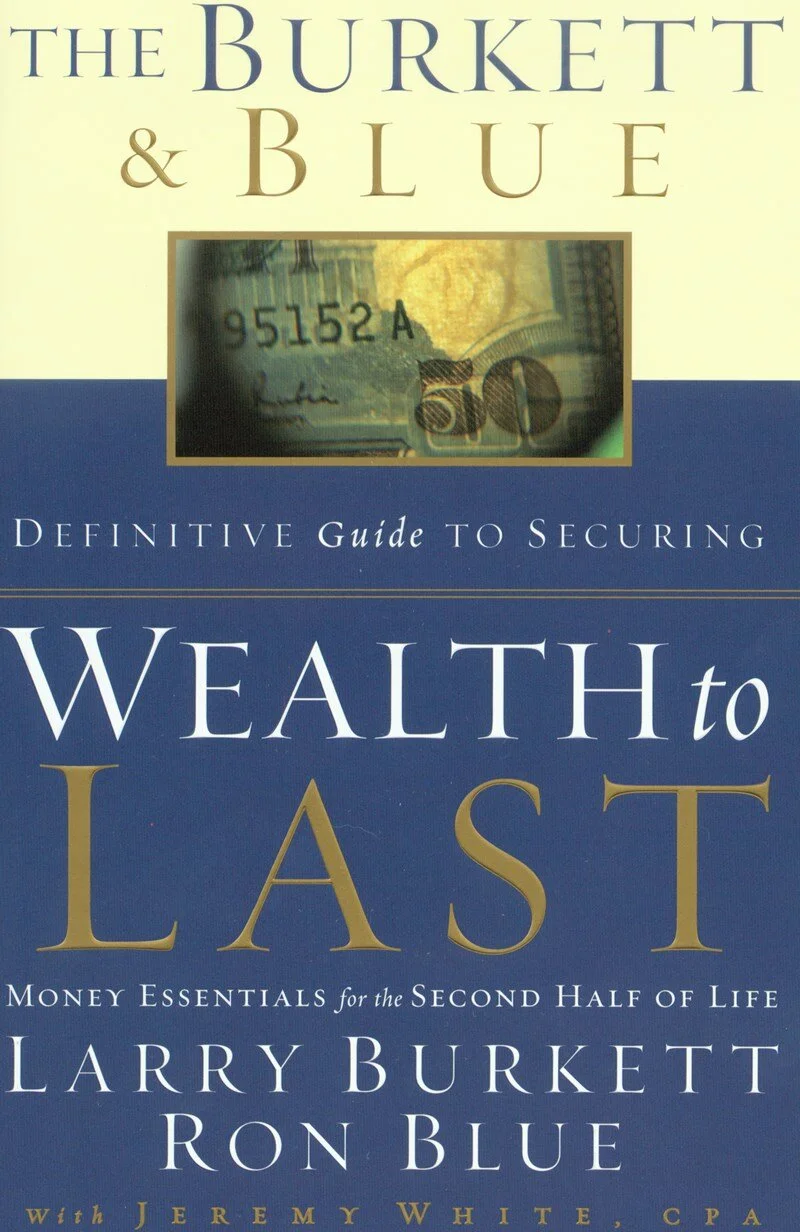
#20 Wealth to Last
by Larry Burkett and Ron Blue
Two of the most trusted names in Christian finance teach readers how to ensure the fiscal well-being of the second half of their lives, showing baby boomers how to build a financial portfolio that will provide for their families while honoring God.
Wealth to Last will equip readers with the knowledge, financial tools, and wisdom needed to ensure their fiscal well-being in the second half of life. In doing so, they will be better positioned to bless those generations that follow them with a legacy of stewardship and resources. Larry Burkett and Ron Blue, the primary trailblazers and leaders in Christian financial teaching, provide definitive direction and empowered confidence in building a financial portfolio that will provide for your family and help you to honor God.
#21 Venture Deals
by Brad Feld
How do venture capital deals come together? This is one of the most frequent questions asked by each generation of new entrepreneurs. Surprisingly, there is little reliable information on the subject. No one understands this better than Brad Feld and Jason Mendelson.
The founders and driving force behind the Foundry Group—a venture capital firm focused on investing in early-stage information technology companies—Brad and Jason have been involved in hundreds of venture capital financings. Their investments range from small startups to large Series A venture financing rounds. The new edition of Venture Deals continues to show fledgling entrepreneurs the inner-workings of the VC process, from the venture capital term sheet and effective negotiating strategies to the initial seed and the later stages of development.
#22 Strong and Weak
by Andy Crouch
Flourishing people are strong and weak. Two common temptations lure us away from abundant living—withdrawing into safety or grasping for power. True flourishing, says Andy Crouch, travels down an unexpected path—being both strong and weak.
We see this unlikely mixture in the best leaders—people who use their authority for the benefit of others, while also showing extraordinary willingness to face and embrace suffering. We see it in Jesus, who wielded tremendous power yet also exposed himself to hunger, ridicule, torture and death. Rather than being opposites, strength and weakness are actually meant to be combined in every human life and community. Only when they come together do we find the flourishing for which we were made.
With the characteristic insight, memorable stories and hopeful realism he is known for, Andy Crouch shows us how to walk this path so that the image of God can shine through us. Not just for our own good, but for the sake of others.
As entrepreneurs and business leaders, how do we avoid abusing our power? This is one of many topics Andy Crouch addressed on his podcast with Faith Driven Entrepreneur.
#23 Neither Poverty nor Riches
by Craig Blomberg
Give me neither poverty nor riches, but give me only my daily bread. (Proverbs 30:8) One of the most difficult questions facing Christians today is that of the proper attitude toward possessions. In wealthy nations such as Britain and the USA, individuals accumulate much and yet are daily exposed to the plight of the poor, whether the homeless on their own city streets or starving children on their TV screens. What action should we take on behalf of the poor? What should we do with our own possessions?
In this New Studies in Biblical Theology volume, Craig Blomberg asks what the Bible has to say about these issues. Avoiding easy answers, he instead seeks a comprehensive biblical theology of possessions. And so he begins with the groundwork laid by the Old Testament and the ideas developed in the intertestamental period, then draws out what the whole New Testament has to say on the subject, and finally offers conclusions and applications relevant to our contemporary world. Neither Poverty Nor Riches is one book that all should read who are concerned with issues of poverty and wealth. Addressing key issues in biblical theology, the works comprising New Studies in Biblical Theology are creative attempts to help Christians better understand their Bibles. The NSBT series is edited by D. A. Carson, aiming to simultaneously instruct and to edify, to interact with current scholarship and to point the way ahead.
Also check out his bookChristians in an Age of Wealth: A Biblical Theology of Stewardship .
#24 Purposeful Living
Edited by Gary Hoag and Tim Macready
Our “Purposeful Living” eBook aims to provide biblically-rooted wisdom for life and living that is creative and Christian, practical without being preachy. The contributors come from all walks of life and many parts of the globe, but each has something unique to say about applying the Bible to money.spot?
Let us know what to add!