
Episode 057 – How to Build a Network of Trust with Ray Barreth and Reuben Coulter

Episode 057 – How to Build a Network of Trust with Ray Barreth and Reuben Coulter

Podcast episode

Episode 057 – How to Build a Network of Trust with Ray Barreth and Reuben Coulter

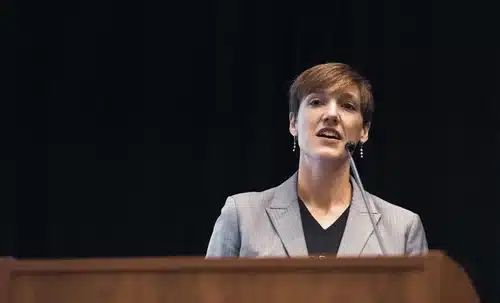
Ray Barreth is a serial entrepreneur and dynamic visionary. He has spent over thirty years creating, directing, and leading new ventures in the U.S. and the U.K. Ray has broad experience in bringing companies from product inception to funding and launch. 

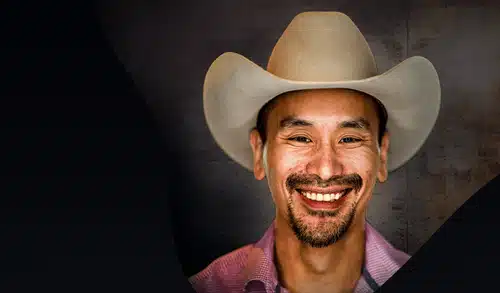
Today, Ray is going to join Reuben Coulter, Director of Ecosystems for Faith Driven Investor, to share a bit about his passion of coaching extraordinary entrepreneurs to create legacies that go far beyond themselves. 

And together, they’re going to walk us through what it means to create networks of trust through the use of light touch due diligence—all the way from New York to Nairobi.

All opinions expressed on this podcast, including the team and guests, are solely their opinions. Host and guests may maintain positions in the companies and securities discussed. This podcast is for informational purposes only and should not be relied upon as specific investment advice for any individual or organization.

Episode Transcript

Transcription is done by an AI software. While technology is an incredible tool to automate this process, there will be misspellings and typos that might accompany it. Please keep that in mind as you work through it.

Ray Barreth: Western investors need to bring the savvy that God has given them through gift and experience to the table. We need to understand culture. I did not understand African culture at that time. I much more fully understand it now. And I think Western investors sometimes approach founders from these frontier and emerging markets, not understanding the complexities of their culture, not understanding the family dynamic. The Swahili word Lubutu means I am because we are. And whenever you make an investment into a company, you aren’t just making an investment into a company. You are making an investment into an extended family.

Henry Kaester: So welcome back to the Faith Driven Investor podcast is the special edition. Any time you get to talk with great, great friends and coworkers and you get to talk about something that you’ve been working on, it’s pretty cool. And so today with us, we’ve got Reuben Coulter all the way from Bristol, England. Reuben, good morning. Good evening.

Reuben Coulter: Yeah, it’s late in the evening. Great to be with you.

Henry Kaester: I bet it is. I mean, if it’s mid-morning here on the Pacific, so it’s going to be well on you. And thank you for staying up. And now we’ve got Ray Beareth all the way from Kansas City, Missouri. Probably one of the last interviews we’ll do with you, Ray, before you head over to Africa. But you’re still in Kansas City, correct?

Ray Barreth: I most certainly am. And it’s great to be with you this afternoon, Henry.

Henry Kaester: So one of the things we’ve gotten a sense for during covid is this the backdrops that everybody has. And for a long time, Rubin didn’t have much of a backdrop is amended that and get some really nice paintings behind him now. But the most epic, non virtual backdrop has always been Ray Barreth’s where he’s got this ultimate just beautiful library behind him of all of these books. And it’s just really, really cool. It’s the best one out there. You probably have the best Christian book collection, although I was on a podcast recently with Tim Keller and his backdrop was also really, really impressive. But I think that you may even have more titles as I look behind you, more titles with Jesus in the name of the book than anybody else’s book collection I’ve ever seen. Don’t you have any books on, like sports or something else?

Ray Barreth: No, but I have a lot of books on startups and I have a lot of books on sailing. OK, so yeah, that’s kind of my stuff. I love sailing. Being a sailor for 40 years

Henry Kaester: in Kansas City, Missouri is going to be a difficult place to be a sailor.

Ray Barreth: It is, but I lived in the UK for almost 16, 17 years and sailed around Britain three or four times, then a couple across the Atlantic and the Mediterranean. Reuben, Did you know that?

Reuben Coulter: I did. I did. I have to say, I’d love to go sailing with Ray, but I’m a fair weather sailor, so take me to the Mediterranean and sunshine.

Henry Kaester: Yeah, I didn’t know that. I’m embarrassed of that. No, no, that’s extreme. I knew the Ray Barreth was really, really cool. I didn’t know you sailed transatlantic.

Ray Barreth: Yes. Yes. And in my little catamaran. Yeah, we’ve done it a couple of times.

Henry Kaester: A couple of times I said, what are you doing for summer break? Wow, that’s pretty awesome. OK, so I’m going to set up the topic that we’re going to talk about today. But then I do want to circle back to who each of you are, and I want to let our listeners know some of your background and why you’re on the team and the roles that you play. But this is an episode that you found yourselves on in which we try to answer some of the questions. Like I’ve heard, that investing in Africa is important, but I have no idea how to go about doing it. It’s got to be insurmountable to think about discovery and diligence and ongoing management of an investment portfolio there. Erm I just better off just investing in an international index fund. Isn’t there some other way for me to be able to gain international exposure or should I just be giving money to clean water missions overseas and is that just really the best way for me to impact Africa? And of course because you’re on this podcast, you’ll understand that we think that it is very feasible, although it can be daunting, but it’s very important for Christ-followers to store their investment assets in a way that participates in the work that God is doing the world. And I would submit that of all the continents, that God is absolutely at work in Africa if for no other reason, for the fact that he has seen to it that there’s a very young population where there can be more people entering into the workplace over the course of the next 20 years than the populations of India and China are actually all of those that are coming into the job market in China. It’s a huge opportunity in Africa. How do you make sense of it as a Faith Driven Investor? During our time together today with Ray and Reuben, we’re going to wade into that and see if indeed it is feasible. Ray and Reuben, thanks for being with us on the program. Reuben, who are you and where do you come from and what’s the role that you have on the team?

Reuben Coulter: Yes, so as you might be able to tell from my accent, I’m from Ireland originally. My wife is Polish, our first child was born in Switzerland and our second child in Kenya. So we’re a real international family. My background is I’m a public health specialist by training, spent the first part of my career in Africa in refugee camps, building public health programs, but over time became, I guess, frustrated by the limitations of aid and development in addressing the big problems of health care, education, poverty on the continent, and became increasingly interested in the role the private sector has to play. And how does business creates a difference in these communities. But that’s taken me on a journey to the World Economic Forum in Switzerland, where I ran their Africa portfolio and to most recently living and working in Kenya, supporting entrepreneurs and helping them grow and scale their businesses. And now I find myself at Faith Driven Investor, and I have the joy, the privilege to work with our partners all around the world and really understand how do we build out the entrepreneurial ecosystem, what does it take to nurture, to support, to build the capacity of entrepreneurs so that they succeed and we’re allocating our energy, our resources, our capital to make sure that that happens.

Ray Barreth: Thank you. Thank you. Do the same, please. So you work in a part time capacity, but a very important one as a key part of our overall strategic team and then with a particular emphasis on Africa. But you do some other things, too. So bring us up to speed about what God has done in your life.

Ray Barreth: Thanks, Henry, for that. I think my story is a little like me. It’s getting somewhat longer in the tooth and my story is more about God and his faithfulness and his long suffering towards a young boy of nine years of age whom he introduced himself to in the spring of nineteen sixty three. And that started me on a unique life trajectory developed within me, my worldview and the Lord’s journey with me. We’ve had some awesome adventures together. I was privileged to be able to start a few small businesses, very, very much traditional brick and mortar companies. I had a chain of three automobile dealerships, a small chain of twenty two convenience stores. We did about 80 million a year in revenue. That was in the early eighties. In the spring of nineteen eighty five. I really felt the Lord tell me to sell my businesses and move to the UK where I had strong relationships with a church planting group and I had planted a church here in the States as I was building up my businesses. And so I did that and sold the whole kit and caboodle up, packed up my family. And we moved to the UK in May of nineteen eighty five and we had committed to go for two years. We ended up spending 16 years there and we launched eight or nine churches. We led a Christian publishing house. I launched a Christian film studio called Delts Television. And then I had an opportunity to get into the dairy business for my own company. And we grew that to the fifth largest dairy company in the UK that was based in Cardiff in South Wales. And that’s when I was really introduced to sub-Saharan Africa during that eighty five year, nineteen eighty five to the year two thousand. And it was exciting stuff. I had the privilege of working with several pastors. We launched vocational training centers. We built community health clinics, we dug wells, we built schools. We train pastors and leaders. And of course, I lost my shirt and terrible investments that I made in sub-Saharan Africa, where so-called Christian businesses led by so-called Christian entrepreneurs. And that was a life changing experience. I learned a lot as to how not to do impact investing, and that’s when I learned how to sail and competed in cross country Hunter trials with my trusty steed named Matt Dillon, who I named from the marshal at Gunsmoke. That puts an age on me right there. Most of your listeners won’t even know what Gunsmoke is and

Henry Kaester: we know what Matt Dillon is here. I think you need the horse after the actor, but knows the character.

Ray Barreth: And Gunsmoke is a character in Gunsmoke, Matt, that Matt Dillon came around twenty five years later. But yeah, Matt Dillon from Gunsmoke. And then I came back to the States, launched a very small nowhere middle market M&A firm. Our sweet spot was around fifteen to twenty five million that was based out of Miami and I learned a lot in that business. Henry, we were sector agnostic and we represented both buy and sell side. So I got to work with a lot of different VC firms and reach out of Europe. And I just got a huge cross industry experience. And so you fast forward to the day. I feel like everything that I’ve done in my life, God has prepared me for what I’m doing now. I work at. This outfit called Igor Enterprises, we have an accelerator program of faith driven accelerator program called Venture Village, and we work as capacity builders and disciples of entrepreneurs in Zambia, Nigeria, Kenya. And we help them to build out their business models and to learn how to be the hands, feet and voice of Jesus through their business. And of course, what are the greatest opportunities that I have is to represent the FDI/FDE movement in being your guy’s eyes and ears on the ground in Nairobi. And Lord willing, we’ll be moving there in Nairobi. So life is exciting.

Henry Kaester: So that’s super encouraging. There’s so many different places that we could go. I love this. On the next episode, we’ll talk about the British Kids TV channel. That’s also fascinating. But you mentioned something along the way there that I think is really important. And I think that we need to acknowledge that there are real headwinds for investors as they start to think about investing in Africa. Most people understand that there’s great opportunity. Most people also understand that there have been some real challenges with foreign aid. Question is, can you invest in Africa? Can you do it well? Can you do it in a God-honoring way? Can you trust people on the ground and you hit head on some of the challenges that people see. People have heard of people losing money in Africa, and you have done that. And you’ve done that not only with entrepreneurs, but you’ve done that with entrepreneurs who purported to be driven by their faith. So share with us a bit about that and some of your lessons learned. And then together with Reuben, I want to get into some of the initiatives that you guys have put into place with the playbook to address some of those things. But first, let’s air out some of the dirty laundry. What has it look like as you’ve learned some lessons along the way?

Ray Barreth: Well, you’re absolutely right, I did lose money in my investments in Africa with Christian entrepreneurs, I did that and I did it very well.

Henry Kaester: I mean, you lost a lot of money.

Ray Barreth: Well, I mean, you know, if you’re going to lose money, you know, lose it. And at the end of the day, I did. And I made some incredible errors. And I think I was fairly young at the time and far too trusting and believing what people said. And that was a big mistake. So I think there were many mistakes that I made. One was not journeying with the entrepreneurs enough, not getting to know them, not following up with their community to really understand what community they are walking with, who is journeying with them, who is their pastor, what church do they go to? What community groups are they involved then? How do they serve in their community? So I did not do a very good job at that. And of course, you know, looking at trying to understand their business model, I did not pursue that sufficiently. I think I was so excited about the idea of investing and having this fairytale image of helping these entrepreneurs. I was too quick to move. And the money that I lost over these few deals wasn’t huge amounts. It probably amounted to, I don’t know, 80 to one hundred thousand dollars. It probably stung my pride more than anything. And it clearly showed how incredibly incompetent I was at this. And it caused me to stop and say, oh, look, I have to back up and look at this through an entirely different lens. I would not have made these mistakes in the West. What prompted me to do that here? And I think a lot of that was my desire to just bless people and to disregard some of the red flags. When you do not want to do that, a red flag is a red flag, whether it’s in the United States or whether it’s in sub-Saharan Africa. And you need to recognize that. And so I think Western investors need to bring the savvy that God has given them through gift and experience to the table. We need to understand culture. I did not understand African culture at that time. I much more fully understand it now. And I think Western investors sometimes approach founders from these frontier and emerging markets, not understanding the complexities of their culture, not understanding the family dynamic. The Swahili word Ubuntu means I am because we are. And whenever you make an investment into a company, you aren’t just making an investment into a company. You are making an investment into an extended family. And so there is no private money. It’s all family money. And if one family member needs an operation, well, you as the leading member, as the head of the clan, you need to reach out and help pay for that or maybe some other relative needs, school fees paid or university fees paid. You know, there are all these things. So an African investor receives a fifty thousand dollar investment from the West. Twenty twenty five thousand dollars go out the door to family money. They don’t consider that corruption. That’s their life. What do you mean? This is community money. We are a family, Ubuntu, and we move as one. So to understand that culture and to learn how to address that, those are the things I just did not understand.

Henry Kaester: So you talked about this time from nineteen eighty five to two thousand where you were running some business in the UK. You start investing in Africa, you’re starting to learn some of these lessons and you went in and in the midst of this you said there’s got to be a better way. I’m not going to abandon my love and my desire to be a blessing to people in Africa, but I clearly got to do a better. Yes. What was your first step toward that? Doing it differently than you had been?

Ray Barreth: Right. My very first step was to seek God and to seek out the community as to who I could partner with. I think I was displaying a bit of arrogance to think that I could go into these markets and do this on my own. I mean, that was just stupidity on my part. Once I found a good partner, a local partner, I’m talking about a solid Christian brother or sister, an organization that I could depend on and that would walk with me on the journey that really, really was helpful. And for me, my relationship with the navigators in Africa, particularly in Kenya, really proved beneficial to this day. They are one of the primary recruiters for our venture village accelerator. And I’ll tell you this, when you partner with a strong local partner, the founders you get may not. Super great guys, when it comes to business modeling or the business opportunity they’re bringing to the table, but they are men and women of true faith and true integrity. They will sell their right arm before they default on your loan. And they are men and women who love God, who love you and embrace you. And that totally changes the experience. So I would encourage any investor from the West. If you want to be a part of generosity in these frontier and emerging markets, you know, let us or let someone help you find a good partner in these markets. That’s essential.

Henry Kaester: I think what you’re getting at here and I’d love for Reuben to comment on this as well, is this kind of social community dynamic that lends to good, healthy business. If you’re on the outside of the community dynamic, as you just talked about, there are different types of ethics and a cultural emphasis then would find in America generally, if we’re in Western Europe and America and somebody goes ahead and signs and affirms that they’re going to do one thing or another with the money you give them, generally they do that in the emerging market. That doesn’t happen as much. And we might be appalled at the fact that they don’t honor their word, and yet it’s completely consistent with their culture. And yet the culture that has an emphasis on community can also be a really great positive dynamic as well. And I think that we’re seeing some of that and have seen some of that with microfinance. Right. So Muhammad Yunus and the people that have followed afterwards have understood that the concept of social collateral and social standing within the local community is a very powerful force. And so rather than having this kind of external, we’re coming in with an investment dollars from the West and we’re coming into the frontier markets on our own, thinking that that dynamic will work like it might be for an investor from New York investing in California. What we’re doing is you’re suggesting that you go into the community, find a community partner that has been there long enough to be in to the local community as well and then partnering with them. So what I mean by that, well, it’s microfinance is famous for providing loans to the poor, right, Reuben? So one of the things that seems to characterize lending to the poor is high repayment rates, and yet you’d expect them to be very low. So explain to us a little bit more about what does this community investment in this social collateral concept look like in emerging markets?

Reuben Coulter: Yes, you gave a great example. Microfinance repayment rates are phenomenal, typically. Ninety five percent repayment rates. And the reason is that the loan is not made to the individual. The loan is made to the group, and therefore the group is responsible. Their social reputation is at risk if the loan defaults at a larger scale. There’s a really interesting example, which is the Indian community in Africa. And so Indians moved over here during the period of colonialism, building the railways. But they’ve become some of the most dynamic entrepreneurs on the continent. And the reason is their close family ties. It allows them to borrow money from relatives in India to trades exports and imports back and forth, all based on relationships of trust, and that allows them to grow. Their businesses are incredibly dynamic pace. And if someone breaches that trust, well, they’re excluded from the community. And I think the question is, how do we create that as Christians, as Christian investors and Christian entrepreneurs? How do we develop those networks of trust?

Henry Kaester: So in your instance specifically, Ray, you started working with the navigator’s because you had seen where they had had a long standing relationship in some of these major cities in east and southern Africa, is that right?

Ray Barreth: Yes. And the navigators are all locally run. So these are African navigators. And they really helped me in understanding the cultural buying in. And they also provided me with kudos within the community as standing within the community that I did not have on my own. It was a great relationship.

Henry Kaester: You guys, together with Russell Bjorkman, who also is here at Faith Driven Investor, have written a playbook for investors who want to engage in frontier and emerging markets. Give us a brief overview. Maybe we’ll start with you, Reuben. Tell us a bit about what it’s about and how is it different from regular investing and due diligence?

Reuben Coulter: Yes. So a regular investment process and the due diligence that goes with it is typically lengthy and can be expensive. And if you’re making investments of 50 to 100 thousands in a frontier emerging markets, you don’t want to spend five or ten thousands on due diligence fees. So our question is, how do we reduce those costs? How do we make this an efficient process which is tailored for the local markets, where some things which we would expect to find in the US or in Europe may not exist? And how do we create a common language? So both the entrepreneur. Or the investor understands if the business is investment ready, what stage the business is that so we’ve built out this playbook, which essentially has four steps to us. Step one is engaging the entrepreneur. So how do you do that assessment of the entrepreneur’s chemistry, their character, their competence and, of course, the culture? Step two is how do you assess if the business is actually investments ready, if this business is able to take on the capital, absorbents and grow at the rate that you expect. Step three is essentially a light touch due diligence process. Looking at the legal, looking at the financials, looking at that social collateral we talked about. And step four is kind of saying, actually, once the investment happens, you need to build in post investment, capacity building and monitoring and supports if you really want to see this business succeed and flourish. So we’ve created a playbook which walks you through this and a toolkit which goes along with us, which allows you to do this in an easy and efficient manner. So we see this is something that investors can use for themselves, or indeed they can partner with a local partner and accelerator, an incubator, an advisory firm, to go through this process with them to help them on the journey.

Henry Kaester: OK, so you’re getting an important point here. And for those of us who are used to doing diligence in the states and used to working with companies that might even have data rooms. So things are just completely set for us. We’re used to spending five or ten or 15 thousand dollars and doing a quality of earnings and doing rigorous diligence. And one would think that, gosh, you need to step it up and do it even more. Exhaustive diligence if you’re going to place money in Africa. But to your point, some of these companies that are really leaders in their communities are only looking for twenty five or fifty grand. So nobody is going to be sending 10 or 15 thousand dollars to put twenty five or 50 grand to work. And yet because you work with Faith Driven Investor, of course you believe that that’s something we need to be looking at. So that only works when you are able to be much more efficient with your diligence spent. What are the pieces that make that happen? How does that happen? How can you do, say, 80 percent of the diligence with only 20 percent of the spend? What are the things that allowed for that to happen in a place like Africa that are different than the United States? Because most people say, I’m doing the math, that’s impossible. But yet you’ve come up with some thoughts on that with working with local partners. Tell us more about it.

Reuben Coulter: Well, I think firstly, if you’re able to find local investors who have skin in the game, that’s a huge value because they understand the context, the markets, they can do the social diligence far better than you ever can. And of course, they’re able to help on that post investment follow up. One of the myths is that local capital isn’t available. That’s not true. There are local investors who are making investments, equity and debt in the local markets and being able to find those partner with them and work alongside them is incredibly powerful. I think the second thing that we found is there’s some really talented consulting professionals with some of the top big four firms. So EY, KPMG, etc., and many of whom are believers and really want to see the investments in their ecosystem succeed. And so they’re willing to use their talents and expertize at a reduced cost to see investment flow into these businesses. And putting together this playbook hopefully gives them a very simple way to apply the tools that we’ve developed and do that diligence for under a thousand dollars

Henry Kaester: Ray, you spend a lot of time on the ground. And it was largely your leadership and vision, together with some very capable systems from Russell and Reuben of course, that kind of led us here. Help us to understand some of the work that you did over the spring and summer amidst the covid situation we found ourselves in that helped lead you to birthing this. And maybe you could just walk us through an example, maybe core, maybe somebody else. Why don’t you walk us through how something like this actually came to bear and how it actually works.

Ray Barreth: Yes. Well, I’d be happy to, Henry. As you’re aware, covid hit us very hard and hit our frontier and emerging markets very hard. Our founders, we had some wonderful businesses who were flourishing. You mentioned Educare, wonderful faith driven educator in Kenya who operates multiple schools and had just taken on some investment money from one of our funding partners. And she was hit very dramatically because suddenly her school was shut down and she had no revenue. And of course, there was no government support. So we championed her and thought that along with her and there were four or five other companies that were really suffering that were in a similar boat as she was, and that how could we help to raise covid relief money to just help her get through this interim period? And of course, due diligence has always been a challenge. And I remember when Educare went through their main due diligence, it took a long, long time, well over a year. And it was very costly. And it was frustrating not only to our founder, Priska Milty, but also to the investor. And I thought we must simplify this. And so we gathered together and we thought, how can we come up with a due diligence process that does henot carry a fiduciary guarantee. It does not have any type of assurance guarantee, but it is sufficiently robust to give real comfort to the investor. And it is at a price point that will be attractive to an investor that it provides sufficient independent. And I think that’s the crucial element. It’s an independent review and it is sufficiently done, sufficiently robust to make these small loans more attractive to investors. So we looked at that. We developed a system. We have a due diligence discovery list that’s quite comprehensive. We have an independent review by either a former partner or former director of KPMG or Deloitte. And these are wonderful Christian guys and they have agreed to go on for an insight, independent review. They actually do a three sixty among the executive team. They interview the employees, they call up their customers. They actually do a physical spot check and a review of the financials, and they put that into a report form. And so it is not a complete comprehensive due diligence process, but it is very good. And for the amount of money, we think it’s absolutely excellent. And we invite investors to come and peruse our work and to take a look at what we do. So the whole playbook consists of an assessment on the entrepreneur and his business, and it clearly states where we see him on the investment ready grid

Henry Kaester: Or her of course, so

Ray Barreth: Absolutely.

Henry Kaester: Most of them are female led.

Ray Barreth: 40 percent of our founders are women. Yes.

Henry Kaester: And also you mentioned some interrupted you twice in thirty seconds. But you talk about independent. And I think that that’s something that’s really important, one of the things and that’s where some of these professionals come in from KPMG and others, there are some really wonderful partners on the ground in frontier markets that have loved on these entrepreneurs and have really just done a great job with spiritual formation and discipleship, providing some of the basics on customer acquisition and retention and intellectual property and distribution channels, et cetera. They are not always the best people, though, to do independent diligence because they have been a cheerleader for the business. They’ve been an encourager and sometimes aren’t able to have the same type of a skeptical eye that maybe you need when you’re doing discovery and diligence. So these are people that are coming on board who are given a playbook but don’t have any type of institutional allegiance to the partner organization in the field that has nurtured the company up until that point. Is that correct?

Ray Barreth: Yes, that’s exactly correct. They are completely independent assessors in most cases. They have never met the founder and they have never been introduced to the business.

Henry Kaester: Good. OK, Reuben, I want to come back to you. I want to talk about some of the observations that you’ve seen over the course of the last four or five months about developments in emerging markets and your hopes, your fears. Somebody is listening to this and they’re saying, OK, so I’m thinking I’m getting it. They’re making the case for making investments in frontier markets. You can make a lot of mistakes if you don’t do it in local partnership with people that are on the ground that already have this social standing. And who can lend you that social standing. I can see that there’s independent discovery and diligence. There’s this light touch diligence, this light touch playbook, if you will. But what are we missing here? And what I’m getting at here is a little bit of a leading question is that I want you to have kind of a multifaceted answer for a Christ-follower who’s compelled to invest in emerging markets, who might look in one hand on individual deals. But are there professionals that can help them do this, too?

Reuben Coulter: Yes. So I would say it’s a really exciting time in emerging and frontier markets. There is lots of entrepreneurial energy, lots of new ventures springing up all the time. To separate the wheat from the weeds is the biggest challenge that any investor faces. And when you are thousands of miles away from a completely different cultural backgrounds, that is going to be incredibly difficult. And the good news is there are great partners on the ground. We have a network of over 30 incubators, accelerators and advisory firms in almost every corner of the world. And they’ve been operating they’re working to support and build the capacity of entrepreneurs. So I would say the starting point is find that local guides who can help you navigate the culture. I think secondly is see if they can help you access the local investor network in that community and build those relationships with others who can co-invest alongside you because they’ll be able to act as your eyes and ears on the ground. And I think, thirdly, there are people who are very experienced in helping build and scale these businesses and don’t just take a passive investment approach, but see if you can actively bring in the additional talent that needs to disciple, to mentor and to scale these businesses. And so if you’re able to bring more than capital to the table, you’re providing huge added value and ultimately creating impacts in those communities through jobs, through spiritual transformation, through social impact.

Henry Kaester: And I’d also add to that, of course, that there are an increasing number of professional fund managers that have active spiritual integration, what they do with really neat track records. And over the last three or four months, I think we’ve collectively been really encouraged by the funds that are out there. And when I look at the extent of the professional management and these are funds like Talanton, and when I think about emerging markets, I think about IBEX people that have been in the developing world for many decades, really working with the local community and then allocating the investment capital where they see real opportunities. Recently, really, within the last six months or so, we’ve seen an emergence of African fund managers, including folks that are coming out of Bridgewater Capital. Richard, Okello and Sango Capital out of Johannesburg, serious about his faith with a great investment track record. And future Africa and Sod and Tree of Life and others out of Africa. And so there’s an increased number in the industry that I would say is really starting to flourish of professional managers who have great track records, great inroads into the local community and are really serious about their faith. What does it look like to love on their CEOs in their portfolio in a way that points to God, helps them to have their identity rooted in Christ, and then this alternate imagination about how. They might lead their businesses, create products and services that really help society flourish in a way that points to God. One of the things we do at the end of every one of these podcasts, of course, is to ask our guests what they’re hearing from God in his word. And so, of course, I want to make sure that we do the same with each of you, Ray and Reuben and Ray. Let’s start with you. What are you hearing from God? In his word, that might be an encouragement to our listeners.

Ray Barreth: What the Lord has been speaking to me about recently, Henry, is what the kingdom looks like from a justice point of view. Particularly, how can we as leaders, as business leaders, help set the pace for God’s restorative justice for the world? The Bible says that righteousness and justice are the foundation of the Lord’s throne. In Matthew Chapter five in the Sermon on the Mount, Jesus said, Blessed are the seeker doers of righteousness, for they shall be filled and micas six eight. The Prophet says he has told you or more to what is good. What does the Lord require of you but to do justice and to love kindness and to walk humbly with your God. And then Mike is contemporary. Isaiah talks about is this not the farce that I have chosen for you to lose the bonds of injustice, to undo the thongs of the yoke, to let the oppressed go free and to break every yoke? Is it not to share your bread with the hungry and bring the homeless poor into your house and when you see the naked to cover him and do not hide yourself from your can. And if you do this, then your light shall break forth like the dawn and your healing shall spring up quickly. Your Vindicator shall go before you. The glory of the Lord shall be your rear guard. Then you shall call and the Lord will answer. You shall cry for help. And He will say, Here I am. And as I’ve been focusing on the Scriptures the last three or four days, the thought of how God has created us to be justice bringers we as leaders, we as influencers are to take the lead in demonstrating liberating justice, leading people to freedom and flourishing. I mean, if we can’t do it with the resources that God has given us, who can? And I think for me in my life, I’ve been challenged in living in and through our business as Jesus lived, Jesus said, as my father has sent me. So I send you. And as Jesus was to Israel, I think we are to be to the world. And that’s a big challenge. And thank you for this. Yeah.

Henry Kaester: I love the way that you respond to that challenge by saying that we’re going to go ahead. We’re relocating to Nairobi. We’re rolling up our sleeves. We’re getting involved. Reuben, how do you respond?

Reuben Coulter: Yeah, well, this year for many people has been incredibly challenging. And the Psalm that I keep returning to is Psalm 34 an inverse four and five. It says, I sought the Lord and he answered me. He delivered me from all my fears. Those who look to him are radiant and their faces are never covered with shame. And if you ever get an opportunity in New York, the Brooklyn Tabernacle Church has a choir which has put the to music. And this is just incredible. The next best thing is YouTube. But if you get to see it live in person and hear them sing this, it’s just really encouraging. That’s when we look to God, our faces, our radiance. He doesn’t let us down. He doesn’t let us be put to shame. And I just encourage many of our entrepreneurs or investors who maybe have found this year difficult to turn to God in these challenging times.

Henry Kaester: That’s a great word from you both. Thank you very much for helping us to get an overview of what investing in emerging markets looks like. And may the Lord bless you and our audience and help us to figure out how to do this and how to learn from some of the lessons that we’ve all learned the hard way. But how do we love people in community, in fellowship in a way that promotes relationship and helps both the investor and the investors come to know God more fully through the development of some really, really cool businesses that are in a really vibrant and dynamic market.
Subscribe to the newsletter

Stay Connected
to the Movement

We know that as an Entrepreneur, your most valuable asset is time. So each month we take the very best of the podcast, the blog and all the news, resources, and upcoming events happening across the space and bring it to you.

Episode 058 – The True Moringa Resilience Story with Kwami Williams

Episode 058 – The True Moringa Resilience Story with Kwami Williams

Podcast episode

Episode 058 – The True Moringa Resilience Story with Kwami Williams

These are the 3 beliefs that drive Kwami’s passion. (1) poverty is an injustice, (2) we have a responsibility and a joy to solve this man-made problem, and (3) every problem presents an opportunity for business. 

If that doesn’t get you excited to hear about what Kwami has to share, then we don’t know what will. 
Listen in to hear how Kwami Williams is discovering entrepreneurial solutions that tackle the challenges faced by the poor and marginalized in our world today, especially on the African continent.

Useful Links:

Our Resilience Story

Up Close with Kwami Williams

Forbes 30 Under 30 2017: Social Entrepreneurs

All opinions expressed on this podcast, including the team and guests, are solely their opinions. Host and guests may maintain positions in the companies and securities discussed. This podcast is for informational purposes only and should not be relied upon as specific investment advice for any individual or organization.

Episode Transcript

Transcription is done by an AI software. While technology is an incredible tool to automate this process, there will be misspellings and typos that might accompany it. Please keep that in mind as you work through it.

Kwami Williams: So much of my question of life has been a God, can you give me this gift to open this door for my company? You bless my wife and I to let our pregnancy be successful. And these are amazing, good things that a good father wants to give. But I realize that God wasn’t enough for me. And this season has got me to a place where God has become enough for me, where adversity has adversely. I can pause and I can just say, God, I love you. I believe and I know that you are good even without this good gift.

Henry Kaestner: Here with my co-host, partners in crime, Rusty and William, greetings, brothers.

Rusty Rueff: Hey, hey, hey, hey. Good to see you guys.

William Norvell: Good to be here.

Henry Kaestner: And today, our travels take us to Accra, Ghana. One of the unique things about our podcasts, of course, is that over the last hundred and twenty one hundred twenty five episodes, maybe we didn’t do it for the first 10. But William has asked the same question at the end of every podcast. And this will be a heads up for Kwami. We always ask our guests, what is it that you’re hearing from Guy through his word? What most of our listeners don’t know, because we actually don’t usually ask it after we started recording, is that we also ask each one of our guests what they think is the best global sport and what city in the world plays that sport the best. And so I want to ask our guest from Accra, Ghana. Kwami, please tell us what your answers to both of those would be.

Kwami Williams: Henry, this question is super easy.

It is lacrosse and it definitely plays sport. Baltimore, Maryland, we have hands down all the way from Accra, Ghana.

Henry Kaestner: You heard it here first on the Faith Driven Entrepreneur podcast. What a treat it was for us to be on that call with […] together. And […], for those of you who don’t know, is maybe a look at it through the lens of like it’s a Y Combinator for the very best entrepreneurs. They’re coming out of the African continent. And it was so cool to be on this call with these brilliant entrepreneurs from over that continent and find out that Kwami and I had that passion in common. And so for us to get back on this call together, a super special for me. Great to see you again.

Kwami Williams: Great to see you again, Henry.

Henry Kaestner: So thanks for being with us. And we want to hear about your entrepreneurial journey is a great one. Your life starts off in Baltimore. Maybe we’ll start there. Give us a little bit of an autobiographical sketch. Who are you? Where do you come from? And then we want to hear all about True Moringa, what Moringa is, what God has taught you about your entrepreneurial journey.

Kwami Williams: Absolutely. And it’s a pleasure to get to meet you. Will, and Rusty really excited about this time together, and I’ll dive right in. My story starts in Accra, Ghana. As you mentioned, Henry, I was born into a home that loves Jesus, my parents at a very early age.

I was involved in church learning the books of the Bible, all of that. And probably in my formative years as well, I was super excited and passionate about aviation. Anything that got me like I would run outside when planes fly overhead and when butterflies and birds flew. And that curiosity got me really into the spirit of tinkering, more like destroying everyone’s toys, trying to figure out how to work. But we’re going to call it tinkering for all intents and purposes.

And I just sort of grew up just passionate about engineering ultimately, and was blessed with the opportunity to emigrate to the US when I was in the fourth grade. It’s two thousand, my parents believe, gone on April Fools Day two thousand. We landed in JFK Airport. My first meal is a Happy Meal at McDonald’s and I’m thinking it’s just amazing.

I get to play house not knowing that the future as an immigrant in the US would actually be extremely challenging.

And we settled in Baltimore, Maryland, and that’s the connection to La Crosse in high school, got into two things lacrosse and robotics. So I’m sort of this job by day and robotics, married all other our and I got the chance to learn the sport, got excited about sports in general.

And by the end of my time in high school, I realized that I could use this passion for building robots and this passion for aviation and a discipline called aerospace engineering. And I realized that my team was one of the best places to learn that. So I set my sights there and God opened up the door for me to get into MIT and pursue my dream, which was to become a rocket scientist.

Henry Kaestner: Did you play lacrosse at MIT? Does MIT even have a lacrosse team? Does have a lacrosse team?

Kwami Williams: I played one semester really actually just fall ball. Unfortunately, I realized that I just couldn’t keep up with school, which I’m drinking from a fire hose and then my team setting. Right. Science, I bet.

So I stuck with intramural sports as my sports outlet.

So everything ultimate Frisbee, soccer, football, dodgeball, whatever, got me moving.

And my time in my team was just this beautiful experience because I thought I was going MIT to learn about aerospace engineering. And it actually became this formative experience in my spiritual journey for so much of my life. Because I grew up in the church, they had just become second nature and I spent the first two years at MIT actually wrestling with that God exists. And if he does, fate has it right.

I join a fraternity to explore, like, OK, I’m away from home. I just want to experience what freedom looks like without immigrant parents who are watching your every move.

And God really. Just use my time at MIT to help me make my faith real, for me to get to a point where I was old enough with clarity to say that I love Jesus and that I want to live my life in a way that shares his love with others.

And in that same way, MIT was transformative and moving me ultimately from aerospace engineering to a lot of what I do now, which is agriculture. And I love to kind of talk about that journey with you as we talk about the Moringa tree.

Kwami Williams: Good. We’ll talk about that. And I think that much of the switch there, the transition came from meeting your co-founder. Meeting somebody else was a formative relationship and he saw a different opportunity to walk us through that transition. Walk us from meeting your partner, Emily, and then, yes, tell us what in the world Moringa is. I don’t think I’ve heard the word Moringa before, maybe nine months ago. And now it feels like every week somebody is saying something about Moringa, feels like it was ringing the kale of today or something like that.

Kwami Williams: Precisely. It’s, yeah. More nutritious than kale with even more antiinflammatory benefits than tumeric. It’s kind of the buzz words right now around Moringa. But yeah, let me take you back in time. So in 2010, as blessed with the opportunity to join the Campus Crusade for Christ now crew movement to visit, not on a mission trip.

And that trip took me to the northern part of Ghana. And that was really my first introduction to rural poverty. I’ve realized that it’s so easy for us to be desensitized by development statistics. But once those numbers become names and faces of people you do life with, you share life with, it changes everything.

And for me, it moved me from this place of saying, I want to go back and intern at NASA to how can I leverage what I’ve been blessed with to actually start making a difference in the lives of the rural poor in Ghana and what are the resources and opportunity around them that we can start capitalizing on to transform their lives? So it’s not just sort of a poverty lens, but really an opportunity lens. And I was stuck with this question until my final year identity when I took a course called Lab Development. And this is the course in which I met Emily, my co-founder and business partner, and as well, Daisy, my wife and my partner.

And so this course takes everything. And it started through a trip back to Ghana.

And this time we are working alongside real farmers and they’re telling us about this tree called Moringa. They’ve seen Moringa is this miracle tree locally.

And I’m saying, OK, hold up, slow down. Let’s talk about some numbers and some science here. And they’re like, OK, so the more we researched, the more we raise.

The farmers were right. The release of the tree contain more iron and more calcium in milk, protein, yogurt, more vitamin C than oranges. And so we those this nutrient powerhouse in the release of the tree and then we looked at the size of the tumor around it. It also contained is deeply moisturizing oil that outperforms, again, coconut and shale oils, which we know of in the cosmetics sphere. And when we took a layer back and we looked at the marketplace where there was a five billion dollar market opportunity. And so it became very clear to us as students in 2012 in Ghana that there was more to Moringa than getting an A on a class project that we really need to think about, connecting the dots, helping farmers as we like to joke, prove that money grows on trees. The money that they need to transform and improve their livelihoods is right there in their backyards. And so my co-founder, Emily and I, from that point on to start to research Moringa personally and we were fortunate enough to win some grant capital out of team that helped us launch through Moringa, our consumer facing and vertically integrated brand metering and Moringa products powered for our health and wellness today.

Rusty Rueff: And as I understand it, the Moringa tree is also good for farming. Right? It’s not one of those trees where like the palm oil trees where they go in and it messes everything up, it actually helps.

Kwami Williams: You’ve got it perfectly right, Rusty. So Moringa one, it grows and in arid climates. So it’s a really climate smart, sustainable tree too.

It helps the crops around it grow better. Three, it can be in a crop. And so you don’t put farmers in a position where it’s an all or nothing like grow Moringa and cut everything else down. And then for it grows extremely fast compared to other fruit trees. So Moranda fruits and about 12 to 14 months. And that compares, for example, to Shey, which takes fifteen years to give you its first fruit or even mango trees, fruit trees that are three to five years before they give you the first fruit. So in Moringa you have this climate resilience opportunity for real farmers. You also have a. Dual income opportunity from the seeds in the leaves, and then you have the opportunity to support and integrate into what farmers are already cultivating rather than replace that.

Rusty Rueff: That’s very cool. I feel like we’re just this far away from Moringa smoothies right down here at Jamba Juice.

Kwami Williams: You know, it’s it’s like it really is coming. It really is. It’s I mean, in different parts of the US, it’s already there.

Rusty Rueff: It’s very cool. So tell us about your vision and mission of True Moringa. I mean, what’s the problem? You’re talking to both Faith Driven Investor and Faith Driven Entrepreneurs here. So what’s the problem that you’re trying to solve?

And how does planting these trees actually do that?

Kwami Williams: Yeah, so True Moringa today serves five thousand women and farming families all across Ghana, and we’ve planned it two million trees across the country of forest and communities and combating malnutrition.

And we are adding value to the seeds of the tree and have created a line of natural personal care products. And as well, we’re taking the lease of the tree and have created a line of health and wellness products. And we built this vertically integrated supply chain really because we have a bold vision. And that vision is that there are a plethora of underutilized high value crops here on the African continent. And what’s missing are really the rails to connect these underutilized crops to a global marketplace where they can be enjoyed and appreciated and to build those rails in a way that improves the lives of farmers that cares for the planet as well as ultimately is sustainable by generating a profit. And so we like to say that our mission is to improve the lives of our farmers and to improve the wellness of our customers, all powered by this Moringa tree.

Rusty Rueff: That’s very cool. If I can paraphrase somebody that we all not only admire but follow, you’re not only teaching them to use a tree, you’re teaching them how to plant a tree. Right? You know.

Kwami Williams: Precisely, precisely. That’s good.

Rusty Rueff: So there must have been some disconnect in the market, though, because Moringa trees have been around for a long time and somebody didn’t see the market opportunity. But yet you have. So how did you see it and what’s your fix for that disconnect?

Kwami Williams: Yeah, so we realized that a big part of the disconnect revolved around the initial positioning of Moringa. It was largely being championed by non-profits and aid organizations working on the African continent, focused on rural malnutrition prevention.

So they would go into communities and they’ll say, hey, farmers here, soem Moringa Seeds, plant them, eat the leaves, your life will be better. Goodbye. And of course, farmers will receive seeds, plant them, and ultimately became jaded because they’re saying, OK, we’ve plant this amazing tree. We can’t eat all the leaves from hundreds of trees. And we know from everything you’ve taught us that there’s a market value to both the leaves and the seeds of my tree.

And so we realized what was missing was a for profit social impact focus to the supply chain. So we now have come in and said, right, we’re not just going to educate you on how to plant Moringa and how to consume it to combat malnutrition at home. We’re going to help you scale your five 10 trees to five hundred on an acre with your other crops. We’re going to now add value here in Ghana, transforming Moringa into ingredients like the seed oil and the leaf powder. And then we’re going to take these two key ingredients and create everyday products that people can enjoy. So there’s an economic engine behind the social impact work and environmental impact work that Moringa presents naturally. And so that’s been the differentiator that we brought into the marketplace. And so even now, when you go to our truemoringa.com Website and you make a purchase, we built the […] ability to allow you to know there’s where my products came from, the community in Ghana they came from. And as you buy one, you plant one. And so we’ve really connected the dots all the way from sort of the souls of Ghana to the shelves of Whole Foods and as well to the smartphones that we have as we shop online in the US.

Rusty Rueff: That’s cool. And we know you’re not only sowing Moringa tree seeds, we also know you’re sowing seeds of your faith. And so take us through, you know, the spiritual integration of your work, your project, your mission. And then while you’re there, talk to us about why Ghana and what harvests are you hoping to see spiritually through your work in Ghana?

Kwami Williams: Yes, such good questions, Rusty, I sort of go in order, so as I think about sowing seeds beyond Moringa seeds, it really comes down to how do I as the co-founder and CEO, I connect, share my fate and display and walk my faith out in a hopefully winsome way in our organization. And what’s been so special is that from the very beginning, God has been the foundation of everything we’ve done, actually. I remember when I first moved back to Ghana, we launched an Indiegogo crowdfunding campaign to kick start the business and we had a twenty five thousand dollar goal and we had raised something like four thousand dollars.

And it’s Christmas Eve. Nineteen thousand more to go. And I get an email from a couple in Sweden saying, hey, we don’t know you, but God told us to fill in the entire round. So you meet your goal.

Rusty Rueff: Sweden, you said Sweden and Sweden. So how to connect those dots for me to Sweden?

Kwami Williams: And I share this story because when I open up that email, this is Christmas. And I just started crying. And as I was crying, you there’s no voice in heaven. But I just felt in that moment God saying this is to show you and remind you that I am building this business with you and that I am the foundation of this. So your highs and lows are all going to have to be rooted in me in building this together. And really, there is no direct link between us and this incredible couple that are now still investors in our company. Seven years later, they saw our work online. They followed it and they were obedient to God in their giving. And I share this because it set the tone for the rest of our journey as a company. Today we start every meeting and every meeting and prayer. We create the space in our hiring process to say Colossians three twenty three is going to be our guiding sort of light and framework. And it challenges us to say, let’s work as something done for God, not for our human paycheck and not for any accolades. We create the space as well personally to fast weekly. And I do that because fasting has been a powerful physical expression of saying, God, I need you, but I want to work with you in building this organization. And we haven’t been perfect in modeling our, you know, our faith in God. And not everyone in the organization is a believer, but we’ve created the space that really invites God’s presence into our day to day decision making.

Rusty Rueff: That’s really great. When are we going to dove more into that? But I just have one more question for you. So I’m looking at your product lines here. And you have one product called the Tranquility Face. Now, you can see all of us here. Nobody else can.

Do you think that product could actually work on us? I mean, could it make us better?

William Norvell: And who have all of us needs it the most.

Kwami Williams: So let me just put myself in this and say that I use our oils and the tranquility. Oil is one of our scented oils every day, so I need it. And so I think all of us should use it.

And I personally use it as a beard oil to reduce irritation before and after shave. My wife is using as a lovely facial oil. My mom is using it as a hair oil. So it’s just as powerful. All-Purpose Moisturizing oil for your hair, face and body. I’m going to say we all need it and that’s why you should try it out.

Rusty Rueff: I just want someone to look at me and go, Hey, look at the tranquility in your face. I mean, that would just be a beautiful thing, especially right now at twenty twenty. All right. So William is all yours.

William Norvell: Has the as the only member of the team with a full beard, I take that as a backhanded way of saying William needs it the most.

Kwami Williams: But, you know, that’s it.

William Norvell: That’s all right. That’s all right.

Kwami, I want to dig a little deeper. And one thing we probably haven’t done on here in a while, I want to reread our mission statement, a Faith Driven Entrepreneur, because I think you are going to help us in this. And on the front page of our site, you read our mission to help entrepreneurs who are hard at work on the trail, who are often tired, exhausted, under-resourced and confused. They need rest, support, guidance and provisions as they get ready to head back on the trail to fight dragons. And in no time or is during this pandemic that we are all dealing with in different ways. And God is orchestrating his ways in different ways across the world. But I do know twenty, twenty years been a tough year in some ways for you and the company. And you’ve been so gracious to tell us that you wanted to share that with our audience. And I just think it’s going to be something they need to hear. And so if you could just share what challenges do you guys have faced and how God has walked with you through those.

Kwami Williams: Thank you so much, William. And. I just love the foundation that this mission statement sets, because we are living that to paint the picture for our audience today, starting January 20 19, we start to basically experience our own version of Job’s story. And for color, we’ve been growing at sort of seventy five percent CAGR as a business since inception. Twenty nineteen was supposed to be this big year. We had multimillion dollar contracts to supply companies and Whole Foods and Costco that retail Moringa products. And so there was just this year filled with so much hope and anticipation. And from the first day I come home from of in Ghana, you pray all throughout the night into the new year.

Come on. Supercharges during the first twenty nineteen and I get a call when I wake up on New Year’s Day that fifteen thousand trees were literally burning, that a wildfire had gone to our largest farm here in Ghana four months later in April twenty nineteen.

I also get another message saying that our factory was burning down to the ground and with it went over a million dollars worth of lost revenue assets and as well the livelihoods of job creation opportunity for over one hundred and eighty of our people on our team. And then fast forward a couple more months. A colleague passed away due to health complications and the very next month, the dam that’s upstream from our nuclease farm had an uncontrolled release and ultimately flooded parts of our farm. And to kind of end the year, a burglar broke into our office on Boxing Day the day after Christmas and stole a bunch of stuff. So twenty, nineteen, even before we get to twenty twenty years challenges, global challenges. Twenty nineteen was literally just like hell for us. And twenty twenty as we’ve all experienced. Covid pandemic hit everyone from the rural farmer to the biggest corporates. And for us during the lockdown months they passed about 90 percent of how we make money. It also touched me personally. In July of twenty twenty I got sick with covid. My wife and I both got sick with covid and we actually ended up having a miscarriage as well in that same month and then in September thinking that, OK, that hopefully that’s that’s it. That’s the last thing. In September of twenty twenty in one of our rural communities, three armed gunmen robbed three of my colleagues. They shot into our pickup truck and two were ultimately hit by the heavy ammunition. But by God’s grace, miraculously, they survived the shotgun heads and the AK 47 heads and are recovering post surgery.

And this specific attack is just it’s not Ghana. Ghana is extremely safe and it’s not even in this community. So it’s just a series of events where we have to pause and say, oh, God, what is happening?

Why is that happening? How do we even talk about this?

And so I think God has put not just myself, but our entire company on this sort of crash course of resilience and also of a reclarification and redefinition of our faith and so our love to maybe share some of the lessons that we’ve learned through these back to back adversities.

William Norvell: Thank you so much for sharing. And yeah, definitely. And I ask you to do that. And just that is a wilderness season and they’re littered through the scripture. I don’t know if this is from the Lord or not, but somebody once told me when I was going through a long one that, you know, God uses those mightly that he has taken to the wilderness first. And I don’t know if that hits where you are not. So take it from the Lord if it is and not if it’s not. But all of our heroes from the Bible have experienced things like this. And then I just am grateful for you sharing these stories with our listeners. And yeah, if you would, what has God taught you from these challenges and just. Yeah. Thank you for sharing.

Kwami Williams: Yeah. Thank you so much for joining me and the happiness of all of this. And for that word, I do think that there’s truth in that because so much of this season has been challenging me with a couple big questions. So I know the first one is what’s more important to me? Is it God or is it his gifts? And one of my colleagues, Peter Neila, always knows just the right things to said to me at the right time. He and my mom have that gift and he sent a video to me, I feel this year from 2010. And he shared C.S. Lewis, quote, says he has God and everything else has no more than he who has God alone.

And the day I first heard that, it just changed everything for me because I was so, so much of my Christian life has been a God. Can you give me this gift? He open this door for my company.

You bless my wife and I to that pregnancy will be successful. And these are amazing, good things that a good father wants to give, but I realize that God wasn’t enough for me and this season has got me to a place where God has become enough for me, where I adversity after adversity I can pause and I can just say, God, I love you. I believe and I know that you are good even without this good gift. And I think a related question that I’ve had to wrestle with in this season has been, you know, is God good in my life or in our lives as believers because he protects us from bad things or because his presence with us and I think is right.

So if he protects us from our pain or present with us in our pain and I think honestly, for most of my life, I just chose I want the keep the bad thing away.

And God has used this season to challenge me to get to a place where every day I get to say that your presence is what I want is what I desire.

And that has impacted where I find my identity. So is my identity. And walking in this calling to use botanicals to improve the lives of people or as my identity and just being loved by God.

And I think the last kind of high level question that has helped bring out some lessons for me is around this idea of am I working as as a slave or as a son of God? And I share that the point to the fact that most of the past seven years I’ve drank the Kool-Aid of grind and hustle as a founder, you know, days off and my phone is with me when I’m having dinner with my wife.

And there were seasons I remember when we first won the Forbes 30 under 30, I’ll sleep in with my laptop every day because I’m like, I have to do even more. And when the factory burned and when we that we had to completely restructure our business God said, I need to start resting.

I need you to start taking a sabbatical and you just start setting better boundaries for work. And, you know, it’s been twenty four months almost of back to back adversity, but and I have not perfected it.

But I can say that by God’s grace, I’m progressing in this and setting better boundaries and my wife will call me out if I stray too far. And so just to kind of some that up, I think the big lessons are around really loving God and pursuing God for him, not his gifts. Secondly, being excited and acknowledging that God is good because of his presence and our pain, not simply the times when he protects us from pain. And then I think a big lesson has been how do I work alongside God as a son who rests rather than a slave who is constantly striving and grinding and hustling without his loving father guiding him.

So I think those are the big things that have come out of this season for me as I think about my faith journey in the face of so much adversity.

Henry Kaestner: Wow. You know, I had thought that we’d hear about Ghana in an entrepreneurial story and learn about Moringa, but it’s really powerful just to hear that we all got something much, much more than we expected and grateful for your faithfulness and sharing your story and a lot of transparency and vulnerability and just really seeing faith at work. And I know that that’s an inspiration, encouragement to all of us.

William Norvell: I’m in and I love what you said. I would love to have this pastor. I’d like to have read a book, a new book by a guy named John Mark called The Ruthless Elimination of Hurry. And so I don’t know if it’s one to send you. I’ll happily buy it for you. It’s an incredible book, but he does a section on the word hustle and how it’s been co-opted. And, you know, the word actually, the definition means to move hurriedly or unceremoniously in a direction that’s not something to aspire to. The words the words been co-opted a little bit and like it’s definitely not biblical. And I love how you reframed that. And John, Mark does an incredible job. I’d love to hear him talk to entrepreneurs, but it’s all about trust. It comes from a quote from Dallas, Willard, that he asked one time and said, you know, what’s the biggest thing we should do to pursue Jesus?

And he said ruthlessly eliminate her. He said he said there he’s like, OK, what else? He’s like, that’s it. I’m done. So I thank you for that. And but you so you also have an interesting view there. I mean, so that’s your personal journey and what God’s taking you through. You’re also the leader of a company that has gone through these stresses. Not and I’m sure it sounds like just from getting to know you, that they probably walked alongside you through the personal struggles as well as the business struggles and the business is going through issues. How has that affected your organization and how is God equipped you to lead through this?

Kwami Williams: So first, my brother in Christ and colleague Peter Bieler, who I mentioned, always knows just the right thing to say, just yesterday was talking about the ruthless elimination of poverty. So he’s there with you. And I checked out the devotional in the Bible. So I got to taste a little bit of the book. But I think it’s worth diving in and actually reading it.

And to talk to your question about professionally how we’ve sort of navigated adversity and build resilience. I think the first thing is that the senior leadership team, we realized that we needed to self care because we were burning out or will burn out. And so for that, some of the biggest things that we did practically is create space. My co-founder Emily Create Space for a mindfulness meditation for me was a lot around writing down things I’m grateful for every day because I just changed my lens beyond sort of the caring for a mind. All of us have gone into wellness and fitness and so caring for our bodies just so we can actually endure the emotional, physical, mental, intellectual toll of what’s happening. And then in the organization itself. And we really double down on two simple frameworks. So one is start, stop, continue says what can I start today? That is going great. What do I need to stop? That’s not working. And what should we continue? And then a second framework, the growth framework. What’s our goal? What are the options that we have? And then what is the reality on the ground and what’s the way forward? And we took these frameworks as a way to just sit down and dissect our business. It meant we had to lay off our staff who were connected to the factory. That’s the most painful thing I’ve ever had to do as a leader. But then in that pain, we also created opportunities for those who knew how to sew, started making masks to support covid. And we raised our own capital. We really donated our savings to create an unemployment fund to serve those who don’t have a safety net. On the product side, we launched a couple of new skills and these skills actually became the trigger to get into Whole Foods in New England. So in our grocery at the worst possible time, the expansion of our product line doubling down or triggering a brand, companies getting to Whole Foods at the end of twenty nineteen and at the end of twenty twenty, that’s helped us get into Costco. And I think that basically taking these frameworks ultimately has helped us run lean experiments that have unlocked opportunity. And as we end twenty twenty, we’ve grown revenue by almost three times that of twenty nineteen. So we’re really excited that God has blessed these small efforts to really say, what can I start, what can I stop, what can I continue. And as well, how do I grow even in the face of adversity?

William Norvell: Amen, amen. And as we come near to our close, I would love to know as someone who’s on the ground working with entrepreneurs, I know you’re involved with so many. I think it’s a group of us, I think speak for the three of us. We’ve just collectively been inspired by the continent of Africa and what is going on there and just, you know, shame on us for missing it and not seeing the amazing opportunity and growth and looking past it. And so I would love for you maybe to give a pitch as well while you’re on this podcast. What’s your vision for the future of Ghana specifically? And maybe if you have one for Africa, what could entrepreneurship do for the country of Ghana and the continent of Africa?

William Norvell: That’s a great question. I think it’s been said that, you know, talent is everywhere, but opportunity isn’t that thing. That’s really the case. When you think about Ghana on the African continent, my sort of vision is to unleash the entrepreneurial capacity of people on the African continent.

I believe that Africans should be the one in the driver’s seat to solve the injustice of poverty, to create opportunities that improve the livelihoods of their communities, their cities, their countries. And we need allies from around the world in that partnership. But I think that it’s basically saying if the right acting come alongside African entrepreneurs, if they’re the coaching the capital, the community, the connections can create a conducive ecosystem, that we can transform this continent and take it from the economist, call it a hopeless continent to one that’s actually a beacon of excellence across every industry that we can imagine. And for me, the poorest demographic in our world today, our real farmers. And so, so much of how I think we can do this is creating opportunities that increase the income and improve the livelihoods of women and farming families all across the African continent.

William Norvell: Oh, that’s amazing. Thank you. And that’s Henry alluded to in the beginning. We are going to come to a close and we’re going to ask our favorite question. And we’ve recently been led by the spirit to ask a second question. So if you haven’t listened to the recent podcast, this may be new, but we’d love to invite you to share with our listeners. Where God has you in his word right now, where he has you in his scripture and what he may be teaching you, it could be something that you’ve been studying this season, could be something that he told you this morning through your mom or your business partner. And then secondarily, how can we be praying for you and how can we be praying and our listeners be praying for True Moringa?

Kwami Williams: A funny story is that my mom did send this verse to me this morning. It was her verse of the day, but it has been the verse that I have found so much comforting in the season.

And it’s Isaiah. Forty three, one to two. And I love to just sort of read it. And when I do, I insert my name just to make it as powerful as possible. And it’s the same. But now, Kwami, listen to the Lord who created you, Kwami, the one who formed you cells. Do not be afraid for I have sinned. You I have called you by name. You are mine when you go through the deep waters, I will be with you. When you go through the rivers of difficulty, you will not drown. When you walk through the fire of oppression, you will not be burned up. The flames will not consume you. And it resonates because we’ve literally gone through the flood, the fire, the oppression in a physical sense, and God has been faithful to it all. And so I hope this speaks to anyone who is going through any difficulty, especially with what twenty, twenty and covid-19 has brought to the world and just know that God is real. He loves you and he is presence in the most painful things.

William Norvell: Amen. And how can we be praying for you and your company?

Kwami Williams: True Moringa is at an inflection point. We’re grateful to God for the ability to be growing over one hundred and fifty four percent year over year. And so the keeper now is for like minded investors to partner with us to support our growth beyond this year. And I think that’s going to be the biggest sort of catalyst to our future as we work to improve the lives of farmers here in Ghana.

Subscribe to the newsletter

Stay Connected
to the Movement

We know that as an Entrepreneur, your most valuable asset is time. So each month we take the very best of the podcast, the blog and all the news, resources, and upcoming events happening across the space and bring it to you.

Episode 060 – We Need a New Playbook with Derrick Morgan

Episode 060 – We Need a New Playbook with Derrick Morgan

Podcast episode

Episode 060 – We Need a New Playbook with Derrick Morgan

Derrick Morgan, former Tennessee Titans linebacker and founding partner of KNGDM Group, believes that community roots are incredibly important. 

That’s why after retiring from his career in the NFL and beginning an impact-focused fund, Derrick Morgan and KNGDM Group sought to be an example of giving back and building resilient communities. 

Hear him describe the importance of hope and resilience for life as a faith driven entrepreneur and investor.

All opinions expressed on this podcast, including the team and guests, are solely their opinions. Host and guests may maintain positions in the companies and securities discussed. This podcast is for informational purposes only and should not be relied upon as specific investment advice for any individual or organization.

Episode Transcript

Transcription is done by an AI software. While technology is an incredible tool to automate this process, there will be misspellings and typos that might accompany it. Please keep that in mind as you work through it.

Derrick Morgan: I would like a year for year five, twenty five, twenty six years old and already getting my MBA. But I was like, OK, I’ve got to really start being way more intentional about how I’m set myself up for after the game. And so moments like that in conversations like that, like really helped propel me and position me and like really helped shape my thinking on how I was going to do just that. And so I’m thankful for those words from Takeo and I feel like I took advantage of my time in the NFL and a really good way.

Henry Kaestner: Hey, everybody, welcome to a very special crossover podcast between the Faith Driven Athlete and the Faith Driven Investor. Our guest today is Derrick Morgan. He’s the managing partner of KMG, D.M. Group, just like you think, the Kingdom Group. Before his career as an investor, Derrick played nine years in the NFL as a linebacker. During that time, he kept his sights on life after football and he was inspired by the idea of impact investing. Now he’s leading the charge and opportunity zone investments while also encouraging professional athletes to begin to think long term about their use of capital. You may have heard him speak at the Faith Driven Investor conference, but you’re going to love the full conversation that we had with him.

Henry Kaestner: Let’s listen in now to Derek. We’re so glad to have you on the show. Thanks for joining us.

Derrick Morgan: Yeah, I appreciate you guys. Glad to be here.

Henry Kaestner: Yeah, we’re going to talk football. We can talk, invest in and excited about all that. Before we do that, though, as we do with all of our guests. Love to hear about your early life. What was it like growing up in the Morgan family? And when was faith introduced into your life?

Derrick Morgan: Yeah, I was actually a part of the Swiger family growing up. Yeah. My mom and my dad, they split pretty early on and was raised primarily by my mother, then my grandparents and talking before we jumped online here. That about my upbringing the first couple of years was primarily with my grandparents and they lived in Amish country Pennsylvania. Right. So right outside of like Lancaster area, you know, I used to get babysat by an Amish family, so I was riding in the horse and buggy and like on the farm. And so pretty unique, you know, a couple first couple of years.

Henry Kaestner: It’s not like they just parked in front of the TV and just tell you to be quiet.

Derrick Morgan: Oh, no, you’re out there with the animals and you’re actually, you know, in nature. And so then we transition to a different, very different environment where it was more like in the city. So public housing and it was a very underserved community. And so I kind of like seeing both sides and have a unique perspective on different walks of life that I’ve been encountered with. And so, you know, my mom, my grandparents really instilled faith in me from an early age. My granddad was a minister. And so I grew up in church. I used to catch a bus to church. Sometimes my mom couldn’t make it, so I was always searched. So I had that foundation that was set for me and modeled for me from an early age.

Henry Kaestner: Yeah. So tell us, when did you start playing football and when did it transition into something you knew that you loved and you had a future in it?

Derrick Morgan: I started playing football when I was nine, and I remember it because I was bigger than most the other kids and there was weight classes, right? So I remember it was like one hundred and twenty pound weight class and maybe I was 10 or 11 at the time, but then I would never make my weight. And so I had like this weight anxiety at like 10, 11 years old because I knew it every game you’re gonna weigh it. And so we decided, you know what, I’m just going to start playing up right now.

At 19, I was playing with like 11 and 12, 13 year olds we thought that’d help me. Right. And so that’s when I started. And really, I would say like sophomore year high school is when I really start focusing on, you know, getting a scholarship from the game of football. Like, to me that was like the Holy Grail. Like, if I could go Division one and get a scholarship, like I made it right. So that’s where I put all my focus. I stopped playing baseball, stopped playing basketball, and I just went all the way in football. And so it worked out. God blessed me with a great high school career, ended up being the number one player in the state my senior year and a lot of offers on the table ended up going to Georgia Tech. And so from there, really the rest is history. And I was able to play nine years with the Titans, same team throughout my whole career, which was a blessing in and of itself. But I just feel very fortunate, man, that I was able to live out a childhood dream and have the experiences of which I did.

Henry Kaestner: So I want to talk a little bit more about football before we get into the investing, which is something that’s really important to a lot of our audience, all of our audience. You are in the fourth game of your rookie season. You blow out your ACL and all of a sudden life is completely turned upside down. So you’ve been working on this, as you just talked about it, from high school through to college, get a Division One scholarship. You’re in now. You’re in the NFL. It’s the fourth game, your rookie season, and suddenly all that you’ve worked for is turned upside down. What was that like? What was the emotions of heaven? Just orient yourself towards this rookie season being in the NFL and then all of a sudden just turn upside down.

Derrick Morgan: It was heavy, it was very devastating to me, I had staked a lot of my identity, if not all of it, in being a football player, and up until that point, I had really experienced no real adversity.

And so I was out of the way. Right. This has worked so far. Got me to the NFL and everything else is gravy. And when I injured myself, I was in complete denial for literally almost a week. I was like, you know, the MRI is wrong. You know, I can still walk. I ran off the field. So, like, I think I can just get through, put a brace on. I was in straight up denial. And it wasn’t until, like, I was sitting there reviewing with the doctor and he was pointing out like, look, this is where your ACL is supposed to be connected and it’s no longer connected. At that moment the severity of it really kind of like fell on top of me. And from that moment was probably one of my lowest moments.

And I had to, like, really crawl out of that pit. But a lot of the way out was really as a direct result of my faith in God, given me the awareness of my identity and how false of an identity I had built up and being an athlete and how fragile and how fleeting that was. And so I had to really dig deep and really resolidify my relationship with God, because what I had been so afraid to do my whole life up until that point was to say the prayer of “God, not my will, but your will be done”. I was terrified of that prayer because in my mind, all that meant to me was, oh, man, like the complete opposite of what I want to happen is going to happen. Right. So I would avoid it. And I was like, nah, like God. Like I got my own plan. So come on, get on board. Right. Yeah, we all know it doesn’t work like that. And it took that shake up and that wake up call really to reorient me and change my trajectory in life because I was headed down a path of really just self-destruction. And so from that moment on, you know, it wasn’t a instant overnight transformation like I saw in the Bible, like it wasn’t like that.

But it was like man like that was the Genesis moment of restructuring and reshaping my identity. And so while it was a tragedy in the natural, in the spiritual, it was really a miracle because I feel like I’ve always had a lot of people praying for me. Yeah. And God knew what I needed. And when I look back 10 years, it’s actually ten years now.

I look back and it’s like I was like, what would my life have been if I didn’t have that moment? Right. And so I feel actually very grateful for that adversity that hit an early age.

Henry Kaestner: You know, it seems really interesting to me because I think you’re well known within the league and there’s a great we’re going to have a video clip that James Brown had done talking about the work that you’re doing in Coatesville that just talks about the work that you started to do while you’re still in the NFL. So many professional athletes that we hear about just hit this retirement place. And just like, well, what do I do next? Their identity being so wrapped up. So what I’m hearing you say is that before your NFL career even really started, God sent you on this identity and reset your identity and then allowed you to kind of get a head start because it feels like you’ve retired now. You spent a great decade in the NFL, but you’ve got this momentum coming out of the NFL into your next career and how you think about life that seem to have started well before, obviously, your NFL career ended. Tell us about that. And did that kind of come out of that experience when you had the ACL tear?

Derrick Morgan: Yeah, you encapsulated it very well. It was a sequence of events, right? That was the starting point.

And that led to like the next iteration and refinement.

So it was like a series of events from the ACL to having my son when I was twenty two to losing money with a financial adviser to like taking a hold of my financial destiny in my own hands and like going and getting my MBA. So it was a string of events that they played off of each other and it was like the next step to the next steps, the next step. So it was a constant evolution. Right. And so what I would agree with is the moment where you feel like you lost it all, which is where I was when I tore my ACL. It jolted me to reckon with the idea of not being an athlete and not having football. So when I was in that moment of thinking that my career was over, I was like, oh, shoot, I have a son on the way. My career could be over, like, what am I going to do? I don’t really know who I was. And I had to find out who I was A and what my interests were, what I like. What I didn’t like, I had to really understand who I was, and then that kind of naturally led me into different opportunities that really afforded me the idea of like thinking about life after football and how could I leverage the platform while I have it to, like you said, create that momentum for when I do hang them up, what’s going to be my legacy? What’s going to be my future off the field? Right. And so I remember to this day being in my MBA program and there’s this guy named Takeo Spikes, you may have heard of him. He’s a perennial pro bowler, probably has a shot at the Hall of Fame and was a real, real big voice in my life through just our brief relationship with the NBA program that we both were attending. And I remember I’ll never forget, he said, hey D, I just gotten like my second contract. He’s like, Look, man, I know you poppin right now, but just understand that it’s a little bit different on this side. And I was like, What? You mean like, look, you know, you ain’t going to have a shield, which you write. People know who you are, but it’s going to be a lot easier for you to get a meeting right now. There may be one, two or three years removed from the league. I was like, dang, even for you, you played 15 years in the league, but you’re Takeo Spikes for him to say that and other guys of that caliber to echo that sentiment. I was like, whoa, like this thing really does come to an end very abruptly. And so that always stood out to me and always resonated. I was like, OK, I was like a year for year five, twenty five, twenty six years old and already getting my MBA. But I was like, OK, I’ve got to really start being way more intentional about how I’m set myself up for after the game. And so moments like that and conversations like that, like really helped propel me and position me and like really helped shape my thinking on how I was going to do just that. And so I’m thankful for those words from Takeo and I feel like I took advantage of my time in the NFL and a really good way.

Henry Kaestner: So talk to us about what you’re doing now. Talk to us about what you started to think about and just the genesis of it all. So obviously, you’ve got this, Terry. You’ve got a great mentor. You’re getting your MBA. And how do you think about applying it? One of the idea of real estate investing start to occur to you.

Derrick Morgan: So it’s interesting how it all kind of transpired. We originally were like, hey, look, we’re going to raise this large fund. You know, we’re going to just kind of use our network for deal flow and we’re going to carry this investment pipeline and we’re going to invest in projects that fit our thesis. Great. Let’s go start a fund. What we quickly realized was that especially in the opportunity’s own space, there was a very big, very large appetite for projects, specific deals. Right. So instead of saying, hey, I have this project pipeline of 200 billion dollars over the next couple of years, give me your capital gains like it was more so like now, like, I want to see specific returns. I want to see specific metrics and outcomes and exits. And so for us as first time fund managers without a huge amount of track record, what we essentially pivoted towards is to develop role. Right. And so when we first started, that was we went back to my hometown and Coatesville. I look like there’s a lot of issues here. Let’s try to find some consensus on what the issues are. And we started talking to everybody from state senators to state reps to city officials to nonprofits, churches, the whole litany of stakeholders.

And we started putting together a plan and about two or three months into it, one of our consultants at the time we were having a conversation about we got to bring in a developer. And she was like, well, you’re the developer. And I was like, well, I am like, yeah, you’re bringing this vision to fruition. Now. I’m a developer. So obviously we needed to partner with people who have experience and understand how to manage projects and all that. But at the same time, a large chunk of the developer role is bringing together the necessary pieces of orchestrating all of those things. And so that’s essentially what we had been doing. And so from that moment, we’re like, yeah, like I like this situation better. I like being a direct influence over the deal in the project. And I feel way more comfortable going out to my network of potential employees to say, look, I know what this deal is going to return like. Not no, but I have a good understanding of the deal parameters. And this is your return profile. This is your risk profile. And I have a direct influence over the deal. And so that’s essentially the role in which we’ve kind of settled in, is being project developers and then obviously bringing in the necessary pieces to the team to fill any voids and experience or expertize. And so that’s essentially the role we can play. And we’ve done it in my hometown of Coatesville. We’re doing that out here in Nashville. We’re forming a venture with the housing authority to do this thing and wrapping amenities in our community. And so that’s essentially what came to me, is we have our construction operation that’s based in the southeast as well, and then we’re bringing projects to light and together, essentially, we’re bringing the actual equity to the deals on a project by project basis.

Henry Kaestner: So walk us through some of the projects that you’re working on in Coatesville. What’s it look like? What’s the opportunity? You see, just take us through the actual deals that you’re doing.

Derrick Morgan: Yes, so Coatesville, we have a twenty two acre parcel in the direct main and main of that town. And so twenty two acres, the one thing that we found to our conversations with the community is like there’s nothing for the youth to do. There’s no there’s no youth engagement.

There’s significant gang activity because there’s just nothing for the youth of Coatesville to do is actually eerie. Like I went back a couple months ago and it was actually a day off school and there were no kids in the streets that was like, this is very odd. Right. And so all the kids were either playing video games, watch TV, whatever. And so what we’ve essentially done is like, OK, we hear that problem. What assets does the community of Coatesville already have? What are the valuable assets that Coatesville already possesses? And the one thing that community development. Exactly. Exactly. One of my pastors sent me to a book a few years ago. So looking at the assets. Right. And understanding, OK, you know what? Coatesville doesn’t have the best reputation. Right. However, one thing that we are known for is sports. So how can we leverage that as an asset to bring people into Coatesville to increase the economy, to spend their dollar in Coatesville, which then results in other businesses, winning as a whole ecosystem effect? And so what we’ve essentially put together is a sports complex which has basketball courts and indoor turf field, outdoor turf, field programing, space for classroom, and non-profits and educational services, and then a food and retail hall that is adjacent to the actual sports complex. And so we see this as being a very inclusive development that is going to spawn other economic activity in the actual core of Coatesville. And so that’s one project that’s about one hundred and fourteen thousand square feet. All in project cost is around twenty three million. And we’re looking to leverage things like the opportunity zone as well as new market tax credits to fill up the capital stack.

Henry Kaestner: And how about leveraging the whole move to youth sports in America? As a dad of three teenage boys, the sports industry is just taking off. And if you’re that close to Philadelphia and you’ve got field space, that’s a big deal.

Derrick Morgan: Absolutely. Absolutely. On the head, the sports tourism market is exploding. And in the geography of Coatesville, we’re very centrally located within like a 60 mile radius. We’re touching a population of almost 12 million people. So it’s like very centrally located. Right. And so we’re looking to leverage that and leverage the increasing demand of sports tourism. Right. And so, like, obviously, the current environment is tied up in the air, but we’re hoping that by the time this thing opens, we’ll be back in somewhat of a normal environment for that. And so that’s the coastal project. The project in Nashville is a hundred and three unit mixed income development in conjunction with the housing authority. So what they’re doing is this part of a grander master plan where they’re redeveloping twenty five hundred units across the largest public housing project in Nashville. And so the good the actually unique thing about what they’re doing is a mixed income. But the other piece of this is that they’re actually not displacing one resident. So they’re actually transitioning the existing low income housing residents to the new town homes market looking like apartments and condos. They’re just transitioning them. And then, oh, by the way, your next door neighbor might be a lawyer, right? Or a teacher or a fireman saying so this is inclusive type of model that I was really drawn to. And we found a way to strike a partnership that is very mutually beneficial. So that is a hundred and three unit mixed income and as well as an activity center that’s immersed within the development. So football, football and outdoor field basketball court, very similar to Coatesville, but a little bit smaller scale and then a daycare and different programing space based on what the needs of the community are. And so we feel like we’re addressing a lot of different things and a lot of a lot of boxes.

Henry Kaestner: So, Derek, tell us about I know you’ve talked about being motivated by your faith and seeing these opportunities both in your hometown and also in Nashville. Talk to us about how your faith plays itself out in these different investment projects.

Derrick Morgan: Yes, there’s a couple of different ways to model it. I strongly believe in you shouldn’t have to tell people that you’re a Christian. They should just recognize you by your works and how you walk and how you model your life after Christ. So a big part of what we do is really modeling and like showing up in the nature of Christ. Obviously, we’re all flawed. I’m not perfect, but I’m very intentional about how I do business, the ethics and the morality in which govern my life and the values which govern the way we invest in the projects and our approach.

Right. So I’m hoping that we stand apart in some regards from a traditional. Way of doing business just by how we conduct ourselves in the actual developments and projects. Our goal is to partner with faith based organizations. So push out content and curriculum and programing that is faith based and able to easily get implemented within the developments of which we’re doing so. If we have facilities and recreational spaces, there will be programing space, available classroom setups, different ways for people to congregate, whether it’s through Bible study, Life groups and overall just good mentorship. And so that’s how we see faith being activated and being intentional about spreading the gospel within the actual developments.

Henry Kaestner: Awesome. We like to ask every guest that’s on our program if there’s something that they’ve been hearing from God through the Bible recently that’s impacted your life. Do you have something that’s top of mind?

Derrick Morgan: I don’t know if it’s like a specific verse, but the one thing that’s been on my spirit is like I’ve been feeling like a heaviness on my spirit as of late. And I think a lot of it is related to a lot of unknown. With real estate development. There’s always a lot of unknown factors. And, you know, sometimes doubt can start to seep in. And so I’ve been feeling like this opposition and this heaviness on me. And through that, you know, very recently as a couple of days ago, and we’re kind of hearing God say like push through it, push through that adversity and that opposition that you feel. Because if that is the enemy, if that is negative energy, negative spirits coming towards you or strongholds like you have been set here to penetrate that and push through it. And, you know, God did not give us a spirit of fear, but of sound mind and strength and discipline. And I probably messed up that verse. But like, that’s the essence of how it speaks to me. Right.

And so that is something that I’ve been kind of meditating on as of late. And I’ve just been here and got to say, like, keep pushing, keep pushing and pushing.

Henry Kaestner: Heavenly Father, we lift up Derek and we ask that you would give him indeed the spirit of peace and have courage and perseverance and that he would feel your peace in your guidance and that you give him favor in this season of life. Derrick, I’m going to ask you one last question. You got a 10 year old boy and a lot of people are going to be knowing that his dad’s a famous person. And so tell me, do you think that he feels undue pressure to go out there and be a real estate developer?

Derrick Morgan: No, he feels undue. I would say that he probably feels pressure to be a football player. I know. I know was partially kidding you. But we got an audience of real estate investors and they think, of course, that theirs is a really important vacation.

Derrick Morgan: You know, he actually he’s like, Dad, you’re a developer, right? I’m like, yeah. He’s like, OK. Does that mean you just buy buildings come? Yeah, basically. And so, you know, for my son, I always tell them, like, look, man, like guys made you unique. Like, you know, I know when you see people come up to me in public or ask for a picture or something like that, he actually loves it. My son is like an extrovert, so like he loves the attention. I don’t even, like, encourage him to play football. Right. And that’s something he wants to do. Maybe I’ll let him play contact football at 13, 14. But like, I’m not really pushing that right. I know how my body feels after nine surgeries. And so for him, it’s like, son, you’re unique. Right. I’m here to support you. Whatever you want to do to help guide you. Well, you got to ask God what your unique gifts are that you’re going to give to the world. So it’s going to it may look different than what Dad’s doing. Right. So I just try to encourage them in that way.

Henry Kaestner: Derek, thank you very much for your time. It’s been great being with you. Thank you for sharing your story. Awesome. Thanks for having me on.

Subscribe to the newsletter

Stay Connected
to the Movement

We know that as an Entrepreneur, your most valuable asset is time. So each month we take the very best of the podcast, the blog and all the news, resources, and upcoming events happening across the space and bring it to you.

Episode 062 – What is Gleaning? with Aimee Minnich

Episode 062 – What is Gleaning? with Aimee Minnich

Podcast episode

Episode 062 – What is Gleaning? with Aimee Minnich

Hear Aimee Minnich, CIO, Founder, and General Counsel for Impact Foundation, share about how her personal history led her to a career dedicated to helping families steward resources for the glory of God. 

In this episode, she challenges the common understandings of risk, reward, and time horizon in investing and posits “the only meaningful risk we can take is to disobey God’s commands or ignore His invitations.”

To hear more talks like this, join us this year at the 2021 Faith Driven Investor Conference on September 9th.

All opinions expressed on this podcast, including the team and guests, are solely their opinions. Host and guests may maintain positions in the companies and securities discussed. This podcast is for informational purposes only and should not be relied upon as specific investment advice for any individual or organization.

Episode Transcript

Transcription is done by an AI software. While technology is an incredible tool to automate this process, there will be misspellings and typos that might accompany it. Please keep that in mind as you work through it.

Aimee Minnich: I was 17 when my dad died. My inheritance was a baby blue plastic trash bin full of quarters. My dad seven years sobriety coin from AA and his prayers. My parents marriage had dissolved when I was seven and I lived with my mom after that. But my dad had done his best to share with us five kids the faith that he discovered on his journey to sobriety. By the grace of God, I went to college and law school on a full ride scholarship, and while I was in my first year of school, first year of law school, my mom and stepdad took their company public. It was a fast, wild ride from nothing to IPO. And since then I’ve sat through family meetings with wealth helpers to discuss the portfolio, and I’ve suffered through the painful estate planning meetings. I tell you this to say that I have seen and personally lived through both ends of the wealth spectrum and it’s given me a lot of opportunity to think about what it means to live a successful life. Is it being able to buy a Lamborghini or a yacht so that I can demonstrate to the world that I made it that I was a success? Is it being able to leave as much as possible to my family and pay as little as possible on estate taxes? You might be wondering what in the world this has to do with the conference for investors. You see, I’ve decided that the best way I can spend my working life is to help families like mine steward their resources, financial, spiritual and social to the best of their abilities and to the glory of God. For families with significant wealth, a lot of it looks like investing. It’s what compels the work that I do now at Impact Foundation, where we help families invest charitable capital in businesses that create jobs, share the gospel and contribute to human flourishing. So what’s the measure of success? I think we all want to get to the end of days and here. Well done, my beloved child. And we’re just doing our best to figure out what that means. We want to be excellent in the craft of investing, but I’m afraid sometimes I and other Faith Driven Investor used the wrong definition of excellence, just as the kingdom of this world misses what it means to live a successful life, so too it gives us an inadequate definition of what makes a successful investment portfolio. The world says, minimize the risk of losing your capital, maximize financial return and invest for the time horizon of your own life and maybe the life of your kids. But risk reward and time horizon have very different meanings in the kingdom of God. Jesus says if anybody wants to be my follower, you must give up your own way, take up your cross and follow me. It’s pretty risky on its face, but God’s omnipotent and good, his time horizon is eternal and we’re really just his money managers, which means the only meaningful risk we can encounter is to disobey his commands or ignore his invitations. So let’s ask then whether his word gives us any indication of how we should invest in scripture. We see at least four uses of capital commended. We’re familiar with the first three charity tithing and traditional investing for return. And to be clear, those are all worthy of our time, effort and money. But I want to focus on gleaning. It’s the most misunderstood and unaddressed but really important uses of capital. Remember how Ruth gathered around the edges of Boaz’ field in the Book of Ruth? Boaz was following the command from Leviticus 19 and 23 to allow for gleaning. The Theology Work Project explains gleaning is a process in which landowners have an obligation to provide the poor and marginalized access to the means of production, which in Leviticus was the land. And to work it themselves, unlike charity, does not depend on the generosity of landowners. Also, unlike charity, it was not given to the poor as a transfer payment. Through gleaning, the poor earned their living the same way as the landowners did by working the fields with their own neighbors. It was simply a command that everyone had a right to access the means of provision created by God. Our economies may not be agrarian anymore, but gleaning nevertheless is instructive for all of us because it has to do with provision rather than harvesting crops. I’ve observed sometimes it’s easier to practice gleaning within our own companies than it is to understand how to do it as investors. I think many of us are afraid to consider investment gleaning because it seems that accepting less than full market rate returns is the purview of the unsophisticated. If I lend money at eight percent and somebody else gets 15 percent. Doesn’t that make me the chump? Plus, people fear that it provides an excuse for lack of excellence from an entrepreneur. Those things certainly could be the causes of poor returns, but that’s not what gleaning entails. True gleaning involves excellence, access, work and sacrifice. In ancient times, a farmer there was leaving some of those fields and unharvested. It meant that he had to be even more efficient, more effective with the portions he was working in order to make enough to feed his own household and follow the command to allow room around the edges. A follower of God had to be the very best farmer around. Excellence is always a hallmark of gleaning. David Simms and John Halverson, at Talanton, are doing an amazing job as they back small and medium sized companies in Kenya and other parts of Africa. They’re demonstrating excellence in their company selection and management, even as they expect less than market rate returns. The next two parts of gleaning access and work, they go together gleaning access to the poor and marginalized for the poor and marginalized. And it’s not the same thing as a handout. Access to the means of production means work for wages. I wouldn’t ever, ever advocate eliminating charity, but I do fear that if we aren’t creating pathways to employment through our philanthropic capital, then we may be doing more harm than good. If you’ve been to Haiti, you’ve seen this firsthand. There are instances where aid given to the poor and marginalized can create access. Scholarships for education or career training are great examples. So as aid in the context of a natural disaster or mass displacement. But at some point we have to begin asking ourselves when does access and helping me find a job rather than another handout for Garfield Produce in Chicago, Access looks like employing former gang members from Chicago’s South Side to grow micro greens, which they sell to restaurants or they used to before covid. Their investors are expecting maybe to get their original loan back, but with no interest. That’s investment gleaning. Sacrifice is the last hallmark of gleaning, and it’s also the scariest until we actually do it. Gleaning means the difference between an eight percent return that creates 100 jobs or a 15 percent return that creates 50 jobs. What looks like sacrifice to others often feels like simple obedience to the person making the sacrifice. If the God of Heaven instructs us to do something, following in obedience is probably the safest bet when we get to the pearly gates. I don’t think he’s going to ask us whether we got a 15 percent IRR or beat our benchmarks. But I am confident that what we do for the least of these, the ways in which we take care of his children who are poor and marginalized will be remembered. So next time you’re looking at an eight percent return that creates a hundred jobs, how might you respond?

Subscribe to the newsletter

Stay Connected
to the Movement

We know that as an Entrepreneur, your most valuable asset is time. So each month we take the very best of the podcast, the blog and all the news, resources, and upcoming events happening across the space and bring it to you.

Episode 063 – Thank God for Bitcoin with Jimmy Song

Episode 063 – Thank God for Bitcoin with Jimmy Song

Podcast episode

Episode 063 – Thank God for Bitcoin with Jimmy Song

Money is a fact of everyday life. We earn it, spend it and save it. We’re tempted to worship it and to trust it to provide for our needs. While much has been written about the power, danger, and stewardship of money, little has been said about what money actually is and whether or not money itself is moral. 

Today’s guest is here to change that. Jimmy Song is a bitcoin advocate, developer and author who has been contributing to open-source bitcoin projects since 2013. 

On today’s episode he explores the ways in which the current monetary system is broken, what can be done to fix it, and how the ongoing transition to sound money may be a source of hope for a broken world.

All opinions expressed on this podcast, including the team and guests, are solely their opinions. Host and guests may maintain positions in the companies and securities discussed. This podcast is for informational purposes only and should not be relied upon as specific investment advice for any individual or organization.

Episode Transcript

Transcription is done by an AI software. While technology is an incredible tool to automate this process, there will be misspellings and typos that might accompany it. Please keep that in mind as you work through it.

Jimmy Song: So Esau had what we would call in between high time preference, right, like he was very impatient, didn’t have much prudence. Jacob had low time preference. He was willing to wait. He was patient. He was prudent. He was wise. And that’s what I wanted to point out about Bitcoin is there’s an ethic of being willing to wait because Bitcoin is very volatile. It does sort of like turn your stomach. There’s a lot of emotional disturbance in the price going up and down that you kind of have to go through that a lot of people simply can’t take. So for a lot of people, they would rather live for tomorrow and be more like Esau, who cares about my estate? That’s like 30 years from now. I’d rather have the suit now rather than being like Jacob. OK, I’ll forgo the suit now, but that means that I get this huge treasure later on. And to me, that’s at the heart of what both Bitcoin is about and what Christianity is about. Our God promises us treasures in heaven for doing the things that aren’t necessarily rewarded in this life. And that’s for me, what the ultimate in low time preference behavior looks like.

Rusty Rueff: Welcome back, everyone. You found us once again at the Faith Driven Investor podcast. Money, money is a fact of everyday life. We earn it, we spend it, we save it. Sometimes we give it away. We’re tempted to worship it and to trust it, to provide for our needs. And while much has been written about the power, the danger and the stewardship of money, little has been said about what money actually is and whether or not money itself is moral. Today’s guest is here to change that. Jimi Song is a Bitcoin advocate, a developer and an author who has been contributing to open source Bitcoin projects since 2013. On today’s episode, he explores the ways in which the current monetary system is broken, what can be done to fix it, and how the ongoing transition to sound money may be the source of hope for a broken world. We can’t wait to hear what you think of this, but let’s go mine this subject right now.

Henry Kaestner: Welcome back to the Faith Driven Investor podcast. We’ve got a really special episode. I say that at the beginning of every one of these look and at some point in time that’s going to ring hollow, but it’s not going to ring hollow today because today is actually super cool. We have our first ever Asian cowboy on the podcast. We’ve never had that before. We never had anybody who was wearing a cowboy hat to a podcast interview. And we may even be able to do a video clip of this in the promo reel. But Jimmy’s song is a really special guest because he’s going to take us through an asset class, Luke, that we actually participated in a little bit, but we don’t know very much about, right?

Luke Roush: That’s right. And it’s a hot asset class, right? It’s garnered a lot of notoriety and a lot of interest in the last few months. So never had an episode on Bitcoin been more appropriate.

Henry Kaestner: I agree. We’ve got Jimmy Song on the podcast today. Jimmy, welcome.

Jimmy Song: Thank you for having me. It’s very exciting for me to be on this podcast. I’ve done a lot of Bitcoin podcast. I haven’t done that many Christian ones. So I am super excited to talk about my faith and how Bitcoin relates to our faith.

Henry Kaestner: So it’s great having a is a real treat before we get going. One of the things that we like to do with every one of our guests is to understand who they are and where they come from and just share with us a bit, you know, who are you? Where do you come from? Where did faith enter into your journey? And then, yes, absolutely. We can tell about all things talking about the money system. We going to talk about greed and corruption and government and crypto and it being a force for good, all those different things. But who are you? Where you come from?

Jimmy Song: Sure. I was born in South Korea and I immigrated to the United States back in nineteen eighty five as an eight year old. So my dad was transferred to an office in New York because at the time he worked for a textile manufacturer and back in the eighties that was where a lot of clothing was made in Korea. But of course the designers were in New York and they wanted to see what materials factory could make and so on. So he was the representative for that company. He worked in the Empire State Building. I still remember going to his office, you know, on the sixty sixth floor next to the diamond exchange and everything. Anyway, we immigrated in nineteen eighty five and one of the things that happened when we came was my parents just kind of missed Korea and though they weren’t religious at the time, they decided to go to church as a way to meet other Korean people. And we started attending church maybe a month after we came to the US and part of that was me growing in faith and learning about God. I went to a summer overnight Christian camp called Word of Life in upstate New York. That was where I was saved. And it’s been a journey since then. Also, around that time I got into computers, I didn’t really even know what they were, but I had like this natural affinity towards them. And I begged my dad to get me one. He got me one from Toys R US as a fourth grader. It was a Commodore sixteen, not the sixty four that everyone knows was a sixteen, which only had like three games. So I learned a lot of programing on that thing, mostly because I wanted to play with this machine and I’ve been programing ever since. So I’ve been a programmer all my life and I went to a startup right out of college. I’ve been doing startups for a long time, pretty much since I graduated college, which was back in ninety eight. And I learned about Bitcoin back in 2011 when I was reading tech news site that said Bitcoin has reached parity with the dollar and I couldn’t even pass that sentence. I was like, what does that mean? How do you get parity with the dollar? And then I found out that it was a digital currency and so on. And yeah, I’ve been doing stuff in the Bitcoin space, contributing to open source projects, writing various books, speaking at conferences, teaching people I’m also a Bitcoin fellow at a venture capital firm and things like that. So. Yeah, it’s been quite a journey, and I’m excited about this podcast because it is sort of talking about two things that got integrated into my life and it’s something that only God can do.

Luke Roush: Jimmy, some of our listeners don’t have a ton of exposure to Bitcoin, maybe they haven’t actually spent the time that you have to really understand the currency and kind of how it works. But pretend we know nothing about Bitcoin, would you mind just kind of walking us through kind of a crash course for dummies, myself included, on how Bitcoin functions and what our listeners might want to know or pay attention to as we’re watching this universe unfold before our eyes?

Jimmy Song: Sure. The easiest way I can describe Bitcoin is as digital gold, and it’s digital, I think, which most people understand. But it’s also like gold in the sense that it requires no permission to go and gather it. So gold has always been like that. If you own some land, you can go dig in your backyard or whatever to go search for gold. That is everyone’s right to do. You don’t need permission from anybody. So in that way, Bitcoin is what we call decentralized. There’s no central authority that determines whether or not you are allowed to create that or find that particular commodity. This is unlike the US dollar, for example, which is centrally controlled. If I tried to produce a one hundred dollar bill and managed to make it look very realistic, I would get arrested by the Secret Service because the production of US dollars is controlled by, well, at least the physical notes by the Treasury, but really most of it by the Federal Reserve. So a lot of things are centralized, including concert tickets, coupons for online stores or whatever. What’s unique about Bitcoin is that it’s digital and decentralized and this usually blows people’s minds. And honestly, most of us in the computer science field didn’t think that that was actually possible until Satoshi Nakamoto showed that it could in 2008. And that was a big breakthrough in Bitcoin was the fact that it was both decentralized and digital. That is, it had no central authority, but it was also digital. When most people think of digital things, they think like MP3 files or Web pages or e-books or something like that, something that can essentially be infinitely copied with perfect fidelity. But with Bitcoin, you have something that’s decentralized, not infinitely copyable because there’s a ledger and this is what’s called the block chain. And that block chain holds essentially every transaction that’s ever been done on Bitcoin. It’s not very different than, say, the ledger at your bank, which for them has the record of every single transaction that’s ever been done by their customers of that bank, except that block chain is completely distributed. Everyone that runs the software can check exactly that. The ledger balances, for example, that no one’s overspending that noone’s overdrafting, that the rules of the ledger are being kept up and not violated and so on. And that’s essentially what it is. We also call it digital gold because of this process called mining with gold. I’m told that you need to scour something like 40 tons of dirt and rock before you find about one ounce of gold. So there’s a lot of dirt and rock that you have to process. You use chemicals on before you find that one ounce of gold. Bitcoin also has that same process for bringing new Bitcoin into existence, except instead of dirt and rock, what you have lots and lots of numbers. So you process as many numbers as possible and you’ll find that sort of one ounce of gold, if you will. And much like gold, that process of finding that gold is much more difficult than verifying that ounce of gold is genuine. The chemical test is much cheaper than actually digging up an ounce of gold in the ground. Similarly with Bitcoin, the process of finding a number that satisfies a particular property is very, very difficult. You just have to brute force lots and lots of numbers, the equivalent of 40 tons of dirt and rock. But when you find it, it is very easy to verify. In fact, your cell phone can go verify that it’s been done, whereas the actual process of finding it requires many, many thousands of thousands of machines.

Luke Roush: Yeah, that’s fascinating. And a whole bunch of other questions you go off in terms of who the miners are, where they live, how they mined. But now I want to go over actually to an argument that you make in your book that it could be really interesting to our listeners, maybe resonant given the environment that we’re currently living in. It’s around the moral argument for Bitcoin versus currencies that can be printed more readily. Could you just kind of articulate that view on the merits of Bitcoin relative to fiat currency?

Jimmy Song: Sure. The thing about the current monetary system, which is central bank backed fiat money, it is extremely corrupt for the lack of a better word. There’s a lot of theft in it. There is what we would call huge moral hazard within the fiat money system. And this is because there exists a money printer. Unfortunately, not that many people know how money works. I’ll just briefly describe it. When the government has a budget of 4 trillion and their tax revenue is three trillion, you have a one trillion dollar deficit. So where do they get that money in the past before central bank back fiat money? What? The government had to do was to go borrow that money from people that actually had it. So King John, for instance, wanted to borrow a ton of money to fund the war that he wanted to do as a part of England. The merchants that lent to him charge them two hundred fourteen percent interest because they were pretty sure that they wouldn’t get the money back. So at least after six months, they’d get some of it back and interest and then go from there. So that’s how money used to be nowadays. That one trillion dollar gap, it sold US Treasuries. There are other central banks that buy it. There are people in the public that buy it. They’re hedge funds and various pension funds that will buy it. But there’s usually some left over. So say they sell five hundred billion to various parties, but they have five hundred billion left. What happens? Well, the central bank is called the lender of last resort. For that reason, they will buy up the other five hundred billion dollars through money that they created then. Er so it’s essentially monetary expansion through debt insurance and that’s how the monetary system currently works. And it’s not just at the government level, it’s also at the corporate level and it’s also at the consumer level. So if you think about corporate bonds and whatever bond buyers know, you can get tremendous leverage. You can actually just get the spread. There’s questions about, OK, who’s buying these like one and a half percent bonds. Right. Like that pay like nothing. Well, it’s because you can go get loans for one hundred percent of that amount. It just becomes sort of like a money generating machine. And even if you’re getting paid like 20 basis points, if you’re getting loans at five basis points to 15 basis point spread is all profit and you can leverage the heck out of it. So you borrow a billion and you get 15 basis points on a billion dollars. That’s still a significant amount of money. So that’s how the current system works. It’s based on that. It’s based on money printing. It’s based on monetary expansion that can be sort of like game by the people that are in control. And that means that there is a huge moral hazard or the people that are printing the money because they can use it to benefit themselves and their friends and their family at the expense of everybody else. Every time you expand the money supply, you are essentially stealing from everyone that has saved in that currency. So if you have money saved in the dollar and the dollar expands and supply, then your dollar has a little less purchasing power. And you could kind of see that in the asset inflation bubble that we’re in with stocks and even bonds and real estate and maybe even gold to some degree. But every time the money expands, you are stealing from everybody else that’s holding the dollar. And this isn’t just people in the United States. A lot of those people are in third world countries. They use the dollar as their store of value because their own currency is even worse than the dollar. So in essence, every time money is being expanded through debt creation, we are essentially stealing from everybody else that has money stored in that fiat currency. So from a biblical perspective, it is immoral and it is doing something that God detests.

Henry Kaestner: Hold on saying this is the almighty dollar. If this is the greenback, you’re saying that there’s something just wrong with the system and then maybe you’d even suggest that because we are all transacting in dollars that we may even, by extension, be morally complicit in this.

Jimmy Song: Yeah, yeah. I mean, every time we take out a mortgage, for example, I mean, think about this. You take out a mortgage for, say, a quarter million dollars, two hundred fifty thousand dollars, and you get three percent, 30 years or something like that when most people think with that mortgage is OK, some that is on the other side of that trade that’s lending out two hundred fifty thousand dollars for three percent for 30 years. And that’s simply not true. If you were an investor, you would never take back 30 years, three percent with some credit risk. And so, like, nobody would do that. The only reason that happens is because they print that money into existence. And that mortgage in turn is actually insured by Fannie Mae and Freddie Mac. So really, there’s no risk for the bank at all. And the government’s the one that takes the risk and they print the money for your benefit. So we’re all complicit in this. And I’m speaking as a person that has a mortgage, so I’m complicit in this as well, and that we are expanding the money supply. Clearly, the borrower is benefiting because they’re getting access to a lot of money at once. The bank is benefiting. They’re getting paid interest. So who’s it actually hurting? Well, it’s hurting everyone else that’s holding the dollar, including people in Nigeria that are holding dollars because the Niros inflating very quickly. So how do you even for them, I mean, we’re stealing from everybody through this monetary expansion. And the US is the most guilty of all because we got first access to that dollar, whereas people in Nigeria, for example, get last access as a result of what’s called the Cantillon effect. They get screwed more than everybody else being convicted.

Luke Roush: And my guess is that many of our listeners are also being convicted based on that last 60 second report, which is good. I think it goes over a lot of people’s heads and just kind of passed us. But we don’t. Realize that we’re living in it, so I appreciate you shedding light on that, one of the things that Indonesia, where I used to live is known for is having the most expensive coffee in the world, which is Kopi Luwak coffee and I won’t go into all the details of it. But my understanding is that you may be an expert on some of the most expensive beef jerky in the world. And switching gears, I got to ask the man we need to hear the beef jerky story, most expensive beef jerky ever produced in the world. Jimmy Fallon on the show today.

Jimmy Song: Yeah. So 2013, there were a lot of different companies that were allowing came in and bitcoin. And this is sort of the mistake that I made. I want to support this company that’s now taking Bitcoin. And it was online and I decided to order some beef jerky from that company. At the time, Bitcoin was about four hundred dollars. So I bought one hundred dollars worth of beef jerky and I was like, OK, it’s a quarter bitcoin. It’s not that much. I’ll buy it. They shipped it to me. It was delicious. I don’t think it was like twelve thousand dollars delicious though because currently Bitcoin is up forty eight thousand. And this is kind of what happens with a lot of store of value assets is that I’ve known people that worked at Dell or something early on and they had stock options. They decided to sell them for a couch and it turns out that the stock kept going up or whatever, and that couch is now ten thousand dollars or something instead of eight hundred or something like that. So you know this. I regret spending Bitcoin on that beef jerky. Yeah, there was also a sewing machine I got from my wife, which costs like a tenth of a bitcoin that’s now like five thousand bucks. So, yeah, some regrets.

Henry Kaestner: So when you’re referring to store value, you’re referring to beef jerky as a store value. So tell us you’ve written a book on this. Tell us about the book.

Jimmy Song: Thank God for Bitcoin. Yeah, it’s all about the moral case for money. And it comes from a Christian perspective. I got to write this during covid as a result of Bible study that we started doing on Zoom. So basically I had gone to this conference that Russell Cohen put together. He’s the left tackle for the Carolina Panthers and he also wrote the foreword for our book. And his brother in law, George was one of my coauthors, is a Christian, and we started talking about it and we decided, OK, you know what, let’s do a Bible study of just some verses in the Bible that talk about money and oh, my goodness, there are so many verses in the Bible that talk about money. So we started doing that. And as we finished, he expressed some interest in learning more about the economic aspect of it. And I come from the Austrian school and I’ve read a lot of stuff on it. And we decided to open it up to some more people. And we had about ten different Bitcoin ers that have known through conferences and so on that I knew were Christian. And we got together. We studied two books, The Ethics of Money Production by Guido Huelsmann and Honest Money by Garry North. And both of them treat the monetary system from an ethical perspective. And we ended up doing studies of both books. And at the end we were dissatisfied because both of them ended with, hey, we need to go back on the gold standard and we need to get a political action committee together and convince enough people so that the dollar can go back to being backed by gold. And, you know, I mean, we’re reading this and thinking, OK, this is completely unrealistic and this is never going to happen. But we have this thing called Bitcoin where each individual can opt out. We need to write a book to lay that out. And that’s how the book started. We wanted to make the moral case for Bitcoin and we wanted to do it from a Christian perspective. So there’s a lot of verses in there. We definitely take the Christian world view in this book, and the hope is to give that moral perspective, because for a lot of Christians, I think what they think of when they think of Bitcoin is OK. It’s like the money used by drug dealers and traders that just gambled their money or something like that. And for us, it’s very much not. It’s a more moral money. And that’s the argument that we wanted to make in the book, and that’s what it covers.

Henry Kaestner: So it’s very interesting. I want to get more into the rifts that you’ve had with friends in Bible studies about faith as it comes through. And I just you got one of the most entertaining Twitter feeds of all time. And the other day you talk about Esau and Jacob and their take on Bitcoin. Selling Bitcoin: Esau’s soup, buying Bitcoin: jacob Father’s estate. Please explain.

Jimmy Song: Yeah. So Esau had what we would call in Bitcoin high time preference. Right. Like, he was very impatient, didn’t have much prudence. Jacob had low time preference. He was willing to wait. He was patient. He was prudent. He was wise. And that’s what I wanted to point out about Bitcoin is there’s an ethic of being willing to wait because Bitcoin is very volatile. It does sort of like turn your stomach. There’s a lot of emotional disturbance in the price going up and down that you kind of have to go through that a lot of people simply can’t take. So for a lot of people, they would rather live for tomorrow and be more like Esau. Who? Cares about my estate, that’s like 30 years from now. I’d rather have the suit now rather than being like Jacob, OK, I’ll forgo the suit now, but that means that I get this huge treasure later on. And to me, that’s at the heart of what both Bitcoin is about and what Christianity is about. Our God promises us treasures in heaven for doing the things that aren’t necessarily rewarded in this life. And that’s for me, what the ultimate in low time preference behavior looks like.

Henry Kaestner: So I want to do a slight pivot here because I’m thinking through this. I’m going beyond the moral implications of the monetary supply and I’m going to be thinking about that for a long time. I know our listeners are, too, but one of the things that has stuck with me is when you talked about the Nigerians being the last people kind of in the stream, so to speak, what is Bitcoin mean? And maybe I’m reading too much into your comment or just this general thought, but what is Bitcoin mean for people in places like Zimbabwe where they’ve got to take wheelbarrows of cash just to buy food? You know, is their role here for Bitcoin and poverty alleviation? Can that happen or or do those governments shut it down? Because that’s their last stranglehold on the people. Just riff about what that means a little bit in developing economies.

Jimmy Song: Yeah, and it’s been a tremendous in developing economies. In fact, one of my coauthors is Jordan Bush, and he actually inspired that Esau tweet. He is a missionary in Uruguay and his congregation is actually largely Venezuelan and they love Bitcoin. They think it’s something that is very important to them and in part because they can actually send money back home. A lot of these regimes, when they get in power, what they do is they impose strict capital controls and so on to make it very difficult to do anything monetary because they are spending their own money in hyperinflation. That the previous book that I wrote is the little Bitcoin book. And one of my coauthors there is Alex Gladstein, who’s the chief strategy officer for the Human Rights Foundation, and he’s really interested in Bitcoin, in large part because a lot of human rights activists in these countries, the first thing that happens to them, once the government finds out that they’re doing something against the government’s interests, is they get their bank accounts seized, they get financial, they get their financial access sort of cut off. And Bitcoin for them is a life saver. So there’s that aspect to it. But there’s also that other aspect that you are talking about, which is, you know, being able to store value. So one anecdote that I like to share is that one hundred dollar bill, a crisp one in a lot of third world countries, will trade at a premium to a wrinkled one. And you might be wondering, why would that be? Why is the crisp one trading at a premium to a wrinkled one? Well, the crisp one is more valuable because they’re given as gifts at weddings and so on. So when you’re presenting a gift to the bride and groom or something like that, you want a nice crisp bill. So the wrinkled one trades at a discount because these people are using these as stores of value. This is you’re starting off your new life. Here’s some money and that’s how they store it. So for a lot of those people in Third World countries, the US dollar and so on is a lifeline to being able to store their wealth. And if we’re thinking about like what’s happened to the US dollar in the last year, then two money supply, for example, has expanded by thirty five percent or something crazy. For a lot of people in Third World countries, it’s even worse. So they have their own currencies, which through legal tender laws and monetary injustice of all kinds, they’re forced to use. But it’s inflating at such a high rate that they need something else. They want to store value in something else. And if you go to like the black market in Venezuela, for example, you know, no one takes bolivars or if they do, they have a quick way of getting rid of it because no one wants to hold on to them, because an hour from now, it’s going to be worth less than what it is right now. So that whole process is very detrimental to their living and it makes all sorts of economic calculation crazy. It generally devalues labor and so on. So Bitcoin definitely has a role. The country where Bitcoin is most popular besides the United States is Nigeria right now. And it’s because the Naira is expanding fairly quickly. They have a pretty technical population. One of my coauthors from the previous book runs an exchange there, and he’s trying to comply with the central bank of Nigeria’s mandates and so on. But yeah, it’s a life saver for a lot of them because they can actually store value instead of having it just sort of like frittered away. And a lot of the injustice that we see in the world is actually monetary injustice. And honestly, a lot of that is because of the dollar hegemony that is over the entire world. And this is something that I think as Americans, much more so than, quote on quote, social justice or whatever that we have to think about as a nation. There’s a monetary imperialism that is over the entire globe. The US can more or less unilaterally enforce sanctions on Iran because of the dollar, all international transactions. These are settled in the dollar and so on, so. You know, that level of control, that level of ability to affect people in Third World countries, this is something that we need to really face up to as a nation because we’ve been abusing it for the last 70 years or so since Bretton Woods.

Luke Roush: So the concept of monetary imperialism is a powerful word, picture that I’ve never thought through that before. But this is really, I think, brought that to light for me and will be impactful for others, too. I’ve got one more question and then a closing question. But one more question is, we all have friends who have waded into Bitcoin more recently trying to make a quick buck. What counsel would you give the folks who are seeing this more sort of short term trading opportunity rather than a long term?

Jimmy Song: Yeah, I know a lot of people that have been like that, and those people have existed since 2010. So there were people that got into Bitcoin at a dollar and sold at eight dollars and said, you know what, I made eight times my money. I am out. And they have never come back since. So my counsel to those people would be understand what Bitcoin is. It could be a trade thing, a plaything, a gambling thing. In which case, I think as a Christian, you should really look into whether or not that is something that is corrupting your soul or not otherwise. Once you’ve learned what that really is, whether it is this incorruptible unsensible store of value that we argue in the book, then you’ll understand like just how much it means to have that store of value available so that we can build a better civilization instead of one that’s leaking all over the place with the current fiat monetary system that we’re in. So for those people, learn what it is before you keep going with this sort of like speculation. A lot of people do come in for no go up, as we say, in our space. But a lot of people end up staying because they learn what it is and read books like mine or say things the Bitcoin standard or many others and learn, OK, all right. This really is a better money. And it is in many ways incorruptible by human beings because it’s run by computer code. And as a result, they become convinced, OK, this really is superior to the current monetary system. And I want to opt out of the current monetary system into this thing. And that’s what brings a lot of people in. So, you know, learning about that is not easy. I’ve seen people take many years before they got into it or understood it or realized this implications. And like we’ve been talking about, the implications are enormous and they are global. And it is no small thing to be changing out money. It seems to be one of the base layers of civilization. If you change that out, you affect absolutely everything above it, including governments, including trade, including companies, including our lifestyles, including our how we view debt and things like that. And all of those things will need to be changed as we transition more to a Bitcoin standard. In my opinion, that’s inevitable because fiat currencies are just sort of temporary by nature. I think a study of all fiat currencies that have ever existed, like the average life span, is like twenty three years. The US dollar is about 50 years old in fiat terms. And so it’s fairly old, but we’ll see where it goes. But that’s what I would implore your listeners to go and understand.

Luke Roush: Most impactful episode for me and I think for all of us. But let’s just close out with the way we always close out. So I’d love to hear, Jimmy, how God is speaking to you and teaching you. Now, what have you found in his words that has stuck out to you recently?

Jimmy Song: Yeah. So the verse that I’ll go to is in the book as well, but it’s Ephesians 4:28. He who steals my steal no longer, but rather he must labor performing with his own hands. What is good so that he will have something to share with one who has need. And I love that verse first of all, because it says don’t steal. And I think at least in the fiat economy, I think we’re all guilty of that, whether we know it or not. And stopping from that and working with our own hands, creating something that is good. So he will have something to share with one who has need. That to me sometimes is interpreted as go and make money so you can give alms to the poor. For me it means go make something with your hands so that you can contribute something to civilization, to someone else in the market that can get value from whatever it is that you create. And the verse is really about money and the role of money, which from a spiritual sense is a signal to you, to each individual to know how it is that you can provide most value to other people. And when the money is not corrupt, it’s the purest sort of signal for what we should be doing because it tells other people, I find what you’re doing, your goods or services more valuable than the money that I am willing to give it up for. So for me, that’s what it is. The other thing I’ll share is that this book for me is sort of like, as I mentioned before, the merging of two huge passions in my life, Christianity and Bitcoin. And I was at a conference last year, a big block boom. It was Bitcoin conference and it was in Dallas. And I gave a talk and somebody asked a question and I revealed that I was a Christian at that conference. And I also told the audience at the end, hey, I’m writing a book about this, if you’re interested, please. Talk to me afterwards, no less than 30 people throughout the next two days came up to me and told me that they are Christian, that they are Bitcoin. They were afraid of saying something. And for me, that was a huge validation of what God was doing, because it was clear that there are a lot of Christians that don’t want to be known as Christians. And a thing for me when I think about that is, wow, how sad is that? Because according to the Bible, these are Jesus’s words. He says, if you are ashamed of me, I will be ashamed of you before my father. And my hope for your listeners is that they learn to be bold with their faith. And, you know, we tend to think, OK, God doesn’t want me to be ashamed of him, but then I’m going to get embarrassed. That’s not the way it is, at least for me. My experience has been that God has blessed me, that he wants me to be bold so that he can bless me and what I am doing. And this book has come out as a result of that. We’ve got a lot of reviewers from that conference that were able to chime in on Bitcoin and Christianity and give us some really good feedback that we incorporated. But for all your listeners that are thinking about investing better in these industries where, you know, it might not be cool to talk about Jesus, take a chance people about it, because God wants to bless you.

Henry Kaestner: Amen. Wow, that was really, really awesome. I love what you’re talking about in terms of being able to deliver value. We should be about being used by God under his power for his glory to bring about his kingdom on Earth as it is in heaven. And we need to be creative and adding value to the marketplace, creating goods and services to bring about his kingdom and to love our neighbor, and in that process, superimportant. So that’s a great word to leave us on. And then the admonition, of course, to be always ready, willing and able to be able to boldly and yet with gentleness and respect to share the reason for the hope we have. So great word for me, a great word for Luke, Justin and the entire FDE team and our listeners. Jimmy, we’re really grateful for you. Thank you very much.

Jimmy Song: Thank you for having me.

Subscribe to the newsletter

Stay Connected
to the Movement

We know that as an Entrepreneur, your most valuable asset is time. So each month we take the very best of the podcast, the blog and all the news, resources, and upcoming events happening across the space and bring it to you.