Episode 039 – Redemptive Investing Amidst Uncertainty with Andy Crouch

Episode 039 – Redemptive Investing Amidst Uncertainty with Andy Crouch

Podcast episode

Episode 039 – Redemptive Investing Amidst Uncertainty with Andy Crouch

Andy Crouch and the entire team at Praxis never disappoint, and today’s episode is no exception. At this year’s Faith Driven Investor Conference, Andy shared what a redemptive model for investing could look like, especially in uncertain times.

It goes without saying that 2020 has upended everyone’s expectations and many people’s financial security. So, what would happen if we viewed investing as an opportunity for redemption rather than selfish reward? Listen in to find out…

All opinions expressed on this podcast, including the team and guests, are solely their opinions. Host and guests may maintain positions in the companies and securities discussed. This podcast is for informational purposes only and should not be relied upon as specific investment advice for any individual or organization.

Episode Transcript

Transcription is done by an AI software. While technology is an incredible tool to automate this process, there will be misspellings and typos that might accompany it. Please keep that in mind as you work through it.

Welcome back everyone, to the Faith Driven Investor podcast. The Praxis team has been so faithful about the way they think through and process Christian entrepreneurship and investing. We’re always glad to put a spotlight on their work. And today’s episode with Andy Crouch is no exception at the faith driven investor conference. He shared a redemptive framework for investing. And that’s what we’d like to invite you to listen to today. Here’s Andy now.

Andy Crouch: I’ve been thinking about the extraordinary success in our lifetimes of Islamic finance, which is based on actually one very simple, powerful and radical rule, which is that in Islam, interest is forbidden, which means that debt, as it’s practiced in Western capitalist economies, isn’t really practical. And a two point two trillion dollar industry has grown up to kind of work around this prohibition on interest and finance ventures and personal needs in the Islamic world. And of course, this has me thinking if Christian investors, the faith driven investors, were as influential and focused on what we’re aiming for as Islamic investors, how many trillions of dollars would be redirected and how would the world financial system be potentially quite reshaped? Now, this is a tricky question because there is a problem, I think, from a Christian point of view, with the Muslim approach to this, which is it’s based on a law, it’s based on a rule, and lives based on law and rules become easily become legalistic. And legalism is when you define a kind of a boundary that you’re not allowed to cross. But then everyone spends a lot of time right at the edge of the boundary looking for loopholes around the boundary and the reality of Islamic finance, in spite of the genuine good intentions of those who practice it sometimes is that it is often about just getting around this prohibition on interest through creative structuring of things that look like equity, but really function a lot more like debt with interest. And there’s actually a much deeper issue than just this legalism issue, which is that when you actually look at the structure of the economies that are controlled by people with power in the Muslim world, especially those of the Arab Gulf states, unfortunately, these are very oppressive places for many, many of their members, especially the actual labor of those economies. So usually immigrant labor who build the cities on the soccer stadiums, but really under conditions that are very close to indentured servitude or forced labor. These are not just economies. They don’t charge interest, but they’re not necessarily pieces of justice. And of course, this was exactly Jesus critique of the legalists of his time, the Pharisees, who had lots of very laws, but he said, you strain out these tiny little things. You screen for these particular things that you’ve neglected. The waiter matters of the law. So we are not out to create a Christian financing. That’s just a kind of legalism. And several everyone have to look for something that is deeper, more based on the orientation of the heart, and ultimately might be more transformative than any legalistic system will be. And our community Praxis has been thinking about this under the heading of what we call redemptive investing. And there are three themes that keep emerging as we talk with people who are doing really transformational investing out of their Christian faith here. They are redemptive. The message as we’re starting to see a practice prioritizes people, prioritizes people over money or deals or transactions, redemptive investing seeks out and takes on meaningful risk. It’s risk seeking in a in a certain meaningful way. And redemption investing takes responsibility for the nonfinancial outcomes to some extent of investments, not just looking at financial return, but all the other effects that our investing has on the systems around the companies and ventures we invest in. So to illustrate this, I thought we’d look for a moment and think about Jesus’s strangest and least legalistic parable, because this is a parable about someone who does everything wrong. He is, in fact an investment manager, but he’s a dishonest one. He breaks every rule of investing. And yet, Jesus says this story actually teaches us something essential about how to live truly righteous lives, not just superficially righteous lives with what Jesus calls dishonest wealth. So it’s found in Luke 16, and you may remember how it starts. There’s a man who as someone managing money for him and he learns that this man is squandering his property. Jesus says so he summons the man who says, What are you doing? Give me an account. Give me an audit and then you’re fired. The manager says to himself, and this is Jesus’s way of putting it. This is quite remarkable. What will I do now that my master is taking my position over me? I am not strong enough to dig and I’m ashamed to beg. And he says, I know what I will do. So that when I no longer have my position, people will welcome me into their homes. So he summons his masters debtors. One by one he asks the first one, How much do you owe my master? The guy says, I owe one hundred containers of wheat. He says, Okay, take it. Sit down and make it 50. Then he signs the next. The guy says, I owe you one hundred containers of olive oil.

Says, Okay, make it 80. And then Jesus says something quite unsettling and strange. He says the master commended the dishonest manager because he had acted shrewdly, because the children of this age, Jesus says, are more shrewd in their dealings with one another than are the children of light. So you two should make friends for yourselves with dishonest wealth so that when it is gone, they may welcome you into eternal homes. So how do we see the three principles I listed very quickly there and the choices of this dishonest steward? Well, first he prioritizes people, he prioritizes people. He knows that his access to the money that he’s been a steward of and his position are very temporary. But those people will still be around. And if he can develop relationship, friendship with them, they’ll welcome him into their homes long after the money is gone. Transactions are temporary. Money is temporary, but people and relationships can last a long time. In fact, this guy is just looking for a place to stay after he loses his job. But every person we interact with is someone who if we really were to be Christ for them, if they were to see Christ in us. And if they were to trust in Christ, they would actually be our brother or sister eternally. Money is very temporary. Our access to whatever’s been entrusted to us is so temporary. Every single person we meet is potentially our eternal friend.

Second thing that this guy does. He takes meaningful risks with the money entrusted to him. Now he had a low risk option. His master has asked just for an audit and he should turn in as clean and audit as he can tell the whole truth. Hope to get away with at least not a negative recommendation, maybe just a no comment. When someone calls for a reference, but instead, this guy who Abdulnasser has seemingly been totally thoughtless and lazy, suddenly has a very clear reason to take risks with the owner’s money. How do we think about risk? I think we have a complex relationship with risk as we ourselves manage money and as we manage other people’s money, because every single Christian is called to take incredible risk in order to join God’s adventure. God’s call on their life for the sake of justice and the repair of the world. And there are some risks that are not meaningful. Inflation risks, currency risks, concentration risk, sector risk. These are not particularly meaningful risks. And we’re right to prudently hedge them and and limit them in appropriate ways. But the point of having resources is to deploy them in meaningful ways, and that’s always going to mean risk. And it’s so tempting when you have resources to make the point. Safety and preservation, rather than setting ourselves up for the maximum risk we could take. For God’s call in our lives. And then the third thing he does is he. He has a non-financial outcome in mind for the money. He’s not great on the financial side as M. ends up with a 20, 50 percent haircut on the debt. But there is something this Masterda, this manager does, right.

He sees there’s something good available that isn’t just about money that the proper use of money can obtain. And I think this has a parallel to us, too, because we cannot look at our investments only in terms of what they return financially. These are this is ultimately God’s money. And all all resources are gods as we know. So what is God after? God’s interests are ultimately not financial. God is not going to be auditing our lives for our IRR. What is God seeking? He’s told us. I’ve told you people what I desire of you. To do justice and to love mercy and to walk humbly with God. So any money that we are entrusted with needs to be invested in ways that do justice. Instead of furthering exploitation, they create environments of mercy, rather environments of legalism and punishment. And that encourage humility rather than feeding human pride, because that’s the accounting God is going to ask for for our whole lives, including how he’s stewarded, whatever was entrusted to us. So the crazy thing is the owner commends him. He recommends him. He’s going to get a positive reference. That seems like why why in the world? I think there are two things going on here. One is it said that he was squandering the owners money before. He wasn’t doing anything with it. He’s wasting it. He wasn’t paying attention. And now he starts paying attention. I think the Masters just impressed the final. He started actually being shrewd in what he was doing with it. But there might be something deeper going on here. It could be that not just the manager, but the owner actually benefits from these acts of voluntary debt write downs. How would you feel about a creditor whose servant came and voluntarily had you write down your debt? I mean, you’d be grateful to the servant for sure, but you might well feel grateful to the owner as well. And it may be that this wealthy man’s relationship with his neighbors and the whole economy that he’s part of is going to change for the better because of what this servant does. He’s going to be known as a generous, merciful man. And maybe in the end, that matters more to this particular master than the hundred percent return of principal. Now, the dishonest manager was not a faith driven investor. Jesus tells us that his motivation was fear. He was a fear driven investor. And yet he prioritized relationship over transaction. He took meaningful risks. And he seeks non-financial outcomes that may not just benefit him, but benefit his master in the bigger picture. If a fear driven investor does that. What’s it, faith driven investors Bedi? Imagine if Christian finance was defined by loving people, taking meaningful risk and pursuing real justice and repair in the world with money as the instrument of those ends.

We would end up with a lot of friends who would welcome us, perhaps even the eternal dwellings and the master we serve, who is not in the money business, but in the redemption business, we’ve got so much glory and we’ll get to welcome so many more people into his house because of the way we steward what was his all along.

Subscribe to the newsletter

Stay Connected
to the Movement

We know that as an Entrepreneur, your most valuable asset is time. So each month we take the very best of the podcast, the blog and all the news, resources, and upcoming events happening across the space and bring it to you.

Episode 040 – Patient Capital and Long-Term Discipleship with Tom Blaisdell and John Denniston

Episode 040 – Patient Capital and Long-Term Discipleship with Tom Blaisdell and John Denniston

Podcast episode

Episode 040 – Patient Capital and Long-Term Discipleship with Tom Blaisdell and John Denniston

Today, we’re talking about playing the long game. So many investors work to get as big of a return as they can as quickly as they can. But the two people on the show have a different approach. 

John Denniston and Tom Blaisdell are our resident experts on long-term capital, and today, they’re going to break down the benefits of patient investing, the discipleship opportunities it provides, and how all of this relates to you, the Faith Driven Investor.

All opinions expressed on this podcast, including the team and guests, are solely their opinions. Host and guests may maintain positions in the companies and securities discussed. This podcast is for informational purposes only and should not be relied upon as specific investment advice for any individual or organization.

Episode Transcript

Transcription is done by an AI software. While technology is an incredible tool to automate this process, there will be misspellings and typos that might accompany it. Please keep that in mind as you work through it.

Henry Kaestner: Welcome back to the fate of an investor podcast, great episode today we’ve got two awesome guests to help us to understand the concept of permanent capital. And we live in Silicon Valley, which is really the capital of venture capital, if not more broadly, private equity. And it’s interesting that we’re going to be looking at this topic today with two guys that really come from a background of venture capital at the very highest levels, talking to us about a new model that we really all think might transcend the 10 year lifecycle of a fund, as Henry mentioned.

William Norvell: A big thing we want to dig into is you both have a lot of experience in capital raising, both as entrepreneurs and as venture capitalist, as a lawyer, as an investment banker. I mean, I personally think you really redeemed yourself. I mean, going from law investment banking. I mean, that’s where, you know, the magic happens. I know people see them and much, much better light. I like the journey you’ve taken here now, but this permanent capital idea. Walk us through it. What is it? Where does it come from? Is it something brand new? Is something that’s old that people are finding again? What is the essence of it and why are you too fascinated by it? Well, I can start with that.

Tom Blaisdell: I got fascinated by it when I was doing this research up at Tuck and they came at it from two different angles. One was clearly the returns angle. I was always been a big fan of Warren Buffett and Charlie Munger and what they’d been doing, a Berkshire Hathaway, and they had, you know, their famous saying, know, our favorite holding period is forever. And they had this holding company, which is in essence a permanent capital structure for the companies that they’re buying that give them lots of leeway to pursue their growth strategies and their missions individually as well. I also took it from the point of view of the entrepreneur, though, and that’s really where I thought I saw the whole and the market was, as I said, look, I want to get more involved in mission driven entrepreneurs. You know, a mission driven on tour is on a mission. Most of the investors out there that they’re going to pair up with are on a mission to make more money. And this might be a good time to talk about a really important differentiation I make between investors and what I call capital allocators and thinking. I think all the people who are listening to this podcast should be recasting in their mind, thinking to themselves as a capital allocator as opposed to an investor. And the simple differentiation is an investor. Invest money to make more money. That’s what their job is. A capital allocator. Their job is to allocate capital to worthy endeavors while respecting and honoring the value of the capital. Capital is not free. Capital has costs. It has to be respected. That’s what the parable of talents is about. But the capital needs to be allocated to what I would consider you would consider the individual investor a worthy cause. So if you’re thinking of your job as being a steward to the capital entrusted to you, that means being a trustworthy allocator of capital, not just an investor. And I just want to say this is an extra degree of difficulty. Being a good investor is very hard. Being responsible allocator of capital is even harder. Warren Buffett and Charlie Munger had this concept, the too hard pile. Generally, it’s a good idea. Keeps you focused on your specific giftedness or your core competencies. But within your circle of competence, you need to be responsible in what you’re investing in. And one thing I want a big takeaway from this podcast to be is don’t put values align investing in the too hard pile. This is important. This is worth doing. And, you know, John can talk more about how he made that transition to taking that out of the too hard pile and putting it into action of going from an investor to actually starting a business like that.

Henry Kaestner: So I want to get into that a bit and actually dystrophin on what William was just talking about in terms of career progression. John had I think about that T-shirt which talks about the evolution of man. So it starts off life as an attorney, then investment banker and then venture capitalist being a higher form of life and now maybe the highest form of life, being a missional entrepreneur in a permanent capital type of structure. Maybe we might even get some feedback from the audiences, what they think that makes sense or not, or if there’s a next progression in the in the evolution. But I actually really like the way that that’s gone in in that it connotes that there are some aspects of venture capital or private equity that may have some limitations to it. So maybe it can deal with Tom and and Jon. I’d love to get your comments on this, too, when we talk about permanent capital. And I think that I’m glad that you brought Berkshire Hathaway. It’s a model that a lot of people can be comfortable with and familiar with. But what are some of the inherent limitations to the traditional private equity and venture capital model that maybe permeate capital solves for.

Tom Blaisdell: Absolutely. Yeah, first and foremost. Traditionally, all venture capital funds are private equity funds have a 10 year structure, which is, you know, they raise a fun one hundred million dollars, a billion dollars, 10 billion dollars for the big P funds, and that as a 10 year life. And normally they’re going to invest, make new investments in the first three years and then spend the next seven years harvesting those investments. And so a typical model for a private equity investment, for example, is they want three to five backs in three to five years. So they want to put. Money end. They went to work it for three to five years and they want to get the money out. Similarly, on the venture capital side, especially the early stage folks coming into the series A, Series B, we know that out there, the time period from initial investment to liquidity event, which is either getting an M&A getting bought out or an IPO has been extending from, you know, typically used to be five years, seven years, 10 years, 12 years. And we know that’s getting longer and longer. But those are the first two constraints just built in to the venture capital. Private equity models is that 10 year fund life now immediately put that up against the perspective of the Michigan entrepreneur who is building a multi decade or maybe even a multigenerational business to attack a problem that’s very important to them.

You know, what that means is you’re going to have to recapitalize their business every three to five years that they’re using private equity or every seven to 10 years if they’re using venture capital money. And I’m not saying that that model is broken. That’s a terrific model that’s created tons of creative power and financial success for venture capital and private equity. The whole I saw in the market was these longer term thinking mission driven on tourism. I’ll just take one more moment to talk about, you know, there isn’t every entrepreneur mission driven. Sure. They all say, oh, here, here’s our mission. We got our mission. We’ve got a vision. I have to test for what’s my definition of a mission driven entrepreneur. The first question is, and this isn’t I don’t sort of ask this, but it’s what comes out in a conversation. And as you ask what they’re doing right now. And you’re gonna get two answers read and get some that essentially you talk to the CEO of a startup, ABC, or private equity backed startup. They’re either going to need a description that says, this is my current gig. This is what I’m working on right now. And if you talk to mission driven entrepreneur, they’re gonna be telling you about their life’s passion, their life’s work. They wouldn’t know what they would be doing if they weren’t doing this. That’s question number one. Question number two is. And this is more perhaps from the investor’s point of view, but also a lot of funds from the private equity CEO’s point of view is always begin with the exit in mind. I never make an investment if I don’t know what the X is going to look like on the other end. When you’re talking to a mission, you’re an entrepreneur. They say, what’s an exit? We’re not exiting. We’re solving a problem. This is our mission. This is our cause. This is what we’re here to do. And so now you have these mission driven operators that are fundamentally different than the other entrepreneurs. And now if you take a traditional again, let’s go back to that venture capital model. So now you go out, you raise your share easy. And all these people, you need growth, growth, growth, growth, growth.

You raise your series A. Then your series B, then you need your series C, then you need your series D.

It’s hard to find the money in each round. Now find people that have values alignment in each of those rounds. Or even just financial incentive alignment. In each round in terms of what their timeframe is, et cetera. Keeping that alignment, this is almost more than just about the permanent capital. It’s about the alignment of the capital. And that just becomes increasingly impossible in that traditional venture model. And then private equity model, it’s essentially we have a mission for three to five years. We don’t have a mission for 20 or 30 years. We have a mission for thirty five years. And that’s do just start right out of the gate with some serious alignment problems.

Henry Kaestner: John, you’ve been on all sorts of different angles on this from the venture capital world, more permanent capital entrepreneur. How would you respond to permanent capital and make the case for that as something that really helps support mission?

John Denniston: We imagine somebody gives you a choice, an immediate payment of one million dollars or a magic penny that doubles every day for 30 days. Tell me, which do you choose?

Cash upfront, million dollars. I bet you the answer is number two. OK. That is correct. Would you hazard a guess? You can’t put your calculator right now. I’m watching you. Yeah.

OK. If you got a penny at a doubled every day for 30 days, what is in your bank account at day 30?

Henry Kaestner: Tell me what can be more than a million dollars? We know that many of the owners say it’s going to be a big number. Go with three point seven form billion dollars.

John Denniston: Man, are you smart that rounds to the five million dollars that it is, OK. That’s the idea in our minds.

Deusen. Is it five million or five Divino I hinders that billion. OK. I don’t know.

William Norvell: I think I now know we have a recording Henders a billion here. Smart enough to the right answer. But math, you know, still working on it.

John Denniston: Henry thinks big everything specked. The answer is five million dollars. Five million dollars. OK. That is an astonishing phenomenon. It’s wonderful. So wonderful that Albert Einstein called that compounding the eighth wonder of the world. Now, that’s the idea. And so who knows? Ten year convention came in to the private equity and venture capital world, I imagine, in my mind’s eye. The early funds, they find some investors categories that don’t even exist today. And the investor said, well, certainly I’ll get my money back. And so the people raised in the voice, OK, well, 10 years will give your money back. I mean, something like. But there’s no rhyme or reason. Here’s what it does from perspective of Eighth Wonder of the World. It interrupts it. Imagine that you take your penny and 10 days in the compounding stops or slows down for a while, or you don’t get the full 10 days amount because there’s a fee that you pay somebody and then you have to find a reinvestment. And by the way, you’re doubling with the penny that you had. And what you’re reinvested in is not doubling. It’s five percent growth every year. So from a financial perspective, there is a permanent capital movement taking place right now and there’s a lot of the big money coming into it. Blackstone has raised hundreds of billions of dollars on this Apollo. I think roughly half of their assets under management are in roughly the category of permanent capital. Last week, KKR and our private equity firm bought an insurance company. That’s how Berkshire Hathaway began. That was an insight for the purpose of getting more permanent capital. So here’s the point. And now I’m coming around to answering your question. How is that relevant to redemptive imagination? The gospel in the market? How is that relevant? Because the same principle applies. Imagine there is a for profit company also delivering the gospel into the market in some form or fashion chaplains, poverty alleviation, education, health, you name it. Romans twelve says many parts of one body. Right. A lot of different ways to deliver the gospel into the market. OK, well, imagine you have invested in a company that’s doing that really well, making a difference in the world. And compounding the gospel on the market over time at your 10, you’re going to want to keep going with that from a redemptive perspective. And so the idea is to allow the eighth wonder of the world to be realized for both financial return and from a redemptive perspective, both.

Henry Kaestner: So it makes a big impression on me. And I think that also building off of that dynamic, which is not just the concept of compounding interest in financial return and not interrupting that, it is suboptimal time. One of the reasons why Solomon’s Capital Fund, we want to twelve year funds because we saw so much agitation from co-investors in your six and seven. Looking for an exit and then taking less a lower price. But because they had to get out. It just doesn’t make sense if you’re getting the flywheel going on, really figuring out product market fit and really scaling a business to get out just in an arbitrary time doesn’t seem to make sense. Permanent capital headset. But even more powerfully, more powerfully, I think on the spiritual side, when Tom talks about an entrepreneur warm coming about this because this is their mission and their consuming thing, especially if it has a gospel integration to have somebody on your cap tables like I’m with you. I also see this as life mission, and we’re going to go, hey, let’s do this together and let’s not talk about the exit. Let’s talk about the mission. Let’s talk about it. How to reinforce success without any type of artificial, arbitrary type of thing of needing to get out. That would seem to be powerful as an investor and it maybe having a strategic advantage, because we all know if we’re in the fund business, it’s all about deal flow. And it’s the getting the looks at the deals, which means that you need to be able to show an entrepreneur that there’s something special about you and your partnership that’s different. If you can say to an entrepreneur whose life has a mission is going to come on board with you and I don’t need to get out. That would seem to give you an advantage versus a different funding vehicle that says we love you, but we love you for six and half years.

Tom Blaisdell: I saw a great cartoon. It was people sitting across the desk, each other. And one person was saying to the other one. Think of it as permanent capital that you have to get back in three years.

So not permanent capital. So investing, not again, is moving from being ambassador to being a capital allocator. You’re not just investing your dollars for the high to maximize your return, but you’re investing your dollars to solve a problem that matters to God. I picked that phrase up actually from a podcast you guys had recently, I think was Dick Blanc from Cedarville University. Somehow I pulled out from what are you saying? Were solving problems that matter to God. And there may be a terrific investment opportunity around doing the next caffeinated hard seltzer. But is that a problem that matters to God, you know? Or is there something where you’re leaning in and saying, you know, even when times are tough, I can continue to lean in?

Because what we’re doing matters to God. And by the way, if it’s a problem that matters to God, there will be an investment return profile there as well. This is, of course, separated from philanthropy. And I don’t know if you get into that. William and Henry, on any of your other podcasts, have, you know, where is that line? And that’s certainly an interesting topic in itself. But I think what we’re talking about here are real investments with real market returns, capital Honorine Returns. But, you know, it’s capital with a mission, not a deadline. And that’s what we’re talking about with permanent capital. And I do think, Kendry, to your point. It’s a differentiated value proposition.

William Norvell: OK, Tom. John, this may be self-proclaimed self-proclaimed provocative person on the show here. Some here in this. And I’m entrapped. I’m in. I’m actually thinking, you know, why would I ever work for someone that doesn’t have personal capital? Why would I ever tell an entrepreneur to take money from someone who’s not permanent capital? I mean, this is good Kool-Aid here. And Tom, you made a comment earlier. The tenure model wasn’t totally broken, that it had value. But I want to dove in back. I think someone could listen to this and both an entrepreneur award investor and say, well, that’s the only model. I mean, clearly, you’ve made a compelling case. That’s what God would value, is that you’re along for the mission. You don’t have investors pounding on your door. You know, you can build the company as long as you want, you know, and and, of course, God requires companies to sell and opportunities come along. We always have to be looking for that.

But, man, I would never take money from a tenure fund that doesn’t feel God honoring. Let me ask that question. Is that how you guys feel? And you’re welcome to feel that way. I’m just interested in where you stand today as you’ve done this research over so many years.

John Denniston: So I think it’s an excellent question. William, let me offer this perspective.

As I said, there is a growing market for permanent job, but there’s also a growing market for impact, redemptive imagination, startup companies that integrate financial and redemptive for secular impact. There’s the equation that I use to describe the current dynamic in that marketplace of capital and ideas.

See is greater than I. That is to say, the volume of impact capital currently exceeds the volume of great breakthrough impact or redemptive business ideas. That’s a problem, but it’s also a creative opportunity. And Christian entrepreneurs should consider attacking that with all the creativity God gave them in new novel ways to integrate finance and business with redemptive imagination. That’s an opportunity. And we’re in the early days of it. And so the thing that I’ll say about shifting offers impact and permanent. We’re combining the two in this podcast. But on permanent Kamper Watch is a permanent capital investor. Want permanent capital investor wants a high probability of permanence. The penny keeps on doubling every single day. So a demonstrated momentum that, yeah, I’ll put my money in for more than 10 years. But if I’m a university endowment or insurance company or pension plan, maybe 20 or 30 or 50, maybe there’s no limit on it. Something like that. But for me to feel good about doing it, I want to see momentum that just me a strong feel. This has some competitive differentiation and that’s going to keep on going. That’s what Warren Buffett has done successfully, a virtual ask away. The last thing I’ll say on this. Likewise for faith driven investor would like to see the same thing. To make a permanent investment in a redemptive imagination company. See the momentum and the success that gives you a very good feeling that that redemptive activity will continue to compound going forward.

Henry Kaestner: It’s if the world you know, as I’m thinking about this, I’m thinking of venture capital and private equity are getting a little bit potentially of a bad rap. Now, to be clear. Part of me looks at this through the lens of an entrepreneur. Most of my life has not been as an investor, has been as an entrepreneur. And I know how it’s really encouraging when you’ve got somebody alongside strapped in mass with you. Just like I’m in it with you. And I’m nothing about exit, but it also makes me think about the role that venture capital plays in. I’d be remiss if I didn’t talk about that with two guys who spent a lot more time in venture capital than I. But I think that there’s maybe an occasion, I think particularly in both. Have you made significant investments overseas in emerging markets? John, you’re living that out right now. But as I think about deploying capital overseas in places like East Africa where they need startup capital, and you look at and say, gosh, there’s a generation right now of entrepreneurs that need capital, but this can be another generation of entrepreneurs who get a new capital seven or eight years. So if I have a certain amount of money to invest, if I invest in these people and it’s tied up for 30 years or 40 years, then I’m not able to invest in the next generation. But it strikes me that you won’t invite those entrepreneurs into this partnership. Like, here’s the money Amen invest in you. And to be clear, my model dictates that I don’t need to get this money back out six or seven years. I get a 10 year fund because you’re going to participate. The returns that you have are going to be part of what provides the startup capital for the next generation of faith driven investor in Nairobi. That’s why I’m looking for an exit, because we want to continue to invest in. And you going to be a part of that story before we completely and I want to get back to permanent capital to be clear it, before we completely dismiss all of venture capital in its redemptive purpose. Do you want to either you want to riff on that and comment on that?

Tom Blaisdell: Absolutely. Henry, and you’re exactly right about the role. Venture capital plays a very specific role. Right. And if you think about it in the typical sense, you’re putting that venture. It’s venture money. It’s very risky money at a very early time, at a point where that company’s going to be growing like crazy. In fact, there’s a metric out there for SAS companies. Software’s a service company right now, which is a triple, triple, double, double, double. Right. So in the first two years, you triple your revenue and then after that, you’re doubling your revenue. These are amazing growth rates, right? So say you do a million dollars and you’re supposed to do three million dollars, which was nine million dollars and 80 million and 36 million and seventy two million dollars. That is a rocket ship, right? A rocket ship takes a different kind of fuel. And that fuel is the venture capital because they’re investing in these hits misses. And some of those rock chips are going to get, you know, escape velocity and go into orbit and be amazing. And a lot of you are going to blow up on the launchpad. And so you’re invested in that super risky period of the company, which is that first 10 years and really more like the first three to five years of the company. Right. So that’s the role of venture capital. If you sort of zoom out, though. Venture capital is only a appropriate fuel for a tiny segment of all the companies that are going to get started in the world. Right. So every thousand companies that get start, including the local bagel shop or a car wash or a paving company, they don’t need venture capital. Right. So already we’re talking about out of 1000 companies, one of them needing venture cap. Now, within that world are the same people, again, as I had defined as these mission driven opener’s building, multi decade or multigenerational companies. And maybe they’re trying to build it on a more sustainable path. They’re not going to do the triple, triple, double, double, double, but they’re going to try and get profitable sooner. There’s something called the Evergreen Journal, which has specifically been de Borten is building this community of evergreen businesses that are, you know, sort of safe and sane, profitable growth businesses.

And that’s a terrific, different way to go. And then I’ll finally just fall back on the fact what I said at the top of being a capital allocator versus an investor. It’s hard. So I came out, you know, bright eyed, bushy tailed, come out of the academic world. I’m going to go to permanent capital. Right. William And the next thing I know, I’ve got three or four angel investments in a series seed going out to raise the series A, Series B, you know, it’s who I am. It’s where I live. It’s the network I have. It’s the model that I know works. And, you know, obviously, we’re very important Vestas to have in that ecosystem as well. And to have at least one investor on your cap table who’s able and you know this very well from sovereigns cap. And even just having one mission driven, faith driven investor in your cap table is a huge encouragement to the CEOs. I’m still working at this coal face. Henry of. We get more of that permanent capital to actually, you know, extend out to more of those companies that aren’t the traditional targets gonna triple, triple, double, double.

Henry Kaestner: Makes me think about something from in and out burger, like a menu item before we come back into permanent capital. From your perspective to what you see as the redemptive purpose of venture capital.

John Denniston: Yeah, I think that the question of redemptive verse is venture capital. They’re both good. So venture capital has provided the fuel for a great many discoveries and innovations that have done good in the world.

A great many. Now, there’s a current debate about is all of that good?

I don’t want to get into that, but you can read about that every single week or day in the newspaper. Get into it. So what did the focus on hypergrowth. Is very good and helpful. Or if it’s just.

Well, the purpose of the company to begin with and its method and its integrity and and and and all of that. All of that, you can read about it. I’m not taking a side much, but, you know, so. Yeah, sure. Is hypergrowth required? Are there different ways to go about growth that, you know, all of that. But it’s a hard growth, but also what’s the purpose of the company? And redemptive companies are declaring some of them a dual purpose. Financial return. Yes. But also redemptive return through their imagination. A dual purpose.

Henry Kaestner: Tell us about that redemptive and mental purpose that you’ve got it shared. We didn’t spend a lot of time at the outset talking about that. But what of your last five years been? Was it look like as you’ve sought to provide investors that have come along side? And just in a quick disclaimer. We’ve done some convincing to get go done some co-investor together with Tom as well. And we are a shareholder and shared ex and one and without having an exit in mind. But talk to us about the five years that you’ve had and what share tax does is you blend the redemptive purpose and the financial purpose.

Was it look like. Yeah, well, first and Rick, thank you for your confidence and faith in us. And actually, let me just riff off of that. One of the great joys over the past five years has been just the great, amazing set of impact, faith based other investors that are looking to do this, to looking to do this. And so we have investors from North America, South America, Europe and Asia. A lot of different categories, including faith based. And it’s been marvelous, really just one of the great parts of deciding to embark on this adventure. So here’s the Shattuck’s. We’ve designed what we call an inherent impact business model, which is to say that the financial model that we have designed inherently produces impact in lifting smallholder farmers or deploying regenerative responsible farming methods. And correspondingly, the fact that we are doing good in the world itself brings financial benefit because the market wants more of that. It’s in the data. Consumer markets, work or markets.

Capital markets are all there’s this triple up shift and demand curves for purpose, and it’s gone largely unseen under cover of darkness over the past five or 10 years. And so companies that decide in an authentic way to come in to combining the two have a very good surprise in front of them, which is they’re going to be embraced to some degree by the triple up shift in those demand curves. So the question that I want a bridge off that a little bit, when you find investment vehicles like yours and others that have a redemptive purpose in them and where somebody can be brought into the mission. Do you ever see a danger with capital sources coming in and possibly distorting the market? Give me an example. Company comes out and there’s some redemptive part of what they’re doing. And it’s a feel good story. They’re providing employment or they’re feeding people and because of their redemptive purpose on the economic side. So maybe they’re doing a million dollars of top line. Maybe they’re going at 20 percent and they come out and they say, well, we’re going to raise two million dollars and we do that at thirty five million primary valuation. That would seem to be at odds with where they are in terms of their numbers. But it’s a really good story. People love the impact they’re making. Do you see any danger there? How do you think about pricing those deals? It’s a lot of the people they can be listening to. This is like I get it. I get it. I’m listening in favor of an investor podcast motivated by my faith. I want to see a redemptive edge in what I’m doing. But I also want to still be a really good investor. And how do I think about valuing these companies at the entry point? I get what you’re saying in this episode of the podcast you’re talking about. Let’s not focus so much on the exit, but how do I think about the entry and how do I provide counsel to the entrepreneur about the right entrance valuation riff on that bit?

Sure. Short answer is the market determines that. And.

Henry Kaestner: Lynette, but so the market determines that at a particular time, so if a company is raising a million dollars and you’re saying I’m going to raise 20000 kids from five different people in your practice, have you ever seen a situation where they are able to raise money at an out of market valuation that then hurts them longer term, that it took them too long to grow into that valuation?

John Denniston: I’m sure that happens. I’m sure that happens as it does in the venture capital world. I’m sure it does. And so, yeah, just that put a risk if, you know, there’s a down round and that company’s future. Definitely. So that poses a risk for both conventional and a redemptive company. And I’m very sure that happens.

Henry Kaestner: Yeah. Tom, talk to us about entrance valuations, whether it’s in venture capital, but then especially in permanent capital, when you find a business that’s aligned on impact, but because they’re not so much focused on, hey, here’s how you’re going to get triple your money back in four years, we’re gonna be building this for long term. How do you think about entrance valuations?

Tom Blaisdell: Yeah, I think the term that comes up all the time is concessionary returns. Right. Are you willing to accept a concessionary return? So if a venture capital investment supposed to return 20 to 30 percent IRR, you know, on average, should you be willing to suggest that, you know, you’ll do 15 percent or 10 percent?

Tom Blaisdell: And is that okay? It’s so case dependent. And I think this also gets to, you know, how many people have to come around the table. If you have a pool of Perman capital and you can go in and you can fund the series A and B and the C and keep pure people around the table, then this becomes much less important. Right. It’s just we all decide how much equity needs to be in the hands of the employees and how much equity needs to be enhancing investors. Once you start getting multiple entities around the table, that’s where the alignment issues really start to perk up. I think this is also. And again, this is why William Perman capital isn’t the answer to all the problems right now, because while there’s a lot of permanent capital out there, there really is. It’s not in structures that are very easy for entrepreneurs to tap into. And I know that’s probably one question I want to talk about is where can you go find this permanent capital? But I think one thing, if you think of one source of Perman capital, especially in the faith driven investor movement, it’s going to come from family offices. Right. Family foundations, family endowments, high net worth individuals. And those people need to be more active in aligning, you know, the why of how their money is being invested. There’s a general problem in economics and investing called the principal agent problem. Right. Which is that the principal, who’s the one who’s putting up the money and the agent who say is the general partner in the fund have different incentives. Right. In terms of like how quickly they put out the money, how much they charge for fees, how quickly they sell the company and, you know, decisions they might make internal to the company about sharing the wealth with employees and how they treat their communities and things like that. So there’s a principal agent problem. I actually see that sort of expanding into a principal agent, agent, agent, agent problem, which is, you know, you have the high net worth individual who has the estate planner, who hires a money manager, who puts it into a fund of funds, who puts it into a venture capital fund, who hands it to a general partner. You now have five agents in that chain who are all making different alignment choices. So, Henry, when you said his venture capital, good or bad, I think that all too easy answer is it’s very simple for venture capital to be a moral right. It’s just it’s neither good or bad. This is what it is. And normally what’s said when the money is given is maximize my value, maximize the return on my investment within the bounds of legality.

That’s the guardrails. Don’t break any laws, but otherwise maximize my return.

That’s how you know, clearly something like Jewel, the vaping company, can get funded and can make a ton of money for investors. And it’s within the guardrails. It’s legal. But is that what that principle? All the way back at the beginning, that change is now with the principal wanted to do. And that’s why I think the principals are the ones that have to take the responsibility or to pull that chain back in and say, I want to be in direct communication with the agent, whether that’s Henry and William, sovereign’s capital or somewhere else.

And I want to make sure we’re on the same page about where our guardrails are, which are gonna be different than what the guardrails of society at large are.

Henry Kaestner: That has got to be an episode on podcasts. We’ve got to unpack that. The principal agent, agent, agent. Do you think about some of the the very large venture capital funds that have been known for saying you want to know what our investment thesis is and how we invested seven deadly. You want to know why we made investment? Jordache. That’s easy. SLOSSON Gluttony. Well, it did. All the LP is all the people who provide that money behind the investment. Did they know that or is that a victim of this whole principle agent, agent, agent thing? There’s a lot there. We need to come back to that.

Tom Blaisdell: I think the people listening to your podcasts here are interested in having their capital solving problems that matter to God. And if you’re listening to this podcast and you care about your capital, you’re stewarding, working to solve problems that matter to God. You’re going to get closer to the agents that you’re working with to make sure that’s happening.

William Norvell: That’s a great point, Tom. And yeah, it’s a great lead on. It’s the same in the public markets, right? You give either through a money manager or either through an ETF or most people have no idea what their money is in. And there’s people out there trying to solve that problem to at some level. But it’s a similar issue that I think God obviously all of us here agree. I think they got cares about that right. At some level. Probably each of us have different levels of where we think that matters. But so we did open a big topic. We had 45 minutes to get through permanent capital. How it impacts entrepreneurs, the pros, the cons. It’s a huge idea. I’ve really just thank you both for doing that with us. I would encourage anyone to read Tom’s paper. I think it does a great job in three to four pages of talking about the pros and cons, transaction costs and return thresholds and and all these different things that come about the structure and a really eloquent way. So I know we’ll link to that. And as we wrap up, one of our favorite things to do is connect our listeners to our guest through the word of God. And so if you wouldn’t mind sharing a quick bit on maybe where God has you in his word, that could be this morning. Something you read or heard. It could be a season that maybe God has you in meditating on a specific verse or story. Can any of those things we loved know what God’s word is and how it’s coming alive to you during this time today?

John Denniston: Yeah. Thank you, William, for me. I recently have been reflecting quite a bit on Matthew 13. The parable of the sower and the seed that falls on good soil yields one hundred sixty thirty fold. And so for me, I think spiritually seeing that in a new and fresh light. But also, this is true of a great number of Jesus parables based on agriculture, farming, because people could understand it. So, I mean, and actually a shirt ex were working on yield enhancement as one of the things that we do. So, yeah. Matthew 13, the parable of the Sower. Good word.

Tom Blaisdell: We recently just wrapped up an eight week sermon series actually stretching all the way back to Easter on Hope, which was really terrific and so timely for so many reasons. Just a timestamp. This we’re in month five of the pandemic, the Cauvin pandemic now. And in California, we just went back into a more tighter form of lockdown.

One of the key learnings for me in that series was that in Jesus’s day, hope would have been considered a character flaw, wishful thinking, by most of the mainstream religions and philosophies of the day. But the burse that we keyed on throughout the entire series was Romans 15, 13, made the God of hope fill you with all joy and peace as you trust in him so that you may overflow with hope by the power of the Holy Spirit. So Paul is calling God the God of hope. For Christians, hope is a virtue, not a flaw. It’s a feature, not a bug. And so hope is very different from optimism, of course. Optimism is just the expectation that things are going to turn out well. Hope, as explained in the sermon series, is a combination of imagination, desire and importantly, belief. Its trust in God. Right. And so Psalm 27, some trust in chariots and some in horses. But we trust in the name of the Lord, our God. When your revenue goes down 97 percent. Who do you trust and where is your trust? Where’s your hope? Right. It’s not in your bank balance. Not your contingency plan. It’s not your all star board or your reseize. Nobody can or should have had a business contingency plan for this kind of havoc that’s going on in the market right now. It doesn’t matter whether you’re an ant or a grasshopper all summer. Right. When your business literally goes to zero or all night, whether you were putting away stuff or whether you were playing, when your revenue goes to zero, it doesn’t matter. So where is your hope? And so the path is it’s been speaking to me is Isaiah 40 31, which says that those who hope in the Lord will renew their strength, they will soar on wings like eagles. They will run and not grow weary. They will walk and not be faint. We’ve been called to a mission that’s much greater than our personal comfort or sustainability. And so, again, I just close with don’t put faith driven investing in the too hard pile. Invest in just causes. Because it’s our joy to do this work together.

Henry Kaestner: That’s a great word, guys. I’m very grateful. Pray to you. Thank you for spending time. Thank you for your leadership in the movement. Thank you for being with us today.

Tom Blaisdell: Thank you so much. And Ray, William, Tom, thank you so much.

Henry Kaestner: As we finish up, we like to spotlight a ministry that is locking arms with our listeners. We know that many listening to the show are business owners and entrepreneurs looking to live out your faith in the marketplace. So this week, we want to make sure everyone knows about the faith driven entrepreneur. It’s a weekly podcast, a monthly newsletter, a daily blog, along with other video Bible studies and events that help you get provisioned for. Journey you are on. Check it out at Faith Driven Entrepreneur, dawg.

Subscribe to the newsletter

Stay Connected
to the Movement

We know that as an Entrepreneur, your most valuable asset is time. So each month we take the very best of the podcast, the blog and all the news, resources, and upcoming events happening across the space and bring it to you.

Episode 044 – From Homeless to Princeton with Marcus Stroud

Episode 044 – From Homeless to Princeton with Marcus Stroud

Podcast episode

Episode 044 – From Homeless to Princeton with Marcus Stroud

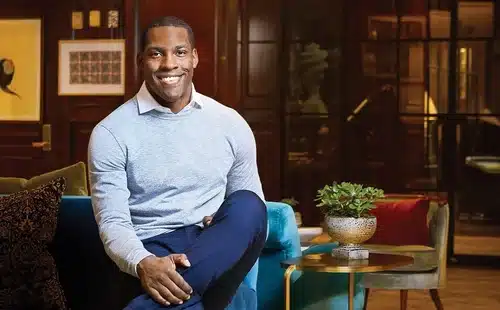
Marcus Stroud’s story is one you might not even believe as you hear it. He experienced ups and downs as his life intersected with people like President Barack Obama and MLB All-Star Torii Hunter. 

There was a time when he lived in one of the wealthiest neighborhoods in Dallas, and times when he was homeless. And while you’re going to have to hear the details from Marcus himself, one thing you won’t miss is the faith, perseverance, and sheer tenacity that Marcus shows in all aspects of his life, including his work at TXV Partners, which he’ll share more about today. 

All opinions expressed on this podcast, including the team and guests, are solely their opinions. Host and guests may maintain positions in the companies and securities discussed. This podcast is for informational purposes only and should not be relied upon as specific investment advice for any individual or organization.

Episode Transcript

Transcription is done by an AI software. While technology is an incredible tool to automate this process, there will be misspellings and typos that might accompany it. Please keep that in mind as you work through it.

Henry Kaestner: Welcome to the feature of an investor podcast. If you’re a fund manager, investor or financial adviser, are driven by your faith or want to be driven by your faith, then you’re in the right place. The best way to stay connected in the faith driven investor community is to sign up for our newsletter, Faith Driven Investor ERG. This podcast doesn’t exist without you, our community. One of the things we’ve heard the community asks for is help in finding great deals to invest in. And so we’ve launched Marketplace. It’s a new platform of funds and direct deals, everything from private equity and real estate funds. That’s from philanthropic to market rate deals made in the U.S. in emerging markets. Check it out. At the age of an investor ERG for slash marketplace. While you’re there, please send us any thoughts you have about how this podcast might better serve you or any questions you have about being a faith driven investor.

All opinions expressed on this podcast, including your team and guests, are solely their opinions. Host and guest may maintain positions in the companies and securities discussed. This podcast is for informational purposes only and should not be relied upon as specific investment advice for any individual or organization.

Hey, everybody gets the Faith Driven Entrepreneur podcast. We are so happy you’re here. Marcus Stroud story is one you might not even believe as you hear it. He experienced the ups and downs as his life intersected with people like President Barack Obama and MLB all star Tory Hunter. There was a time when he lived in one of the wealthiest neighborhoods in Dallas and times when he was homeless. And while you’re going to have to hear the details from Marcus himself, one thing you won’t miss is the faith, perseverance and sheer tenacity that Marcus shows in all aspects of his life, including his work at TV Sex Partners, which will share more about today. I’ll let him take it from here. Let’s listen in.

Welcome back to the future of an Investor podcast. We’ve got a special guest with Marcus Stroud today. And as you’ve probably gathered, this is the Faith Driven Entrepreneur podcast podcast where we look at sharing stories about people are really making an impact in the larger faith driven investment movement. And just as a quick recap, as you undoubtedly come to understand, there’s a new model of investing. The old model had been that a Christian might take all their assets and put up here on the left hand. If you could see what I’m doing right now up on my left hand, make as much money as you possibly can. And then to the extent you understand the biblical message of generosity, you give it away on the right hand side. And a collection of us, a movement of us have come to understand that the very process of putting investment capital to work might accomplish the same types of ministry goals that we otherwise had done and are giving. And we don’t have to give up market return to do that. We can do that across geographies, asset classes, different return profiles from market return to gospel, catalytic and in that big player, of course, our funds and private equity funds. And they tend to find themselves in two different categories. One are people who have been fund managers for a long time, many of whom have worked at some really established secular funds and are bringing their faith to work, bringing things like chaplaincy and with their portfolio. And there’s another breed of fund manager that’s coming out, seen a problem and an opportunity in the marketplace, taking some of their background, some of their drive and their passion and starting a new fund, doing it with spiritual integration at the core of what they’re doing. And this interview that we have with Marcus is in that latter category, somebody starting a fund with a great background, great intentionality. Some things we think are super unique and just overall. Great story. So, Marcus Stroud, welcome to the program.

Marcus Stroud: Thanks for having me. Thank you, guys. Big fan of the program and really excited to be here.

Thank you. Thank you. So we’re going to get right into what you do. You work at Tsvi, but before we do that, we want to hand the mic back over to you and give you a chance to share your story. I’ve heard parts of it, but I want to turn over to you and just hear what it was like growing up. Who are you? Where do you come from?

Marcus Stroud: Yes, thanks a little bit about me. Who am I? Where do I come from? I grew up in a small town called Prosper, Texas. Prosper is about thirty minutes outside of Dallas Fort Worth. A lot of people know about Prosper now because we’re about ten minutes away from the headquarters of the Dallas Cowboys. My story, how I end up and prosper. My father was an NFL player from our sports reporter, and when I was young, my father actually watched my mother. And so my mom was a single mother, raised my brothers and I. And, you know, we had a pretty tough background, you know, growing up. But we were fortunate in that she had married an individual who had bought some land out prosper. We moved there kind of before the huge real estate boom that had happened in north Texas. And, yeah, that’s how we end up. And Prosper is a really, really cool time, because in Prosper, there was only like, I’d say, fifteen hundred people. But of the six or seven African-Americans that were in Prosper, five of them were famous athletes like Deon Sanders and Tori Hunter. And so I had a really cool opportunity to grow with some really cool.

Seen and live in a really cool town, so tell us about that, some of these athletes that you came across or any of them role models.

Yeah. So, you know, grow and prosper is cool because, like I said, it’s not that many people there. And so you have to access to these athletes and so you get to live with them and see them on a day to day basis. And so for me, being one of the few affluent African-Americans kind of in that area that wasn’t an athlete, they were always enamored by the fact that my family was well-off, but they weren’t athletes. And so we had many, many dinners where they talked about business with my mother and my stepfather. And it was just cool because a lot of these guys were looking for the next year in their life. And so a Tory would have, you know, a lot of his friends like Gary Sheffield and a ton of folks over. And they’d be asking my stepfather ideas about real estate or about music, and they’d be asking my mom questions about the radio because she was working in radio at the time. And so, you know, it was cool to see my mentors or people like Toriano where people like Deon Sanders growing up and, you know, they all had kids my age. And so we had a very competitive sports background. We had a bunch of Tier one athletes and that led to a lot of folks coming down to recruit. And so so it was just a very, very competitive environment. Super awesome. And, you know, those guys proved to be unbelievable for me later in my life, which I guess I’ll go into. You know, my mom and my stepfather had a lot of success and they were doing really well right before the financial crisis happens. We actually had an opportunity to host President Obama at our house for a fundraiser. And so they were looking for a rural kind of town that exemplified Texas, if you will, you know, that had hay bales and all that out there. And so they chose to come post them at our house. And so it was truly an insane moment, an opportunity for our family, because, you know, you had the soon to be president United States. You have several senators, you have several A-list celebrities. And, you know, you have a guy who’s just telling his story, if you will, and just trying to meet people as he’s running for president. And, you know, that kind of catapulted our family in a way that we then had a lot of celebrities reaching out to, is asking us for advice and want to become our friends. Because obviously, if you’re powerful enough to have the soon to be president, the United States in your home, you know, you must be somebody worth knowing. And so life was pretty crazy for me, I’d say, from the ages of 12 to 14, just because we had this connection, those type of relationships. And then the financial crisis happens, I’d say about eight or nine months into President Obama’s presidency. And we began to lose a lot of things. We had a lot of holdings in real estate and that started to kind of go south. His record label wasn’t doing too well. People were booking shows for a lot of the jazz artists that were his record label, as well as some of the Christian artists that were on his label. And so my step father began to kind of take it out on the family through kind of verbal abuse, eventually some physical abuse with my mother. And then one day it kind of got to the point where he said, Marcus, we’re throwing you guys out. I’m throwing your mom out. You got a choice. You can stay with me in this beautiful mansion. We have all these cars. I’ll take care of you or you can live with your mom. Of course, we’re going to go live with my mother. And so, you know, that was kind of one of the first times in my life I would say I had really had to rely on God is probably the best way to put that. You know, I’ve grown up extremely grateful. You know, my grandfather became a great grandfather was Dick. And, you know, we have several ministries in our family. I was baptized at four years old. I know Jesus my whole life at that point. But I never had been faced with adversity like that, you know? And we just joined the Church of the Family.

And I remember standing up to join the church. The pastor said to us, you know, when you choose to truly follow Christ, when you choose to truly follow Jesus, that is when the enemy tries to attack you sometimes the hardest because you know so much of a threat you are.

And we saw it firsthand.

You know, it was just so crazy to me that you just really dove into your faith. You just joined the church as a family. You just try to believer, as I’m a true believer now you kind of are homeless. And so anyway, after you left, my mom and my brothers and I go, we ended up kind of homeless living with my aunt. She had a two bedroom apartment and it was six of us living there. And so we only had one car. And we commute from her town of McAllen, Texas, to prosper every morning before the tollway in North Texas was built. So, you know, like fifty stoplights. And so it takes like an hour some change to get school. And, you know, we didn’t have any money. And so here we are kind of migrated from living in this beautiful man. Should have a president of United States in your home, having people like Martin Lawrence, you know, downstairs drinking beer with your step that you’re five deep to a car. You know, you’re getting at school. I’d say three thirty four in the morning because your aunt has to be at work in South Dallas by about eight a.m.. A browser to be an elementary, your mom has to be whatever gate she had at the time. And so that was a very, very tough time for me. But it was in those moments where I feel like my faith really became the center of my life.

Henry Kaestner: That’s really powerful. That’s incredible. So tell us what happens next. You go from. Really haven’t at all people looking to you, you probably some level of your identity is coming from the fact of, you know, who’s in your house to really having that all taken away. You lean into your faith and really dedicated committed to your mother, bringing out the other side of that. So you’re being formed. And what I understand some of your life as an athlete, that you’ve worked really, really, really hard in academics, but also just to make the football team and be there, just bring it through as you’re becoming a young adult. What happens next?

Marcus Stroud: Sure. Yeah. So I felt like my whole life up until that point, I was the definition of an offensive player. I wasn’t super aggressive. I love to get the ball. I was very much a happy go lucky kid who just loved to score touchdowns. And of course, would tease me because I’d never want to be tackled. I just wanted to run and score touchdowns. And I think when that adversity hit my family. I would say football was the greatest place I saw a change in how I approach life. I went from being this really skinny kid who just wanted to score touchdowns to your game to the three thirty four in the morning. You had nothing to do except lift. And I was a skinny guy. And so for me, that was my kind of sanctuary, if you will, was going to that weight room and just lifting and lifting when the coaches around and just kind of getting after it. And we couldn’t play any hip hop music in. Our coaches would get to the way they would get to the office around 5:00 a.m. So I would just play worship music and play old school rock and working out so that worship in that rock just really got me fired up every morning. And I just heard God’s voice. So clearly, Marcus, I am doing some things for you that you don’t know right now. You just have to keep working hard. You have to keep working hard. You have to demonstrate excellence. And I’d always ask myself, God, you know, this guy like, why do I have to demonstrate excellence? I’m the one who’s going home to no home, if you will. You know, I’m the one who when I did eventually get a car from my first car from my grandparents, I couldn’t afford to drive back to my aunt’s house. So I would sleep in the parking lot at Wal-Mart or Whataburger because I didn’t have enough gas to go back and forth between the colony and prosper. You want me to demonstrate excellence? You want me to demonstrate you. But I’m sleeping in my car here at Wal-Mart here at Burger. Then I’m coming in here and I’m getting after it and I’m busting my butt on the field. And I was so angry for so long because I was like, why me? Why me? And then I just stopped asking, why me? And I just started trusting his plan. And so I was always a really, really good student. But I sort of take it to the next level and school for me, I didn’t really care about getting good grades. I just cared about doing well enough in the classroom and doing the best I could on the field to get myself a scholarship to a really good school identically because I had seen my dad who was in the NFL, who did do well after a couple of years in NFL with money and etc.. I see what happened to him. And I said, God, if it’s your will for me to be a professional football player one day, you can make that happen from any school in America. But I know you’re calling me to be an example to other men, especially African-American men, someone who can rise to the top academically as well as politically and build something from that. And so my life kind of at that point was let me be the best I can and everything I do. And so eventually I became the first to your captain in my school history. I became the first four year class president in my school’s history.

It was funny right around the time the four year class president was actually five years. I was president from eighth grade through my senior year.

Yeah, for your class president. And, you know, it was on honor roll everything. President of FDE. I was doing all the right things. I won three presidents community service awards for serving hundreds and hundreds of hours of community service each year. I had one two mock trial competitions as one of the top young my trial attorneys in Texas. And so I was doing all the right things. But I was also working three jobs. I was working at a construction company, a barbecue restaurant in high school and high school. Yeah, as well as Abercrombie and Fitch. And, you know, I just didn’t really have any joy, if you will, because I didn’t really live a regular childhood. I’ll do the working or I was working competitively in sports where I was working academically. And so it was just continuous grind, grind, grind, grind. And I didn’t really understand it at that time, but I knew that God would send me something special. So anyway, my senior year comes around, you know, I’m starting to get some opportunities in football. You know, I’ve been man all state and things are going really well for me. And then, you know, one day we have a really, really big game against one of the top teams in the state of Texas. And I’m going against one of the top tackles in the state of Texas. And the kid beat me up. Basically, he wins the one on one. And I remember my coaches pulling me into the office after the game saying, hey, man, we know there’s not a lot going on, you know, for you at home right now. We know that you guys just lost your house because we got it home. We got evicted from it. We want to help you. And so my coach had offered to help me and, you know, financial ways and connect with people.

And they said, I think all the people we really want you to kind of buddy up with and get to know. Well, as Tori Hunter is just kind of how Tori came in my life. Tori son, always one of my best friends. He was one of our star football players also. But is that really became kind of a surrogate father, if you will? And so Tori and his wife, Sarah, mom, dad said, look, we’re going to take Marcus and we’re going to help your family out. We’re going to give you guys money so you can have some money set aside for a home over the next 12 months. But Marcus is going to live with us, you know, to go from work in ten thousand jobs, you know, busted by the school dealing with all the recruiting.

The tough part about the recruiting and the football thing was, you know, coaches like come to your house when they’re paying you a visit. We didn’t have a home to come to. So I always had to be coach at a restaurant or at my school in a weight room. And so it was so embarrassing. But now that he was in my life that when I was done with these guys, they could come by the house and in all these things. So it’s like my life was transformed overnight and it was just so, so humbling because, you know, you have one of the at at the time. You like the high speed MLB player, you have the highest paid baseball player essentially taking care of you, giving you everything you need, you know, you’re living with your best friends, his kids, and you’re just living this incredible life, but your family still trying to find their way. And so it was kind of a weird time for me because, yes, I was so grateful to have God bless my family through these unique ways, through touring and through other folks that I stepped into our life. But at the same time, I hated the fact that I was living this glamorous life that my family was struggling. So from there, I had the opportunity to actually go play football at Princeton. You know, I was being recruited by them as being recruited by a couple of the schools. And when it came down to it, I prayed about it. And the Lord, it just kind of showed me that prison was a place to go. And so, yeah, that’s kind of where my childhood, I guess, thought, if you will, and the Lord has blessed with incredible opportunity to go play ball at Princeton.

Henry Kaestner: So this is a great time and I should have done this at the outset. Marcus is an incredible story, an amazing story. I should have introduced my co-host for the future of an investor podcast up front. Don’t worry, William isn’t going anywhere. William continues to be part of faith driven entrepreneurs this Rusty. But as we continue to launch the movement, a feature of investing and I think that will in listening land, we can all agree that Luke’s job as emcee of the featured investor conference was second to none. And so with the momentum from that, we’ve asked him to come on board and dysmorphic driven investor podcast he’s on. And this is a great time for Luke to join best friend and business partner, super guy, really serious about the movement of veteran investing. He’s a practitioner in it. He is also a former college football player and had met Marcus and was the one that encouraged us to talk to him. So very appropriate that this is Luke’s debut. Luke, maybe you say a word and then just continue with the podcast, asking Marcus some questions, please.

Luke Roush: Yeah, thanks. Anyway, it’s good to be on. And Marcus could spend some time with you a couple of weeks ago, and it’s wonderful to have you on today. So just jumping right back into where Henry left off. So you graduate, you go to Princeton, you play there, obviously get a great education, then you get to work on Wall Street. Maybe just talk us through that transition. How did that feel in terms of your relationship with your family? And then you end up in this Ivy League school and on Wall Street, like just kind of walk us through what that felt like, what that what that was like?

Marcus Stroud: Yeah, it was incredible. You know, I think going to a school like that opened my eyes to a world I’d never seen before. And it was humbling because, you know, you go to school kids that went to, you know, some of the most prominent private schools in the world, their parents or some of the the biggest titans in their respective industries. And you know, that, er, if you will, becomes unbelievable to you in the sense that, like, wow, if I work really hard, I can achieve these things. But what stuck with me, though, I would say beginning my sophomore year in college, I didn’t like some of the alumni I had met, how they carry themselves. And let me unpack that. I didn’t like the fact that they may have been unbelievably successful. You didn’t see that Godlee there, if you will. It was very much their story. It was very much their identity, their success that that that that that. And I hated that because I saw so many of my teammates who began to follow that path. Also, I need to go to Wall Street to make X amount of money. I need to be rich. I need to be this and that. It just creates so much brokenness and so much just instability long term, if you will, by just having that type of mindset. And so anyway, I said, you know, that is a place I feel like God is called me to be. I feel like my ministry can be on Wall Street. And I’m not saying I can go into a firm and change that firm, if you will, as a first year associate. But if I can be someone who is on Wall Street but is striving to present a godly example, then what about the next Christian young man or woman who wants to be on Wall Street and has a hope and doing it because it’s so secular? What if I am able to encourage him to do it just by my example? And so anyway, that’s what led me to Wall Street. And so I began my career on Wall Street. And, you know, the first day of work, the very first day of work, I’m getting ready to leave my apartment in Tribeca and make my way up to Midtown. And my brother calls me and he’s like, Hey, man, I hate to bother you. I know it’s your first day of work. I know it’s super early, but I need some money to catch a cab. The Praxis right now. Let me catch cab. Do you guys want a car like you don’t have? You guys, last time I checked, your house wasn’t that far from high school. What do you mean you need money? It goes well, Marcus. We’ve actually been living in a shelter the last month. And you got to the point where we’ve been here so long that, you know, we’re going to probably be kicked out soon. You know, we need some help. And I’m starting football today. And I don’t want my teammates know that I’m homeless. And I think for me, like, I get the image in my head when I think about where I was when I got that call, it just shook me up because it’s like no matter how hard we work, no matter how much we sacrifice, no matter how much we prayed, no matter how faithful we think we have been, it makes me think of a story, a job. It’s like we’re still struggling, you know, even though I am, if you will, successful. We’re. Still struggling, even though my middle brother is going to pull out of Purdue, they’re still struggling. And so that’s what it was like, you know, and so I began my career there and I sent them some money. I just got a signing bonus that day, sums of money. And that was part of my time in New York. It was, you know, you bust your butt, you work hard, you’re doing your thing, you’re grinding. You’re trying to be the best young associate possible. But you’re not like your friends. You’re not like your colleagues. You don’t just go home or you don’t just look forward to the vacation. You’re going to take the Turks and Caicos and you look forward to bonus season and thinking about the next Rolex you’re going to buy or the next pair of Gucci loafers you’re going to buy, you’re literally saying, how can I save up enough money to be able to send my family a meaningful amount of capital, but also be able to start saving away, you know, for things like rings when I want to marry the woman I’m dating or just little things like that, you’re just thinking in a different mindset than a lot of your peers. And so that was a very challenging time for me just because a lot of times my head wasn’t where my college head was.

Luke Roush: Yeah, I think that’s sensible. I watched a number of my teammates, you know, when I was playing in college, too, just had not completely dissimilar experiences. And so that can be hard in terms of just kind of building community and feeling a part of what’s going on. So just on the Wall Street front, maybe talk through a little bit of how your faith played out in that world, which is, you know, oftentimes thought of as being kind of a dark, isolated place. How did that play out for you?

Marcus Stroud: Yeah, I mean, I think a lot of people see Wall Street and they think of movies like The Wolf of Wall Street. And I would say, given my youth, a lot of those Praxis are definitely bad now. And you see some of those things that occur in the office the way they probably used to do back in the day. But at the same time, I would say the mentality is still very much there. You know, it was still very much a cutthroat environment. Money was still top of mind for people, not morality. And that’s tough because if you’re not bought into the place to work and it’s just like being an athlete, if you’re not bought into the team, if you’re not bought into the motto and mentality of the team that you’re playing for, you’re not going to be a good teammate. You’re not going to be able to fulfill your potential as an athlete. And I think the same way can be said for Wall Street. At the same time, you need to make money and you need to be successful, you know, to live it. So you try to, in a unique way, be a hybrid of sorts, be someone who is unbelievably hungry, unbelievably scrappy, demonstrating the tenacity that a lot of Wall Street folks look for in to an analyst. But also you’re trying to demonstrate what it’s like to be a man of God while on the trading floor, you know, and that’s being someone that’s kind, someone that’s gentle, someone that’s humble and someone that demonstrates the qualities of a godly man or woman, if you will. And so that was tough because you didn’t really have any examples around you. You know, it’s like when you’re playing sports, you have upperclassmen who you can look at who do things the right way in the way they do things, the right way on the field. And you want to follow that, you know, and then they do things the right way off the field. You don’t see them doing stupid stuff on a Friday night or Saturday night. You know, they’re doing the right thing all around the clock for me. I didn’t really have that, if you will, in front of me at the firm. I was at it. So they’re all really, really good people, but good as it gets to the head of it. And so, you know, I had to kind of go above and beyond. And so I was fortunate that I had teammates who I walk with through my four years in college spiritually, and they now become part of Wall Street also. And they were working at some really cool banks. And so we would get together, we would go to church together, we would have a small group together. We would pray together during the week and we’d say, hey, man, like, how can I be praying for you this week? You know, as you’re working on, these trades are going to be praying for you this week as you had these tough meetings with your bosses or as bonuses and comes around. And it’s very easy to get swayed by the dollar amounts and to lose sight of the fact that God is ultimately going to provide you the provision that you need. And so that’s what it was like for me as a Christian on Wall Street is just continually searching and searching and searching for examples and mentors and people to look to. When I realized at the end, like, hey, man, God hasn’t called you to look for humans as examples of him. He’s called you to be rude in scripture and to get your example from scripture first and foremost. And so that was probably something that really changed my life, knowing that scripture had to be first and foremost for me as I look for resources to be an example of Christ in the workplace.

Henry Kaestner: OK, I want to fast forward now to what you do. You’re an investor. This is the Faith Driven Entrepreneur podcast. And I want to get into what you’re doing, but I can’t do that without telling you about CIC First Clubhouse Investment Club. What was that? What problem were you looking to solve? Bring us into an investment career?

Marcus Stroud: Yes, that’s really my firm in New York. I work for a fund in Austin. Longevity considered as focused hedge fund. Really, really awesome. Learned so. I had a chance to be a part of their one point seven billion dollars class vehicle that was on the advisory board and then a couple other funds they had worked on. And it really gave me a tremendous amount of exposure to the alternative asset class. And just as I was going to go work for another fund, I would say pure fun of the one I was at. Tauri calls me and he says, Hey, Marcus, I’d love for you to be a part of the clubhouse. And so in 2011, in 2010, there was a third party called Broke Town, why athletes go broke and end up being one of the top three players using the release. And a lot of those guys in that theater for 30 Winfried Substory with a bunch of those guys were friends and stories growing up. And so I grew up around these guys. I mean, I knew them pretty well. And so toread created the clubhouse. And that’s required as a way for athletes to co-invest alongside primitivist capital for a premier private equity funds and for some of those guys to be direct LPs in those funds to those guys would kind of bring their money together and have an LP position, because, you know, a lot of these guys figure out how much money they make. They didn’t have enough capital to be LPs by themselves and acquire Perkins’ or a Koslov interest. Fine. But they had enough as a group to be an LP, if you will. And so that was the clubhouse. It’s my job in the clubhouse was I really took it over. So I manage all the relationships with athletes. I manage the relationships with the managers in which the athletes were working with some of those funds. And I helped them get deal flow from CDC. Every A is kind of what we focused on, got the guys really awesome opportunities. And yet I was kind of like a liaison, if you will, between them and some of the top four in Silicon Valley.

Luke Roush: That’s awesome. Thank you for sharing on that. And it had to be a lot of fun just being able to work and operate in that space and also being able to just improve access for some special people to be able to get access to the funds that otherwise wouldn’t be accessible. How did you bridge kind of from that into tech savvy and want to hear more about what you’re doing there?

Marcus Stroud: Yes. So doing the clubhouse was, like you said, it was an unbelievable dream. I mean, I’m literally working with some of the guys I’ve looked up to my whole life on the field and, you know, some of the most well-known athletes in the world. But there is a major opportunity. And it’s like for me, I never had a dream of being entrepreneurial, if you will, early in my life.

I feel like this is one of the first times in my professional career where does tangibly was showing me through people in three things, the path that he wanted me to take, because this was never my dream in my head. My dream was, you’re going to work at a fund, then work with this fund, you’re going to do well, and then you’ll probably end up at a firm like TPG for 10 or 15 years. You’ll see well there maybe stay open. Maybe you’ll try to break ranks there and that’s going to be it, essentially, and then you’ll find other things to be passionate about.

I never thought this early in my life I would throw the entrepreneurial out. And so at Club House, I was meeting some really, really awesome people.

And one of the people I met was a guy named Bret Jones. And Bret was a incredible tight end for the San Francisco Forty Niners who eventually went on to have a really, really awesome, you know, private equity capital career where he started a phone call working capital was at its peak, was a four point four billion fund of funds. And so he had used the scrappiness of being a star 49ers football player to get access to Sequoia in 1992 and Excel and all these other great fun super early on. And then he eventually raise the funds to be helped in those funds.

And so he ended up moving to Southlake, which is a suburb outside Dallas with his wife. Once he got down, lived in the valley, and we were introduced through another NFL player named Steve Wasniewski. And so, Brittny, you know, we got breakfast and then we had coffee and we would just talk about life, talk about what it means to be a man of God in that space and how it was for him starting a foot in one day just kind of said to me, you can do it, man. He gave me kind of that conviction that I could do it. He said, you can start a fight. I think the courthouse is cool. I think it’s awesome. But you’re a unique guy. You’re a type of guy who entrepreneurs love and you’re the type of guy that investors are going to like also. So anyway, after I met with Brett, I said I need to go talk to more people. If I to start a fund, I need to go talk to more people because, yes, the clubhouse is such a cool opportunity. But I know we’re missing something and maybe being a starter fund or maybe it means I should enhance certain aspects of the clubhouse. So we went out to San Francisco, we met with my partner and I met with David Crane, Google Ventures, and you see over there. And he had said, you haven’t it, if you will. He’s like, you’re lucky, guys. Those are the words you use. You’re a lucky guy. You’re one of those guys where a lot of good things happens to you. And those aside, people are going to be really, really, really good investors and become really successful in this space. And his word was luck. My word that I was hearing was favor. And so I said, well, you know, if this man can see from his position that favor the guy that afforded me in my life, maybe I should take the next step. And so we decide to start a fund.

And the reason we want to start a fund is because we saw a tremendous amount of opportunity. As a firm in Texas, if you will, this is right around the time Austin was really becoming the hot alternative to Silicon Valley, we saw a really cool opportunity to start a fund in Austin that could represent the future of diversity. I don’t mean a firm that is like all black or firm. That’s all male or firm. That’s all Ivy League or firm that like, you know, fill in homogenous group, whatever you want there. A firm that truly could represent the future that had men and women of all different backgrounds that invested in some of the most innovative entrepreneurs that we could find and didn’t really care in terms of what color they were, what gender they were just a really unique find that truly exemplified what the future is going to look like. And that’s what I want to start. And then more importantly, I wanted to create a firm that my kids would want to work at one day and that my kids friends want to work at one day that I would have gone to work at and college, a firm that was led by godly men, you know, that were kind or gentle or meek. But we’re still some scrappy some of the guns. We’re still hungry and we’re still going to find some really awesome returns. And we’re going to still to teach investors some of the best technologies alongside some of the children in the valley. That is what we want to create. And so that is why we created it. And so it was tough because early on, you know, my co-founder and I happen to be black.

A lot of people were quick to label us as the diversity investors and as the fund that was focused exclusively on minority entrepreneurs. And don’t get me wrong, I respect funds like that. We need those funds. The fact that women and minorities receive less than one percent of U.S. dollars goes to show that you need funds dedicated to those type of entrepreneurs. But that’s not who we want to be. We didn’t want to be put in a bubble. We wanted to just be some really cool guys that entrepreneurs like to work with that invested in entrepreneurs we thought were best for our fun and contributors. And so that’s our story. So within a couple of months after spin out of the clubhouse, we convinced some the clubhouse guys to give us some seed capital to get going. We started thinking we got a little bit of press. And I would say this is kind of you know, we’ve got has shown some favor in us, know, I would say like maybe two months in starting the fund. We’re sitting behind a white board, we work office and we get a cold call from this random number. And this guy on the other line says, hey, my name is so-and-so from TPG. I’d love to have you guys come in and talk to us. And I’m like TPG, the firm, like the piece. You go like this, guys, it’s possible this is not really cheap, but it was really TVG in that meeting, the founders of the firm and some of them thought it’s a little bit of our story. And what was really cool about that and why that’s relevant to this podcast right now. We got up and we told our story and we did it subconsciously, but we talked about how much God had done for us in our lives and how we felt this was our ministry, if you will, to grow his kingdom and to give back to this space. And you could tell some of the people in the room, a lot of folks who were believers were kind of like thrown off by that. But there were a couple of people in the audience who were clapping their hands and their faces just lit up because how many times have they seen folks in their space come before a room of, say, two hundred and fifty people in their Fort Worth and their San Francisco office and say, hey, we are here because of the grace of God and we’re going to build a fund that reflects that. And so, yeah, that was kind of the moment we knew, like, it’s going to be a very tough, difficult road, but we need to be here.

Henry Kaestner: Yeah. So Supermoto, tell us, what does it look like to build a fund from the get go we’ve got at the center? What does that mean that you do and how are you thinking how TV is different than every other fund that’s out there then TPG So it starts with the thought.

Marcus Stroud: Leadership, in my opinion, always starts at the top. And so it’s about how do you care for people in your firm? How do you care for people when you have a small firm that many people? How do you care with your service providers? How are you being a steward of the capital, your investment trust you with? And so tangibly, how does that look? How often are we talking at team about ways in which we can improve his teammates and as members, how are we handling conflict with each other? OK, we disagree about something. Are we yelling at each other or are we saying choice words or are we demonstrating what it looks like to be brothers in Christ and talk to conflict in a godly way? We’re praying about it. We’re bringing it to elder council and they’re counseling us through it. And so that is kind of how we did. And so every Monday morning at about 7:00 a.m., we all sit down for coffee. We talk about our weekends to talk about kind of what’s on our heart. We pray for each other through everything that’s going on in our lives. You know, we asked you, like, hey, how can I be better towards you? We have candid conversations like that and we go from there. And the thing is, when you do the little things right, it carries over into the big things. So if you do the little things right by talking to your teammates the right way in the office, by talking to your service providers, even though they may have done something that wasn’t good for your firm, but by treating them with kindness and respect. It carries over into how you talk to entrepreneurs and entrepreneurs that eventually do is there’s something about you guys, there’s something about you guys, you know, like I don’t know what it is that there’s something about you guys. Maybe it’s the fact that you’re Texas, you know, it’s actually just such nice people. And that becomes your mantra. And it’s like, yeah, there is something about us, you know, the Holy Spirit is in his office. The Holy Spirit is in each of us, and that’s how we do business. And so I think we try to actively hold each other accountable spiritually, you know, physically, emotionally. And that contributes to the culture of our firm, which eventually, hopefully, as it grows, will be Amen would be something that entrepreneurs can see right away, that these guys are just different. This is not like talking to typical VC private equity fund.

Luke Roush: So, Marcus, you and I had a good conversation just about the journey with TPG specifically. And, you know, the fact that it was, you know, mixed reaction to you bearing witness testimony to, you know, what God is doing in and through you and your business partner. How has that story and that, you know, active testimony played out on the fundraising trail? You know, we’ve had experiences personally and, you know, prior to sovereigns professionally with, you know, that going over like a lead balloon. What’s it been like for you if you’ve borne witness?

Marcus Stroud: Yeah. So I think for us, we kind of hit the mark at the right time. So our fund, we focused supposedly on human performance within his reformist health policies as well as sort of price. And so for us, our investment thesis, if you will, definitely was suited for this kind of time, if you will. And so we’ve been lucky that that’s resonating with people. But I will say that being a young, diverse fun in a place like Texas definitely has its challenges.

And I don’t see it has its challenges because we’re black or whatever. It’s just like this is a state in which this asset class historically has been kind of the bread and butter of the state. And so there’s a reason there probably zero diverse funds in the state of Texas. You know, you have to go probably to Atlanta to the next closest place in the south where there is a little bit of diversity. But, yeah, it’s been tough. I would say. On one hand, we’ve been fortunate to have received the support from folks like Karta, Motley Fool and other interesting and unique strategic groups. On the other hand, it’s like a lot of people, it’s tough for them to, I guess, understand the bigger vision, because when we tell people is we’re not just an investment fund. You’re not just investing in a VC, but you’re not just going to get quarterly updates. This is not just a regular basis upon which you’re investing in. And you try to see that in a way that can resonate with, say, a nonbeliever. And it’s a little bit difficult.

You know, and one of the things that I remember we told of our first investor that resonate with him and why he wrote a check like we have a chance to have an impact on this world in a way that few funds can probably do just given where we are, the timing of the world right now and just some of the folks that the Lord has put into our life. And we were fortunate in that we did a talk, if you will, or I guess an episode on NBC Press here in San Francisco.

And we did that and it got in the hands of a lot of people and we ended up getting a letter. It was address San Quentin State Prison. And when I saw that, I thought, oh, gosh, you know, what’s one of my family members in San Quentin State Prison? And you saw this thing out in San Francisco. I was so worried. I was like, oh, my goodness, what is this? That we open it and it’s a letter from an inmate and it won’t say his name. But in the letter he says, I saw you guys on ABC Press here and I saw what you were talking about and I saw the energy you guys were talking with. And I saw I heard the goals of your firm. And it just gave me so much hope and joy behind these bars. You know, I was framed for burglary and I served four years here. And I take an entrepreneurship class here. And one of the things that I’ve learned is that, like, it’s very difficult to be successful in business, but also be godly. And seeing a young man like yourself, you know, on a platform such as NBC press here in the heart of Silicon Valley, while based in Texas, just kind of gave me a lot of hope that when my time is up here, there may be opportunities to meet people like you who may give me a chance one day.

And that letter kind of just is stuck with me because it’s like you don’t know who the Lord has for you and your life. You don’t know what impact you can give to people. You just don’t know. It just goes to show that you’re playing. It’s not your own. It’s not you’re just a part of this kind of a you’re just a puzzle piece in his creative planet. That’s it. And so I guess between the people, we’ve had a chance to in fact, the folks who’ve been introduced to, you know, it’s been mixed. On one hand, we’ve gotten some, like I said, investor commitments from some of the top unique groups in this country. And then on the other hand, you know, it’s been tough. Difficult to find LP’s that resonate with your mission. And so, yeah, that’s kind of how the country has been.

Henry Kaestner: Thanks for sharing. That’s awesome. Marcus Marcus, one of the things that we always like to do when we close out every podcast is unfortunately, we have to do now is to understand what you’re hearing from God through his word. One of the things we love to point our listeners back to is just how important it is to spend time on God’s word every day. And so it doesn’t for you doesn’t necessarily mean be something that you learn this morning, but maybe something over the last week or last month that you feel has really encouraged and equipped you and and what you and your partner of get going.

Marcus Stroud: Yeah, for sure. I’m excited to answer this question, too. Last week, I turned 27 and I was at my prom school in Akron, Ohio. And when I got there, I met a guy by the name of Aeneas Williams, and this was the Hall of Fame quarterback who is now a pastor in the NFL. And this is an unbelievable man. And this was actually my dad’s teammate on the Cardinals and my mom, my whole life is said to be Marcus. There’s one person I want you to meet in your life. In sports, it has to be a news. WILLIAMS We were in Bible study with him and his wife for a long time. He’s an incredible man. He’s someone who’s going to put a lot of prayer into the second. You mean and I just know God has told me that one day you will meet the needs. So I meet a need is when I met the event last week. And I just really, like, turn around and like God. Oh, my goodness. Wow. The day before my birthday, you really are hearing about it and had been praying, oh, my flight there is like, Lord, show me what you want for me this year. Show me how you want me to live my life this year in terms of through this forum and just through my life. And so when I met with a nurse, we end up getting together for dinner. We have been together for a lot of things. You could tell that God was at work, strategically, put us together so we could talk. And another gentleman that was with a niece, with a guy named Sean Alexander, Sean was a great running back for the Seattle Seahawks. That would be so anyway, Sean and a nice guy just put our hearts to kind of just minister, can’t we minister to these few days and man, the amount of fruit they poured in my life, the amount of just things they blessed me with was just so unbelievable. And it was something that I needed to hear and it was something that I could tell God was just saying clearly to me through them. And I think what I’ve learned is the importance of truly, truly sacrificing things around you to just listen to the God’s voice. And that means, you know, cleaning out your mornings to where you’re not distracted by the work that you’re trying to accomplish before seven thirty. You’re not distracted by all the emails that popped up the night before that you want to get you right away. It’s simply waking up and giving it to God. First and foremost, beginning your day with God, God only. That’s it. Don’t put on any hype music to get you going. Don’t do any of that. Just simply listen to God’s voice. Do it by reading scripture, do about meditating, do about praying, whatever works for you, but just truly giving the first few hours of your day to Christ. And when I tell you, both of them kind of recommend that to me. And it’s been a Praxis I’ve done now for like the last four days, it has been life changing and it has brought me so much joy by just dedicating an hour, not ten minutes, not five minutes, but an hour, hour and a half to Jesus first thing in the morning. And so that’s kind of what he showed me. Just, hey, you know, this is my firm. Your life is dedicated to me. I get to start the day.

Henry Kaestner: And it’s been like, wow, what an incredible witness that you might provide to some of these entrepreneurs that you’re investing in.

You know, being an entrepreneur is one of the most stressful positions in life, and they’re trying to understand the meaning of identity and why they’re working so hard. And that’s one of the reasons why entrepreneurship is one of the biggest areas of mental illness and even suicide. And for you to be able to show that it’s not just kind of a check, the back ten minute thing is I am all too often guilty of doing but real intentional time. I made an incredible impression on me and our listeners. I’m sure it’s going to make an incredible impression on those you invest in.

Marcus Stroud: Thank you. Yeah, I’m so grateful that God kind of showed me that over the last few weeks. When I tell you it has been life changing, I try to encourage all my friends to start doing it. It’s it’s been beautiful.

Henry Kaestner: It’s been a special treat having you on the program. I’m grateful for your time. I’m grateful for your faithfulness and what God caused you to do. I’m excited for what’s next for you. And I just want to pray for your heavenly father. We lift up Marcus and we celebrate the great work you’ve done in his life from the beginning. And dear Lord, we ask for favor and protection. We ascended. You will help him to find the right deals to invest in. We ask that you would help us to find the right investors that would come alongside him. We pray for blessings on this partnership. Said they would work together well, and that gives me great time to reflect and be grateful for the partner that I’ve got and the partners that I’ve got.

Dear Lord, we just ask that you would allow Marcus to hear more from you. His identity would be fully rooted in you and that you would give him opportunity to be able to be a great witness with gentleness and respect, but a great witness nonetheless. And when he shows excellence and shows love to. All of these things in Jesus name, amen.

Host: Thank you so much for joining us on today’s show. We’re very, very grateful for the opportunity to serve the larger faith driven investor community. Hey, the best way for you to stay connected is to sign up for our monthly newsletter at Faith Driven Investor Dog. And while you’re there, we, of course, want to hear from you. We derive great joy from interacting with many of you. And it’s been very rewarding to see people join the discussion now from all around the world. But it’s also very important to us that you feel like this is your show and that you’ll help make it something that best equips you on your journey, one that you’re proud of and one that you’ll share with others. This podcast, it wouldn’t be possible without the help from many of our friends. Executive producer Justin Forman, program director Johnny Will’s music by Carl Cagle. You can see and hear more of his work at summer drag’s dotcom and audio and editing by Richard Bahle of Cornerstone Church in San Francisco.
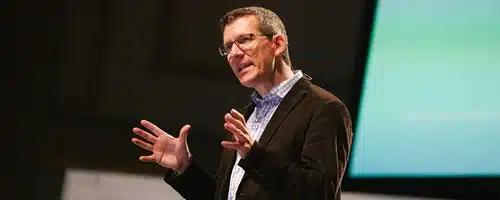
Subscribe to the newsletter

Stay Connected
to the Movement

We know that as an Entrepreneur, your most valuable asset is time. So each month we take the very best of the podcast, the blog and all the news, resources, and upcoming events happening across the space and bring it to you.

Episode 045 – Around the Table: 2020 Year in Review

Episode 045 – Around the Table: 2020 Year in Review

Podcast episode

Episode 045 – Around the Table: 2020 Year in Review

We’re just as happy as you are that 2020 has finally come to an end. There’s been turmoil, turnover, and uncertainty around every corner. Yet, here at FDI, one thing has remained constant—this podcast.

Week in and week out, we’ve recorded these conversations as we always do, and we couldn’t be more grateful for all the guests that joined us as well as the grounding consistency that this routine has provided.

For those who have listened along all year, this will be a time to reflect on what we’ve heard. And for those who are just joining us, this will be a great place to find the episodes you need to listen to next. As always, thanks for joining us on the journey.

All opinions expressed on this podcast, including the team and guests, are solely their opinions. Host and guests may maintain positions in the companies and securities discussed. This podcast is for informational purposes only and should not be relied upon as specific investment advice for any individual or organization.

Episode Transcript

Transcription is done by an AI software. While technology is an incredible tool to automate this process, there will be misspellings and typos that might accompany it. Please keep that in mind as you work through it.

Henry Kaestner: Welcome to a special edition of the Faith Driven Entrepreneur podcast, I’m here, as always, with Rusty and William, and this is a special edition in that it gives us a chance to reflect on the work that God has done through the ministry in our lives over the course of the last year. And it’s been an incredible year. I don’t need to tell you that unless you’re listening to this 25 years in the future and trying to figure out what we’re talking about. But this is 20, 20, of course, in a world in which the life of a Faith Driven Entrepreneur has looked different than it ever has before. And we’ve had just as I reflect back on the different folks we’ve had on the program and some of the things that have happened in the ministry, in the conference, and I reflect and I look at this as a really special year and a year in which God was really at work. And gosh, that sounds so pithy and cliche. You’d expect someone to say that that’s driven by their faith on a kind of a ministry podcast like this. And yet when I look back through the guests that we’ve had on and the feedback we’ve gotten back from the audience, I feel thankful and blessed. And I don’t know if you guys see the same. Am I missing? It might seem Pollyanna.

Rusty Rueff: No, you’re right on. I mean, it’s been such a challenging year, but so many of our guests have been able to give us words of wisdom, experience. I mean, clearly, we’ve just been navigating from one been to the river to the next. Right. You know, I mean, it doesn’t go much further than that. But, you know, the encouragement that I’ve gotten and the uplifting from recording these and listening, you know, has been just fantastic. So I hope our listeners have to. It’s really helped me.

William Norvell: I agree, Henry, I think it’s good to feel thankful and blessed, and I do, and I think it’s also good to hold, in the other hand, that many people may not feel that way and that it’s still a very trying time. And this season is still a very difficult season where maybe they haven’t felt God’s presence or maybe don’t see his provision yet, but are still holding on to hope that he will show up. And so I think there’s both, you know, and I think we’ve heard that from our guest people in the midst of crisis clinging to Jesus and people who’ve seen Jesus come through as he always does, in his own unique way.

Henry Kaestner: I want to go back through this past year and a bunch of things I want to do. I want to reflect on some of the things we’ve seen in the ministry and reflect on some of the lessons in the themes and what we feel that God has spoken to us through things like the conference and some of the other things we’ve done that God sent through us. I think most especially about the Right Now media video series that’s been particularly fulfilling for me. But so much of our ministry to our broader audience is this weekly podcast. And if I were to think about one thing that really symbolizes our work together, it’s it’s indeed this podcast, because Faith Driven Entrepreneur worship is all about storytelling. It’s about the story about God working through entrepeneurs. You know, one of the things I was reflecting on was just yesterday was that when we first started thinking about doing a podcast, I thought, we’ll get out there and we’ll do 10 or 15 or 20 of these and we’ll go through kind of the who’s who of the faith driven entrepreneurs. And then, you know, maybe we’ll just shut it down after six months or so. We’ll just get some great we’ll chronicle some great stories and maybe six or seven into this. I thought that that might be what we would do. And yeah, it’s been amazing that, you know, one hundred and forty or so podcast episodes into this. The list of people that I want to tell their story to is just exponentially increased. I mean, I can see that doing this for this isn’t a contract negotiation, but I can see this doing this for the next five years. We just has so many more stories that are out there. Reflect, though, with me, if you can, just over the course of last year, what are some of the guests whose stories have impacted you the most that have left you with just a different vision of what God is doing through business owners and entrepreneurs, three particular for me and the FDE offerings.

Rusty Rueff: And one of them was so helpful. In fact, I’ve used his content from the podcast, I would say hundreds of times, and that was Jeff Henderson. So with Jeff came on and talked to us about, you know, what you’re for. In the midst of that, he dropped out five questions to help us get through the pandemic.

And those five questions were to be asked at any moment inside of a crisis or you don’t quite know where you’re going to go or what you’re going to do with your business. And they’ve been so helpful to others, I think they’re worth restating. The first question is, what should we stop doing? Like what wasn’t really working before? But now we’re in a new situation. But we were hanging on to them. They were it was legacy work or are somebody liked it or it was just part of what we always used to do, but it never really yielded fruit. So why don’t we just stop doing it? The second one was what is working that we should double down on, right? What should we double down on right now? Because if we put our efforts there, it will yield. The third question was where can we gain new ground that we wouldn’t have thought that we could do before? The fourth one was what do we have to address that is essential in the moment? In this moment, you have to stop and think about what the moment is and what’s essential that we have to do, and we have to do it at high quality. And then the last one, which is the one that just opens up and I think we’ve seen it through the pandemic with so many businesses, is what’s made possible in this moment that wouldn’t have been made possible before. And, you know, clearly the connection that people are having all around the world where, you know, we basically flattened the world through Zoome or through any other video conference where people are working remotely, you know, a lot of things have been made possible, a lot of things still to be made possible. But those five questions that Jeff threw out there were really, really helpful for me and have been helpful for me when I’ve been able to advise others. And it’s been nice to be able to reference him looking back. So that was one highlight for me. The second one really quickly was Glen Jackson around the episode of Achieving Preeminence, and he did a one liner that God’s favorite color is transparency. And I have held on to that in this year because in a year where, you know, for a lot of reasons we’ve wanted transparency, you know, God’s favorite color is transparency. And then the last episode, which I just am so proud that we did in a good way, the episode with Rob Thomas and Jeff Parker about how they came through a real crisis and came to reconciliation. And what stuck with me with that was two business partners. You know, one had betrayed another. They came apart. They came back together never as business partners again, but as friends. And the statement was, forgiveness doesn’t mean reconciliation. Reconciliation takes extra work. And I think that will always stick with me.

That, you know, just because I forgive somebody doesn’t mean that we’re automatically going to have reconciliation. If I want reconciliation, I’ve got to work at it and somebody else has got to work at it with me. So if that was all we did this year with those three, I would have been I would have been happy.

Henry Kaestner: Yeah, no, there’s really, really good. And I get to tell you, I should come up with my own list. Right. But there’s something remarkably powerful about Robin’s story. And I mean, I felt like we were part of, you know, what it was. It was a special thing is a lot of times we have entrepreneurs on the program that just reflect on their life and they’re able to tell their story in a way that brings us in. And gosh, I love all of our guests. But there was this part that I think you get in at Rusty, which is this difference between forgiveness and reconciliation.

We were a part of the reconciliation.

Rusty Rueff: It was happening like right then Mastro’s first time had really done this. Yeah.

Henry Kaestner: Yeah. To be clear, there had been some amount of reconciliation that happened before, but it almost felt like we were just kind of like invited into this process with them and that it was a special I felt privileged to be a part of that conversation. And I found myself during the course of the conversation going back to like, OK, so here’s the antagonist and here’s the protagonist in this story. And I went back and forth and it was like watching three seasons of a reality TV show and you’re like a character in it. At the end of it, I just really felt that I was super powerful. And another one, when people ask me about podcast episodes that really make an impact on me, I’ve got to always come back to Phil Fisher, Phil Fischer’s podcast, where he talks about the identity of an entrepreneur. And it’s minute 16 a minute. Twenty to four minutes in his articulation of the identity of an entrepreneur or I think the richest four minutes we’ve ever done and just gets it what we’re about so much. But what makes it so special podcast really good. And it was great on its own is when it’s juxtaposed against Casey Crawford. And it’s us getting on the podcast with Casey and just talking about Phil Fisher. And then Casey said, actually, you know, I know that Phil tells me that I need to be able to have an anxiety free life or if I have too much anxiety, that’s a problem in my entrepreneurial life, which to be clear, it is.

But he says, you know, some part of me doesn’t really resonate with that either, because I see David going off to war and I see Jesus sweat, blood.

And just to be able to kind of further explore what it looks like to be getting out there and just relying on God and being in the crucible and depending on God. And what’s a healthy amount of anxiety and stress and what does that look like? And to see Casey wrestle with that I thought was super special, just telling us now that it’s at minute 26, I was 16 to 20. But listen, the whole episode, it’s all great, Phil, that you’re 16 to 20 is amazing to 15, 20 also amazing. But that whole episode, you can never go wrong with Phil Bishop. But those are some of the impacts that I really reflect on over the course of last year. Yeah.

William Norvell: You know, this is the first time we’ve done a year in review. So some part of me just mentally goes back to, you know, what you said. I mean, we’ve been doing this for three years. That’s kind of crazy. And for our earliest listeners, they know that they were saved from the early incarnation of this, which was me, Rusty and Henry taking questions and just giving you all our thoughts, like you’re going to get here on the year in review. And you said, no, we really like your guest. And it turns out you guys should ask more questions. And so we shifted. And here we are, though, you know, the times have changed.

Henry Kaestner: We wanted this a great time. I’m sorry to interrupt you, William, or maybe I’m not sorry, but I think. Ah, no, I am. I am. But I’ll tell you, one of the things that’s super important is the engagement from our audience. When you come in and say, gosh, I got a guest, somebody that you really needed to take a look at their story, or I really would wish that you would help me to understand the theme of mental illness. And gosh, the Max Anderson podcast episode was so formative for me. And just can you go deeper into that about what I’m struggling with? That’s awesome. But let us know about the format. Let us know about the things that you think are a great and part of that maybe never, ever, ever do another year in review episode again. That’s Fair Game.

William Norvell: And that’s how we get a lot of our guests, you know, it’s people and friends and listen, that’s how we started our spin off podcast, Faith Driven Investor. The we’ll talk about here in a little bit. And that’s been a lot of fun, too. And as I thought back on some of the entrepreneurial guests, I’m going to do some one-Line quotes and maybe I’ll start a conversation between the three of us and maybe what what you heard in that.

But, yeah, we’re talk about the crisis. I thought back to Michael Hyatt. He said two things. He said, you need to decide how you want to come out of the crisis. And he said secondarily, no one ever drifted to a destination. They would have decided. And so the idea is, you know, you can walk through life. You can.

End up where you’re going to end up, you can get through this crisis, but if you have a time, maybe during this holiday season to take a breather and decide what you think the Lord is pushing you towards and decide to go there with a community, with people, with the Holy Spirit, it can be really powerful to make that decision and move towards something as opposed to letting the world sort of take you where it’s going to take you.

Rusty Rueff: That’s good. You know, to that point in your question that you ask always at the end of every podcast, and if you’re not there, we ask it for you. You know, so many times we heard what God is speaking to them is about direction and you know, what they should do next and trying to make decisions. And I think that is a good word from you, William, taking what Michael said, that, you know, we need to ground ourselves there as we think about where we’re going to go, because I love that, you know, we’re never you know, you don’t ever drift in a direction you would have liked to have gone. But we have to ground ourselves in Christ.

Henry Kaestner: No, I want to go. This may be out of order in the podcast, but while you’re on the topic of asking guests about what they’re hearing from God and his word, I’d like to throw that at you, William. You ask that now hundreds of times. What do you feel that God is speaking to you right now from his word?

William Norvell: Well, usually I ask that after we’ve given the guests time to reflect and figure it out. But I first. No, I’m good. I’m good. I’m just kidding. I would say the biggest theme that I have been just meditating on for probably six months, you know, I always ask that is, you know, has been a season or is it today? The season of my life I’ve been in as humility. And there’s many verses that could show that Jesus talks about that a lot. But the one that just stuck with me is John three thirty. And that’s a he must increase and I must decrease. And that’s John the Baptist speaking. And I don’t know, I’ve written a small paper if anyone’s ever needed to read three pages. I think John the Baptist does not get enough airplay in the world. And Jesus said there’s never been a man born of woman that is more than John the Baptist in that statement. And I think what he just showed so much through his short life, we only know so little about John. Right. But we know that he I just imagine he must have had so much humility, one, to say that and to to be chosen as the person who can hold the baptism of Christ. How many people could have held the baptism of Christ and not gotten puffed up and arrogant? I mean, that list has to be pretty sharp. Who were able to be chosen to baptize our lord and savior? And to not let it go their head so that they drop it.

Rusty Rueff: I’d be looking for all sorts of opportunities to absolutely drop that, like, hey, what are you doing last week?

William Norvell: But just imagine in our world, right, if we were focused on he must increase I must decrease all our decisions, all of our attitudes, our families, the way we raise our children, that by the end of my life, people will speak more of Jesus than they will of William.

And that’s where God’s been chosen.

Henry Kaestner: Well, I think that’s probably a pretty safe bet that people will be talking more about Jesus. One hundred years more than normal.

William Norvell: Well, you know, we’ll see.

That’s a bold bet, the bold that I’m not sure that that’s the case for all of us and the gospel. We all hope that to be the case. Well, sorry. What I meant by that is like that when they see my life right, it’s. Well, you didn’t William did that. It’s when they look back at my life, they say, wow, the presence of the Holy Spirit was evident. Yeah. Wow.

Look what Christ did through this. Look what Christ did. You know, we can always tell that story of I did it or Jesus did it right. I did it through my power. And you here with our guest. Right. I feel like God takes us to that, all of them to that humility place of, you know, I mean, look at I have nothing. Kwami Williams just said it right. I realized that if you have God and everything else, you have the same thing as if you have God.

Mhm. Right. Right. Like that’s everything. That’s the third time in twenty four hours that somebody brought up this concept of radiating God’s glory, said that when somebody sees you they see God because you’re radiating his glory, you know. Is Oswald Chambers. That was a daily devotional dealing with kids. And we also there’s a nativity devotional that John Piper’s got out that we’re doing and then Kwami and then you just talking about that. What does it look like when people see me to your point? When people see me to they see Christ in me all too often? I’m afraid not. May that be better in twenty twenty one?

Rusty Rueff: Amen for all of us, for all of us, you know, for me, Henry, in the even years as the year that I read the Bible through all the way, I don’t do it every year, but I do it in the even years. So it was clearly a pandemic year because I finished on November 30th instead of December 31st, like I normally do, screaming like you’re just coming out of revelation.

Henry Kaestner: You could say anything right now.

Rusty Rueff: Yeah, exactly. Well, and to that point, the way this reading plan, the navigators, that is who did it years ago, it ends up in that last month in Revelation, in the Book of John, and then with finishing up job and then the minor profits, you know, the profits at the end. So I’m always struck by that last sort of collection of those last 31 days. But this year I was struck even more and it helped with something that one of our guests, Ben Washer, said a few weeks ago with Lecrae about the importance of holiness. And that striving to be wholly. Which in my mind means striving to be obedient, just shows up there in these books at the end and especially at the end of the the Old Testament, because, you know, Jobe and all of the prophets and you know, what happened with the Israelites and all these other countries that, you know, would obey God and not obey God and obey God and not obey God.

And then when they didn’t obey God, you know, they became unholy.

And it’s really been on my heart that I should strive. For holiness, but I only get there if I strive for obedience and that what God is asking all of us and I’m feeling you ask me, is Rusty just be obedient? Just obey, you know what I want you to do, and I’ll take care of the rest of it, you know, but just follow along, will you? You know, just be obedient to me. And that’s I think, you know, maybe I can be filled with a little holiness. And to your point, maybe that can radiate.

Henry Kaestner: It’s really good. It kind of makes me think of Matthew talking about him first for the kingdom of God and his righteousness, and you get all these other things, too. So if you’re going to aim for holiness, starting with obedience is a good spot. And, you know, what does it look like for me to be obedient to what God is asking me to do? And part of me is, you know, there’s some of the things that you would see in scripture. But I think that the call for obedience for all of us has faith driven entrepreneurs is to ask God, what does it look like today? Right. We’ve been talking recently to build job. We probably won’t release this podcast before this one, but look for it. But just his ability to be in constant communication with God and God encourage him in one way or ask him to do something in a different direction. Sounds so sincere when he talked about it. And that gives you just that much more of a sense about what does it really look like to be obedient when you’re listening for God’s voice? And that’s something that I’d like to see myself do a better job for me when I think about the question that William asks about what God speaking to in his word. You talked about the minor profits. If you put a gun to my head right now and said, name that minor prostate. I don’t know, Amos, Obediah. I mean, maybe I get half of them and I don’t spend a lot of time in the minor profits. I also traditionally and I spent a lot of time in a second chronicles, but I do spend some time in that because now it’s the second time going through and reading the Bible with a bunch of friends. I’ve probably talked about this before on the program. I’ve got six other buddies and we go through a chapter a day and we’ve gone through the entire Bible once and are most away through a second time. When you do something like this with some friends, you start seeing some things in some of the books that we might not hear about a lot as a kid growing up or my case, I can if when I was twenty eight and it’s in second chronicles, the biggest lessons that God has taught me through his word over this past year come from a book of the Bible that I knew very little about. Second Chronicles and the Second Chronicles starts off with these genealogies. They’re very difficult to go through in a chapter and then in a group text to say what is something you know about guy that you didn’t know about before, after having just listened to a genealogy? I guess some of my friends, Ghanian Tom Peterson, it’s amazing what he can learn from these and extrapolate from these genealogies. I’ve got nothing there. But there are two things from Second Chronicles that I take away. One is in this year, twenty twenty. It’s Second Chronicles 714 and for much of twenty twenty I had my alarm set to 714 every night because the Second Chronicles 714, it says if my people who are called by my name will humble themselves and pray and seek my face and turn from their wicked ways, then I will hear from heaven and I will forgive their sin and will heal their land.

This felt like it was a year where our land needed to be healed and so incredible wasn’t coming out of a book of the Bible that I hadn’t been as familiar with as I probably should have.

And then the other thing that comes out of the second chronicles is it makes a real impact on me are the lessons from the good kings of Judah. All right. You got bad kings. You got good kings.

And the lessons I had, obviously, there’s some bad kings. They did some really, really bad things. But it was the bad things the good kings did.

And they all did something where they did not listen to God. Every one of the good kings. Again, these are the good kings. But somewhere, whether it’s a business deal and a trade deal, whether it’s going off in a war, they ended up thinking that they had the wisdom they didn’t need to see God.

And in each case, it didn’t go well for them in that instance. And I think about the long obedience in the same direction and the faithfulness that we need to have and build jobs, admonition about listening to God, you can’t take a day off, a week off, a month off. And to say, I got this, I don’t need to ask God about this decision.

And I hesitate and I shudder when I think back about the many business decisions I’ve made in my career where I haven’t really sought God and God wants to be sought. And I’m hoping that this is something as a pattern in my life that for all decisions, I’m going to be asked in real time. But that’s the lesson from the good kings of Judah from second schools.

Rusty Rueff: Well, that’s good. The other piece of second chronicles that I’ve always loved is, you know, those kings had a bigger responsibility. Like, you know, they talk about Joseph FDE. He was a good king, right.

Says he was a good king, but he never fully got rid of all of the pagan idols. Therefore, the people, not just him, the people, were not able to be fully committed to the Lord. So if you step back and look at that, you say, whoa, whoa, whoa, man, that’s the responsibility of leadership. You know, those of us who have the privilege at any time in our careers to sit in a seat of leadership, you know, we are either allowing or denying those people who work for us to be totally fulfilled in our actions and, you know, in our obedience, you know, as Joseph, that he was good king, but not totally obedient.

William Norvell: Oh, so Rusty one of my favorite quotes of the year and I couldn’t find exact one, but Patriquin Cioni on exact that he said I’ve often thought how much better of a dad my dad would have been if he’d have had a better boss. All right.

Wow, and that just stuck with me and I have just thought about that so often about I don’t think my father’s boss is going to be offended, but I thought about that my dad and the stress he lived under and just the way his business worked. And he was an amazing father. But just like, how much more could he have done if he wasn’t under that anxiety and stress? And as we have people leading and thinking about the men and women who they are shepherding, to your point, Rusty creating that environment where they can go home and live in to their callings as part of the family and community.

Henry Kaestner: That’s a profound gosh, I just get my money’s worth from this episode, just from that one quote. That’s incredible. I can’t even imagine what how much better of a dad my dad would have been if he had a better boss. Wow. That puts a generational impact of what we as bosses do. That’s staggering. Yes.

It’s like take it seriously.

Rusty Rueff: You know, someone once said to me is that, you know, the people who work for you, who do you think they’re sitting around talking about at the dinner table tonight? They’re talking about you, right, and you’re either being a good boss or a bad boss, but, you know, that’s getting passed around to those kids. And yeah, I think there is a real generational thing there. It shapes how at 10 years old, you think about work and the fulfillment of work or the curse of work. You know, if that’s what you hear every night at the dinner table.

Henry Kaestner: Yeah. If you meet some of these kids and say, oh, you’re the guy who’s always late for the meetings, aren’t you? Yeah.

Rusty Rueff: So, Henry, you’re you’re going to you’re going to dove into some of this and a and a book that’s going to come out soon. Right. Sometime next year. You want to talk about that?

Henry Kaestner: Well, yeah, I can, I can definitely.

That we over time, of course, through our collective history of being faith driven entrepreneurs and mine in particular with bandwidth and sovereigns and then hearing so many stories through what we’ve done here on the podcast, we’ve come to understand that there are eight marks on a Faith Driven Entrepreneur and it’s not like it’s the definitive be all end all conclusive list. But there are some marks of a Faith Driven Entrepreneur that really bind us together. It’s identity Christ. It’s being faithful rather than willful stewardship versus ownership excellence. All of these things are on the website. Of course they’ll be in the book, but we try to do is to have a short type of treasure principal book that’ll come out with Tindale next year that will get at the essence of what does it mean for me to be a Faith Driven Entrepreneur a great companion piece or maybe even just a better piece period is actually, as I look over your shoulder, I see the rule of life for Praxis just really, really, really good. I want to encourage our audience to go to the Praxis Labs ERG website and get that. But we’re coming up with a version of ours that gets into some of these things like excellence and ministry and word in ministry, indeed, and having a heart for missions. One of the other things that I think that we’re going to be leaning into next year, though, we got a little bit of a start this year, is the partnership we did with right now media and the video series that explores these marks. And it was just a really wonderful time to get together with a guy who’s going to be one of my coauthors. This is a book that Faith Driven Entrepreneur will be coauthored, is coauthored with JD Greer, president of Southern Baptist, and then Chip Ingram, two great friends of mine for a long, long time, and both of whom care deeply about Faith Driven Entrepreneur. Yep, we did this great video series. I think it’s great. Maybe I shouldn’t be so boastful, but I really enjoyed doing it. Eight part video series with teaching from JD set up by these really, really powerful videos from Seattle Pacific and their Faith and Company series. And one of the great joys of my life over the course of the last year has been going through a virtual study series with cohorts of entrepreneurs from around the world. We just did on a trial basis two different cohorts, entrepreneurs from nine or 10 different countries and just processing it together, watching the video story, hearing from JD and his teaching, which is 12 to 15 minutes each time, and then just processing it. And there’s something incredibly powerful and hearing different entrepreneurs across different countries, different industries, different stages, just sharing experience about how God is working with them. And I’ll tell you, at the end of it, it was almost tearful. It was like, what do we do next? You know, when are we going to get together again? And we had shared life together in a way that was super powerful. So we’re going to be doing a bunch of those next year. There’s sign ups on our website, and our hope is also to be able to get some scale to it, find some folks that have gotten some great experience and be in a Faith Driven Entrepreneur who feel called to help mentor and coach and to lead to be a virtual cohosts or virtual host and coach for a group of 12 to 15 international entrepreneurs, probably half from the states, half from overseas. And so that’s another initiative that really fired up about.

Rusty Rueff: And that’s exciting. I think it’s going to be great. You know, it also makes me think back for a moment to twenty twenty. You know, it wasn’t just about the pandemic this year. It was also a lot about social unrest as it relates to, you know, racial justice. And I was really pleased with the guests that we were able to bring on, you know, entrepreneurs or venture capitalists who are investing or working inside of, you know, some of the areas that typically would not get attention in the minority population, minority companies or disadvantaged areas. And I hope we lean more into that. I think that there was some real, really, really, really rich conversations that we had this year about people who are very, very committed and are making a difference. And some things that I know you really care about, Henry, around transfer of, you know, generational wealth and, you know, things that we can all do better as a society. But we did have some very rich guests this year that really, you know, meant something to me.

William Norvell: And it was your family was just a Joburg Solomon on the. Podcast just on, I think she is just an incredible her and her co-founders incredible concept around investing, right. That doesn’t fit within the normal construct of private equity venture capital. It is a private equity vehicle. But exactly along your lines, Rusty, they really went to the whiteboard and said, well, what a black entrepreneurs and business leaders need. They actually probably need more of a revenue share model because of the size of the businesses that they typically own. And I just thought it was a really innovative episode on the investing side to think through. How could you get at some of these problems in an innovative way with the life experience that God’s blessed you with?

Rusty Rueff: Yeah, and I will tell you that, you know, the guests that we have, I mean, the cool work that’s happening in Atlanta, you know, I mean, every time we turn around, we’re running into something that’s really exciting in Atlanta. And when we get past the pandemic and we can all get back out on the road again, that would be a place that I would love to see us go and record some podcasts and a video podcast in Atlanta.

William Norvell: If it wasn’t for the pandemic, I might still live there. That’s true. So that would have been easier.

Henry Kaestner: So I want to I want to close out our time together with a prayer. And I’d love for us to pray together. And I hope that as you’re listening to this on a run or a commute, that you’ll join us and you’ll pray with us. And I believe that God will hear this prayer. So please join with me. Heavenly Father, I thank you for the ministry that you’ve given us, each of us, each of the listeners to this podcast that you’ve placed us in the marketplace to lead, to create, to innovate, to know you more fully. And with that knowledge, return to our work out of gratitude, with a hopeful expectancy of you using us in a way that will allow us to know you and experience your joy more fully and in our own personal lives and those of our families. But as we love on our partners or vendors or customers, our employees help us to do that faithfully. And as Rusty was talking about obediently. Dear Lord, as we come to the end of the year, we reflect on the great many blessings that you have provided us in this misery, I thank you for just informing our executive director and the producer of this podcast. I thank you for Johnny Wills, who leads content Faith Driven Entrepreneur. I thank you for Richard Bahle, who’s our audio engineer. I thank you for Janelle and Dora and Nicole and Anna for their work in helping to organize the different podcasts we have in the show notes and in our outreach. Dear Lord, I ask that you would give each one of the listeners to this podcast a special blessing and a sense that they are loved, that their identity would be in you, and that they would have a life and a joy. That would radiate your glory, as William and Rusty were talking about before, that they would not see the entrepreneur, but they’d see Jesus, they see Christ in us. I pray for the protection of each one of the listeners to this podcast, pray for a successful twenty twenty one a favor and protection and joy and a feeling that we are experiencing your pleasure as we go about our work. Pray for all of these things in Jesus name. Amen.

Subscribe to the newsletter

Stay Connected
to the Movement

We know that as an Entrepreneur, your most valuable asset is time. So each month we take the very best of the podcast, the blog and all the news, resources, and upcoming events happening across the space and bring it to you.

Episode 048 – What is Marketplace? with Andrew Firman

Episode 048 – What is Marketplace? with Andrew Firman

Podcast episode

Episode 048 – What is Marketplace? with Andrew Firman

One thing that makes this show so special is the feedback we receive from listeners just like you. Today’s episode is the fruit of your feedback. 

Many of you have talked about how helpful it would be to connect the Faith Driven Investor world with the Faith Driven Entrepreneur world. Well, we heard you. And out of that has arrived something we are beyond excited to share with you. 

It’s called Marketplace, and it’s a space for like-minded investors to find faith-driven deals and funds that help them put real capital to work in a way that makes a real impact. On today’s episode, Henry will share the origin story behind it and you’ll get to meet Andrew Firman, who is helping make it all happen.

All opinions expressed on this podcast, including the team and guests, are solely their opinions. Host and guests may maintain positions in the companies and securities discussed. This podcast is for informational purposes only and should not be relied upon as specific investment advice for any individual or organization.

Episode Transcript

Transcription is done by an AI software. While technology is an incredible tool to automate this process, there will be misspellings and typos that might accompany it. Please keep that in mind as you work through it.

Look, we just want to see common grace worked out through our investment capital. We want to see companies that are creating a product or offering a service that is trying to better the community that they are in and is just trying to offer up something to help society flourish and to see the gospel in these industries. So what I’ve loved about seeing this movement grow is it hasn’t just been one little sliver of what’s possible in the investing is going across debt and equity capital markets. It’s been not just in the US, but global. And so it’s just been really encouraging to see how God has really tailored people’s interest to say we’ve got some investments that again, are going to be a little bit more explicitly gospel focused. And we’ve seen other ones where it’s really just what we would think of as quote unquote, a normal type business. But it’s being run by a faithful Christian entrepreneur who wants to bring glory to God in what they do.

Hey, everyone, thanks for downloading seriously. You didn’t have to listen to this podcast, but you do week after week.

And one thing that makes this show so special is the feedback we received from listeners just like you. Today’s episode is the fruit of your feedback. Many of you have talked about how helpful it would be to connect the faith driven investor world with the Faith Driven Entrepreneur world. Well, we heard you at out of that has arrived something we are beyond excited to share with you. It’s called Marketplace and well, you’ll just need to hear for yourself what it’s all about. And now’s the time.

William Norvell: Welcome back to the Faith Driven Investor podcast here with my faithful co-host, Mr. Henry Kaestner. How are you today?

Henry Kaestner: I’m doing great. Thank you for asking. It’s awesome to be with you. It always is.

William Norvell: Amen Amen. It’s a good day. It’s a good day when we get to come do these podcasts with amazing friends from around the world that God has blessed us with and amazing partners like you. And today I’m gonna introduce a special guest, Andrew. But first, I want to frame up this podcast because it’s a little different than usual. We have not in a while taken a time to really explain the ministry aspect of faith driven investor. So a lot of our podcast listeners probably hear some hopefully some phenomenal conversations around investing in the marketplace and how people’s faith impacts their investing strategies and even their investment vehicles and all kinds of things like that. But as we thought about it, we thought some number of our audience may not be familiar with the broader ministry and what other opportunities there are to get involved and to learn and to be part of the greater community and some other content pieces we have and even furthermore, may not even remember, because we haven’t talked about in a while what the actual mission of faith driven investor was. It was birthed out of our Faith Driven Entrepreneur work and ministry, but it has its unique mission in calling. And so I would turn over to you to give a little bit of vision casting for why do we spend time on FDE specifically, of course. And then we’ll bring Andron to talk about what he does with the specific investors.

Henry Kaestner: Yeah, no. Sure. And every organization has its origin story and ours comes out of this kind of joint birth, if you will, from Faith Driven Entrepreneur and some of the work we were doing in sovereign’s capital. And for those of you of listing to Faith Driven Entrepreneur podcast with time, you probably understand how some of that came about. It was that sovereigns we were saying no to ninety nine out of 100 businesses that came to us for financing. We felt really bad about that and wanted to help them out. And that’s what gave birth to the blog and a podcast and the newsletter and the conference and all of those things that have been really a lot of fun to do. More than 150 episodes now of the podcast. And it’s really neat to see how that is grown. And yet one of the realizations we had was that as grateful as some of these entrepreneurs have been and they’ve been awesome, they’ve been super encouraging by sending us emails, by recommending the podcast to their friends, et cetera, that when an entrepreneur is looking for money to really fulfill what they feel, that God has put out an advance for them to do, and he sent them a link to a podcast, you haven’t really scratched the completely. And so that’s happening. And we’re starting to hear that a little bit more was people come in and say, listen, I really appreciate your ministry. I know that sovereigns isn’t a fit for what I am. It’s wrong stage in history, geography or something like that. But surely you must know of others that you don’t want to be able to invest in faith driven founders. And a couple of times we’d make some introductions, but just weren’t great at doing that. And that was starting to wear on us at about the same time that we realized that as cool as we thought Sovereign’s Capital was, and with more than one hundred ten LPs now, it most assuredly is not the only way that a Christ follower might store the capital that God has entrusted them with. And part of that came from an instance three or four years ago where we thought, gosh, you know, there’s incredible opportunity for spiritual migration, real estate. Maybe we should have a real estate fund. Maybe as we contemplated launching Fund three, maybe we should have a real estate fund as well. And pretty quickly, we realized that we’re probably not the right ones to launch a real estate fund. I can’t even calculate it. Kapre, I’m the wrong guy to run real estate fund. But I bet you there are some people who are serious about their faith out there that are in real estate investing. And maybe we should find them. Maybe we should find them. Maybe we should invest in them. Maybe we should tell others about them. And we’ve got one hundred and ten LPs. And, you know, we’ve almost been acting as if if you’re a Christian and you’ve got money, well, surely you should invest in serious capital. And that’s clearly wrong and narrow minded. So maybe we need to go and actually find out what’s going on out there and then try to rally more and more people around this industry in this cause and what might happen. And so that started originally. A small group of us got together after Seven’s capital fund meeting. That was super cool. As you have been following the Faith Driven Entrepreneur podcast for a while, that’s where Tim Keller recorded his identity speech. That’s been the most widely. Listen to a podcast of all those that we’ve done a Faith Driven Entrepreneur show on the annual meeting where Tim Keller spoke the next day, a group of us from Praxis and the gathering at. An Impact Foundation and National Christian Foundation and Trubridge Global and a bunch of us got together and said, what does it look like to be able to bring attention and focus into a broader industry of Christians that are investing their capital in a way that’s consistent with their faith? And maybe we can bridge beyond what is a very important industry of those that look at negative screens, not investing in alcohol or gambling or pornography and things like that. But maybe we can focus a little bit more in kind of this resurgence, if you will, that we hope will happen in a positive stream. How is it that investors might be able to talk about their faith in a winsome way? How is it that they might be able to love on people living in their apartment complexes if they’re in real estate? How is it that private equity funds might be able to talk about chaplaincy, profit driven employee resource groups? What’s the broader picture here and who can we invite into the conversation? So we got together and said, let’s have a little conference just focused on that. And by little, we thought we’d start off with 30 or 40, really, and it ended up being one hundred and seventy five people, Deer Valley two summers ago. And we found out that actually there’s a bunch of things that are going on. And since then, we found out, as we’ve looked into this space, that there are obviously incredible direct deals back to these ninety nine out of 100 businesses that we weren’t helping out. So lots of great men and women driven by their faith with spiritual integration in the midst of what they’re doing as they seek to run a business to glorify God. We expected that there’d be some of that, though not as much as there’s been. But one of the things that’s been really encouraging over the last two years is to really see the number of funds, professionally managed funds, excellent funds, people with incredible track records, really fine. And one of three different buckets. One is a group of funds that already existed and run by men and women that have had spiritual innovation, primarily in real estate. I might say that for quite some time there have been people who have been hiring ministries like Department Life. The second group are new funds that have developed over the last couple of years, people leaving Wall Street, firms that have great track record employing spiritual integration and things like chaplaincy in their funds. And then the third one is a whole group of funds that are being retrofitted. Men and women run in funds that have said, you know what, we’re motivated by our Christian faith. Everybody’s talking about ESG, talking about impact investing. Maybe we need to be thoughtful about how our faith manifests itself in what we do as investors. So that’s really been encouraging people who are already in the investment business. They’re able to bring some of the spiritual integration plan, what they’re doing. So we had wanted to not only tell their stories, which we’ve been doing over the last 30 or so episodes of faith driven investor, but we wanted to also bring people together to continue to encourage each other through the conferences. And then as more and more individual investors, primarily accredited investors, where the rules are a little bit more flexible in terms of the investment opportunities, you can bring them, as more and more people said, how do we get involved in this? We came up with the idea of this marketplace and we’ve been thinking about the concept of a marketplace for a couple of years now. When Justin came on board and left right now, media, after a hiatus as an entrepreneur, we had talked about what does it look like for Marketplace to be able to match these investors with entrepreneurs and what does that even look like? And we’re hoping to encourage other people to do it. But with covid hitting and hearing, just having the increase of entrepreneurs are looking for and financing. And we started off with a shared Google sheet where a bunch of us were starting to invest out of our own personal money, not of sovereigns, but out of our own personal money. I said there’s probably an opportunity here to be a little bit more intentional about a launch of a marketplace that would be Web based, where we can endeavor to find great entrepreneurial stories of people raising debt, capital equity, capital revenue, royalties, and it’d be able to list them and present them to LPs of funds like Cerberus Capital and others, and to say, actually, there are lots of different ways for you to steward your wealth and to be brought into the stories of these individual deals, these entrepreneurs, or to come alongside and define these faith based institutional funders and come alongside as LP’s in their funds. And maybe in doing so, we might be able to advance the conversation and to still encourage a movement of people be more intentional about their faith in the marketplace has become that physical manifestation of that. And so we knew that if we’re going to go ahead, we’re going to build up this e-mail platform with all the bells and whistles that you’ll find if you go on to and sign up for the marketplace. We knew that we needed to have really great river guides, people who understood financial services that had done really well before, who understood a little bit about international markets, because it’s so many of these great entrepreneurs that are in these foreign countries that are doing God’s work. And so we came upon upon our guests today, Andrew Furhman and Andrew had been a vice president at JPMorgan. A CFA had helped to run a family office in Dubai, check a lot of those boxes and was just a super cool guy. And so. Andrew is our guest on the podcast today. Andrew, tell us about how you became such a super cool guy. We loved it. Every time we have a guest on a podcast, we like to hear a little bit about their background, who they are, where they come from, and then why they do what they do. Who is Andrew Fermín or William Shatner?

Andrew Firman: Thank you for having me, Henry. I think I can answer most of those questions, the one about how I became a cool guy. I don’t know if I’m there. So that’s a difficult story. I can give you a bit about my background, though. So I’m here in Texas, I think of an honorary Texan, my wife, and actually just moved back to the US after having lived in Dubai for the past four years. And a lot of what we’re talking about on the podcast today, just really the importance of where we can allocate capital. I think you’re really able to see here in the US and you’re also really able to see it abroad. And I think just beyond that, you’re really able to see how the church and the growth of the church can go hand-in-hand with that. So, as you said, my background has been really all across the financial services industry, JP Morgan Chase for a couple of years time in Dubai, as you said, with a family office, spent some time in investment banking as well. And my love really has been finance and capital markets, which I think it’s funny to hear a Christian say that. I think so often we have this idea that Wall Street in the stock market is bad. But I just think there’s a lot of the Lord’s character that you can see come out in capital markets.

So I think that’s one of my hopes and one of the things that makes me so excited for the vision, I would say God is place on all of our hearts, which is just what does it look like to help catalyze this movement of investors being thoughtful about where they allocate capital? So that’s really what drives me, is just being able to see the Lord working and seeing his glory and how he’s designed a world that’s great and married children to a little more married wife of about two and a half years.

And she is absolutely wonderful. We have a 14 week old daughter. If the podcast listeners are lucky, she might make an audible appearance. So we will see and we will keep you in suspense.

William Norvell: I’m in. I’m in. That’s fantastic. Tell us a little bit about. So you came on board as the marketplace was getting off the ground. Tell us a little about the role you play, sort of shepherding investors and educating them at some level about what we’re doing. But tell us a little bit since your day job and what you’re passionate about doing within the FDI landscape.

Andrew Firman: Yeah, so my title I’m the director of partnerships, working with investors, essentially working with the buy side. So spend a lot of my days just chatting with ultra high net worth family offices, foundations, institutions, and really just introducing them to the movement and what we have going on. I think I can tell you we’re so encouraged by so many of the chats we have, primarily because I don’t think there’s any doubt in our mind that this is not something we came up with.

It wasn’t a great idea we had, but it is very much a vision God is putting on people’s hearts all over the world that have never talked to each other. And Henry and I can tell you, call after call we’ve had where people just get so excited and they say, I thought I was the only one who was trying to think through this. And so my role really is just let be there to connect the dots and share what the movement is doing. In terms of a lot of the more granular parts of those conversations, it really breaks down into one of two categories for a lot of folks. They are more interested with the functionality that an investor can bring to their investment journey. But with a larger number of people, we are really involved in helping to shape the paradigm that they have in their mind about what it means to be a faith driven investor. And so I can’t tell you the number of conversations I’ve had where it’s sort of the Rusty fire where people say I’m all in. I bought into the vision. And what does that actually mean? Do I have to immediately go sell every mutual fund that I hold? Is it a sin if I have an index fund as it is and if I invest in non Christians? Is Christian investing only about certain things I can invest in or there’s certain things that I should be excited to allocate capital towards. So a large part of these conversations are just helping people to sort through what does this paradigm actually look like beyond just the U.S.? And then you get from saying we want to be a private investor. What does that look like on a more practical level? And so I absolutely love being part of those conversations. It goes just beyond my investing. But again, really seeing theologically God’s sovereignty and providence and how he has designed things to operate. So that’s just a lot of my day to day is just going to have a lot of awesome and encouraging chats with investors who feel like God is drawing them to venture into this space.

Henry Kaestner: It’s probably a good time to mention the fact of what faith driven investor is and is not and what we do and don’t do in the marketplace. So we are not a registered investment advisor, so we don’t give investment advice. We don’t charge a brokerage fee or no assets under management. We are a ministry and a ministry whose sole purpose is to advance the industry, the movement of faith driven investing, to encourage people to let them know what is out there and that there’s content and community that they can get involved in. But it’s not to make investment advice and yet is a part of what you do you get. An opportunity to understand what God is doing through the eyes of these investors and how they are called to invest capital and where they have interests, and tell us a little bit about that. Presumably, the range of people you’re talking to, a reasonably diverse you’re starting to talk to people that are coming in and find advice from overseas people domestically. What are you hearing from some of these people as they’re coming in? Is this something they thought about for a long time? Is this new did have general interest? Do they have specific interest? What does it look like?

Andrew Firman: Yeah, really good question. So I would peg a lot of the interest folks have had over the last two to three years, which again, what’s encouraging to me is saying more specific timeline is I think it’s really clear that the Lord started moving a couple of years ago and we’re sort of seeing this groundswell come into focus. So in terms of the interest people have, I’ve also loved it. How diverse that’s been. We have a lot of folks that are in the category of what we might think is a little more typical of a Christian investment. So they want a business that is either abroad, maybe it’s in the 10 40 window, maybe it’s doing a little bit more explicit gospel work within the course of their business. And I think all of us that the FDE team would say yes and Amen and we absolutely love that. And we’ve also talked to some other families that have said, look, we just want to see common grace worked out through our investment capital. We want to see companies that are creating a product or offering a service that is trying to better the community that they are in and is just trying to offer up something to help society flourish and to see the gospel within these industries. So what I’ve loved about seeing this movement grow is it hasn’t just been one little sliver of what’s possible in the investing world is going to cross debt and equity capital markets. It’s been not just in the US, but global. And so it’s just been really encouraging to see how God has really tailored people’s interests to say we’ve got some investments that again, are going to be a little bit more explicitly gospel focused. And we’ve seen other ones where it’s really just what we would think of as quote unquote, a normal type business. But it’s being run by a faithful Christian entrepreneur who wants to bring glory to God in what they do. So, again, a more specific level. We’ve seen folks say I’m incredibly passionate about human trafficking and in some region of the world. And we’ve got other folks saying I’m open to invest in absolutely anything that I want to know that I’m giving my investment dollars to a Christian business owner. And what we want to do, again, as I mentioned, that paradigm is to shape that paradigm to where it encompasses all of those desires that we would all say are good and right. And really what should define what Christian investing actually is.

Henry Kaestner: Some number of people that are listening to this and say, OK, so I think I get this. There’s probably opportunities. I’ve seen people raising money for fair trade coffee at my church or something like that. But this doesn’t really feel like something where I can actually think about market return or that I can put a significant portion of my investments in it. What do you finding as you talk to these different companies? And then also there’s a real emphasis on professionally managed funds. What are you finding out there in terms of what kind of managers you’re seeing, what kind of return profiles? Is it just for the kind of the hobbyist who’s just looking to do fair trade agriculture? Give us the kind of sense of the scale and scope of this is such a key question.

Andrew Firman: And I think, again, that is one of the misconceptions. We’ve seen that in a good way. We’ve been able to sort of talk through and maybe help reorient their mindset. 10, 15 years ago, the Christian Private Equity Fund world, like we looked a little bit different. We have seen more investors just so enthusiastic and encouraged when we talk them through some of the managers that are now in this space. I mean, you and I could both rattle off some of the top investment banks and private equity firms globally, and that there have been some very key questions involved in those firms over the last few years have split off to run their own funds. And if you were to bet on Christian, what is likely going to be a top quartile fund over the next seven to 10 years? They’re going to be right in that conversation. But if you also ask them, can I see your spiritual integration document, they’ll send it over to you and you’ll see a very well thought out document about how the gospel influences what they do.

And when we look at some of their top LPs, they’re very well known names that are not going to aim for second rate quality. They’re only interested in the best. So we’ve just been so excited to see some of the names and some of these top tier managers come into that space. And when you mention quintessential fair trade, Coffeeville, full disclosure, I love fair trade coffee. I just finished up my afternoon cup about an hour ago, so I’m all in on fair trade coffee. I would say Christian investing is definitely not less than fair trade coffee, but it’s certainly more. And we’ve just loved seeing the diversity of industries that these deals have come from. They’re not all revenue deals with very slim chance of succeeding. But these are some great technology companies. I mean, just every sector that you could imagine medtech. And we’ve got some great operators there as well. So on the fun side, we’ve seen some great managers that would likely pass due diligence with a non Christians portfolio that says we want a market rate return. And we’ve also seen some operators that are going to non Christian investors would look at to say I would gladly allocate capital to them as well. So the space really has evolved over the last 10 years or so to where we believe you can spiritually integrate across your entire portfolio of public and private markets, every asset, class, debt, equity, what have you. There is a way to see Kingdom Impact and all of those areas.

William Norvell: Oh, that’s fantastic. Andrew, thanks for walking through that. And so I feel like we’ve gone pretty broad at some level. We understand kind of what’s going on in the greater landscape. So I’m going to ask you a little narrow here and talk a little bit about the FDE marketplace specifically, which is one of a lot of things we do. But it is up there. And I know you’ve had conversations with investors about it. Could you tell us a little about what deals are up there, what type of investors should reach out to you if they’re interested in those types of deals? Just walk us through the I think it’s over one hundred and fifty now, deals that have come on the marketplace that are available to be invested in today. And I believe funds are coming on and mutual funds are coming. So talk to us about that marketplace specific entity.

Andrew Firman: Yeah, definitely. So as you said, yeah, we’ve got just about one hundred fifty deals in funds combined on the platform. Our Beita should be going live here in the next couple of weeks. So in terms of who should approach us to see about the marketplace currently more for regulatory reasons, it is a credit investor only, but really it’s any accredited investor that has a heart posture to enter this space. It could be somebody that says, I’ve got some dry powder and some capital that I want to allocate next week. It could be somebody that says I really have a heart to come into the space. I don’t know when that’s going to be, but I want to explore. I want to see the community. I want to see what deals are out there. So anyone in one of those two categories, which again, those are both pretty broad categories, we would absolutely love to engage with you and share what we’re doing in terms of the marketplace itself. As Henry said, we’re not in our area. We’re not a broker dealer. I view what we’re doing more as a farmer’s market, which is we’ve got this land and we want to invite in all of these people that we’re friends with. So when you look at one of the links on our website, which is a list of our partners, there are a lot of groups that Christians will know of, whether it’s in the entrepreneurial space, the accelerator space, and we view our relationship with them as very synergistic. So we might have an investor, maybe internationally, and they follow one of these accelerators and they say, my goodness, I would love to see their deal flow. Well, that accelerator can come and set up essentially a stall in our farmers market where somebody can sort and say, show me every deal that has come through this group. So we view ourselves really as an aggregator of that deal flow and aggregator of the funds on the platform where if somebody wants to say, I want to see the entirety of the Christian investing landscape and what’s available to me, the marketplace will be the place where you can see all of that deal flow in one place. And so that’s a journey we’d love to walk people through for folks that maybe never navigated private markets before, we have some processes in place where we can see a glide path of helping folks who really don’t know what to do and how to navigate these first couple steps. We’ve given them a few action items to actually get involved and to invest capital. So that is a discussion we’d absolutely love to have. You can go on faith. You’re an investor again. Marketplace can fill out an inquiry form and we would absolutely love to have that conversation.

William Norvell: Oh, that’s great. And just give a sense, I think in the last three or six months, you’ve talked to well over a hundred investment groups that are exploring this at some level. Is that fair?

Andrew Firman: Yeah. One hundred with with a lot more on the docket. And again, since our conference in September, we have just seen people left and right saying, as I said before, I thought I was the only one. And if the only direction that conversation heads is letting them know that they’re not alone and that a lot of Christians around the world are thinking about this, we view that as an encouragement and a success in this space. So we’re just really encouraged to have all these chats. And as I said, I think it’s just more credence to the fact that this is not a vision faith driven investor came up with. It is something where we are essentially just helping to guide something that God is doing in people’s homes.

William Norvell: Absolutely. That’s amazing. You know, as I think back to that first meeting and then the second meeting in Park City and then, of course, we had the conference that ended up going virtual. But I believe a couple of thousand people joined to view the conference and to see things. It’s just remarkable what the Holy Spirit is doing out there. If there is any one that does this podcast knows I love quotes and we get so many of them from our host. But when I hear this, I think back to this old C.S. Lewis quote that says, Friendship is born at that moment when one person says to another, what you two I thought of as the only one. And I just feel like we have gained so many friends and it’s just such a blessing. And I just feel like we get to have that moment with so many people. And you specifically get to spearhead that moment, that day, that moment where it’s say, oh, my gosh, me too. I have been trying to figure this out. And I also want to say and humility, we know that a lot of people have figured out a lot better than we are out there.

And so if you’re listening to this, too, and you say, oh, my gosh, like I hear you guys talking about this, you’re missing this entire section of the market or you you’re not thinking about this the right way. This great book, there’s this great speaker, whatever, whenever, gosh, we are learning every day, we are learning every single day and we know so little. And the Holy Spirit has been moving in the world of investing for thousands and thousands of years. And so please reach out, reach out to Andrew, reach out to me, reach out to Henry. Let us know what you’re seeing out there and if there’s ways that we could be helpful and encouragement to fan the flames of what God is doing in your sphere or something you see that’s important to you. And you think it’s important to the kingdom of God, please reach out to us.

Henry Kaestner: Super was mentioning again, I don’t want to belabor the point, but unfortunately, at this time the marketplace is only available for accredited investors. There are just different rules about how you talk about investments with different segments of society. And yet we know that all segments, all folks have an opportunity to be intentional about their faith. There’s a great group called Kingdom Advisors. It’s out there of people who are serious about their faith, who advise clients. And it’s a great place to get started for those that are in a broader segment of society. And then the other thing is, is that as you look at this or any other investment, to be able to go through it with a professional to make sure that this is something that is right for your family is really important. And that’s not what we are. Again, we’re about a movement and we are about celebrating some of the advances that we’re seeing in the space and some of the players in the some of their stories. But the role of an investment advisor superimportant, we just want to encourage you to that end as well. Andrew, it’s awesome having you on the podcast. William, bring us to close.

William Norvell: Let’s do it. We love to close with the word of God is our listeners know. And so, Andrew, we’d love to invite you into that conversation. Where does God have you today or in this season? What part of his word may be coming alive to you in a unique way here during this time of your life? We’d love to invite you to share that with our audience.

Andrew Firman: Such a good question. Yeah, this is a meditation I have to continually wrestle with in my heart is out of Isaiah. Forty eight, verse seventeen eighteen. It says this is what the Lord says. Your Redeemer, the holy one of Israel. I am the Lord, your God and teaches you what is best for you. Who directs you in the way you should go. If only you had paid attention to my commands, your peace would have been like a river. Your wellbeing like the waves of the sea. And I think what that reminds me of continually is everything in scripture. Every command that the Lord gives us has always, throughout history been for our greatest joy. And I think so often we think of the Christian life. If you think back to youth group days of a list of things that you can’t do, and that’s just not what the gospel presents and presents this journey that is filled with joy. And so even when I think about what we’re doing, I think that’s the promise I want to remind people of, is we’re not inviting you in on a journey of things you can’t do. But we believe we’re inviting you on a journey that has greater joy as you’re able to see how the law works on this earth. So that is a meditation that is continually on my heart because I continually forget. But I think I also remember that we serve a good, kind, loving and patient on.

William Norvell: Amen Amen, thank you so much for joining us, everyone listening. Feel free to reach out to Andrew at faith driven investor ERG if you want to learn more about some of the offerings of the marketplace or explore this in any specific way. So thanks for joining us. Thanks for listening. Grateful for you. Grateful for the ministry and just grateful for everyone listening. Amen Amen. Andrew, thank you. William, thank you. God bless you all.

Subscribe to the newsletter

Stay Connected
to the Movement

We know that as an Entrepreneur, your most valuable asset is time. So each month we take the very best of the podcast, the blog and all the news, resources, and upcoming events happening across the space and bring it to you.